Best Battle Mixers for 2026: Every Type Explained Side by Side
Disclosure: We may earn a commission when you buy through links on this page, at no extra cost to you. As an Amazon Associate I earn from qualifying purchases. Learn more

Compare the best battle mixers by layout, faders, and price, with a plain guide to crossfaders, channels, and build quality for every DJ level.
A battle mixer is the compact DJ mixer built for scratching, quick cuts, and fast hand work between two turntables or players. The range looks confusing because small changes in fader feel and layout make a big difference once your hands are moving. Finding the best battle mixers for your style starts with how you play, not with the longest feature list.
This guide compares each type side by side, from budget models for practice to premium models built for competition. The product table gives the fast overview, and the sections after it explain what each spec means at the decks.


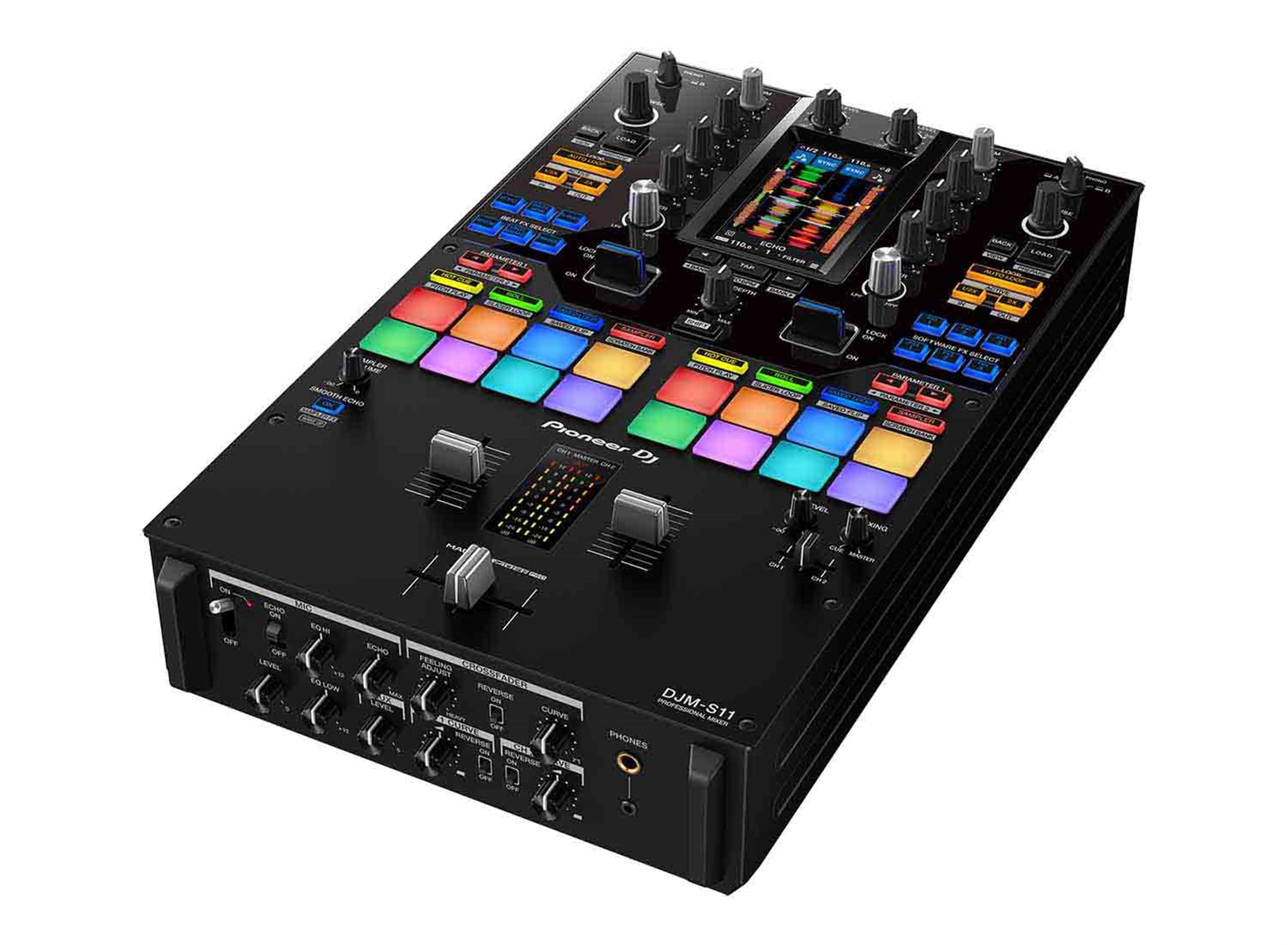


Types of Battle Mixers Compared
Battle mixers share a two channel layout, but they split into clear types by price, size, and fader quality. Budget models often cost around $100 to $250, mid range models around $250 to $600, and premium models around $600 to $1,200 or more. Compact models overlap those prices but trade features for a smaller footprint. Here is what each type gives you.
Mid Range Options
Mid range battle mixers are the working standard for most DJs. You typically get a smooth, replaceable crossfader with an adjustable curve, sturdy channel faders, a basic effects section, and inputs for both turntables and digital players. Sound quality is clean enough for clubs and recorded sets, and the layout leaves room around the faders for fast hand movement.
The limits are mostly about extras. Displays are small or absent, effects are fewer than on premium models, and some parts use lighter materials that wear sooner under daily scratching. Choose this type if you play out regularly, practice often, and want a mixer that feels serious without a competition level price. For many DJs this is where value peaks.
Premium Options
Premium battle mixers focus on fader precision, durability, and control depth. Expect a top tier crossfader with very light resistance and fine curve control, strong metal construction, dual effects engines or deep software control, and clear displays that show settings at a glance. Every control tends to feel firm and consistent, which matters when a routine depends on cuts landing at the exact same point every time.
The cost is the obvious drawback, and the extra features can slow down a new DJ who only needs clean cuts. Premium models also hold more of their value only if you keep them in good condition. Choose this type if you compete, perform often, or practice scratching daily and can feel small differences in fader response. Serious turntablists usually end up here.
Budget Options
Budget battle mixers cover the basics: two channels, a crossfader with at least a simple curve switch, headphone cueing, and gain and tone controls for each channel. They let you learn timing, record practice sessions, and play small house parties without a large investment. Many new DJs start here and upgrade once they know which controls they actually use.
The trade offs show up in fader feel and longevity. Crossfaders may feel stiff or loose at the ends of travel, replacement parts can be hard to find, and sound output is less refined at high volume. Choose this type if you are learning, play at home, or need a backup mixer for travel. A budget model that gets daily practice teaches you more than a premium model that stays in its box.
Compact Options
Compact battle mixers shrink the layout for small rooms, travel, and portable turntable setups. They keep the essential two channel controls but place knobs closer together, drop some effects, and sometimes run on battery or bus power for outdoor sessions. Weight and size are the whole point, so DJs who move between practice spots value them highly.
Crowded controls are the main compromise, because large hands can bump a knob while reaching for the crossfader. Inputs are also fewer, which limits how many players and microphones you can connect at once. Choose this type if space is tight, you travel light, or you practice with a portable setup. Measure your shelf or case before you buy, since compact models still vary in width.
Mid Range Options vs Premium Options: Which Should You Choose?
Compare these two types on five points. First, fader feel: mid range crossfaders are smooth and adjustable, while premium crossfaders add finer curve control and lighter, more consistent resistance. Second, build: mid range models mix metal and strong plastic, while premium models use more metal and survive heavier daily use. Third, effects and software control grow sharply at the premium level.
Fourth, displays and feedback are minimal on mid range models and detailed on premium ones. Fifth, price roughly doubles for those gains. If you play weekly and record your sets, mid range covers you well. If your routines depend on precise cuts, you compete, or you earn money from playing, premium control and durability justify the jump for most working DJs.
How to Choose the Right Battle Mixer
Work through the four checks below before you compare prices. A mixer that fits your hands, your players, and your practice habits will serve you longer than one chosen on features alone.
Intended Use and Who It Is For
Start with your main setting. Home practice rewards a simple layout and a crossfader you can replace when it wears. Club and event work reward strong outputs, a microphone input you trust, and controls you can read in low light. Competition and routine building reward fader precision above everything else, because your practice hours go into repeatable cuts.
Also count your sound sources. Two turntables using vinyl, two digital players, or a mix of both changes which inputs you need. If you plan to add a laptop and DJ software soon, confirm the mixer supports that workflow now rather than assuming an upgrade path exists. Buying for your next year of playing, not your next five, usually saves money.
Price vs Value
Budget models around $100 to $250 teach the fundamentals and suit home practice. Mid range models around $250 to $600 add fader quality, better sound, and durability that most regular DJs can feel every session. Premium models around $600 and above add precision, deep effects, and build quality that matter most to performers and competitors.
Value depends on cost per year of use. A mid range mixer used for four years often beats a budget mixer replaced twice, once you add a second purchase and shipping. Spend first on the crossfader and core sound, and spend last on effects you may rarely touch. If a sale moves a mid range model near budget pricing, that is usually the smartest buy on this page.
Maintenance and Long Term Costs
Crossfaders wear first because they move constantly, so favor mixers with replaceable faders and check the price of a spare before you buy. Dust is the main enemy, and a cover or case adds a small cost that protects every control at once. Cables, needles for your turntables, and software licenses can add around $50 to $150 a year depending on how often you play.
Warranty length matters more on premium models, where a single repair can cost a large share of a budget mixer. Keep your receipt and register the product if the maker offers it. A mixer that is easy to open and clean, with parts the maker still stocks, will almost always cost less to own over five years.
Ease of Use and Setup
A battle layout should feel clear within minutes: channel controls in straight columns, the crossfader free of nearby knobs, and cue controls you can find without looking down. Setup is simple on most models: connect your players to the channel inputs, set gains so the loudest parts stay out of the red, and adjust the crossfader curve to a sharp cut for scratching or a smooth blend for mixing.
Before your first full session, check each input and the headphone cue at low volume to catch a bad cable early. Label your cables once and future setup takes minutes. If a mixer needs deep menu work before it plays a record, it will frustrate beginners, so favor direct controls when you are still learning.
Choosing a Battle Mixer for Different Uses
Most buyers fit one of the types above, but one group deserves its own note because the gear and the goal are so specific.
Best 90s Battle Mixers
Interest in the best 90s battle mixers comes from DJs who love the direct feel of classic hip hop era gear. Those older mixers offer simple layouts, chunky faders, and very little menu control, and they reward clean technique. If you shop for that style today, check fader condition first, confirm spare parts still exist, and expect no software support. A modern mid range model with a sharp curve often recreates the feel with far less risk.
Tips to Get the Most From Your Battle Mixer
Read the manual before first use, especially the pages on fader curve settings and input levels, because small settings change how the mixer responds to your hands. Clean and inspect regularly: blow dust from the fader slots, wipe the faceplate with a dry cloth, and check cables monthly for crackle. Store the mixer in a dry place, covered, away from drink spills and direct heat.
Two habits protect your skills as well as your gear. Record short practice sessions and listen for uneven cuts, which often trace back to gain levels set too hot. And keep a spare crossfader or know its exact replacement part number before yours wears out, so a worn fader never cancels a performance or a week of practice.
FAQs
How long does a battle mixer last?
A battle mixer often lasts five to ten years, with the crossfader wearing out long before the rest of the unit. Daily scratching can wear a basic fader within a year or two, while a quality replaceable fader extends the whole mixer life. Dust control, gentle cable handling, and keeping drinks away from the surface do more for lifespan than any single spec.
How do I maintain a battle mixer?
Keep dust out of the fader slots, wipe the surface after sessions, and store the mixer covered in a dry place. Check that every knob and switch still moves smoothly every few months. If a fader starts to bleed sound from the other channel, clean it first and replace it if cleaning fails. Avoid spraying liquids directly onto the controls, since moisture inside the fader shortens its life.
How much should you spend on a battle mixer?
Most learners do well around $100 to $250, regular DJs around $250 to $600, and performers above that range. Spend more only when you can name the limit you feel on your current mixer, such as a fader that misses fast cuts. Money spent on the crossfader and sound quality returns value every session, while money spent on rare effects often does not.
Are expensive battle mixers worth it?
They are worth it if you perform, compete, or practice scratching most days, because fader precision and durability shape every routine. They are harder to justify for casual home mixing, where a mid range model already feels smooth and clean. One useful test: if your current fader limits your practice, upgrade. If your practice time limits you more than your gear does, keep the mixer and add the hours.
What features matter most when buying a battle mixer?
The crossfader matters most, including its curve control and whether you can replace it. Next come clean sound, solid channel faders, and a layout that leaves room for your hands. Inputs for your exact players and a clear headphone cue section follow close behind. Effects, displays, and extra outputs help specific workflows, but none of them rescue a mixer with a poor crossfader.
Our Verdict
Choose by fader first, layout second, and price third, and most DJs land on a mid range model they keep for years. Go premium for competition level precision, go budget to learn, and go compact when space rules your setup. Use the product table to compare models at a glance, and pick the best battle mixers style that matches how you actually play.