Best Bass Powered Speakers: Reviews and Buying Guide for 2026
Disclosure: We may earn a commission when you buy through links on this page, at no extra cost to you. As an Amazon Associate I earn from qualifying purchases. Learn more
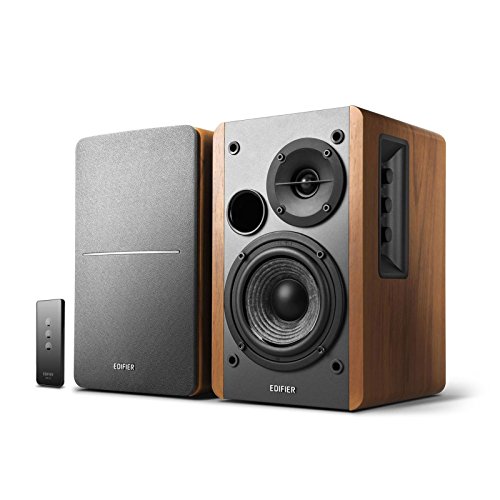
Use this buying guide to choose the best bass powered speakers for your home, with clear help on drivers, inputs, power, sizing, and setup for your room.
Powered speakers promise a simple path to big sound: the amplifier lives inside the cabinet, so you connect a phone, a television, or a turntable and press play. The hard part is bass. Cabinets vary wildly in size and tuning, and the pair that shakes one room can sound lost in another. This guide to the best bass powered speakers explains how to match driver size, power, and inputs to your space and budget.
You will get a clear tier guide, a full buying checklist, and setup tips that make any pair sound better. Start with the comparison table below to note sizes and inputs, then read on for what those numbers mean in daily listening.
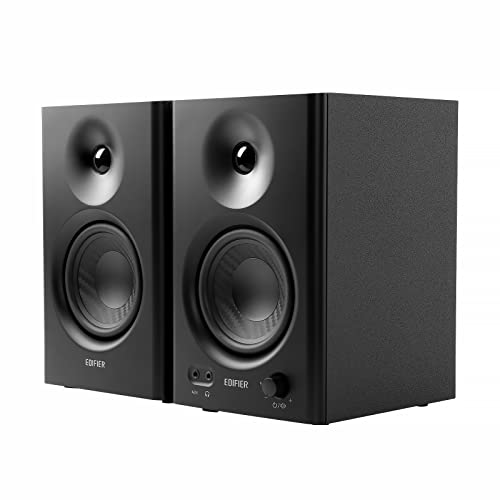


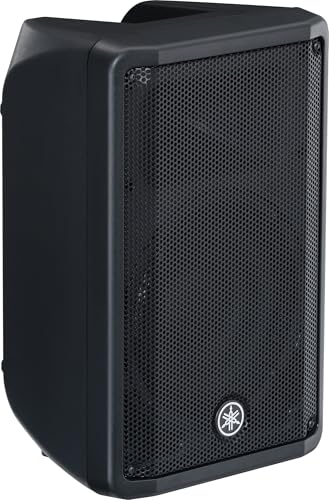
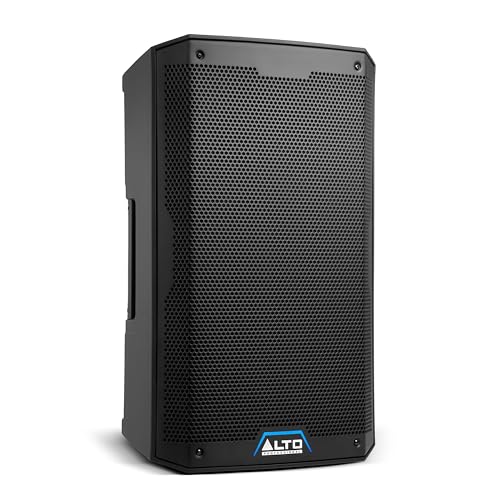

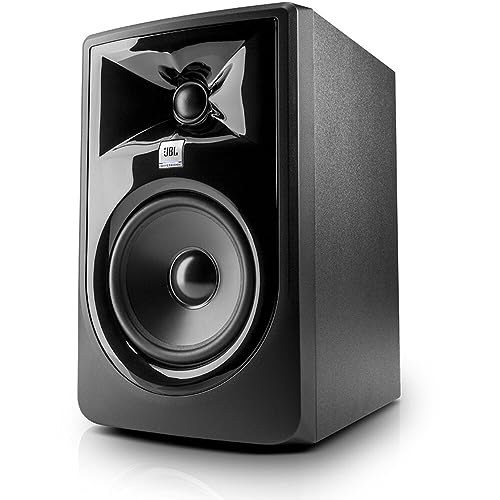

Three Spending Tiers at a Glance
Powered speakers group neatly into three tiers. The descriptions below show what each tier generally delivers for bass and daily use, so you can aim your budget before you compare individual listings.
Mid Tier: About $300 to $600
The overall sweet spot, usually around $300 to $600 for a pair, pairs 5 to 6.5 inch woofers with amplifiers matched to them at the factory. That factory matching is the core advantage of powered designs: the amp, the crossover, and the driver are tuned as one system. Bass reaches low enough for most music without a subwoofer, and inputs usually cover optical for a television, RCA for older gear, and Bluetooth for phones. Build quality steps up here too, with denser cabinets that resist vibration. For a main living room or a serious desk, this tier satisfies most listeners for years.
Entry Tier: About $120 to $300
Value pairs, usually around $120 to $300, use 4 to 5 inch woofers and simpler amplifiers, yet they still beat television speakers and soundbars on stereo separation by a wide margin. Bass is present and tuneful for near field and small room listening, though the deepest movie effects will roll off. You may give up a remote, some inputs, or app control at this price. The smart value move is to accept those limits and keep the essentials: a solid cabinet, an optical or USB input that matches your source, and a bass control you can adjust from your seat or the rear panel.
Starter Tier: About $80 to $180
Beginner friendly pairs, usually around $80 to $180, focus on easy setup: one powered cabinet and one passive partner, a short list of inputs, and controls a new owner can learn in minutes. Bass output is modest, tuned for desks and bedrooms rather than parties. That is fine for a first system, because placement near your listening spot makes small speakers sound bigger. Choose this tier if you are upgrading from a television or laptop and want to learn what you like. Spend the savings on placement and a streaming source you enjoy, then upgrade later with clear preferences.
How to Choose the Best Bass Powered Speakers: Buying Guide
This is the core checklist. Work through each feature with your room and sources in mind, and the right pair usually selects itself from the best bass powered speakers you are comparing.
Sound Quality and Tuning
Driver size and cabinet volume set the bass ceiling. A 6.5 inch woofer in a deep cabinet will reach lower and play louder than a 4 inch woofer in a slim box, regardless of watt claims. Read frequency response figures with care and look for a tolerance such as plus or minus 3 dB, which signals honest measurement. Tuning also matters: some pairs boost upper bass for instant excitement, which can mask vocals. A rear bass port adds output but needs space from the wall, while a sealed or front port design tolerates close placement. An adjustable bass knob is a genuine plus for tricky rooms.
Connectivity
List your sources before you shop. Televisions need optical or HDMI ARC input, computers pair well with USB audio, and turntables need RCA input plus a phono stage somewhere in the chain. Bluetooth 5.3 gives a stable phone link, and codecs such as AAC or aptX can improve clarity from supported devices. Multipoint pairing helps if you switch between a phone and a laptop at a desk. Latency matters for video: wired inputs avoid the delay that some Bluetooth links add, so keep at least one wired path for your main screen.
Ecosystem and App Features
Some powered pairs add app control with equalizer presets, input renaming, and firmware updates that fix bugs over time. A physical remote remains valuable even with an app, because it works when your phone is in another room. Stereo pairing and subwoofer outputs are the two expansion features worth paying for: a subwoofer output lets you add deep bass later without replacing the pair. Skip paying for voice assistants or light effects inside a speaker if they raise the price, since a separate smart device does those jobs better and cheaper.
Durability and Water Resistance
Most powered home speakers carry no IP rating and belong indoors, away from sinks and open windows. For a covered patio, choose models built for humidity with sealed controls, and bring them inside during storms. Indoors, durability means cabinet joints that stay tight, amplifier heat sinks with airflow, and driver surrounds made from rubber rather than foam for longer life. Keep vents clear of dust and give the amplifier room to breathe on a shelf. If outdoor use is your main goal, compare dedicated options in our guide to the best party speakers with bass instead of forcing a home pair outside.
Size, Weight, and Placement Fit
Powered pairs are heavier than passive ones because each system carries an amplifier, so check that your shelf or stands can hold them safely. Stands that lift the tweeters to ear height improve both clarity and perceived bass, because your ears sit on the axis the maker tuned for. Leave a few inches behind rear ported cabinets. On a desk, angled pads that tilt speakers up toward your ears are a cheap upgrade with an outsized effect. Measure the footprint before ordering, since deep cabinets surprise buyers who planned around the width alone.
Noise and Background Sound
Powered speakers can hiss softly when no music plays, because the amplifier sits close to the drivers. Better designs keep that noise inaudible at normal listening distance, while cheap ones hiss at a desk where you sit near the speakers. True noise cancelling belongs to headphones, not room speakers, so ignore any suggestion that a powered pair cancels room noise. What you can control is gain staging: set the speaker volume high and control level from your source at a healthy output, which often lowers hiss. If you work in a quiet room, this point deserves weight in your choice.
Power Draw and Standby
Powered speakers draw electricity even in standby, so check for an auto sleep feature if they will run all day with a television. Battery powered portables are a different class covered elsewhere; home powered pairs plug into the wall and play without time limits. Surge protection is a sensible guard for the amplifier electronics. If you plan to leave the pair on constantly, a model with signal sensing wake up saves the daily reach for a power switch and still limits idle draw.
For a wider view of the category, see our guide to the best powered speakers, and for non powered alternatives, our guide to the best bass speakers.
Types of Bass Powered Speakers
Wired Models
Wired powered pairs connect by optical, RCA, USB, or HDMI ARC and suit fixed setups at desks and televisions. They deliver the fullest bass for the price because every dollar goes to drivers and amplification rather than batteries. Choose them when the speakers will stay in one room and sound quality leads your list.
Wireless and Bluetooth Models
Wireless powered pairs add Bluetooth and sometimes WiFi streaming, so a phone becomes the source with no cable across the room. They suit living rooms where gear changes often. Bass performance matches similar wired pairs at moderate volume, though a wired input still gives the most stable link for movies. See our guide to the best bass wireless speakers if streaming leads your needs.
Outdoor and Rugged Models
Rugged powered models seal their cabinets and controls against weather for patios and workshops. They trade some fine detail for volume and toughness, and their bass tuning favors punch that carries outdoors. Choose them only for true outdoor duty, since indoor listeners get better refinement from home designs at the same price. Portable event options appear in our guide to the best portable speakers with bass.
Setup and Care Tips
- Keep firmware updated if your pair supports it, because updates can improve input switching, standby behavior, and equalizer accuracy.
- Place each speaker on a firm, level surface or stand, since a wobbly mount buzzes and steals bass energy.
- Dust cabinets and vents with a soft dry cloth, and keep the amplifier rear panel clear so heat can escape.
- Avoid max volume for long sessions, because sustained clipping from the built in amplifier is the fastest way to damage a woofer.
- Start with tone controls flat, listen for a few days, then adjust bass in small steps to suit your room rather than your first impression.
FAQs
Wired or wireless: which sounds better?
Wired inputs sound better for critical listening and video, because they avoid wireless compression and the delay some Bluetooth links add to dialogue. Wireless sounds close enough for casual music and wins on convenience. Many powered pairs offer both, so use the wired path for your television or computer and Bluetooth for quick phone sessions. That split gives you the best of each without buying two systems.
What IP rating do I need for outdoor use?
Standard powered home pairs carry no IP rating and should stay dry indoors. For a covered patio, look for at least IPX4 splash resistance and sealed controls, and still store the pair inside during heavy weather. Fully exposed locations need speakers designed for outdoor duty from the start. Plugging any powered speaker into an outdoor outlet calls for a ground fault protected circuit for safety.
Do I need a special codec?
No special codec is required, because wired inputs carry the full signal and standard Bluetooth already handles bass well. Higher quality codecs such as LDAC or aptX can add clarity in the upper range when both your phone and speaker support them. Treat codec support as a small bonus, not a deciding factor. Driver size, cabinet volume, and amplifier quality will change your low end far more.
Final Thoughts
Decide by driver size for your room, inputs that match your sources, and a cabinet you can place well. Those three choices predict your daily satisfaction better than any watt figure. Review the product table above with that checklist in hand, and the best bass powered speakers for your home will stand out clearly.