Best Bass Guitar Speakers: Cabinets, Combos and Drivers Explained
Disclosure: We may earn a commission when you buy through links on this page, at no extra cost to you. As an Amazon Associate I earn from qualifying purchases. Learn more

Choose bass guitar speakers by impedance, power handling, driver size and portability for practice, rehearsal and small gigs.
A bass guitar needs a speaker that can move a lot of air, which is why the best bass guitar speakers are not the same as guitar or hi-fi speakers. Low notes need large cones, strong magnets and a box that is built to handle the power of a bass amp. This guide explains the main types, the specs that matter and how to match a speaker to your amp and the rooms you play.
The product table lists combos with built in speakers and separate cabinets, from small practice amps to gig ready rigs.

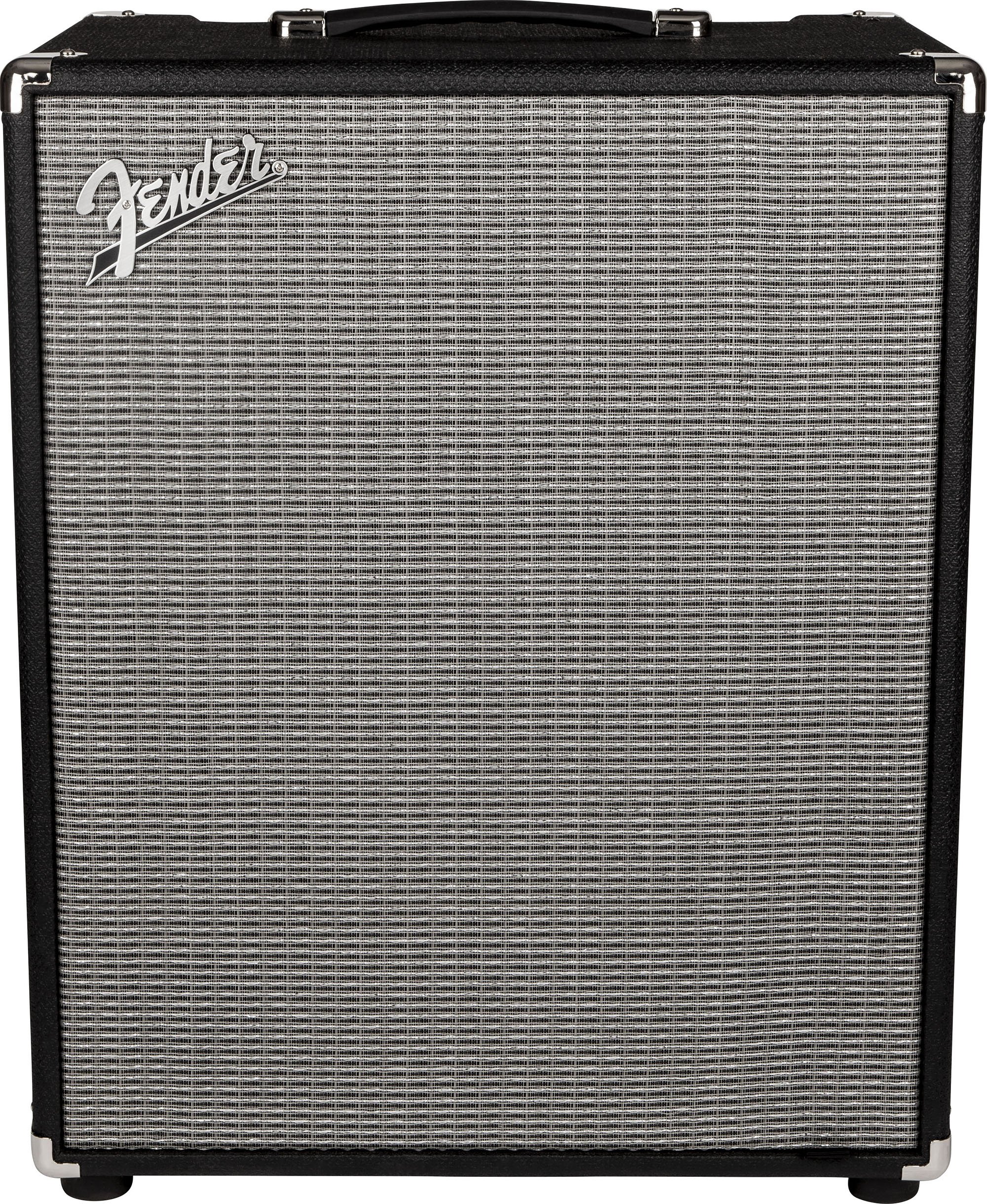


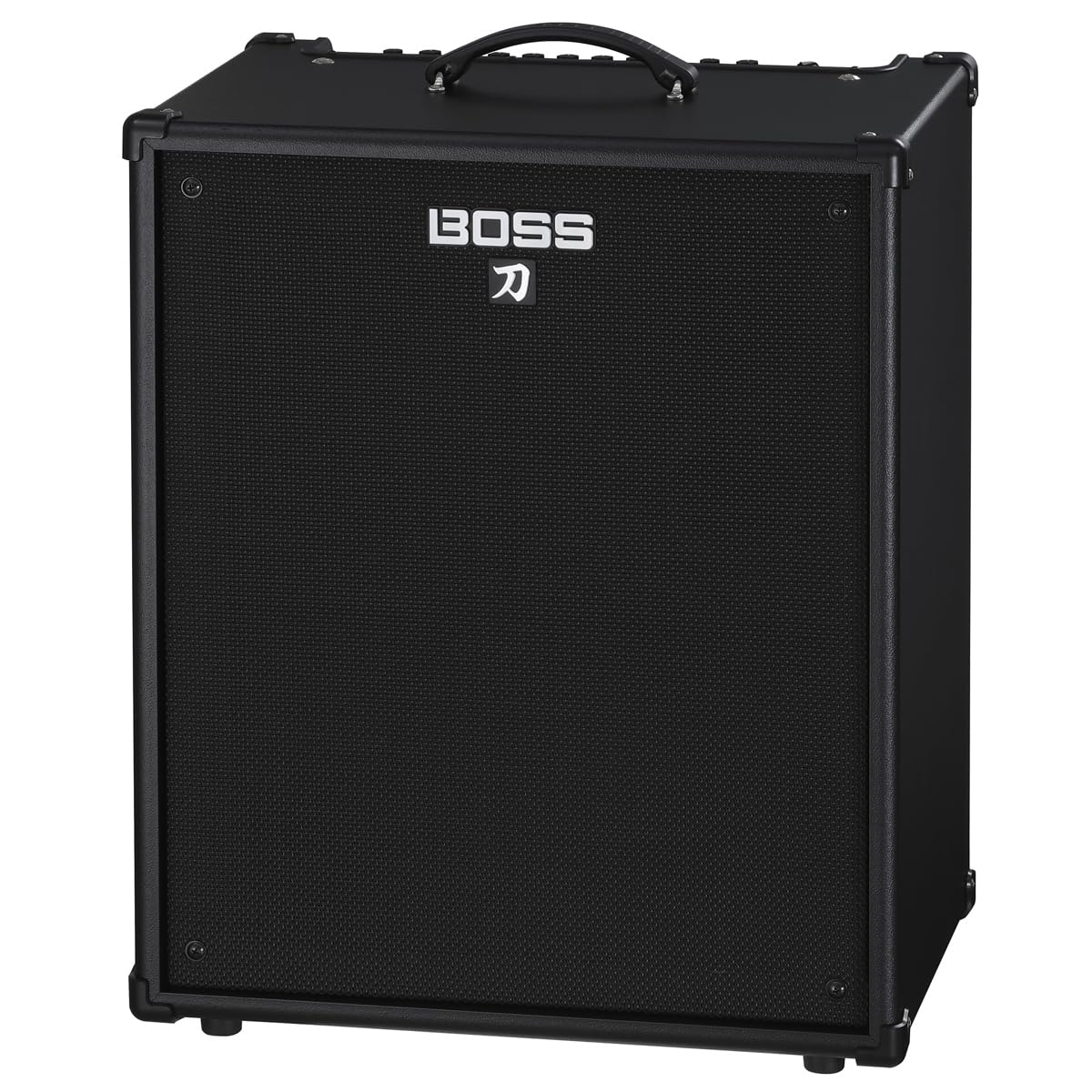


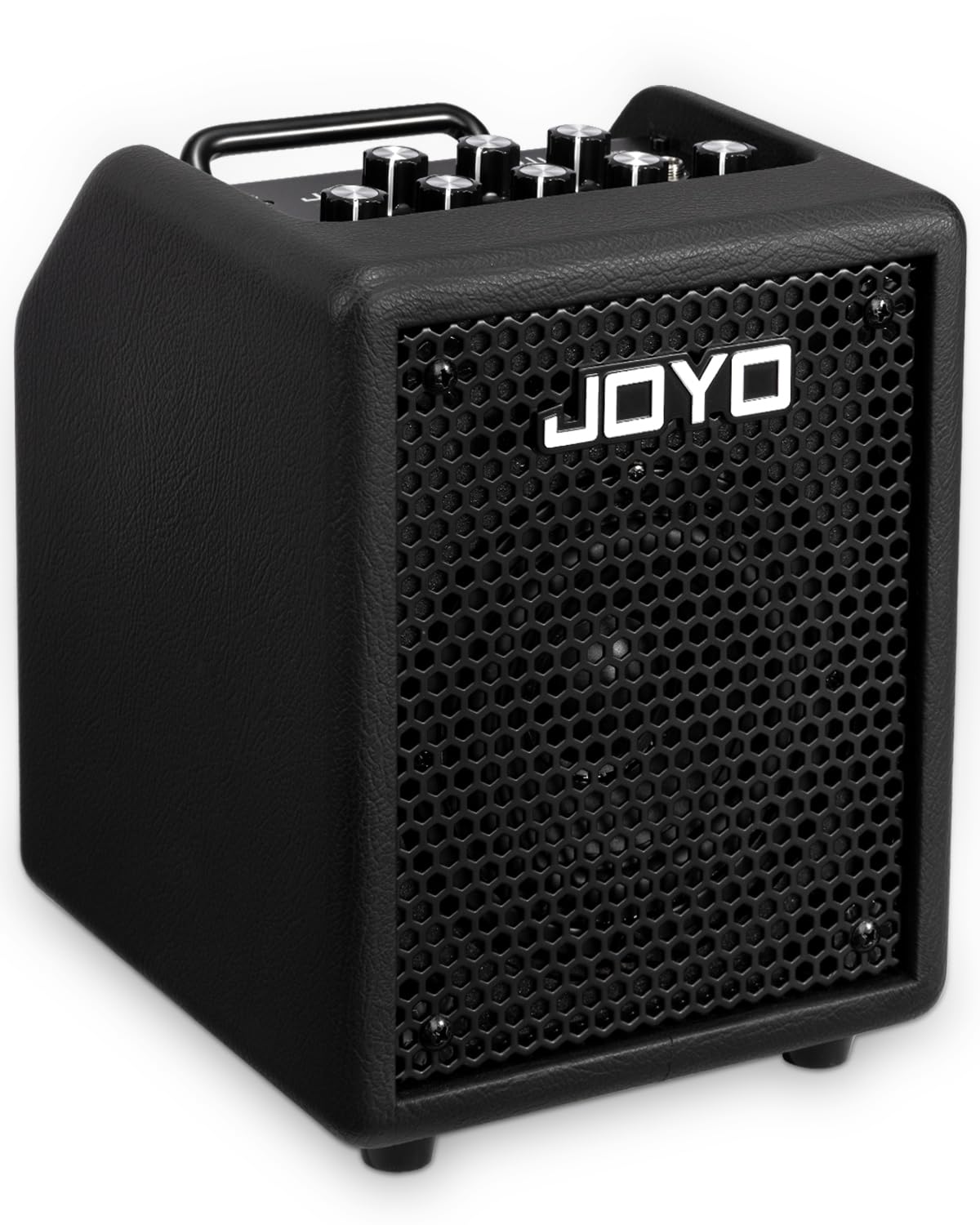
Cabinets, Combos and Replacement Drivers
There are three ways to get bass guitar speakers. A combo amp puts the amplifier and speaker in one box, which is the simplest choice for practice and rehearsal. A separate cabinet pairs with an amp head, which lets you mix and match and add a second cabinet later. A replacement driver goes into an existing cabinet to refresh the sound or fix a blown speaker.
Beginners usually start with a combo. Gigging players tend to move to a head and cabinet for more power and easier transport in two parts.
Driver Size and Sound
Driver size shapes tone. A 10 inch driver sounds tight and quick, with clear definition on fast lines. A 12 inch driver balances depth and punch. A 15 inch driver moves more air for a round, full low end but can feel slower. Many cabinets combine several smaller drivers, such as a 4 by 10, to get both punch and volume.
Choose by the music you play and the rooms you fill. Funk and metal players often prefer a tighter 10 inch sound, while players who want a deep, vintage feel lean toward a 15 inch driver.
Impedance and Power Handling
Impedance, in ohms, tells you the electrical load the speaker presents to the amp. Most bass cabinets are 4 or 8 ohms. Your amp manual states the loads it can drive, and you must stay within them. Connecting a load that is too low can overheat the amp.
Power handling tells you how much amp power the speaker can take. Choose a cabinet rated at or above the continuous output of your amp, and leave some headroom for peaks. A speaker driven past its limit distorts and can be damaged.
- Check that the cabinet impedance matches the amp.
- Choose a continuous power rating at or above the amp output.
- Use a proper speaker cable, never an instrument cable.
- Check that two cabinets together stay within the amp minimum load.
Weight and Portability
Bass gear is heavy, and weight decides how much you enjoy carrying it. Neodymium magnets cut weight compared with ceramic ones, and braced plywood cabinets are stronger than thin boards. Recessed handles and a balanced shape make a cabinet easier to carry. If you take the bus or carry gear up stairs, a lighter cabinet is worth the extra cost.
Horns, Tweeters and Connections
Many bass cabinets add a horn or tweeter for top end clarity. A level control or switch lets you tame it when strings are bright or add sparkle for slap. For connections, locking Speakon jacks are more secure than quarter inch sockets on a vibrating stage, and a second output jack makes it easy to link another cabinet.
Practice, Rehearsal and Gig Needs
For practice at home, a small combo of 15 to 30 watts is enough and keeps neighbors happy. For band rehearsal, you need roughly 100 to 300 watts into a 12 or 15 inch driver or a pair of 10 inch drivers to be heard over a drummer. For gigs, plan on 300 watts or more and a cabinet that can handle it, unless the venue amplifies the bass through its PA.
Think about where you will play most, and buy for that, with a little extra for growth.
Budget Guidance
Small practice combos start at well under $150 and are fine for learning at home. Midrange combos and cabinets, roughly $150 to $600, bring better drivers, sturdier cabinets and enough power for rehearsal. Gig ready cabinets above that spend money on lighter weight, tighter tolerances and a more even response. Buy a speaker that matches your amp, since an expensive cabinet driven by a weak amp, or the reverse, wastes money.
Used gear is common in this category, which can stretch a budget. Check the cone and surround for tears, listen for rattles and confirm the impedance label before you buy.
Care and Safety
Switch the amp off before connecting or disconnecting speaker cables. Start with the volume low when you try a new setup, and listen for buzzes or rattles that point to loose parts. Keep cabinets dry, store them away from heat, and use a padded cover for transport. If a speaker rattles or loses low end, have a technician inspect it before it gets worse.
Related reading includes the best bass amp speakers and the best bass cabinet speakers.
Frequently Asked Questions
Can I use guitar speakers for bass?
Generally no. Guitar speakers are not built for the low frequencies and power of a bass guitar and can be damaged. Use speakers rated for bass.
How many watts do I need for a bass speaker?
About 15 to 30 watts for practice, 100 to 300 for rehearsal and more for gigs. Match the speaker rating to the amp output.
Is a combo or a separate cabinet better?
A combo is simpler and cheaper, while a head and cabinet are more flexible and easier to expand. Beginners usually start with a combo.
What cable should I use between amp and cabinet?
Use a proper unshielded speaker cable, ideally with locking plugs. Instrument cables can overheat under power.
Can I run two cabinets from one amp?
Yes, if the combined impedance stays within the range the amp allows. Check the manual before linking.
Final Thoughts
Choose driver size for tone, match impedance and power to your amp, and pick a weight you can carry. Start small if you are new, and add a cabinet as your playing grows. With those points in mind, the best bass guitar speakers for you will sound full, stay reliable and be easy to move.