Best Bass Amp Speakers: Everything to Know Before Your First Purchase for 2026
Disclosure: We may earn a commission when you buy through links on this page, at no extra cost to you. As an Amazon Associate I earn from qualifying purchases. Learn more

Shopping for the best bass amp speakers for the first time? Learn driver size, wattage, and impedance in plain English with this easy buying guide checklist.
Buying a speaker for a bass amp is different from buying almost any other speaker, because bass frequencies demand large moving parts, honest power handling, and a cabinet that works with the driver instead of against it. If you are shopping for the best bass amp speakers for the first time, the terms can feel dense, but the core ideas are simple. This guide explains those basics first, then walks through each spec in plain English.
Use the comparison table below to line up driver size, power rating, and impedance before you read further. Those three numbers decide whether a speaker will work safely with your amp at all, so they come before any question of tone. A speaker that mismatches your amp can sound weak at best and can damage equipment at worst.
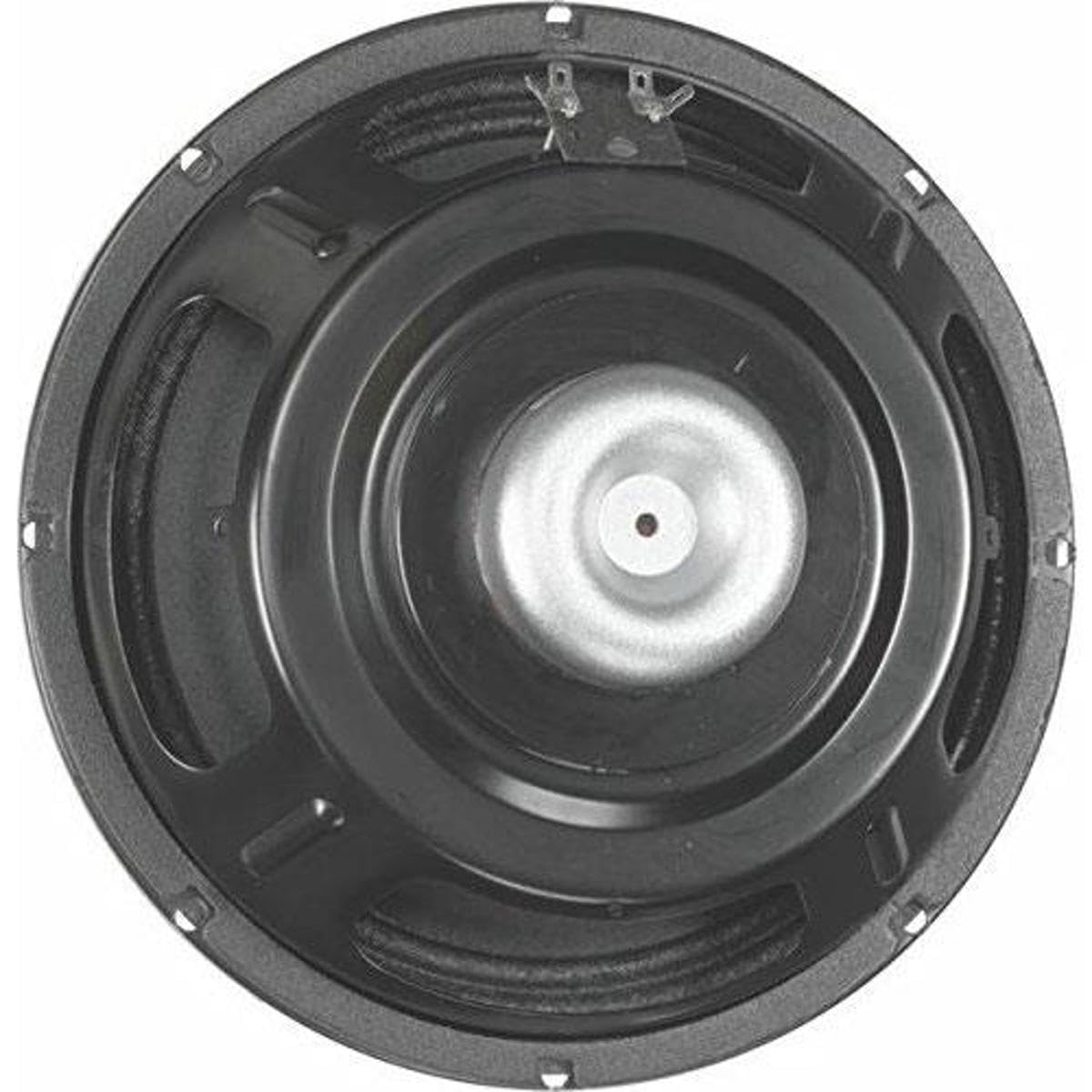


Bass Amp Speakers 101: The Basics
A bass amp speaker is the driver inside a bass cabinet, the part that actually moves air and turns the amp signal into sound. Bass notes are long waves, so moving enough air takes a larger cone, a strong motor, and a suspension that can travel a long way without tearing or rattling. That is why bass drivers are built heavier than guitar speakers of the same size, and why their power ratings and excursion limits matter so much.
You will meet a few basic terms everywhere. The driver is the speaker itself. Impedance, measured in ohms, describes the load the speaker presents to the amp, and common values are 4 ohms and 8 ohms. Wattage ratings describe how much power the driver can handle, usually given as a continuous or program figure. Sensitivity tells you how loud the driver plays with a given input, and a difference of a few decibels is clearly audible. Keep those four ideas in mind and most listings become readable.
Key Specs Explained in Plain English
Sound Quality and Tuning
Tone starts with driver size and frequency response. Larger drivers, such as 15 inch designs, move more air and often feel deeper and rounder, while 10 inch drivers tend to respond faster and sound tighter and more articulate, which is why many cabinets group several of them together. Look for a response that reaches down to around 40 to 50 Hz for full low end support. Voicing matters too: some drivers emphasize low mids for punch, others stay flatter for a modern, even sound. Choose based on the music you play, not on the deepest number alone.
Size, Weight, and Your Cabinet
A replacement driver must physically fit your cabinet, so measure the cutout diameter, mounting depth, and bolt pattern before you order anything. Weight varies a lot: traditional ceramic magnet drivers are heavy and sturdy, while neodymium magnet drivers cut weight sharply, which matters if you carry your cabinet to gigs. Check that the cabinet internal volume suits the driver, because a driver in the wrong box can sound boomy or thin. If you are unsure, match the new driver closely to the size and type of the one it replaces.
Power Handling and Impedance
Match the driver power rating to your amp output with headroom to spare, since bass peaks are demanding and a driver run at its limit distorts and wears fast. A common approach is a cabinet rating comfortably above the amp wattage you actually use. Impedance is the safety critical number: confirm whether your amp expects a 4 ohm or 8 ohm load, and how multiple drivers combine, before you connect anything. Wiring two drivers in parallel halves the total impedance, which can overload an amp that was fine with one, so read your amp manual first.
Connections and Cabinet Features
Most bass cabinets connect with speaker cables using quarter inch or Speakon style connectors, and Speakon connectors lock in place, which is safer on a vibrating stage. Never use a guitar instrument cable as a speaker cable, because it is not built to carry that current and can overheat. Some cabinets add a tweeter with its own level control for extra top end clarity, which suits slap and modern styles. Ports, the tuned openings in many cabinets, extend low end output but need space behind the cabinet to work as intended.
Durability and Materials
Cone material affects both tone and lifespan. Treated paper cones are common and musical, while composite and reinforced cones resist moisture and rough handling better for touring use. The surround and dust cap take constant flexing, so look for clean glue work and even stitching or bonding. A cast frame is stiffer and usually handles heat and vibration better than a thin stamped frame. For drivers that will live in a rehearsal room, basic solid construction is enough; for drivers that travel weekly, durability deserves a bigger share of the budget.
Placement and Room Size
Where the cabinet sits changes what you hear as much as the driver itself. A cabinet on the floor couples with the ground and sounds fuller, while raising it can tighten the low end in a boomy room. Corners add bass, sometimes too much, so pull the cabinet out a little if notes blur together. Small rooms need less power than most players expect, and a single efficient driver can fill a rehearsal space easily. For outdoor or large stage use, more cone area matters more than more watts, because moving air is the real limit at distance.
If your search started with car audio rather than bass guitar gear, our guide to the best bass speakers covers that broader category. Players comparing amplification itself can read our guide to the best amp for speakers for the other half of the signal chain.
Rookie Mistakes to Avoid
- Ignoring impedance. Connecting a load your amp cannot handle risks shutdown or damage, so confirm the ohm rating before anything else.
- Chasing watts alone. Sensitivity and cone area often decide real volume more than a big wattage number on a listing.
- Using an instrument cable as a speaker cable. The thin cable can overheat under load; always use a proper speaker cable.
- Buying a driver that does not fit the box. Cutout size, depth, and cabinet volume all have to match, or the swap will disappoint.
- Judging tone at bedroom volume only. Bass drivers behave differently at rehearsal level, so consider how the speaker will sound where you actually play.
Getting Started: Setup and First Use
When a new driver or cabinet arrives, inspect the cone, surround, and terminals before installation, and keep the packaging until you have played through it. Connect the speaker cable with the amp switched off, confirm the impedance setting if your amp has one, and start at low volume while you check for rattles, buzzing, or distortion on open strings. Increase volume gradually over the first sessions rather than running full power immediately, which gives you time to spot problems early.
Two know how points save beginners real money. First, keep firmware updated on any modern amp head or powered cabinet that offers updates, since makers do fix protection and fan behavior that way. Second, store a spare driver or cabinet in a case or cover to protect the cone from dust, moisture, and casual knocks, and keep the room as dry as you reasonably can.
FAQs
How long does a bass amp speaker last?
A well matched bass driver can last many years, often a decade or more, because it has no battery or software to age out. Life shortens when a driver is regularly overpowered, fed heavy distortion at high volume, or stored in damp conditions. Listen for new rattles, a scratchy feel when the cone is pressed gently, or a loss of low end tightness. Those signs suggest wear in the voice coil or suspension and are worth a technician visit.
Should I choose one large driver or several smaller drivers for a bass amp?
Choose based on the feel you want: one large driver usually gives a deep, round character, while several smaller drivers give a faster, tighter response and spread sound more evenly. Total cone area is similar in many common setups, so neither is simply louder. Consider weight and cabinet size too, since a single large driver cabinet and a multi driver cabinet carry very differently. Hearing both styles with your own bass settles the question faster than any spec sheet.
Does cabinet material matter for bass amp speakers?
Yes, because the cabinet is part of the instrument, not just a box. Stiff, well braced plywood cabinets resist unwanted vibration and keep low notes clear, while thin or loose panels can buzz and absorb energy. Internal bracing and tidy joinery matter more than exotic wood choices. If you are replacing a driver, keep the cabinet it was voiced for when you can, since the driver and box were designed to work as a pair.
What impedance should I choose for a bass amp speaker?
Choose the impedance your amp is rated to drive, which the amp manual and rear panel will state plainly. An 8 ohm cabinet is the flexible common choice and lets you add a second 8 ohm cabinet later on many amps, while a 4 ohm setup draws full power from a single cabinet. Never guess: running below the amp minimum impedance can trigger protection or cause damage. When two listings look identical, the correct ohm rating is the deciding feature.
Can a bass amp speaker be used outdoors?
It can, but treat it as indoor equipment that is visiting outside. Keep the cabinet dry, shaded, and off wet ground, and remember that open air swallows low end, so you may need more cone area than you expect. Standard bass drivers carry no weather rating for rain, so any shower means covers on and power off. After outdoor use, let the cabinet dry fully in a ventilated room before storing it.
Readers building a car system instead will find our guide to the best 6x9 speakers for bass with amp more relevant, along with the unamplified alternative in our guide to the best 6x9 speakers for bass without amp and our guide to the best car speakers for bass without amp.
Our Verdict
Start with the non negotiable checks: correct impedance for your amp, power handling with headroom, and a driver that fits your cabinet. Then choose size and voicing for your music, and weigh sensitivity as heavily as wattage. Compare the product table above against those points, and the best bass amp speakers for your rig will be the ones that work safely with your amp and still sound like you at rehearsal volume.