Best Bass Coaxial Speakers by Budget: Smart Picks for 2026
Disclosure: We may earn a commission when you buy through links on this page, at no extra cost to you. As an Amazon Associate I earn from qualifying purchases. Learn more

Learn how to choose the best bass coaxial speakers by budget, with clear guidance on drivers, power handling, placement, and features that matter most.
Prices for coaxial speakers stretch from under $50 for a simple pair to several hundred dollars for a refined set with stronger materials and better tuning. That wide range makes it easy to overspend on features you will never hear, or to save money on a pair that sounds thin in your car or room. This guide to the best bass coaxial speakers shows you where your money actually changes the sound.
You will learn what each budget tier usually delivers, which upgrades matter for real bass, and which extras you can safely skip. Use the comparison table below to spot the sizes and power ratings that fit your setup, then read on for the reasoning behind each choice.
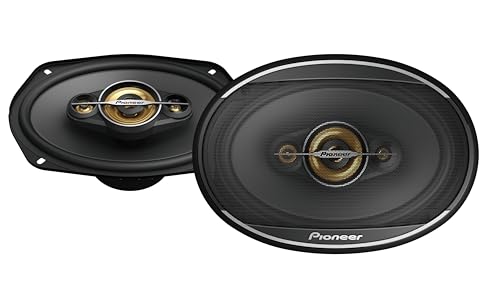


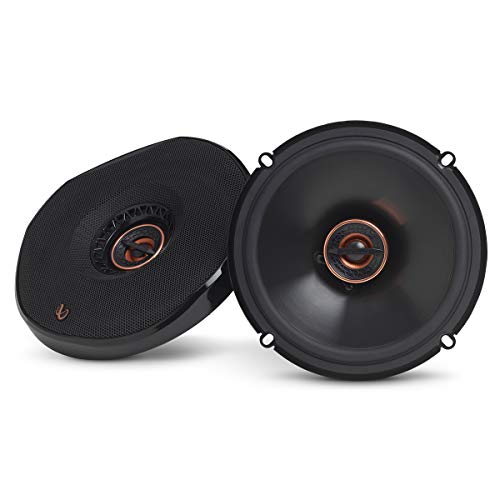

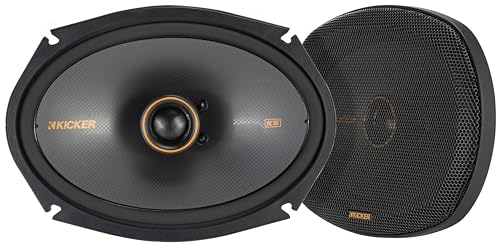
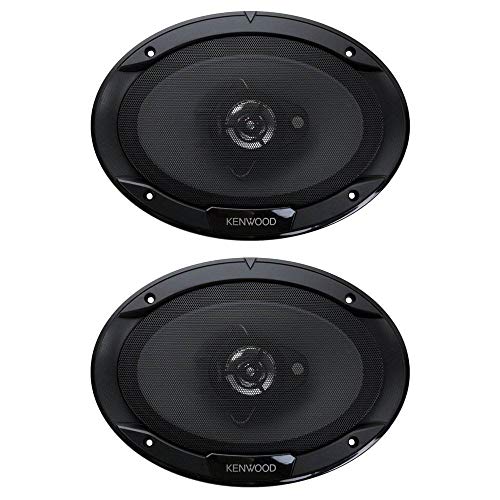

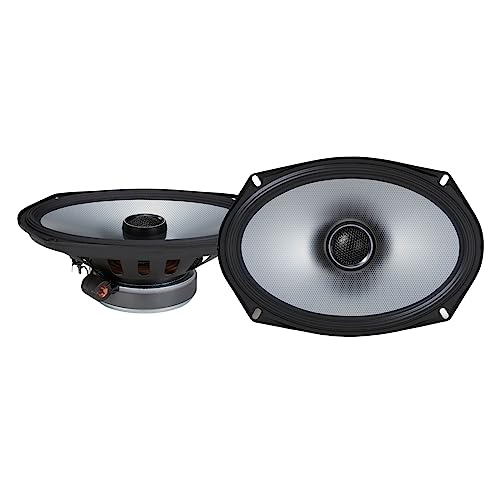

Best Bass Coaxial Speakers by Budget Tier
Instead of chasing a single winner, think in tiers. A coaxial speaker places the tweeter in the center of the woofer, so one mounting hole gives you both low notes and clear highs. Bass output depends mostly on woofer size, cone stiffness, motor strength, and how much clean power you feed the speaker.
Budget Tier Choices
Budget pairs, usually around $40 to $90, suit daily drivers and simple room setups where you want fuller sound than factory speakers provide. Expect paper or basic polypropylene cones, modest magnets, and power handling that matches a head unit or a small amplifier without strain. Bass will feel warmer and more present, but the deepest notes will roll off early. The main limit is control: at high volume the cone can lose composure and the low end turns loose. If you listen at moderate levels and your goal is a clear step up from stock sound, this tier does the job without forcing other upgrades.
Midrange Tier Choices
Midrange pairs, usually around $90 to $200, are where bass quality changes in a way most people notice right away. Cones often use stiffer blends, surrounds last longer, and motors control the woofer better during loud passages. You get tighter kick drums, cleaner bass guitar lines, and less distortion when you turn the volume up. Many sets in this range also handle amplifier power more confidently, which gives you room to grow your system later. For most buyers this tier balances price, durability, and low end authority better than any other, especially in a car door or a medium sized room.
Premium Tier Choices
Premium pairs, usually around $200 to $400 or more, focus on refinement as much as output. Stronger baskets reduce vibration, voice coils handle heat better, and crossovers blend the woofer and tweeter with more care. The result is bass that stays defined at volume and vocals that remain clear above it. You also tend to get better build quality and longer warranties. This tier pays off if you already own a good amplifier, listen closely, or plan to keep the speakers for many years. If the rest of your system is basic, the extra money may show only small gains.
What Your Money Gets You at Each Price Tier
Price alone does not guarantee bass. Two pairs at the same cost can sound very different because one spends its budget on cone control while the other spends it on styling or extra tweeters. The tier notes below help you read spec sheets with a cooler head.
Budget Tier: What to Expect
At this level, look for a woofer size that fills your mounting space, since a larger cone moves more air and usually gives easier bass. Sensitivity matters too: a higher sensitivity rating means the speaker plays louder with the modest power of a factory head unit. Do not expect deep extension below the range a small door speaker can manage. Plan on using a high pass filter if your head unit offers one, so the speaker stops wasting energy on notes it cannot reproduce and stays cleaner on the notes it can.
Midrange Tier: The Sweet Spot for Most Buyers
Midrange money buys better materials where they count. Rubber surrounds outlast foam, treated cones resist moisture in car doors, and larger voice coils shed heat during long drives. Many pairs add a swivel or angled tweeter, which helps when the speaker sits low in a door and the highs would otherwise fire at your legs. This is also the tier where stated power ratings tend to become more honest and useful. Pair these speakers with a compact amplifier and the bass gains punch that a head unit alone rarely delivers.
Premium Tier: When Spending More Pays Off
Premium spending pays when your source and power are already strong. Better crossovers protect the tweeter and smooth the handoff, so bass notes do not blur the midrange. Some sets allow bi amp wiring or separate tweeter level settings, giving you tuning control that budget pairs lack. You are also paying for consistency: premium pairs tend to match each other closely, which keeps the stereo image stable. If your vehicle has heavy road noise or your room has hard reflective walls, fix those basics first, because no speaker tier can fully overcome a noisy space.
Features Worth Paying For (and Ones to Skip)
A long feature list can hide a weak woofer. Focus on the traits that shape bass and daily use, and treat decorative extras as optional. The four checks below sort the worthwhile upgrades from the ones you can pass on.
Placement and Room Size
Placement shapes bass more than most buyers expect. In a car, a door speaker fires into a leg and a seat, so tweeter aim and mounting depth matter as much as cone size. In a room, a coaxial pair on shelves near a wall gains low end reinforcement from the wall, while the same pair in open space sounds leaner. Larger rooms need more cone area or more power to reach the same bass level. Measure your mounting depth and cutout before you buy, because the strongest speaker is useless if the magnet hits the window track or the grille will not sit flat.
Fit, Weight, and Installation
Coaxial speakers are among the easiest upgrades because the tweeter is built in and no separate crossover box needs mounting in most cases. Still, check the weight and basket shape if your door panel or shelf is flimsy, since a heavy speaker on a weak mount can buzz. Look for included mounting hardware and clear wiring terminals. If you are new to installation, choose a size that matches your factory cutout exactly. A direct fit saves hours and avoids adapters that can rattle. Keep the factory wiring if it is in good shape; for higher power runs, thicker wire is a sensible later step.
If you are comparing broader options beyond coaxial designs, see our guide to the best bass speakers for how dedicated woofers and larger cabinets change low end output.
Sound Quality and Tuning
Read the frequency response range as a rough guide, not a promise, because makers measure it under different conditions. A larger woofer, such as a 6.5 inch or 6x9 inch design, generally moves more air than a 4 inch unit and gives fuller bass in the same space. Sensitivity and power handling tell you how the speaker will behave with your amplifier: match the continuous power rating, often labeled RMS, to your amp output rather than chasing peak numbers. For a wider view of coaxial designs in general, see our guide to the best coaxial speakers and how two way and three way layouts differ.
Tuning tip: after installation, set the bass tone control flat and listen for a week. Many people boost the bass on day one, then discover the boost only adds boom. Small cuts to a boomy range often make the low end feel deeper because the rest of the music becomes clearer.
Long Term Costs to Factor In
The speaker price is only part of the total. Budget for mounting adapters, wiring harnesses, and sound deadening if your doors are thin. An amplifier, if you add one later, brings its own wiring kit and installation time. Foam surrounds on older budget designs can wear out in hot climates, so a rubber surround may save a replacement cycle. Check warranty length and whether it covers installation related damage. A pair that costs a little more but lasts twice as long is the cheaper purchase over the life of your car or system.
Bass Coaxial Speakers: Your Questions Answered
Do coaxial speakers need an amplifier?
Not always. Coaxial speakers with higher sensitivity play well from a factory or aftermarket radio. An amplifier adds control and lets you play louder with less distortion, so it is a sensible upgrade if you want stronger bass.
Are 6x9 or 6.5 inch coaxials better for bass?
A 6x9 inch speaker has more cone area than a 6.5 inch one, so it generally moves more air and gives fuller low end. Which one you can use depends on your vehicle, so check the factory size and mounting depth first.
Wired or wireless: which sounds better?
Wired coaxial speakers sound better for the money in most permanent installs, because the amplifier delivers full power without battery limits or wireless compression. Wireless models win on convenience for portable use, and if that is your priority, see our guide to the best bass wireless speakers for options built around batteries and Bluetooth. For a fixed car or shelf system, wired remains the simpler and stronger path.
The Bottom Line
Choose by woofer size, honest power handling, and fit first, then let your budget tier decide the material quality you can afford. Most buyers land happily in the midrange, where control and durability jump without premium pricing. Compare your finalists in the product table above, and you will end up with best bass coaxial speakers that match your space, your power, and the way you actually listen every day.