Best Bass and Treble Settings for Home Speakers in 2026: Balance by Room and Budget Tier
Disclosure: We may earn a commission when you buy through links on this page, at no extra cost to you. As an Amazon Associate I earn from qualifying purchases. Learn more
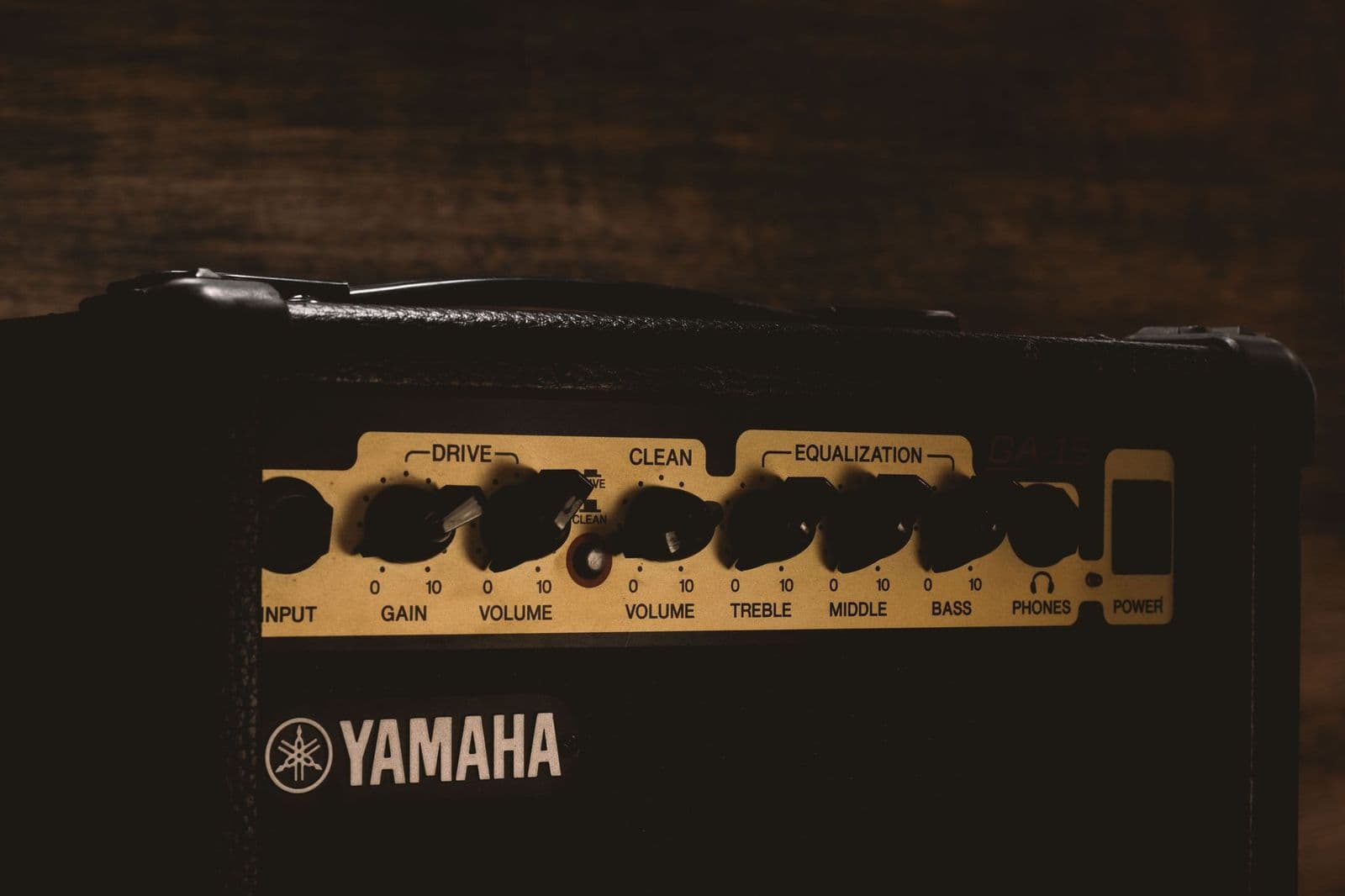
Learn how to set bass and treble on home speakers for clear dialogue, balanced music and controlled low end, with a simple room tuning routine.
Most home speakers leave the factory with a reasonable balance, yet your room, seating distance and usual volume can push that balance toward boom or glare. The best bass and treble settings for home speakers are rarely the maximum numbers on the dial. They are small, measured changes that fit your space.
Price matters in a practical way, because budget models may give you two simple knobs while costlier systems add app bands, presets and room correction. Start from flat, change one control at a time, and judge the result with music and dialogue you know well.
Who Needs Which Tone Balance at Home?
Your listening habits decide where the balance should lean. If you are still choosing a system, see our guide to the best home speakers for the main formats, then return here to tune what you own.
Movie Watchers Who Miss Dialogue
You need clarity in voices more than extra weight in effects. Keep bass near flat or lower it by 1 to 2 dB, because excess low end can mask consonants and make speech sound thick. A small treble lift of 1 to 2 dB often helps dialogue sit forward. If your system has a separate center channel, raise that channel slightly instead of pushing treble everywhere.
Music Listeners in Small or Bright Rooms
Hard floors, bare walls and glass reflect treble back at you, so a calm looking room can still sound sharp. Start with treble at flat or 1 dB down and bass at flat, then judge with a vocal track at your normal volume. Small rooms also boost bass near walls, so a modest bass cut often cleans up piano and acoustic guitar faster than any treble change.
Apartment Listeners Who Play Sound Quietly
At low volume your ears hear bass less strongly than midrange, so quiet music can seem thin even on capable speakers. A gentle bass lift of 2 to 3 dB at night restores warmth without raising overall volume much. Keep treble at flat, since raising it at low volume mostly adds hiss and edge. Lower it again for daytime listening.
Key Features to Compare
These factors decide how much control you really have, and how far a setting change can safely go.
Bass Control Range and Step Size
A bass control lifts or cuts low frequencies, usually in steps of 1 or 2 dB across a range of about 10 dB either way. Smaller steps matter, because the gap between a good setting and a boomy one is often only 2 dB. If your controls move in large jumps, fix placement first and use the knob only for the final trim.
Treble Control and Where It Acts
A treble control shapes the highest frequencies, where cymbals, consonants and room reflections live. Raising it adds air and detail but also raises surface noise on older recordings. Lowering it softens glare from bright rooms and from seats close to a rear wall. Work in 1 dB steps when you can, and judge with a female vocal or a violin recording.
Speaker Placement and Room Surfaces
Placement changes bass more than any knob can. A speaker in a corner gains strong low end from the nearby walls, while the same speaker pulled about 1 to 3 feet into the room sounds leaner and clearer. Soft furnishings absorb treble, so a furnished room tolerates a touch more treble than an empty one. Move each speaker a few inches and listen again before you change any setting.
Driver Size and Real Low Bass Limits
Small drivers move less air, so they cannot produce deep bass no matter how far you turn the control. Bookshelf models with woofers of about 4 to 6 inches usually roll off well above the deepest notes in film scores. Pushing bass up on such speakers mainly raises distortion and port noise. If deep low end is your priority, see our guide to the best bass speakers for home instead of forcing a small cabinet.
Subwoofer Crossover and Level Matching
When a separate subwoofer handles the lowest notes, the bass control and the subwoofer level must agree, or one range gets doubled while another goes missing. Set the crossover near 80 Hz for most home systems, then match the subwoofer level so kick drums sound solid without drawing attention to the subwoofer itself. After that, use the main bass control only for small trims of 1 to 2 dB.
What Each Setup Tier Lets You Adjust
Spending more on home speakers mostly buys finer control, not a different goal. The right balance still comes from your room and your ears.
Basic Tone Knobs on Budget Setups
Simple powered speakers and compact systems, often about $50 to $150 for a pair, usually offer one bass knob and one treble knob with no numbers. Mark the center position with a small piece of tape so you can always return to flat. Turn each knob in small movements and hear a full song before moving it again.
App and Receiver Controls on Mid Priced Setups
Systems around $150 to $400 often add numbered settings, presets for music and movies, and sometimes a simple equalizer in an app. Numbered steps make results repeatable, so write down the values that work in your room. For options in this class, see our guide to the best wireless speakers for home.
Room Correction and Subwoofer Control on Premium Setups
Premium systems, often about $400 and up, may add automatic room correction that measures your space with a microphone and sets a target curve. Treat that result as a starting point, not a verdict, and trim bass or treble by 1 to 2 dB if voices sound dull or thin.
How to Set Bass and Treble in Your Room, Step by Step
Begin with both controls at flat, which is zero or the center mark, and turn off presets and loudness so you hear the speakers alone. Play familiar tracks and one dialogue scene at your usual volume. This short routine is how most listeners land on the best bass and treble settings for home speakers in their own room. For a broader look at player and receiver menus, see our guide to the best settings for speakers.
- Set the bass first with a track that has a clear bass line, moving 1 or 2 dB at a time until notes sound full but separate.
- Set the treble next with a vocal track, using the smallest steps available until consonants sound crisp but not sharp.
- Replay your dialogue scene and confirm that quiet speech stays clear without raising the overall volume.
- Listen from your other seats, because a setting tuned for one chair can sound heavy from a seat near a wall.
- Write down both numbers and the speaker positions, so you can restore them after cleaning or moving furniture.
Common Mistakes to Avoid
- Turning bass and treble both to maximum flattens dynamics and makes most recordings sound harsh and boomy at once.
- Changing both controls at the same time leaves you unable to tell which change helped.
- Tuning at very low volume and then playing loud makes the bass seem far heavier than you intended.
- Placing speakers in corners and then adding more bass on top doubles the low end and buries dialogue.
- Judging with an unfamiliar track hides problems, because you cannot tell the recording apart from your settings.
Care and Maintenance for Tuned Home Speakers
Dust the cabinets and grilles with a dry cloth, and keep tone controls moving freely by turning each knob through its full range now and then with the power off. Check that speaker wires sit firmly in their terminals, since a loose connection can thin the sound on one side and mimic a treble problem.
Respect volume limits as part of care. A buzzing note at a level that used to play cleanly means a driver is being pushed too far, and more bass boost will only make it worse. Lower the bass control and the volume, and let the system rest.
FAQ
What is a good starting bass and treble setting for home speakers?
Flat is the best starting point for home speakers, meaning zero on numbered controls or the center mark on plain knobs. From there, most furnished rooms need only a change of 1 to 3 dB in either direction. Tune in a quiet morning, when fresh ears need less treble than tired evening ears do.
Why do home speakers sound boomy when placed in a corner?
Home speakers sound boomy in a corner because the two walls and the floor all reflect low frequencies back into the room at once, reinforcing the same notes. If you cannot move a speaker, angle it toward your seat and reduce bass by 2 to 4 dB, which keeps warmth while removing much of the thickness.
Can raising the bass damage small home speakers?
Yes, raising the bass can damage small home speakers if you also play them loud, because the woofer must move much farther to produce low notes at high volume. Warning signs include a rattling cabinet, heat from the cabinet, or distortion that was not there before. At modest volume, a lift of 2 to 3 dB is generally fine.
How can I improve dialogue clarity on home speakers without harshness?
You can improve dialogue clarity on home speakers by lowering bass slightly before you touch treble at all. A bass cut of 2 dB often clears voices with no added edge. For models built around clear high frequencies, see our guide to the best treble speakers. Also check that no speaker sits behind a cabinet door or a thick curtain.
Wrapping Up
Start flat, fix placement first, then move bass and treble in small steps at the volume you use most. Those three habits solve most balance problems in most rooms, whatever your budget tier.
When you judge the best bass and treble settings for home speakers by how natural voices and bass lines sound in your own seats, the numbers take care of themselves.