Best Bass Speakers for Home: Types Compared for 2026
Disclosure: We may earn a commission when you buy through links on this page, at no extra cost to you. As an Amazon Associate I earn from qualifying purchases. Learn more
Compare bass speakers for home by driver size, room placement, amplifier power and connectivity, and learn how to get deep sound without boom.
Deep, clean bass at home depends less on speaker size than on matching the speaker to your room, your amp, and what you play. The best bass speakers for home range from compact bookshelf pairs to floor standing towers and powered subwoofers, and each type solves a different problem. This guide explains how they differ so you can choose without guessing.
Use the product table to compare sizes and prices, then read on for placement and tuning advice that makes even modest speakers sound fuller.





Types of Home Speakers With Strong Bass
Bookshelf Speakers
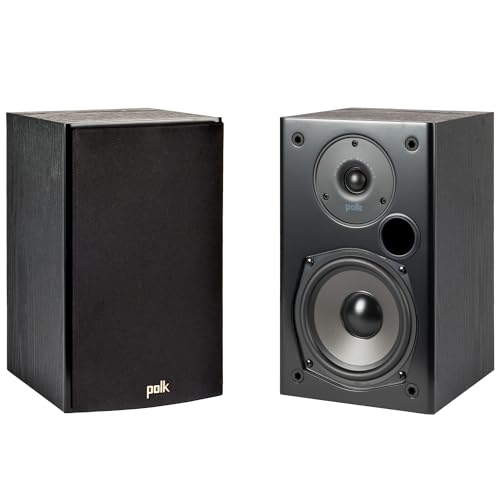
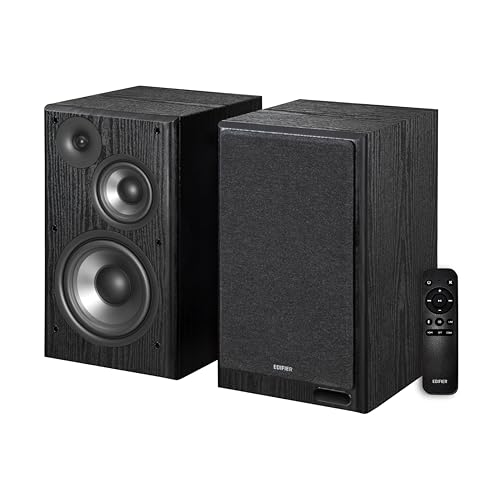
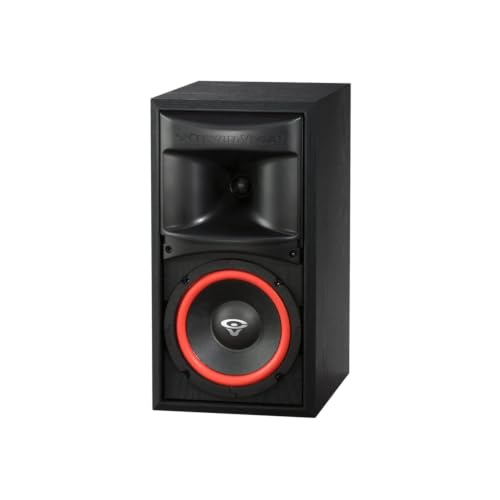
A bookshelf pair suits a bedroom, study, or small living room. A 5 to 6.5 inch woofer gives tight, musical bass down to roughly 50 Hz when placed well. Pair them with a subwoofer if you want the deepest notes for film.
Floor Standing Speakers
Towers carry larger woofers in taller cabinets, so they reach lower and play louder without strain. They need floor space and some distance from walls, and they suit medium and large rooms.
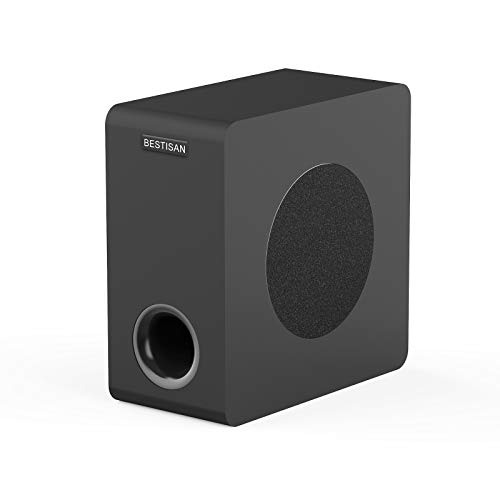
Powered Subwoofers
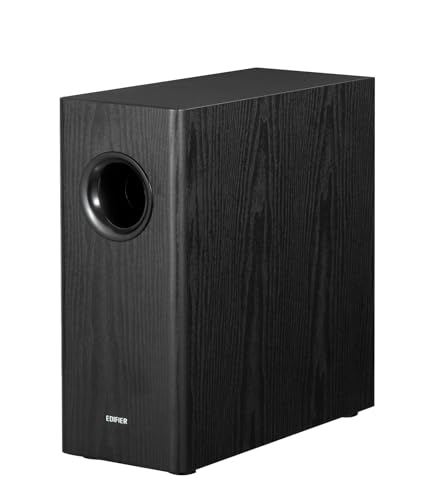
A subwoofer adds the lowest octave on its own and lets you set bass level separately from the main speakers. An 8 to 12 inch model fills most rooms. A separate box also makes it easier to fix boomy corners, because you can move it without moving your main speakers.
Powered Speaker Systems
Active speakers have the amplifier built in, so you only need a source such as a phone, TV, or turntable. They are the simplest route to full sound in a small space.
Key Features to Compare in Bass Speakers for Home
Driver Size and Cabinet Design
Larger drivers move more air, but a ported cabinet or a well tuned sealed box matters just as much. Sealed designs sound tighter, while ported ones reach lower with the same driver. Look for a stated frequency response, and treat the low figure as a guide to depth.
Amplifier Power and Sensitivity
Passive speakers need an amp or receiver. Check the speaker's impedance (usually 4 to 8 ohms) and sensitivity, because a low sensitivity speaker needs more power for the same volume. Powered models skip this matching, which helps first time buyers.
Connections
List the sources you use: TV, turntable, streamer, game console, phone. Look for optical, RCA, HDMI ARC, or Bluetooth inputs as needed. A subwoofer output or a line input on the speaker lets you add bass later.
Size and Finish
Measure the shelf or floor space and check depth, since ported speakers need room behind them. Wood grain and fabric grilles blend with furniture, while gloss finishes show dust and prints.
Placement and Tuning for Better Bass
Placement changes bass more than most upgrades. Keep speakers a few inches from the wall behind them, and avoid pushing them into corners unless you want extra boom. If you add a subwoofer, try it near the front wall first, then walk the room while a bass heavy track plays and move it to the spot where notes sound even.
- Place speakers at ear height, angled slightly toward your seat.
- Set the subwoofer crossover near 80 Hz as a starting point.
- Lower bass level a little if voices sound thick.
- Use a rug or isolation pad to reduce floor vibration.
Which Type Fits Which Room?
In a small room under about 150 square feet, a bookshelf pair or a powered system is usually enough, and a large subwoofer will overwhelm the space. In a medium living room, towers or a bookshelf pair plus an 8 inch subwoofer give the best balance. In a large open room, towers with a 10 or 12 inch subwoofer keep bass even across the seats. If you also want wireless streaming around the house, see our guide to the best wireless speakers for home, and for general listening setups, the guide to the best home speakers.
Think about your neighbors as well. Strong low notes pass through floors and walls more easily than voices, so a flat or townhouse may call for a smaller subwoofer, a lower bass level after evening hours, and an isolation pad under the cabinet.
Budget Tiers
Under about $100, compact powered pairs and small subwoofers give a clear step up from TV or laptop speakers. Between $150 and $500, you find well reviewed bookshelf pairs, 8 to 12 inch subwoofers, and powered systems with better cabinets. Above $500, gains come from finer tuning, sturdier cabinets, and lower distortion at high volume. Spend more only if your room is large or you listen loudly.
Common Mistakes to Avoid
- Buying on watt claims alone, when sensitivity and cabinet design matter as much.
- Pushing speakers against walls and then blaming the speaker for boomy sound.
- Adding a subwoofer that is too large for a small room.
- Forgetting the amp when buying passive speakers.
- Skipping the return policy check before ordering a heavy item.
Care and Maintenance
Dust grilles with a soft brush and wipe cabinets with a dry cloth. Keep speakers away from direct sun, radiators, and damp walls, and do not leave drinks on top. Check speaker cable connections now and then, and turn the volume down before you plug or unplug cables.
Bass Speakers for Home: Your Questions Answered
Do I need a subwoofer for good bass?
Not always. Towers give satisfying bass for music in a medium room, while bookshelf pairs benefit from a subwoofer for films and bass heavy tracks. Try your speakers alone first, then add a subwoofer if the lowest notes are missing.
Why does bass sound boomy in my room?
Boomy bass usually comes from corner placement or room resonance. Move speakers away from walls, try other subwoofer spots, and lower the bass level. Rugs and soft furniture also help.
How much power do I need?
That depends on room size, speaker sensitivity, and volume. A small room needs modest power. Leave headroom for bass peaks, because an amp that clips can damage speakers.
Can small speakers give good bass?
Yes, in a small room. They cannot move as much air as large speakers, but a bookshelf pair with a subwoofer can sound full and clean in a bedroom or study.
Are wireless speakers good for bass?
Many are, especially powered models with built in amps and a dedicated woofer. Check for wired inputs if you want to connect a turntable or console.
Final Thoughts
Choose by room size first, then pick the type that fits your sources and budget. Compare the models in the product table, check connections and size, and plan on a little time to tune placement. With those steps done, the best bass speakers for home will be the ones that give you full, controlled low notes without taking over the room.