Best Bass and Treble Settings for Speakers for 2026
Disclosure: We may earn a commission when you buy through links on this page, at no extra cost to you. As an Amazon Associate I earn from qualifying purchases. Learn more
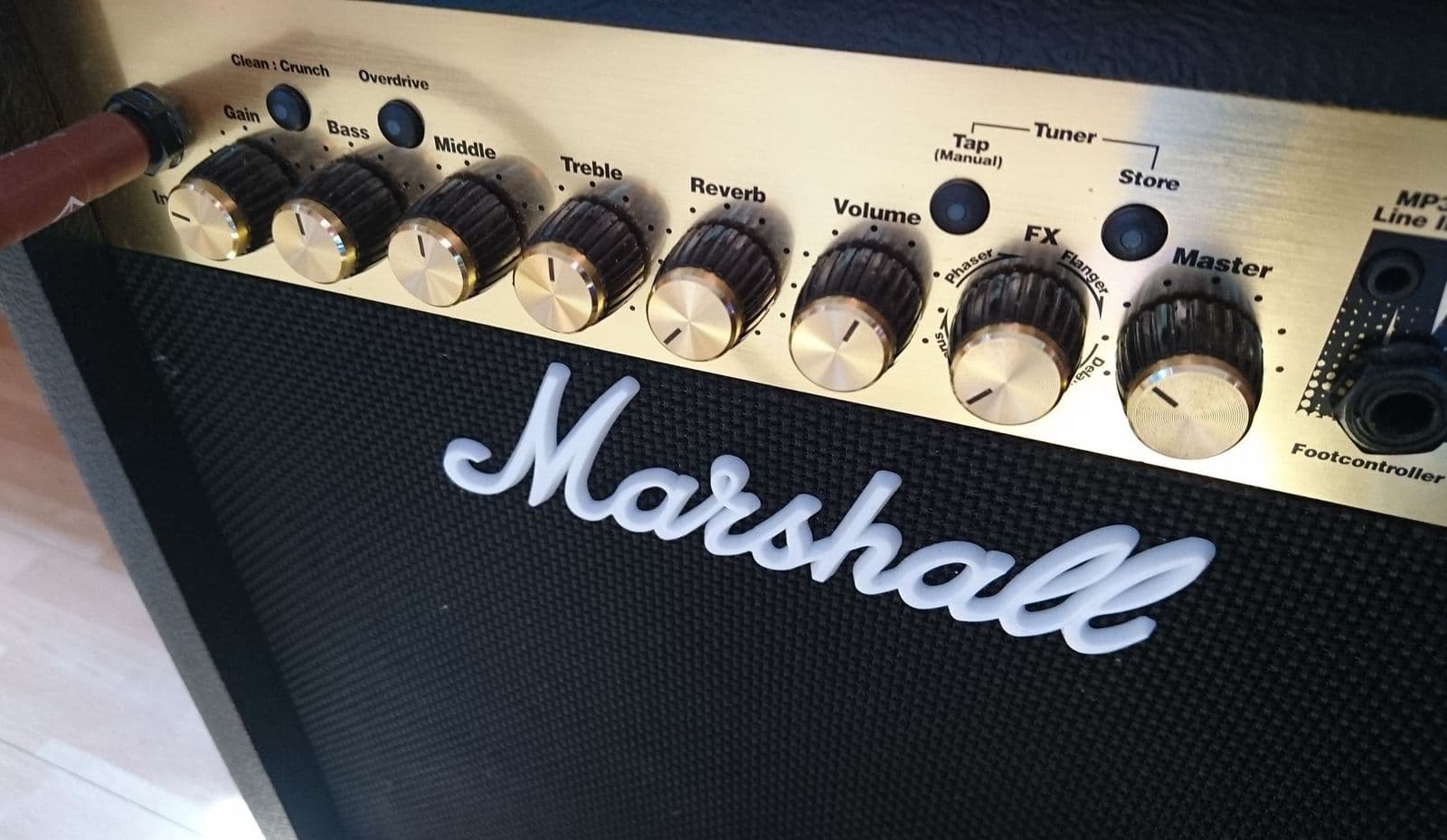
The best bass and treble settings for speakers start neutral, then adjust by room, volume, and use for clear speech and balanced music.
There is no single setting that sounds best for every room, every type of audio, and every listener, so best bass and treble settings for speakers is really a question about matching sound to use. Bass controls low sounds like drums and deep voices, while treble controls high sounds like cymbals, consonants, and fine detail. When bass is too high, speech can sound muddy, and when treble is too high, music can sound sharp or tiring. This guide explains what each control does, how to tune by use case, and how to avoid common mistakes.
Start with a neutral setting, then make small changes and listen to familiar audio before you judge. Your room, speaker placement, and volume all change how bass and treble sound, so a setting that works in a small bedroom may sound very different in a large living room. Keep notes on what you try, and return to neutral if a change makes speech harder to follow or music harder to enjoy. The goal is clear, balanced sound at a comfortable volume, not the loudest bass or the brightest treble you can get.
Best Bass and Treble Settings for Speakers by Use Case
Different listeners need different balance. The groups below are defined by how you actually use speakers. Find the group closest to your daily use, then use its starting point as a base for fine tuning.
For Remote Workers and Creators
Remote workers and creators need speech clarity above all. Keep bass near neutral or slightly below, and raise treble only a small amount so consonants stay crisp without hiss. If you edit video or record voice, use a flat starting point and check your work on a second listening device, because a boosted setting can hide problems. Place speakers at ear height and away from walls when possible, since wall placement can boost bass and blur speech.
For deeper low end options, see our guide to best bass speakers.
For Students and Everyday Users
Students and everyday users usually want a pleasant, easy listening balance for music, videos, and calls. A slight bass lift can add warmth to music without overwhelming speech, while a modest treble setting keeps detail clear. Avoid extreme boosts, because they make long listening sessions tiring and can mask quiet dialogue. If you move speakers between a desk and a larger room, note two settings, one for close listening and one for room filling sound.
For brighter detail focused designs, see our guide to best treble speakers.
For Gamers and Power Users
Gamers and power users often want impact for effects and clear cues for footsteps and dialogue. A moderate bass lift adds weight to explosions and music, but too much bass can cover the midrange sounds that carry speech and game cues. Keep treble clear but not sharp, so long sessions stay comfortable. If your system has a game or movie preset, use it as a starting point, then adjust bass and treble by small steps rather than jumping to maximum values.
For a wider view of control options, see our guide to best settings for speakers.
| Use Case | Bass Starting Point | Treble Starting Point |
|---|---|---|
| Speech and calls | Neutral or slightly low | Slightly high |
| Music and movies | Slightly high | Neutral |
| Games | Moderate lift | Neutral to slightly high |
What Shapes How Bass and Treble Sound
The same control position can sound very different depending on your room, your source, and your speaker. The factors below explain why, so you can tune with confidence.
Sources and Volume Level
Different sources send audio at different levels and quality. If one source sounds dull and another sounds bright on the same settings, check source volume and any app level equalizer before you blame the speaker. A wired connection often gives a steady signal, while a wireless connection may vary with distance and interference. Switch sources cleanly so a leftover setting from one device does not confuse your tuning.
For wireless low end designs, see our guide to best bass wireless speakers.
Balance Across the Sound Range
Good balance means bass feels full without booming, treble adds detail without harshness, and the middle range carries voices and most instruments clearly. Driver size and cabinet design shape the natural sound, but bass and treble controls let you correct for room and placement. Small steps work best: change one control by a small amount, listen to a familiar track, and then decide.
If you change both controls at once, you will not know which change helped or hurt.
Room, Placement, and Presets
Presets for music, movies, or speech can be a good starting point, but they are tuned for an average room, not yours. Small rooms often need less bass, because walls reinforce low sounds, while large rooms may need a bit more bass to fill the space. A speaker in a corner usually sounds bassier than the same speaker on an open stand.
Portable Speakers and Outdoor Listening
Open air loses bass quickly, so a modest bass lift often helps outside. Heavy bass use also drains a portable speaker faster, so start with a balanced setting rather than maximum bass to keep both volume and runtime. Keep volume moderate to protect your hearing during long sessions.
For portable low end options, see our guide to best portable speakers with bass.
Common Mistakes to Avoid When Setting Bass and Treble
- Boosting bass and treble to maximum, which creates boomy lows, harsh highs, and tiring sound.
- Judging settings at one volume only, because balance changes when volume goes up or down.
- Ignoring room and placement, since corners, walls, and shelves change bass far more than a small control change.
- Copying a preset without listening, because presets are made for an average room, not your room.
- Changing both controls at once, which makes it impossible to tell which change improved the sound.
How to Keep Your Settings Working Well
A good setting lasts when the speaker itself stays in good shape. Keep speakers in a dry place, away from direct sun and extreme heat, and wipe dust from grilles with a dry cloth. Avoid pushing volume to distortion for long periods, because distortion stresses drivers and makes even a good setting sound harsh.
Revisit your setting when you move speakers to a new room or change your main source. A setting tuned for a desk will rarely suit a living room, and a setting tuned for music may not suit late night speech. Write down settings that work for each use, so you can return to them quickly. Check cables and connections now and then, because a loose connection can sound like a tuning problem when it is really a hardware problem.
FAQs
Should bass and treble both be set to zero?
Zero, or the middle position, is a good neutral starting point on most speakers. From there, move one control a small step at a time while you listen to familiar audio. Many people settle slightly above or below neutral depending on the room and the speaker.
Why does my music sound muddy?
Muddy sound usually means too much bass for the room or placement. Lower the bass a step or two, move the speaker away from walls and corners, and listen again. If speech is still hard to follow, raise treble only slightly.
Why does my music sound harsh or tiring?
Harsh sound usually points to too much treble or volume that is too high. Lower treble in small steps and check that the source is not boosting highs through its own equalizer. Sound often feels smoother at a lower volume.
What settings work best for speech and podcasts?
Keep bass neutral or slightly low and give treble a small lift so consonants stay clear. Too much bass makes voices sound boomy and harder to understand. Check the result at the volume you normally use.
Do I need different settings for movies and music?
Often yes. Movies benefit from a bit more bass for effects while dialogue still needs clear treble, and music usually sounds best with a gentler balance. If your system allows it, note one setting for each.
Do the same settings work in every room?
No. Room size, walls, furniture, and speaker placement all change how bass and treble sound. Recheck your settings whenever you move the speakers.
The Bottom Line
The best approach is to start neutral, tune by use case, and make small changes based on familiar audio. Keep bass controlled for speech, add warmth for music, and keep treble clear without harshness. Remember that room, placement, and volume shape sound as much as the controls themselves, so recheck your setting when any of those change.
For most listeners, a balanced setting with a slight bass lift for music and a slight treble lift for speech covers daily use well. Avoid maximum boosts, protect your hearing with moderate volume, and save settings that work for each room and use. With that habit, best bass and treble settings for speakers stops being a mystery preset and becomes a simple, repeatable way to get clear, comfortable sound every day.