Best Basic Cameras: Every Type Explained Side by Side for 2026
Disclosure: We may earn a commission when you buy through links on this page, at no extra cost to you. As an Amazon Associate I earn from qualifying purchases. Learn more

Compare the best basic cameras by type, with clear pros and cons, typical prices, and the key specs that matter, so you can choose the right style fast.
Choosing your first camera gets confusing fast, because the word camera covers pocket models, long zoom bridge models, and simple mirrorless bodies that all work in different ways. This guide compares the best basic cameras type by type, so you can see what each style does well, where it falls short, and what it usually costs before you spend anything.
You will not find product reviews here. Instead, you get clear buying guidance on zoom, sensor size, autofocus, and ease of use, plus the comparison table below, which lines the main types up side by side. By the end, you should know which type fits your budget, your subjects, and the way you like to shoot.
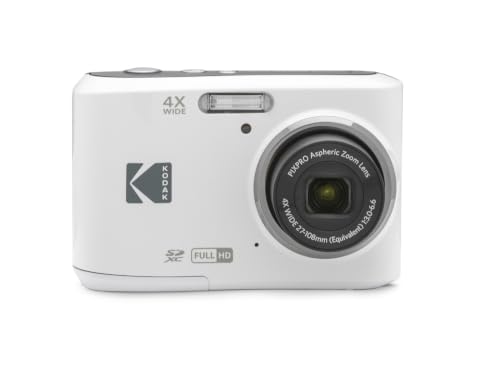
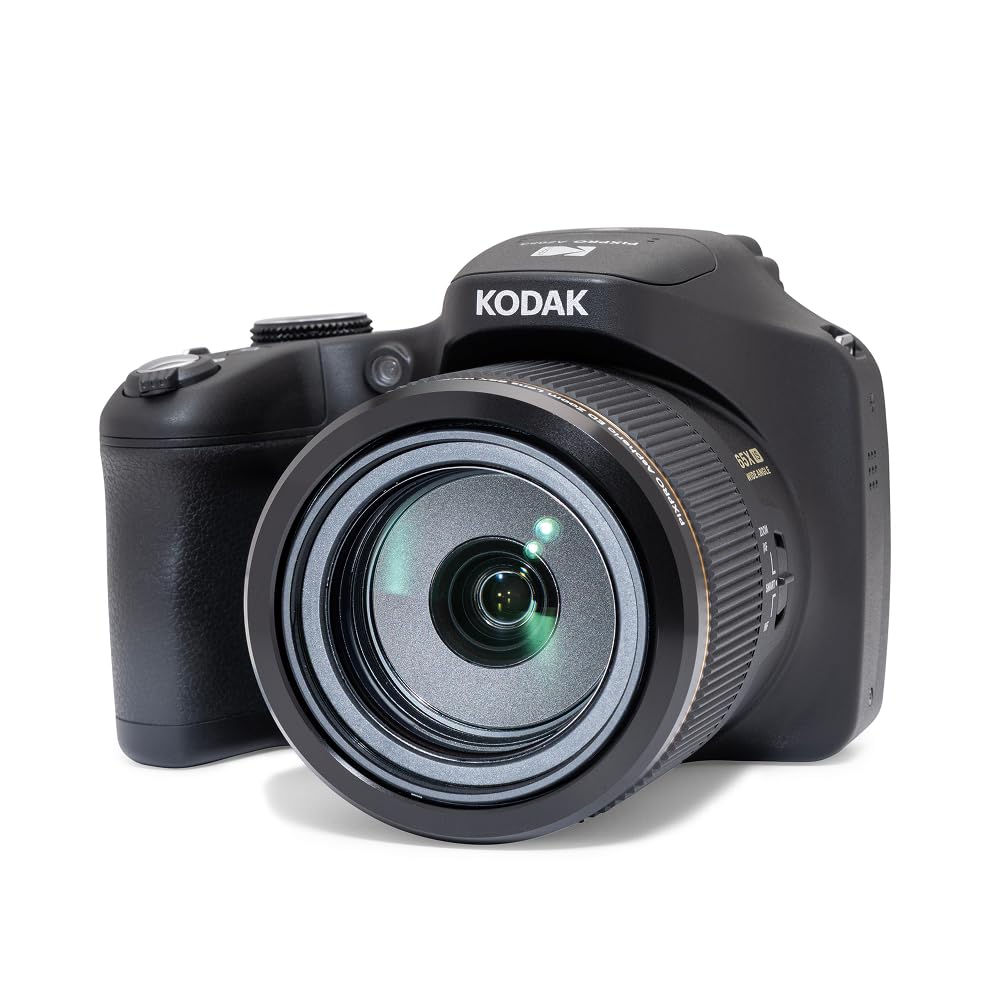

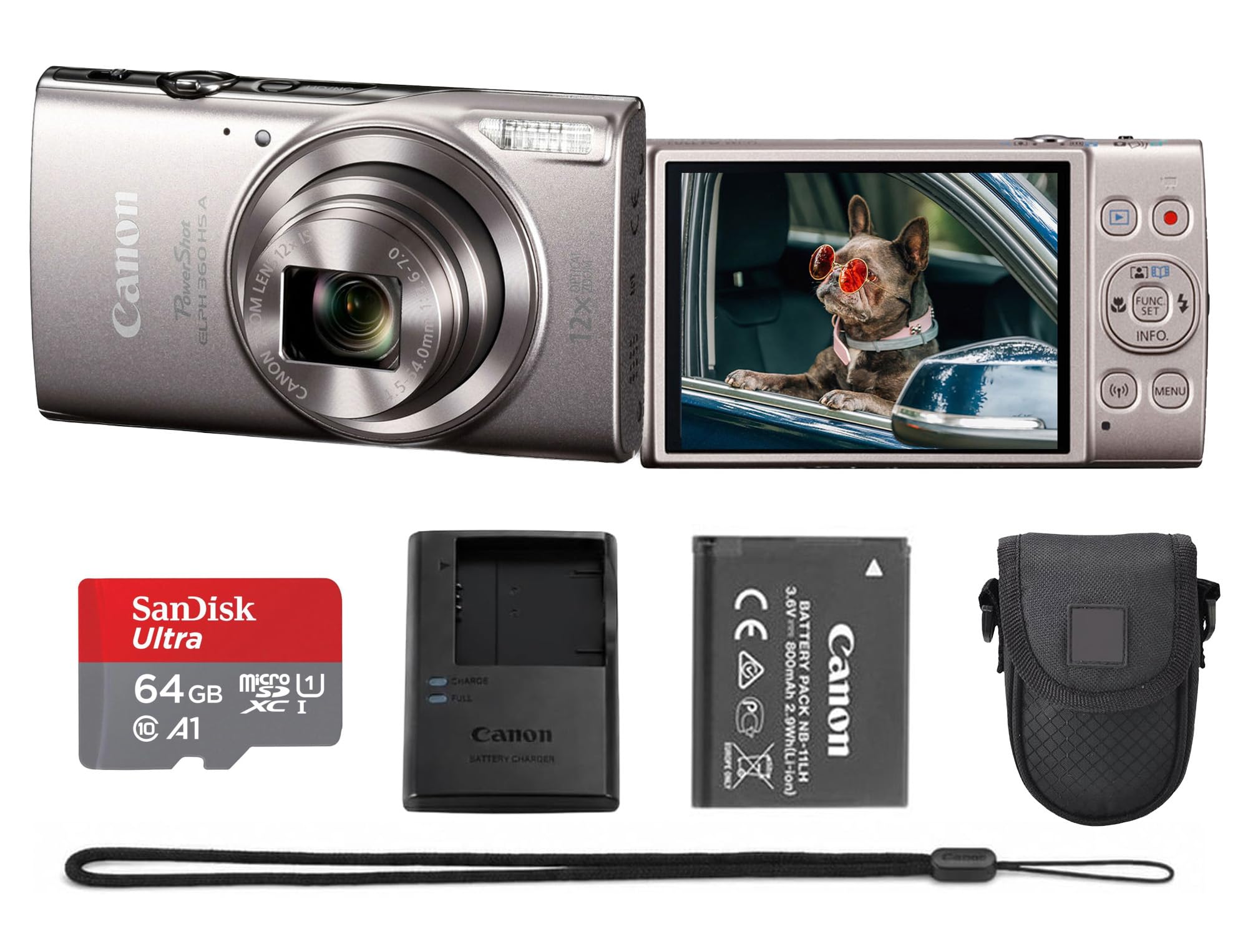


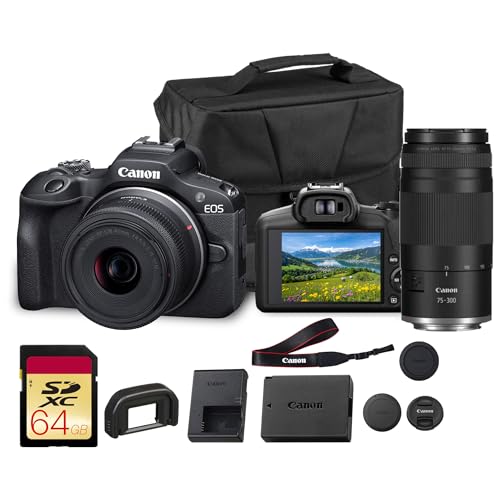


Types of Basic Cameras Compared
Basic cameras fall into a few clear families, and the family matters more than any single spec. A camera that slips into a jacket pocket behaves nothing like one built around a long zoom lens, and neither works like a mirrorless body with changeable lenses. Instant cameras form a small fourth family built for fun prints rather than top image quality. Start with the type that matches your daily life, then compare models inside that family using the product table above. If you want the broader market picture first, read our guide to the best digital cameras for the full range of styles on sale.
Point and Shoot Compact Cameras
Point and shoot compacts are the classic pocket cameras. The lens is fixed to the body and cannot be changed, the controls stay simple, and a fully automatic mode handles focus, exposure, and flash for you. Most offer optical zoom of about 3x to 10x, which covers portraits, group shots, and everyday scenes without any fuss.
Choose this type if you want a small camera that is ready the moment you switch it on and you rarely print large photos. The trade off is a small sensor, so image quality drops in dim rooms, and you cannot swap lenses later as your skills grow. Prices usually start under $200, which keeps this type friendly for casual family use.
Superzoom Bridge Cameras
Bridge cameras look like small versions of professional models, with a chunky grip, an electronic viewfinder, and one fixed lens with a very long reach. Optical zoom of 30x, 40x, or more pulls distant subjects close, which is why magnification numbers headline their boxes. That reach suits sports fields, birds in the garden, and school concerts watched from the back rows.
The cost of that reach is size and low light limits. Bridge cameras are too big for a pocket, and their small sensors struggle after sunset. Pick one when zoom matters more than portability and you want manual controls to learn on, without the expense of buying separate lenses.
Entry Level Mirrorless Cameras
Mirrorless cameras use larger sensors and let you change lenses, so the same body can shoot wide landscapes one day and tight portraits the next with a different lens fitted. Entry level models keep guided menus and strong automatic modes, so they stay approachable while giving you room to grow into manual settings.
This type costs the most of the three, often about $400 to $700 with a starter lens, and the body plus spare lenses take more bag space. Choose mirrorless if you plan to keep learning, want the cleanest images in dim light, and like the idea of adding lenses later instead of replacing the whole camera.
Point and Shoot or Mirrorless: Which Basic Camera Should You Choose?
Size is the clearest divide. A compact disappears into a coat pocket and comes out for quick snapshots, while a mirrorless body with its starter lens needs a small bag. If a camera feels like a chore to carry, it stays home, and the best camera is always the one you actually bring along.
Image quality and control pull the other way. The larger sensor in a mirrorless camera holds detail in dim light and lets backgrounds blur softly behind portraits, and the manual controls reward practice. Compacts win on price and simplicity. If you hope to grow into a serious hobby, see our guide to the best cameras for photography to understand where the mirrorless path can lead.
How to Choose the Right Basic Camera
Once the type feels right, compare models on the five factors below. These are the specs that change your photos day to day, far more than headline megapixels or long feature lists on the box.
Lens and Optical Zoom Range
Optical zoom uses real glass movement to bring subjects closer, so detail stays sharp at every step. Digital zoom only crops the image, which softens it, so judge a camera by its optical figure alone. A 3x to 10x range covers most family and travel scenes, while bridge models stretch to 40x and beyond for distant action. The wide end matters too: a lens that starts around 24 mm in equivalent terms fits whole rooms and group photos without backing you into a wall.
Low Light Performance
Dim restaurants, evening games, and candlelit birthdays test every basic camera. A larger sensor and a lens with a low f number gather more light, so the camera can keep its ISO sensitivity lower and avoid the grainy, smeared look that heavy noise reduction leaves behind. Stabilization also helps here, because it lets the camera use slower shutter speeds without blur from your hands. If you shoot indoors often, weight this factor heavily.
Sensor Size and Image Quality
Sensor size is the quiet spec behind image quality. Common steps run from the small sensors in compacts, through 1 inch sensors in premium compacts, up to APS C and full frame sensors in mirrorless bodies. Bigger sensors collect more light with each pixel, which means cleaner files, richer color, and more freedom to crop later. Megapixels matter less than makers suggest, since 20 megapixels on a large sensor will usually beat 24 megapixels squeezed onto a tiny one. Readers who put file quality first can also explore our guide to the best quality cameras for the step up options.
Autofocus and Image Stabilization
Autofocus decides whether the camera locks onto your subject or hunts while the moment passes. Look for face detection and eye autofocus if you photograph children or pets, since sharp eyes make portraits feel alive. Tracking modes help with moving subjects at games and recitals.
Image stabilization, whether built into the lens or the body, steadies handheld shots and smooths casual video, and it matters most at long zoom settings where small hand movements grow large. Many models now record 4K video as well, which gives crisp clips and room to crop when you edit.
Ease of Use for Your Skill Level
A basic camera should help you, not quiz you. Full auto and scene modes handle holidays and school events with no setup at all, while guided menus explain settings in plain words as you explore. WiFi transfer to your phone matters more than most specs, because photos you can share within a minute are photos you actually enjoy. If a store demo menu feels confusing in the first minute, that model will frustrate you at home too.
Choosing a Basic Camera for Your Situation
Your main subject should settle most arguments. Travelers who walk all day usually favor a compact that never weighs down a bag, while parents filming recitals from the back row get more from a bridge camera and its long reach. Think about where the camera will live between outings.
Best Basic Cameras under 300
Spending under $300 still buys a capable camera if you pick the right type. This budget suits point and shoot compacts and older bridge models, and it rewards patience with seasonal sales. Prioritize optical zoom and a decent sensor over long feature lists, and keep a little money aside for a memory card and a case. Mirrorless bodies with a lens usually start above this line, so treat them as a stretch goal rather than the plan.
Not every camera job belongs to a handheld camera. If your goal is watching a doorway, a driveway, or a nursery around the clock, that is a different product family entirely, so see our guide to the best basic security cameras for fixed home monitoring instead.
Setup and Care Tips for Your Basic Camera
Before the first outing, charge the battery fully, set the date and time so your files sort correctly, and take a dozen practice shots around the house to learn where the zoom control and flash settings live. A few small habits then keep the camera working well for years.
- Wipe the lens with a soft lens cloth rather than your shirt, since shirt fabric can drag grit across the glass and leave fine scratches.
- Carry a spare charged battery, because small cameras often give little warning before the battery runs flat in the middle of an outing.
- Store the camera in a dry, padded bag away from bathroom steam and car heat, which can fog the lens and shorten battery life.
- Copy your photos to a computer, then format the memory card inside the camera, so the card starts each outing clean and error free.
- Keep the cap or cover on the lens while the camera rides in a bag, so keys and coins cannot mark the front glass.
Basic Cameras: Your Questions Answered
Which basic camera type works best in low light?
An entry level mirrorless camera works best in low light, because its larger sensor gathers more light than the small sensors in compacts and bridge models. The built in flash on any basic camera only helps within about 10 to 15 feet, so for parties and evening events, stand closer to your subject instead of zooming from across the room. A small table tripod also helps, since it holds the camera still for slower shutter speeds without blur.
What specs matter most when buying a first basic camera?
Optical zoom, sensor size, and autofocus speed matter most, in that order for most beginners. Two smaller details deserve a look as well. Screen brightness matters if you shoot outdoors at midday, because a dim screen washes out in sunlight and makes framing guesswork. Shutter lag, the pause between pressing the button and the photo being taken, matters with toddlers and pets, so favor models that feel instant when you try them.
How much optical zoom does a basic camera really need?
Most people need less zoom than they expect, and about 5x to 10x covers portraits, pets, and travel scenes comfortably. Very long zoom only earns its keep for wildlife, sports from the stands, and concerts. Remember that shake grows with zoom, so at long settings rest the camera on a railing or wall where you can. A shorter, brighter lens often produces better everyday photos than a huge zoom range.
How much should you spend on your first basic camera?
Around $200 to $400 buys a genuinely capable first camera for most people, with compacts at the low end and bridge models above them. Buying the outgoing model when a replacement launches is a smart way to stretch that budget, since image quality changes slowly between generations. Whatever you spend, include a memory card, a case, and a spare battery in the total, because those extras are not optional in practice.
Is a smartphone enough instead of a basic camera?
A smartphone is enough for casual snapshots in good light, and its sharing speed is hard to beat. A dedicated camera pulls ahead with real optical zoom, a grip you can hold steady, physical controls, and far better results in dim rooms. If you would rather upgrade the phone in your pocket, see our guide to the best basic cell phones with camera for models with capable cameras built in.
The Bottom Line
Start with the type, then judge zoom, sensor size, and ease of use inside that family, and let the product table above settle close calls between models. The best basic cameras are simply the ones that match your subjects, your budget, and your patience for learning, so pick the style you will carry often and enjoy it from the first weekend.