
Best Barefoot Trail Running Shoes 2026: Safe Start Guide
Disclosure: We may earn a commission when you buy through links on this page, at no extra cost to you. As an Amazon Associate I earn from qualifying purchases. Learn more

Learn how ground feel, grip and rock protection shape the best barefoot trail running shoes, and how to start on trails safely.
Shopping for best barefoot trail running shoes means choosing how much ground feel you want against how much protection your feet need on rough trails. Barefoot style shoes use thin, flexible soles and wide toe boxes, letting feet move and sense the ground more naturally than heavily cushioned shoes. That freedom appeals to many trail runners, but it also demands stronger feet and a careful transition. The comparison table below shows the main types side by side.
Start honestly about your current feet and trails. If you run mostly on smooth paths in cushioned shoes, jumping straight to thin soles on rocky trails invites soreness and injury. A gradual shift, with short runs and easier terrain first, lets feet, ankles, and calves adapt. Think of barefoot trail shoes as a training choice that rewards patience, not a shortcut to natural running.


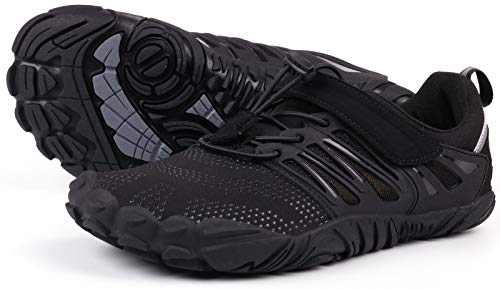


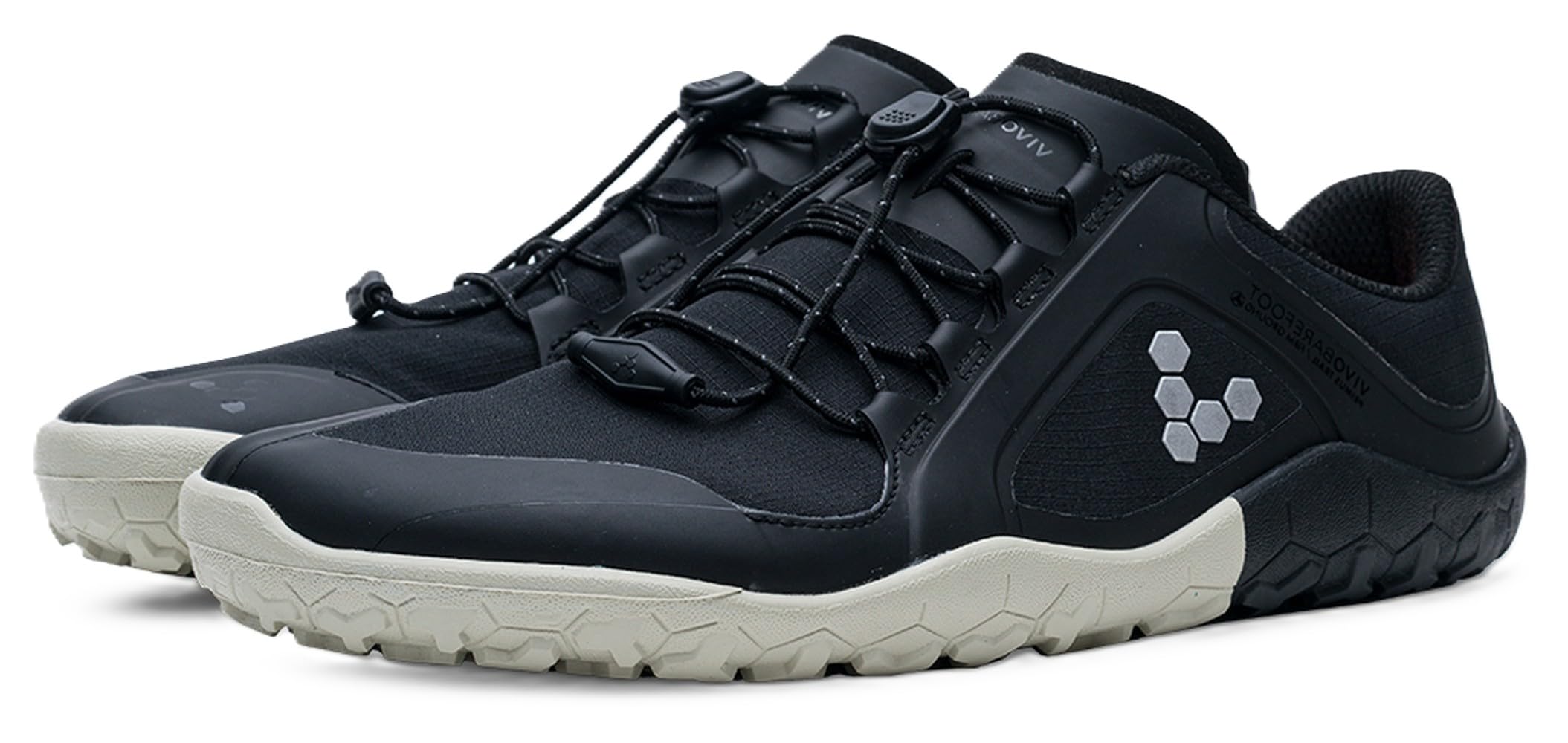
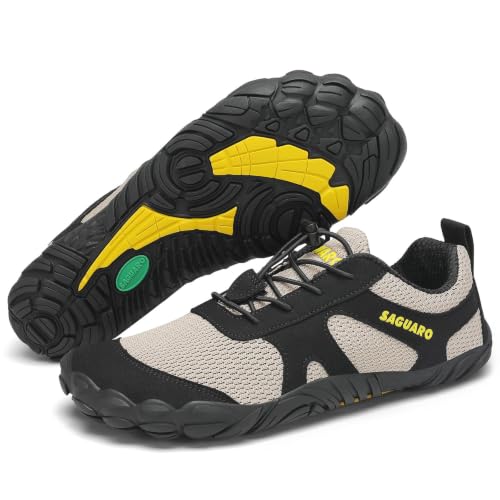
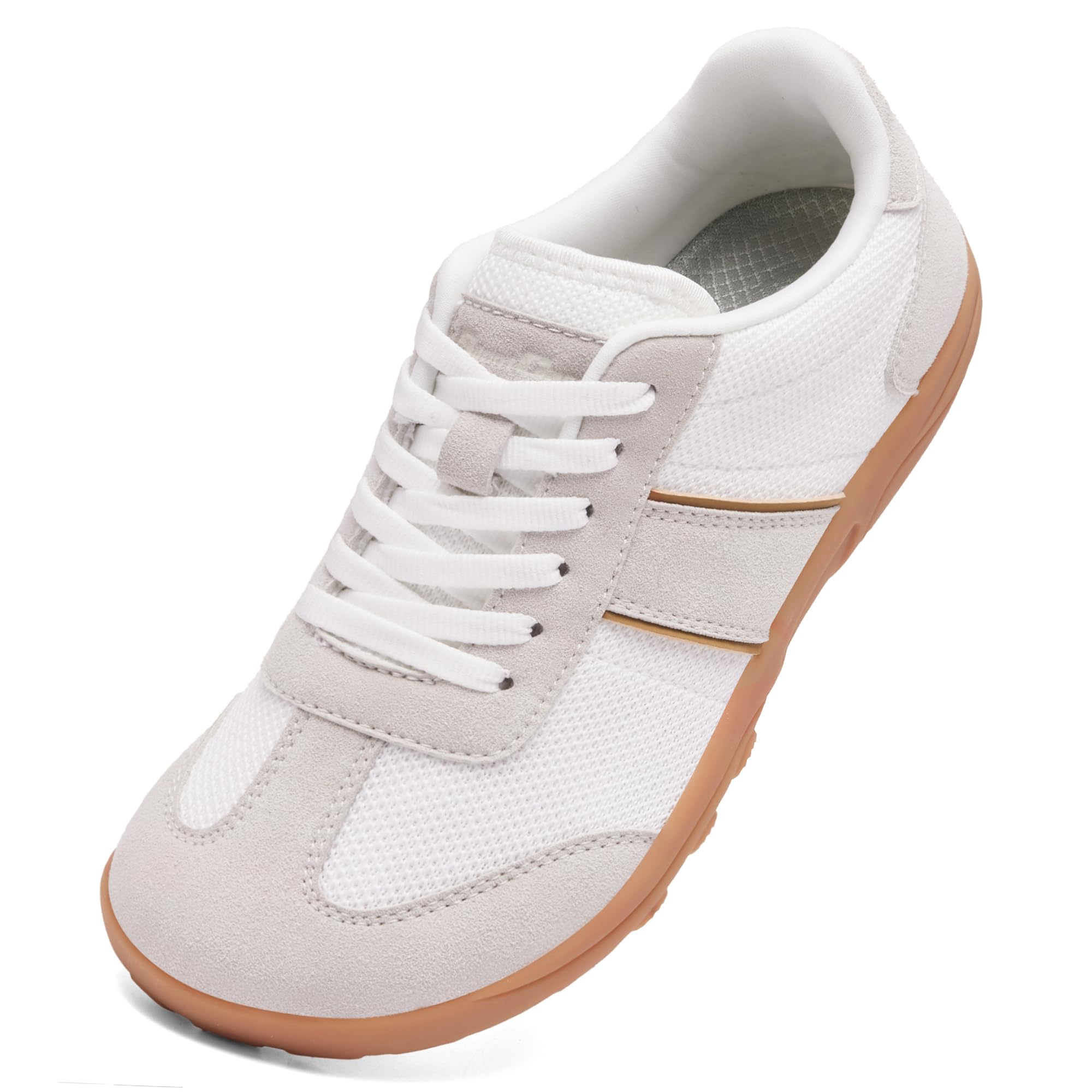

Barefoot Trail Shoes 101
Barefoot trail shoes share a few traits. Soles are thin, usually only a few millimetres plus lugs, and they flex easily in every direction. The heel sits level with the forefoot, which encourages a midfoot or forefoot landing rather than a heavy heel strike. Toe boxes are wide, letting toes spread for balance on uneven ground.
Uppers are light and breathable, with gaiter attachments on some models to keep out grit.
Trail versions add grip and protection that road barefoot shoes lack. Lugs grip mud, loose gravel, and wet rock, while a thin rock plate or dense midsole layer guards against sharp stones without adding much stiffness. Toe bumpers protect against roots and rocks. The balance between feel and protection is the key choice: more protection dulls ground feel, while less protection leaves feet exposed on technical terrain.
Key Features Explained
Sole Thickness and Flex
Thinner soles give more ground feel and feedback, which helps balance and foot strength on trails. Thicker soles in the barefoot range add protection and comfort on long rocky runs, at some cost to feel. Flex matters too: a shoe that bends and twists easily lets the foot adapt to roots and camber, while a stiff shoe fights the terrain. Test flex by bending and twisting the shoe in your hands before buying.
Grip and Traction
Lug depth and pattern decide grip on mud, wet rock, and loose gravel. Deeper, spaced lugs shed mud better, while shallower, denser lugs grip hard rock and dry trails more evenly. Rubber compound matters as well, with softer compounds gripping wet surfaces better but wearing faster. Match lugs to your usual trails: muddy forest paths need deeper lugs than dry, hard packed tracks.
Fit, Toe Box, and Protection
Fit should allow toes to spread fully without sliding inside the shoe on descents. A secure midfoot and heel hold prevent blisters, while a roomy forefoot protects toenails on long downhills. Toe bumpers and rock plates add safety on technical trails, and gaiter attachments help on sandy or gritty routes. Try shoes with the socks you run in, and walk downhill in the shop to check for toe jamming.
Who Should Buy Which Type
Road runners moving to trails should start with a more protective barefoot trail shoe, with thicker soles and rock protection, on easier trails. Experienced minimal runners may prefer thinner soles for maximum feel on familiar routes. Trail racers often choose light, grippy models for speed, accepting less protection for a shorter event.
Transition and Safety
Transition slowly, because feet and calves need weeks to adapt to thin soles and level heels. Start with short runs on smooth trails, alternate with your usual shoes, and increase barefoot mileage gradually. Soreness in calves and arches is common early on, but sharp pain, swelling, or pain that changes your stride deserves rest and clinician advice. Do not push through pain to hit a mileage target.
Watch the warning signs that mean stop and assess: persistent Achilles soreness, stress type foot pain, numb toes, or blisters that keep returning in the same spot. Those signs may mean too much mileage too soon, a poor fit, or a foot issue that needs professional input. Barefoot running should strengthen feet over time, not leave them repeatedly injured. Patience and honest feedback from your body matter more than any shoe feature.
Care and Everyday Use
Clean trail shoes after muddy runs by rinsing off grit and letting them air dry away from direct heat. Remove insoles if fitted, and check lugs for wear, since worn lugs lose grip on wet surfaces first. Rotate shoes when possible, especially during transition, so feet are not always in the same thin sole.
Keep a log of mileage and terrain during transition, noting soreness and shoe feel. That record helps you spot patterns, such as pain after rocky runs but not after smooth ones, and adjust terrain or mileage accordingly. With gradual progress, many runners find barefoot trail shoes improve foot strength, balance, and trail awareness over a season.
Related Guides
For nearby choices, see best running shoes, best barefoot running shoes, best barefoot trail shoes, best men's trail running shoes and best looking trail running shoes.
Frequently Asked Questions
How thin should a barefoot trail sole be?
Thinness is a trade off between feel and protection. Very thin soles give the most ground feedback but leave feet exposed on rocky trails. Slightly thicker barefoot trail soles add rock protection while keeping flexibility. Beginners should start more protective and move thinner only as feet strengthen.
Match sole thickness to your trails: rocky routes need more protection than smooth forest paths.
How long does transition take?
Transition usually takes several weeks to a few months, depending on your starting point and mileage. Start with short, easy runs mixed with your usual shoes, and increase barefoot time gradually. Calf and arch soreness is common early on, but sharp or persistent pain means you should rest and reassess. There is no fixed schedule that suits everyone, so let comfort and recovery guide progress rather than a calendar.
Are barefoot trail shoes safe for long runs?
Long runs in barefoot trail shoes suit adapted runners with strong feet and good form, but they demand more from feet than cushioned shoes. Build distance gradually, choose protective models for rocky ultras, and watch for fatigue related form changes late in a run. If form breaks down and feet start slapping or dragging, shorten the run and build strength first. Safety comes from adaptation, not from the shoe alone.
What socks work best with barefoot shoes?
Thin, snug socks that wick moisture suit most barefoot trail shoes, since thick socks reduce ground feel. Toe socks can reduce friction between toes on long runs. Try shoes with your usual running socks, and test downhill fit carefully, since loose socks bunch and cause blisters. On sandy trails, a gaiter attachment keeps grit out better than any sock choice alone.
When should I stop and see a clinician?
Stop and seek clinician advice for sharp foot or Achilles pain, swelling that does not settle with rest, numbness, or pain that changes how you walk or run. Persistent calf pain, stress type foot pain, and recurring blisters in the same spot also deserve professional input. Early advice prevents small issues from becoming long layoffs, and a clinician can check whether barefoot running suits your feet and history.
Final Thoughts
Barefoot trail running rewards patience, good fit, and terrain matched protection. The product table above compares the main types, and the sections here explain how feel, grip, and safety interact on real trails. Transition slowly, listen to warning signs, and choose protection that matches your routes.
With that care, best barefoot trail running shoes can strengthen feet, sharpen balance, and make trail running feel more connected to the ground. Start easy, build gradually, and enjoy the trails at a pace your feet can sustain.


