
Best Barefoot Running Shoes 2026: Fit and Transition Guide
Disclosure: We may earn a commission when you buy through links on this page, at no extra cost to you. As an Amazon Associate I earn from qualifying purchases. Learn more

Learn how zero drop soles and wide toe boxes work in the best barefoot running shoes, and how to build mileage safely.
The best barefoot running shoes give you a wide toe box, a thin flexible sole and little or no heel lift, so your feet land and push off the way they would without shoes. They ask your calves, Achilles tendons and foot muscles to do work that cushioning used to do, which makes the transition as important as the shoe itself.
This guide explains who these shoes suit, the types you will see in the product table, the features worth comparing and a step by step way to build mileage without injury.


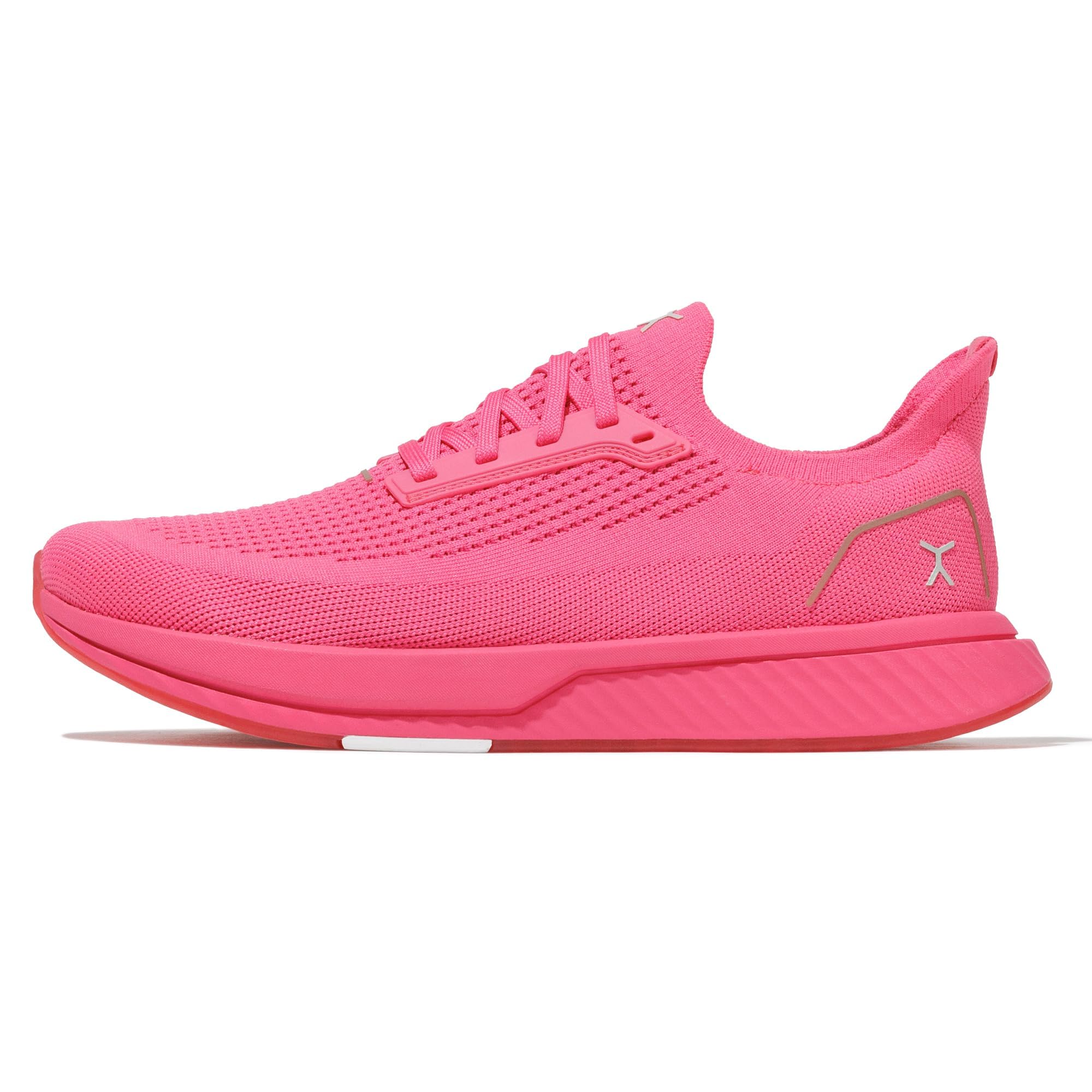


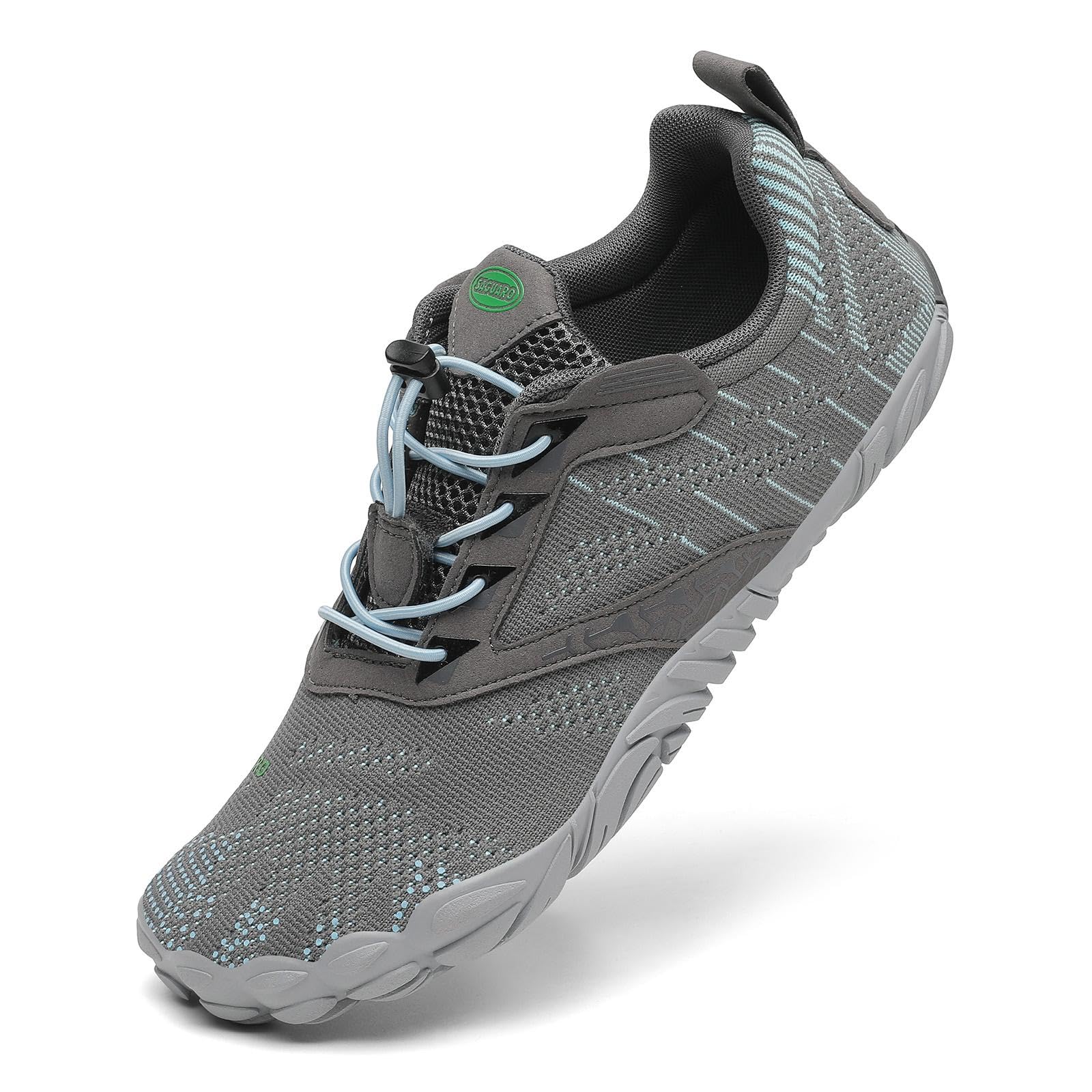


Who Should Buy Barefoot Running Shoes
They suit runners who want better ground feel, a shorter lighter stride and a roomier fit than conventional trainers allow. They also suit gym users and walkers who want one flexible shoe for short sessions. They are a poor first choice for anyone with current foot pain, Achilles problems or a history of stress fractures, unless a clinician has agreed to the change.
Types Compared
Minimal road shoes
A thin flexible sole, zero drop and a foot shaped upper make these the closest match to the barefoot idea on pavement and tracks. Start on short runs and smooth surfaces, because gravel and rough asphalt are harder on thin soles.
Minimal trail shoes
Trail versions add deeper lugs and often a thin rock plate while staying low and flexible. They suit dirt paths and mixed routes where stones would bruise a bare sole. Check lug depth and how well the outsole grips wet rock.
Five toe shoes
Five toe designs give each toe its own pocket, which some runners like for balance and toe spread. Fit needs care because every pocket must match your toe length, and the look is not for everyone.
How to Choose the Best Barefoot Running Shoes
- Sole thickness: thinner soles give more feedback and less protection. Beginners often do better with a slightly thicker sole, around 8 to 12 mm including the insole, before going thinner.
- Flexibility: you should be able to twist and fold the shoe easily in your hands. A stiff sole defeats the purpose.
- Zero drop: heel and forefoot sit level, which encourages a midfoot landing and loads the calves more, so adapt slowly.
- Toe box: toes should spread on landing. Measure late in the day and leave room in front of the longest toe.
- Heel hold: the heel should stay put when you jog on the spot, without lacing so tight that it restricts the forefoot.
A Safe Transition Plan
Begin by walking in the shoes for a week or two, then add a few minutes of easy running on grass or a track at the end of a normal run. Add distance in small steps, no more than about ten percent per week, and keep a cushioned pair for long runs while you adapt. Simple strength work such as calf raises, toe spreads and short barefoot walks on safe surfaces helps feet cope with the extra load.
Soreness that fades within a day is normal adaptation. Sharp pain, swelling, numbness, Achilles pain that keeps getting worse or any pain that changes your stride means rest and advice. People with diabetes, poor circulation or existing foot conditions should talk with a clinician before switching to minimal shoes.
Choosing for Your Surface
Road runners want a smooth, abrasion resistant sole. Trail runners need grip and some protection from stones. If you run in wet weather, check how the sole holds on wet pavement and rock, since traction varies a lot between minimal soles. Some shoes include a removable insole that adds a few millimetres of protection early on and can be taken out as your feet adapt.
Common Mistakes to Avoid
- Keeping the same weekly mileage after switching to minimal shoes.
- Running long distances on hard pavement in the first weeks.
- Ignoring calf or Achilles soreness that grows instead of settling.
- Choosing a toe box that prevents toes from spreading.
Form and Foot Strike
Minimal shoes reward a relaxed upright posture, a slight forward lean from the ankles and a quick, short stride. Landing under your body, on the midfoot, spreads impact across the foot and calf instead of jarring the heel. Overstriding feels harsh in a thin sole, so the shoe itself gives you instant feedback when form slips. If your stride collapses when you tire, slow down or walk rather than pushing on with poor mechanics.
Sizing and Fit Checks
Try shoes in the afternoon, when feet are slightly larger, and wear the socks you plan to run in. Leave about a thumb width in front of the longest toe, check that the little toe is not squeezed and make sure the midfoot feels snug rather than tight. Jog on the spot to test heel hold, then walk up and down stairs. Thin socks keep ground feel, while toe socks suit five toe designs. Keep the box and receipt until you have worn the shoes indoors for a day or two, because a shoe that feels fine for five minutes can rub on a longer outing.
Care and Everyday Use
Rotate minimal shoes with cushioned pairs during the transition so load rises gradually. Air the shoes after runs, rinse off mud and check the sole for wear, since thin soles wear faster than thick ones. A short log of distance and soreness shows whether your pace of change suits your feet.
Related Guides
See best running shoes for conventional options and best barefoot running shoes women's for a women's fit.
Frequently Asked Questions
How do I transition to barefoot running shoes?
Walk in them first, then add very short runs on soft surfaces. Increase distance slowly over weeks and keep some runs in your old shoes. If soreness grows instead of settling, rest before adding more.
Do barefoot shoes strengthen feet?
They can encourage foot muscles to work more, but gains take time and gradual loading. They do not fix gait problems or injuries on their own.
Are they good for flat feet?
Some runners with flat feet enjoy them and others need more support, so there is no universal answer. If you have pain or a clinician has advised support, discuss minimal shoes with that clinician first.
What surfaces suit them?
Grass, tracks and smooth trails are easiest at first. Hard pavement takes more adaptation, and sharp rocky ground needs a shoe with more protection.
When should I stop and seek advice?
See a clinician for sharp or lasting foot pain, swelling, numbness, worsening Achilles pain or pain at rest. These signs need assessment, not just a slower build up.
Final Thoughts
Choose a sole that matches your surface, make sure toes can spread, and build mileage patiently. Used that way, the best barefoot running shoes can become a lasting part of your running. Talk with your clinician if pain persists or any warning sign above appears.


