
Best Barefoot Trail Shoes 2026: Grip and Protection Guide
Disclosure: We may earn a commission when you buy through links on this page, at no extra cost to you. As an Amazon Associate I earn from qualifying purchases. Learn more

Learn how to match grip, sole protection and toe room when choosing the best barefoot trail shoes for hiking and trail walks.
The best barefoot trail shoes combine a wide toe box and a flat flexible sole with enough tread and protection for dirt, roots and loose stone. They suit hiking, trail walking, fast packing and trail running for people who want to feel the ground without giving up traction.
This guide explains how trail versions differ from road barefoot shoes, which features to compare in the product table and how to build up trail time safely.




How Trail Barefoot Shoes Differ
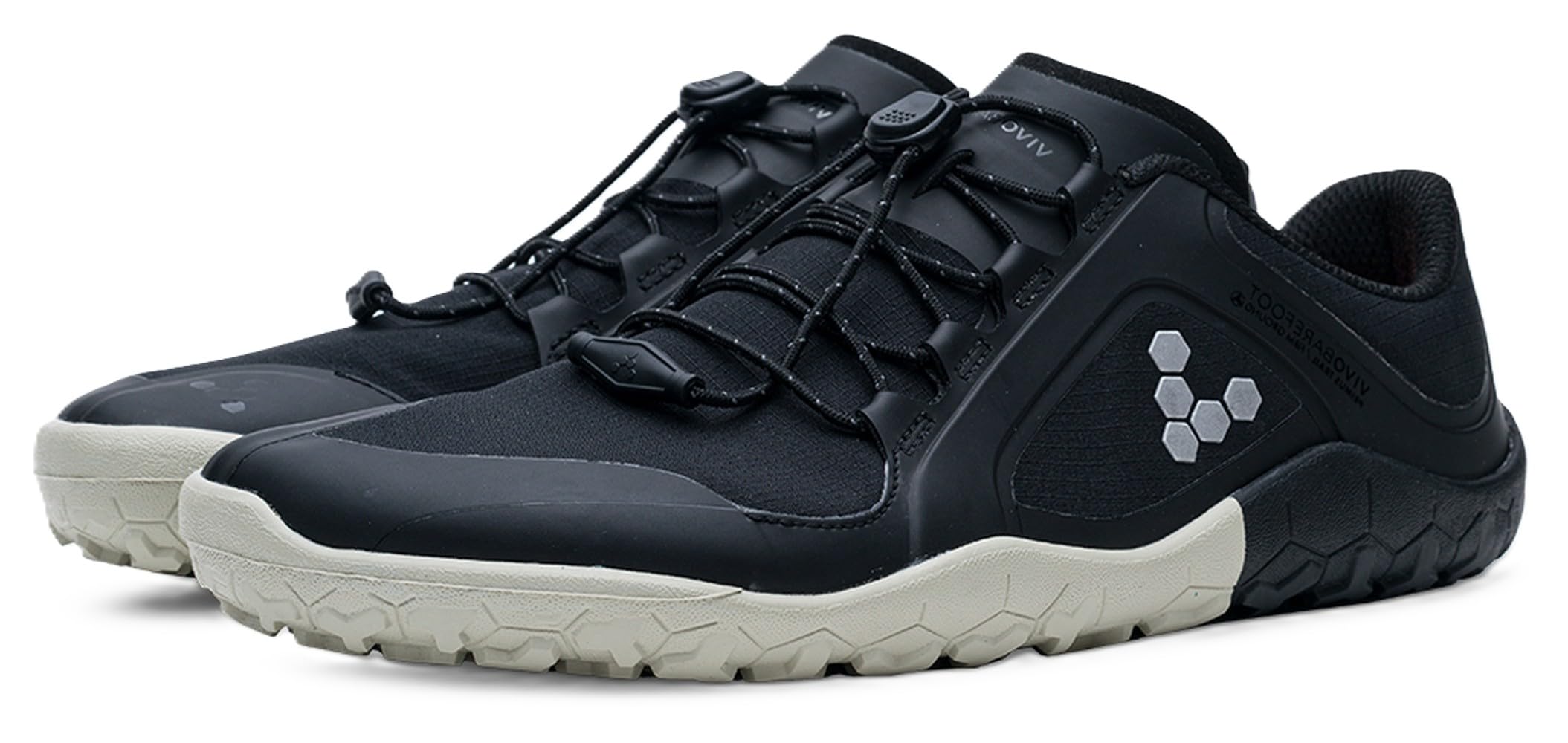
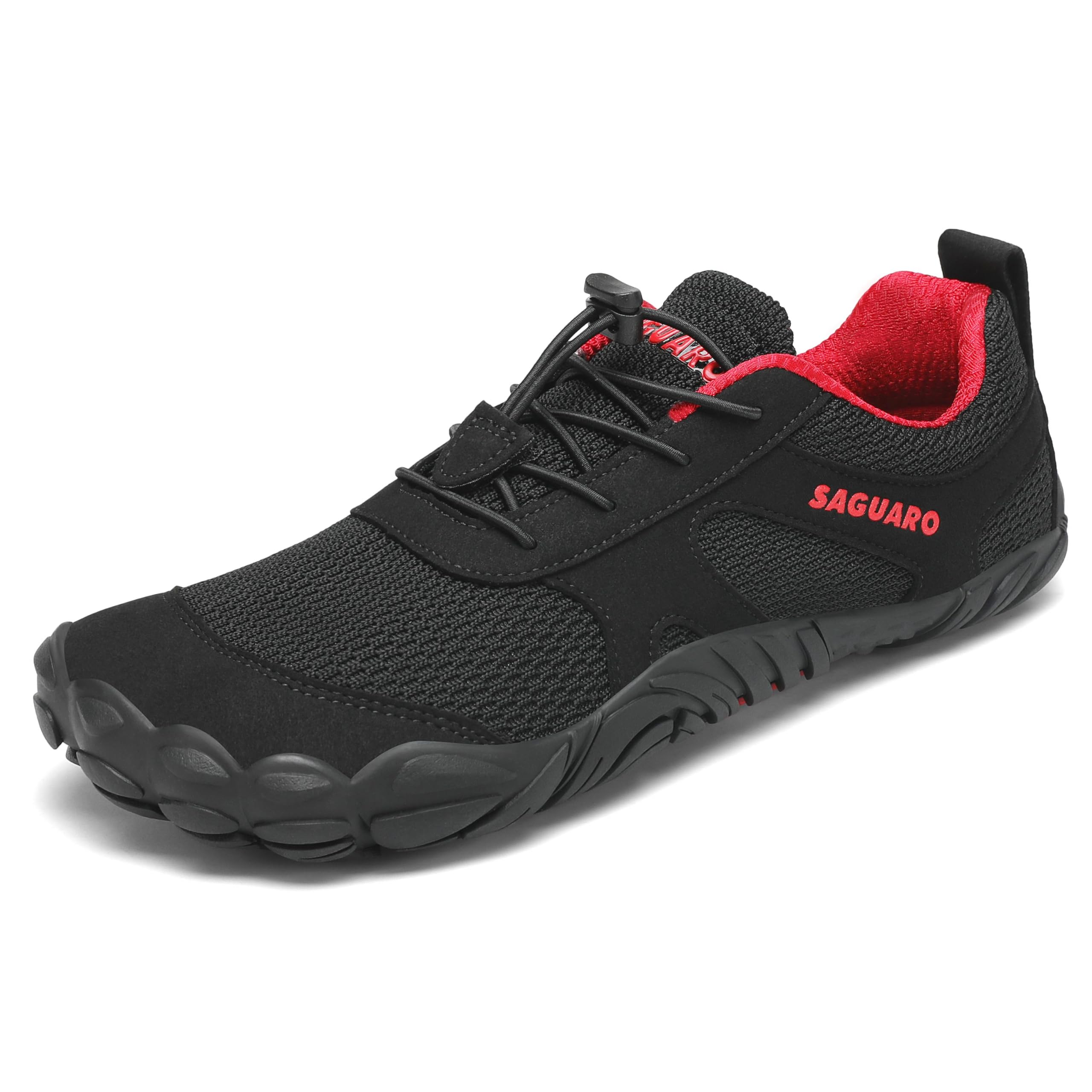
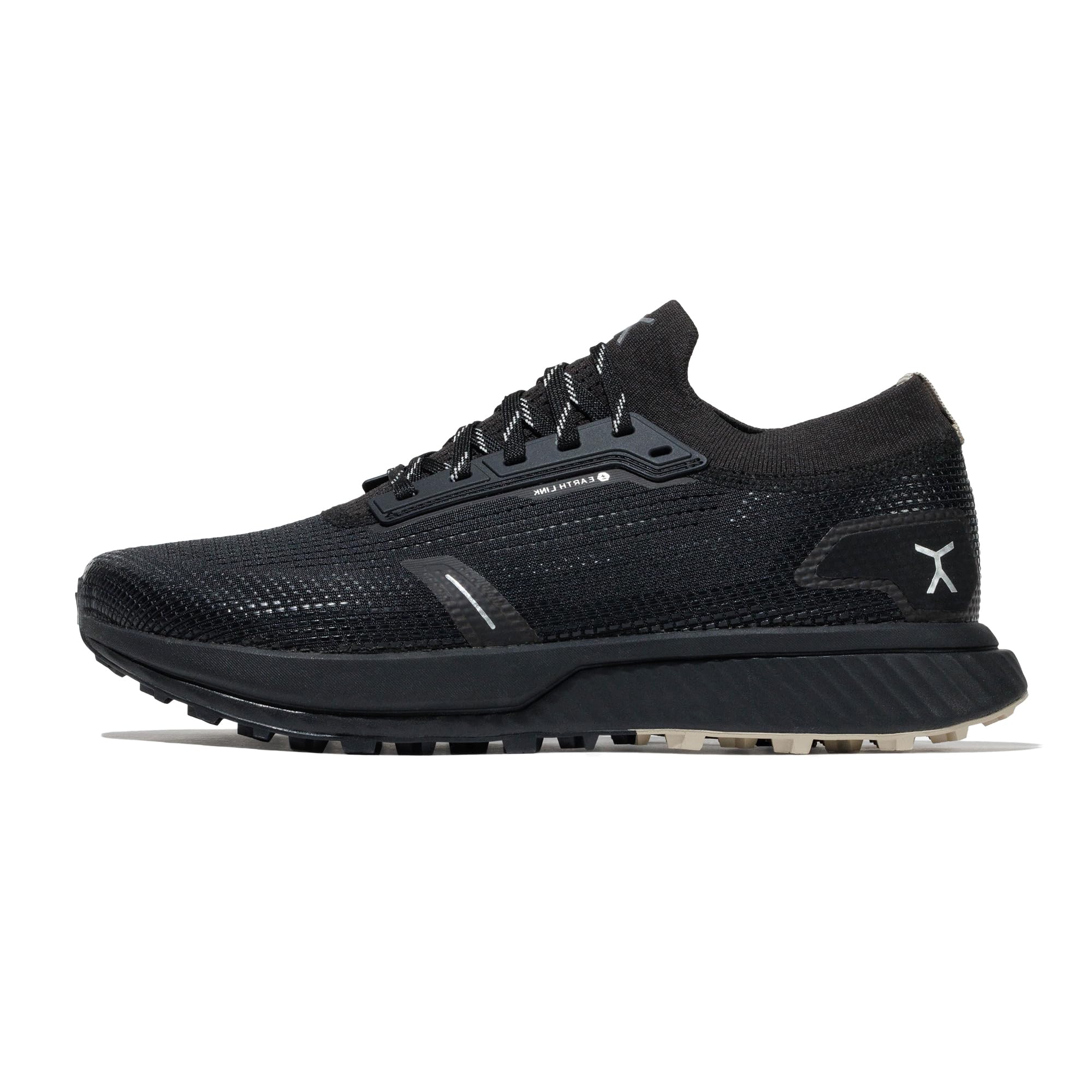
Road barefoot shoes use smooth, thin soles. Trail versions add deeper lugs for grip on mud and loose ground, a thin rock plate or denser midsole layer to guard against stone bruises, and tougher uppers that resist scuffs and branches. They stay low and flexible, with zero drop and a foot shaped toe box, so your toes still spread on descents.
Who Should Buy Barefoot Trail Shoes
They suit hikers who want lighter footwear and stronger feet, trail runners who prefer ground feel, and walkers who find narrow hiking boots uncomfortable. They are a poorer match for heavy pack carrying, very rough scree, deep snow or anyone who needs firm ankle support. If you have diabetes, numbness or a foot injury, talk with a clinician first.
Key Features to Compare
- Sole thickness and protection: thin soles give feel but let sharp stones through. A rock plate or slightly thicker sole suits rough terrain.
- Lugs and rubber: deeper, spaced lugs shed mud and bite on loose ground. Sticky rubber grips wet rock but wears faster.
- Toe box: toes should spread without sliding forward on descents. A reinforced toe cap protects from kicks.
- Upper: mesh dries fast but lets in grit. Tougher fabrics resist abrasion but are warmer.
- Heel and midfoot hold: a snug fit stops sliding on steep sections without squeezing the forefoot.
- Drainage and weight: light shoes with drainage suit wet crossings, while heavier ones suit rough ground.
Types Compared
Minimal trail runners
Light, low and grippy, they suit fast hiking and trail running on maintained paths. They lack ankle support and rely on a strong, well trained foot.
Barefoot hiking shoes and boots
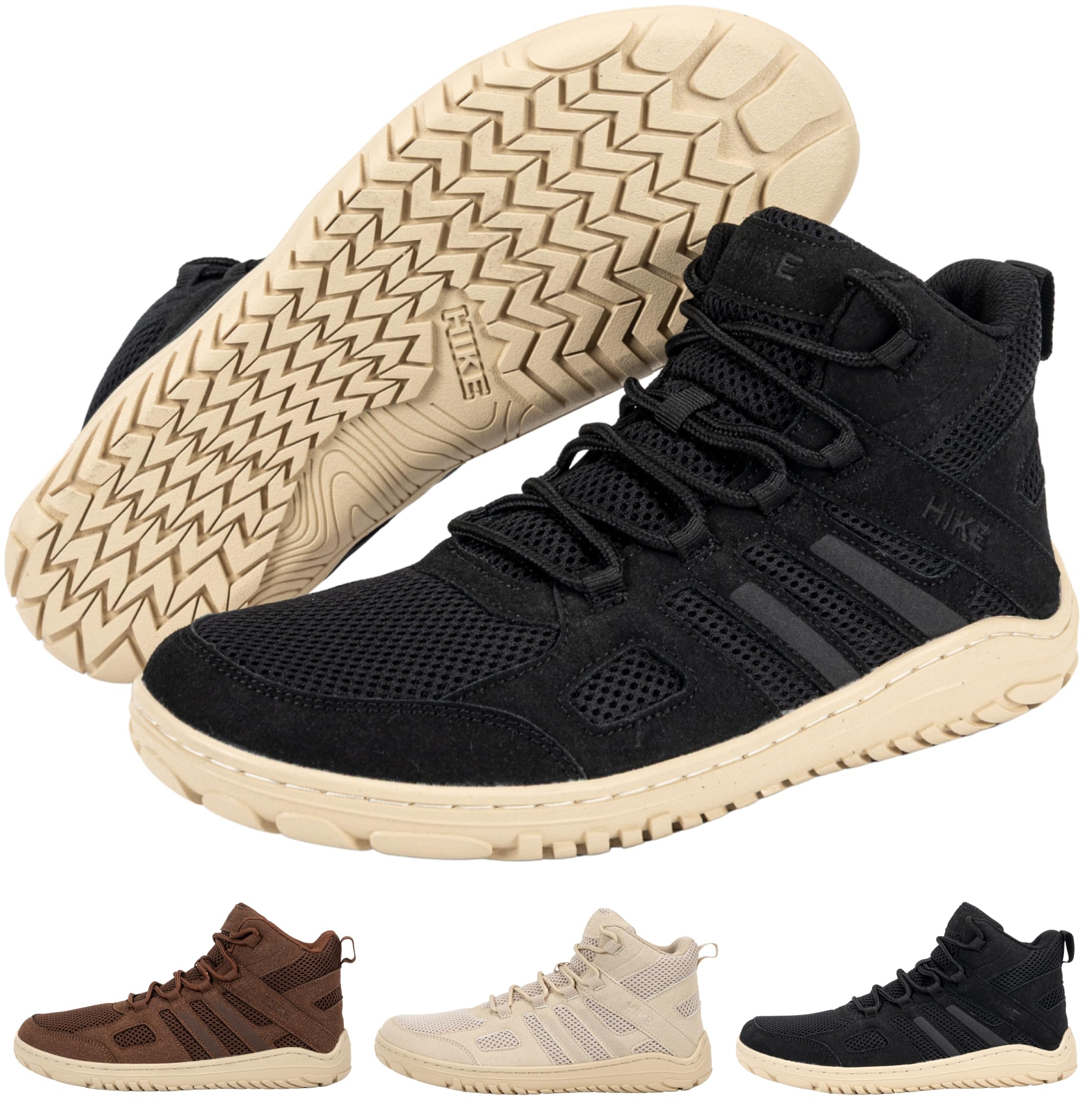
Tougher uppers, more sole protection and sometimes ankle coverage for rougher trails and cooler weather. They weigh more than runners but remain flat and flexible.
Five toe trail shoes
Separate toe pockets maximise ground feel and toe spread. Fit needs care, and they suit smooth to moderate trails.
Matching Shoes to Terrain
Choose protection for your roughest regular trail. Smooth forest paths suit thin soles, while rocky ridges, gravel and root tangles need a rock plate or a thicker sole. In wet country, quick drainage matters more than waterproofing, because a waterproof minimal shoe holds water once it gets inside. In sandy or dusty areas, a snug upper or gaiter attachment helps keep grit out.
Transitioning Onto Trails
Start on easy, familiar trails and keep early outings short. Mix your new shoes with your usual pair for several weeks and add distance gradually, because calves, Achilles tendons and the small muscles in the feet take on more work. Mild soreness is normal. Sharp pain, swelling, numbness or pain that changes your stride means stop and rest. Foot exercises such as toe spreads and calf raises help.
Sizing for Trail Use
Feet swell on long outings, and they slide forward on descents, so trail sizing differs from road sizing. Try shoes late in the day with the socks you hike in, leave a thumb width in front of the longest toe and make sure the heel stays planted when you walk down a ramp or stairs. If you are between sizes, go up and use a heel lock lacing pattern. Check the shoe with and without the insole, because removing it frees up volume if your foot is wide.
What to Carry and What to Skip
Minimal shoes leave less protection from cold, wet and sharp ground, so plan for it. Pack a spare pair of thin socks, a lightweight pair of gaiters if you hike in sand or scree, and a small first aid kit with blister dressings. On unfamiliar trails, check the surface in advance and have a fallback route or a sturdier pair in the car. Hikers with heavy packs often prefer a thicker sole, because extra load increases pressure on the forefoot.
Care and Replacement
Rinse mud and grit off after wet outings, remove the insoles and air dry away from direct heat. Check lugs for wear, uppers for tears and the sole for thin spots. Worn lugs lose grip on wet rock first, so replace the pair when traction fades.
Common Mistakes to Avoid
- Choosing the thinnest sole for rocky routes.
- Skipping a gradual build up before long hikes.
- Buying a size that lets toes jam on descents.
- Judging grip on dry floors instead of wet rock or mud.
Related Guides
See best barefoot trail running shoes, best barefoot shoes, best trail shoes, best trail tennis shoes and best trail racing shoes.
Frequently Asked Questions
Are barefoot trail shoes safe?
They suit hikers who adapt gradually and choose protection that matches the trail. The main risks are stone bruises and calf or Achilles strain from rushing the change.
How thick should the sole be?
Between about 4 and 10 mm suits most barefoot trail wearers. Thinner is better for smooth trails, thicker for rocky ones.
Can I use them for long hikes?
Adapted hikers do, but build distance slowly and carry a backup pair on remote routes. Heavy packs add load that thin soles do not absorb.
What socks work best?
Thin, snug socks preserve ground feel, while slightly thicker ones add blister protection on long days. Avoid bunching in the toe box.
Are they suitable in winter?
Most lack insulation. Short cold walks work with warm socks, but deep snow and ice call for insulated footwear.
Final Thoughts
Match the sole and grip to your roughest trail, size for toe spread and give your feet weeks to adapt. Used that way, the best barefoot trail shoes let you feel the ground while staying protected. Talk with a clinician if pain persists.


