
Best Baking Sheet for Roasting Vegetables (2026): Size, Metal and Browning
Disclosure: We may earn a commission when you buy through links on this page, at no extra cost to you. As an Amazon Associate I earn from qualifying purchases. Learn more
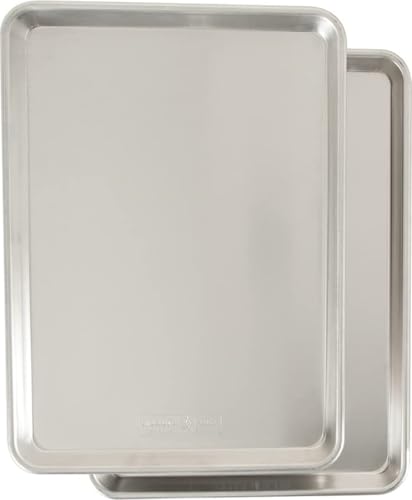
Best Baking Sheet for Roasting Vegetables guide: compare size, metal and finish for crisp browning, easy cleanup and a fit in your oven.
Picture a weeknight dinner for four. The oven is hot, the counter holds a pile of carrots, potatoes, and broccoli, and your only sheet is so small that the vegetables end up stacked in a damp heap. They steam instead of brown, and dinner loses the crisp edges everyone wanted. Choosing the best baking sheet for roasting vegetables starts with your oven, your storage space, and how many people sit at your table.
This guide walks through sizes, materials, finishes, and realistic budgets so you can match a sheet to your home rather than buy on impulse. Use the product table below to see real sheets side by side. If you also bake, broil, and bake off frozen snacks on the same pan, our broader guide to the best baking sheet covers that wider everyday use.


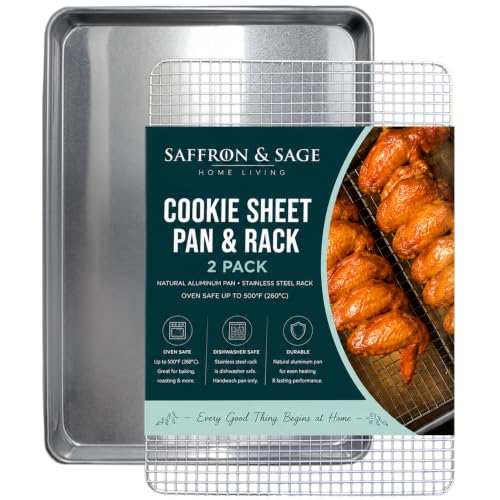

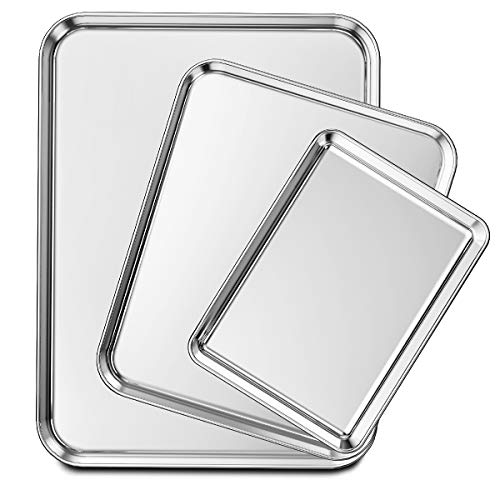


Quick Answer: The Short Version for Busy Homes
For most households, a rimmed aluminum half sheet is the practical default. It heats evenly, the raised edges keep oil and loose onion slices from sliding into the oven, and it fits a standard home oven. Households that cook for one or two can add a quarter sheet for small batches, while cooks who dislike coatings often prefer stainless steel and accept slower browning in exchange for very easy scrubbing.
Before You Buy: A Quick Checklist for Choosing a Baking Sheet for Roasting Vegetables
Size: Match It to Your Space
A half sheet measures about 13 by 18 inches and suits most home ovens and family sized batches. A quarter sheet at about 9 by 13 inches handles side dishes for one or two people and reheats leftovers without heating a large pan. Full sheets belong in commercial ovens and rarely fit at home, while small jelly roll pans crowd a family dinner. Measure your oven interior and your cabinet depth before ordering, and leave about an inch of space around the pan so hot air can move.
Which Type Fits Your Routine
Aluminum heats fast and browns well, which suits weeknight roasting. Stainless steel tolerates scrubbing and acidic marinades but browns more slowly and can let food stick. Nonstick and ceramic coated pans release sweet potatoes and zucchini with little effort, though the coating needs gentle tools and eventual replacement. Carbon steel is sturdy and develops a seasoned surface over time, while insulated pans bake gently and often brown vegetables too slowly. Our breakdown of aluminum vs stainless steel baking sheet materials explains that trade off in more depth.
Features Worth Paying For and Ones to Skip
A fitted roasting rack earns its cost if you cook vegetables over dripping meats or want extra air flow under dense pieces. A silicone mat helps with sticky glazes and makes cleanup faster, and it stores rolled in a drawer. A lid is rarely useful for roasting because trapped steam softens the very edges you want crisp. Oversized handle grips and decorative colors add price without improving dinner, so put your money toward thicker metal and a rolled rim instead.
Light and Dark Finishes and Browning
Finish changes how vegetables cook. Light colored metal reflects some heat and browns food gradually, giving you more control with sugary vegetables like carrots and beets that scorch near the end of cooking. Dark finishes absorb more heat and push browning faster, which can be welcome for potatoes but risky for garlic or thin onion slices. If you own one dark pan, lower the oven temperature slightly and check a few minutes early until you learn how it behaves.
Oven Safe Temperature
Check the stated oven limit before you buy, especially if you finish vegetables under the broiler. Plain aluminum and stainless steel usually tolerate broiler heat, while many nonstick coatings carry lower limits set by the maker. Silicone mats and handles also have their own ceilings, so the lowest rated part of the set decides how hot you can go. A pan that cannot handle your usual roasting temperature of about 425 degrees Fahrenheit will limit your recipes.
Nonstick Coating Versus Uncoated Metal
Uncoated metal asks for a thin film of oil, yet it rewards you with strong browning and no surface to baby. You can use metal spatulas, scrub stuck spots, and broil without worrying about a coating. Nonstick surfaces shine with honey glazed carrots and cheesy toppings because food lifts away cleanly. The compromise is care: wooden or silicone tools, no harsh scouring, and a shorter service life. Pick based on whether easy release or long service matters more in your kitchen.
Realistic Budget Ranges
Basic aluminum sheets sell for under $20 and roast perfectly well, though thinner ones may flex in a hot oven. Spending about $20 to $40 usually buys heavier gauge metal, a reinforced rim, and a flatter cooking surface. Premium stainless steel and ceramic coated options can reach under $50 or a little above, and the extra money mainly buys durability and easier care rather than dramatically better vegetables.
Types Compared: Three Styles Worth Considering
Rimmed Aluminum Half Sheets
This is the workhorse style for roasting. Aluminum spreads heat across the surface so a tray of mixed vegetables cooks at a similar pace from center to corner. The rim, usually about an inch tall, contains oil and gives you something secure to grip with oven mitts. Choose a heavier gauge if you roast at high heat often, since thin aluminum can twist with a popping sound when cold vegetables hit the hot surface. For most homes, this style delivers the best balance of browning, price, and easy storage.
Stainless Steel Sheets
Stainless steel suits cooks who value durability and simple care over speed. It resists rust, handles metal tools, and goes from a tomato based marinade to the dishwasher without complaint. Browning tends to be lighter and food sticks more readily, so preheat the pan and use enough oil for vegetables like potatoes and Brussels sprouts. If that profile fits your habits, see our guide to the best stainless steel baking sheet for a closer look at gauges and finishes.
Nonstick and Ceramic Coated Sheets
Coated sheets make sense for sticky vegetables, frequent roasting, and anyone who dreads washing up. Glazes release instead of baking into a crust, and a quick wipe often finishes the job. The limits are real: coatings wear, dark coated surfaces brown fast, and most makers advise against the broiler. If avoiding conventional coatings is a priority in your home, our roundup of the best non toxic baking sheet explains the material choices in plain terms.
Our Selection Process for Roasting Vegetable Sheets
We judged each style against five practical criteria: even heat distribution, food release, resistance to warping, material safety for everyday cooking, and how easy the pan is to clean and store. We weighed maker specifications and patterns in verified buyer feedback rather than brand reputation alone. A sheet scored well only if it fit a standard oven and kept its shape through repeated high heat use.
Living With It: What Really Matters Day to Day
Spacing is the habit that changes results most. Vegetables hold a lot of water, and pieces packed shoulder to shoulder release steam that softens skins and delays browning. Spread everything in a single layer with small gaps, and use two sheets for a crowd instead of piling food onto one. Swapping the pans between racks halfway through keeps both trays cooking evenly in a home oven with hot spots.
A light coating of oil on the pan helps pieces release and brown where they touch the metal. Our walkthrough of how to grease a baking sheet shows how little oil you actually need. Storage matters too: a half sheet that slides upright beside cutting boards gets used daily, while one buried under heavy cookware gets ignored.
Common Buying Mistakes to Avoid
- Buying a full sheet for a home oven, then finding the door will not close and the pan never gets used.
- Choosing the thinnest pan on the shelf, so it warps at high heat and pools oil in one corner.
- Paying for a large bundle of specialty pans when one half sheet and one quarter sheet cover nearly every meal.
- Ignoring the broiler limit on a coated pan, which shortens the life of the surface in a single careless evening.
- Skipping the cabinet measurement, so the new pan only fits stored inside the oven itself.
Cost of Ownership and Care
A baking sheet has no running costs, so ownership spending goes toward a rack, a reusable mat, or parchment for sticky jobs. Wash the pan while it is still warm with hot soapy water, and dry it fully before stacking so moisture does not sit in the rim. Gentle soaking loosens most roasted residue without aggressive scrubbing. Our full guide on how to clean a baking sheet covers stains and baked on oil in detail. Store sheets flat or upright without heavy pots on top, since constant pressure can bend thin corners over time.
Your Questions, Answered
What makes a baking sheet brand reliable for roasting vegetables?
Reliability shows up in consistency rather than fame. A dependable maker states the metal gauge honestly, keeps dimensions stable across production runs, and backs the pan with a clear warranty you can actually use. Responsive customer support matters when a rim arrives bent or a coating fails early. Brands that publish clear care and temperature guidance also tend to stand behind their products longer than brands that sell on photos alone.
How do you remove stubborn stains from a baking sheet after roasting vegetables?
Start with the gentlest method that fits the stain. Burnt glaze from carrots or beets often lifts after a soak in hot water with a spoonful of baking soda, followed by a paste of baking soda and water worked over the spot with a soft sponge. Rinse and dry well afterward. Darkened patches on plain aluminum are usually cosmetic, so stop scrubbing once the surface feels smooth and clean to the touch.
Is a rimmed baking sheet worth it for roasting vegetables?
Yes, for most home cooks it is. The rim keeps oil from dripping onto the oven floor, stops round vegetables like cherry tomatoes and small potatoes from rolling away as you slide the pan in, and makes the sheet easier to carry with mitts. Rimless sheets still work for a careful cook with a steady hand, but they offer no safety net when a pan tilts on the way to the counter.
How long does a baking sheet for roasting vegetables last?
Service life depends on material and care. A heavy aluminum or stainless steel sheet can serve for many years of weekly roasting, while a coated sheet usually shows wear sooner as the surface thins. Replace any pan that rocks on a flat counter, has a peeling or flaking surface, or shows deep rust. A warped base leaves oil pooled at one end, so vegetables fry on one side and sit dry on the other.
Can you roast vegetables on a cookie sheet instead of a rimmed baking sheet?
You can, with a few adjustments. A cookie sheet has one raised edge or none at all, so toss vegetables gently and keep oily pieces away from the open sides. Roast slightly smaller batches and set the sheet on a level rack before closing the door. The results can be just as crisp, because browning comes from heat and spacing, not the rim. The rim only adds control when you move the pan.
What is the best baking sheet for roasting vegetables?
For a typical home oven and a family sized batch, a rimmed aluminum half sheet in a heavier gauge answers most needs: even heat, contained oil, easy storage, and a fair price. Choose stainless steel if you scrub hard and cook acidic marinades often, or a coated sheet if sticky glazes dominate your menu. Match the size to your oven first, then pick the material that fits how you actually cook and clean.
Final Thoughts
The right sheet disappears into your routine. It fits your oven, suits the number of people you feed, browns vegetables evenly, and washes without a fight. Before you order, look back at the product table above and compare sizes and materials against your own cabinets and cooking habits. Pick the best baking sheet for roasting vegetables for your home, and weeknight dinners get a little easier every time you use it.


