
Best Baking Sheet for Pizza (2026): Size, Metal and Finish
Disclosure: We may earn a commission when you buy through links on this page, at no extra cost to you. As an Amazon Associate I earn from qualifying purchases. Learn more
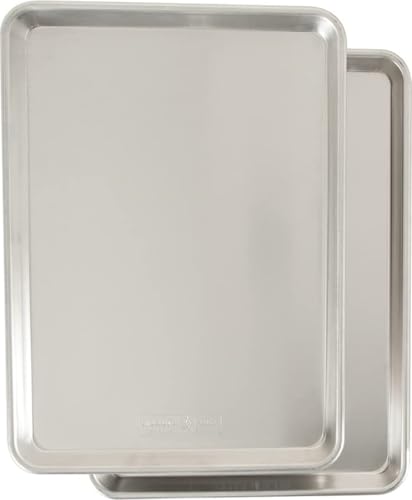
Best Baking Sheet for Pizza guide: compare sizes, metals and finishes so your crust browns evenly, from half sheets to round pizza pans.
Friday night, two hungry kids, and a frozen pizza that is wider than every pan in your cabinet. You end up folding the crust over the rim, the cheese slides to one side, and the bottom stays pale while the edges scorch. Choosing the best baking sheet for pizza prevents that small weekly frustration, and the right choice depends on your oven space, how many people you feed, and how often pizza night actually happens.
This guide walks through sizes, materials, and finishes in plain terms so you can match a sheet to your home instead of guessing. Start with our broader guide to the best baking sheet if you want the general picture, then use the product table below to narrow your shortlist.

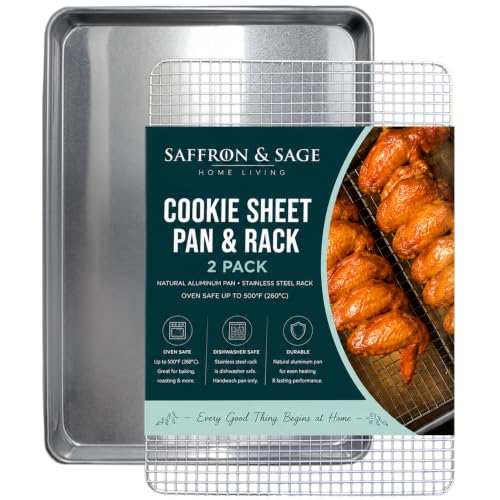


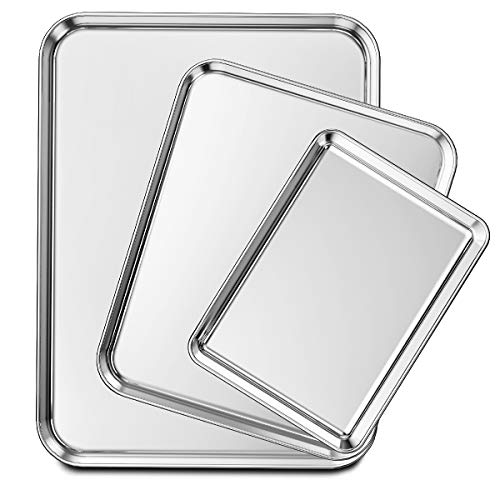

Quick Answer: Which Type Fits Your Home
Most homes do best with a rimmed half sheet in plain aluminum. It fits a standard oven, holds a large homemade pizza or a typical frozen one, and browns the bottom evenly without a coating to baby. Small households and toaster oven users should look at a quarter sheet instead. If you bake pizza several times a week and want a pan that resists stains and cleans up fast, stainless steel is worth the higher cost. The sections below explain why.
Before You Buy: A Quick Checklist for Choosing a Baking Sheet for Pizza
Size: Match It to Your Space
A half sheet measures about 13 by 18 inches and is the workhorse size for most home ovens. It holds one large pizza with room for toppings that spread, plus it doubles for roasting vegetables on other nights. A quarter sheet, about 9 by 13 inches, suits one or two people, small ovens, and personal pizzas where everyone picks their own toppings. Full sheets rarely fit home ovens, so measure your rack and door opening before you order anything larger than a half sheet. Leave at least an inch of clearance on each side so hot air can circulate and the crust browns instead of steaming.
Which Type Fits Your Routine
Aluminum heats fast and evenly, which gives you a firm, golden bottom, and it stays light enough to lift with one hand and a mitt. Stainless steel is heavier and slower to heat, but it shrugs off tomato sauce stains and metal utensils. Our breakdown of aluminum vs stainless steel baking sheet options covers the tradeoffs in detail. Nonstick sheets release cheese and sauce with little effort, though the coating needs gentle handling. Carbon steel builds strong browning over time and suits bakers who cook often and do not mind a little upkeep. Rimmed sheets keep oil and loose toppings contained, while rimless sheets let a finished pizza slide off in one motion, and the differences in our guide to cookie sheet vs baking sheet styles explain which shape suits your habits.
Features Worth Paying For and Ones to Skip
A sturdy cooling rack that fits inside the sheet earns its keep, since resting a pizza on it for two minutes keeps the bottom crisp while the cheese settles. A silicone mat helps with sticky dough and cuts down on cleanup. Skip lids you will rarely use, oversized sets with sizes your oven cannot hold, and bundled tools you already own. One sheet in the right size, plus a rack, covers nearly every pizza night at home.
Light Versus Dark Finish and Browning
Finish changes how your crust cooks. A light, shiny surface reflects some heat, so the bottom browns gently and you keep more control over timing. A dark surface absorbs heat and browns faster, which can give you a crisper base but also scorch a thin crust or sugary sauce before the cheese melts. If your oven already runs hot, choose the lighter finish. If your pizzas keep coming out pale, a darker sheet or a few extra minutes of preheating usually fixes it.
Oven Safe Temperature
Check the stated heat limit before your first bake, since pizza often cooks at 450 to 500 degrees Fahrenheit. Plain aluminum and stainless steel handle those temperatures without trouble. Many nonstick coatings carry lower limits, sometimes around 450 degrees, so a coated sheet may not suit your hottest pizza setting. Broiling to finish a pizza raises the stakes further, and most coatings should stay out from under a broiler entirely.
Nonstick Coating Versus Uncoated
Uncoated metal asks for a light layer of oil or a dusting of cornmeal, and in return it lasts for years without a surface to wear away. Coated sheets release food easily at first, but scratches from cutters and stacked storage shorten their life. If avoiding coatings matters to you, our guide to the best non toxic baking sheet explains what to look for. A practical middle path is an uncoated sheet paired with parchment on nights when you use extra cheese or sweet sauces.
Realistic Budget Ranges
Simple aluminum sheets often cost under $20 and handle weekly pizza nights for years. Spending about $20 to $30 usually buys thicker metal that resists warping and feels steadier under a loaded pizza. Above about $30 to $50 you are paying for stainless steel, heavier construction, or a fitted rack included in the box. Price alone does not brown a crust, so spend first on the right size and gauge, then on material.
Three Setups That Cover Most Homes
Instead of chasing a single winner, think in setups. One of these three combinations fits nearly every household, oven, and budget.
The Everyday Family Setup
A rimmed aluminum half sheet with a fitted rack is the most forgiving choice for families. The rim catches oil from pepperoni and keeps a saucy pizza contained, the metal heats evenly for a dependable bottom, and the rack keeps leftovers crisp when you reheat slices the next day. It also moonlights for cookies, sheet pan dinners, and roasting, so it earns its storage space.
The Small Kitchen Setup
A quarter sheet suits apartments, dorm rooms, and couples who bake personal pizzas. It heats quickly, washes in a small sink without a fight, and stores upright in a narrow cabinet. Two quarter sheets can be smarter than one large pan, since each person builds a pizza to taste and both bake side by side on one rack. Just confirm the width of your toaster oven or compact oven before ordering.
The Frequent Baker Setup
If pizza is a weekly ritual and you bake breads and pastries too, a heavier stainless steel or carbon steel sheet rewards the investment. These metals hold heat steadily, resist staining from tomato sauce, and tolerate metal tools. Shoppers comparing premium metals can also browse our picks for the best stainless steel baking sheet to see how gauges and finishes differ. Expect to pay more upfront and to lift a noticeably heavier pan.
Our Selection Process for Baking Sheets for Pizza
We judge contenders for the best baking sheet for pizza on five criteria: even heat across the surface, how easily baked cheese and sauce release, resistance to warping at high heat, material safety for food contact, and how simple the sheet is to clean and store. Those criteria come from maker specifications and patterns in verified buyer feedback about warping, staining, and coating wear, rather than from marketing claims.
Living With It: What Really Matters Day to Day
Ownership is where a good sheet proves itself. Aluminum can darken over time from baked oils, and that patina does not hurt performance at all. Stainless steel may show rainbow tinting after high heat, which is cosmetic and fades with a vinegar wipe. Storage matters more than most buyers expect: a half sheet needs a cabinet or rack slot wide enough to slide in flat or on edge, and stacking heavy pots on any sheet invites dents and warps. Think about cleanup too. A sheet that fits your sink fully under the tap rinses in seconds, while an oversized one turns washing into a balancing act. Finally, remember a sheet stays versatile. The same pan that bakes pizza on Friday roasts potatoes on Sunday, which spreads the cost across many meals.
Common Buying Mistakes to Avoid
- Buying a full sheet for a home oven, then finding the door will not close with the pan inside.
- Ignoring the heat limit on a coated sheet and warping or damaging it at your usual pizza temperature.
- Choosing a dark finish for a hot oven, so thin crusts burn before the toppings finish cooking.
- Paying for a large set with duplicate sizes instead of one sturdy sheet and a fitted rack.
- Forgetting storage space, so the new sheet lives on the stovetop and collects scratches from daily clutter.
Cost of Ownership and Care
A baking sheet has almost no running cost. Your ongoing expenses are parchment, oil, and an occasional replacement rack or silicone mat, each usually under $20. Care is simple: wash the sheet warm and soapy after use, dry it fully before storing, and avoid cutting pizza directly on the surface, since knife cuts scar coatings and leave grooves that trap sauce. For baked on cheese, soak the sheet in hot water for fifteen minutes before scrubbing. Our full walkthrough on how to clean a baking sheet covers stubborn stains and darkened patches. Store sheets flat or upright without heavy cookware resting on top, and an uncoated sheet should serve you for many years.
Your Questions, Answered
Can you bake pizza on a baking sheet without parchment or oil?
Yes, but expect some sticking, especially with fresh dough and generous cheese. A light dusting of cornmeal or semolina under the dough works better than nothing, because the grains act like tiny rollers and add a pleasant crunch. If you skip any barrier, slide a thin metal spatula under the pizza as soon as it comes out, before the cheese cools and glues itself down.
How long does a baking sheet for pizza usually last?
An uncoated aluminum or stainless steel sheet can last a decade or more, since there is no surface layer to fail. Coated sheets usually give two to five years of regular use before the finish thins and food starts to grip. Warping is the other end point: once a sheet rocks on a flat counter and will not sit level, browning turns uneven and replacement makes sense.
Is a baking sheet worth it if you already own a cast iron skillet?
For many homes, yes. A skillet makes an excellent small pizza with a crisp base, but its walls limit size and make sliding a finished pizza out awkward. A sheet gives you a larger, flatter surface for family size pizzas and rectangular pies that feed a group. Owning both covers different nights, and the sheet also handles roasting and baking jobs a skillet does poorly.
What size baking sheet do you need for a standard frozen pizza?
Most frozen pizzas measure about 11 to 13 inches across, so a quarter sheet is too snug once the crust expands slightly and cheese bubbles outward. A half sheet holds one comfortably with room to spare. Round pizzas can overhang a rectangular sheet at the corners without harm, as long as the bulk of the base sits supported and the oven door closes fully.
Why does pizza warp a baking sheet in the oven?
Thin metal expands unevenly when one part heats faster than another, and the sheet pops or twists until temperatures even out. Thicker gauge metal resists this because it heats more uniformly and holds its shape under stress. Letting a cold sheet warm gradually with the oven, rather than placing it into full heat, also reduces the shock that triggers warping.
Final Thoughts
For most households, a rimmed aluminum half sheet with a fitted rack is the best baking sheet for pizza setup: affordable, durable, and easy to live with every week. Small kitchens do better with a quarter sheet, and frequent bakers may prefer heavier stainless or carbon steel. Compare your finalists in the product table above, confirm the size against your oven, and your next pizza night gets a crisp, even bottom with far less fuss.


