Best Bagging Self Propelled Lawn Mowers: A First Time Buyer's Guide for 2026
Disclosure: We may earn a commission when you buy through links on this page, at no extra cost to you. As an Amazon Associate I earn from qualifying purchases. Learn more

Shopping for the best bagging self propelled lawn mowers for the first time? Learn the terms, compare options, and avoid rookie mistakes with this easy guide.
Buying your first mower can feel confusing, because listings mix deck sizes, drive types and power claims into one long list. The best bagging self propelled lawn mowers collect clippings in a rear bag while the wheels help pull the mower forward, so you guide it instead of pushing every pound. This guide starts with the basics, then walks you through each choice so you can use the comparison table below with confidence.
Think about your own yard before you look at any specification. Note its size, its slopes, how thick the grass grows and where you will store the mower and empty the bag. Those four facts will settle most decisions that follow.


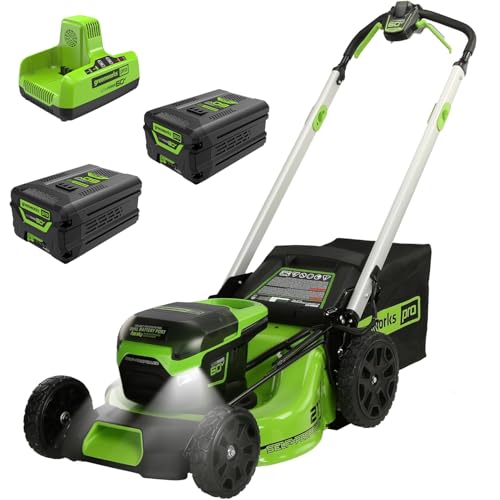
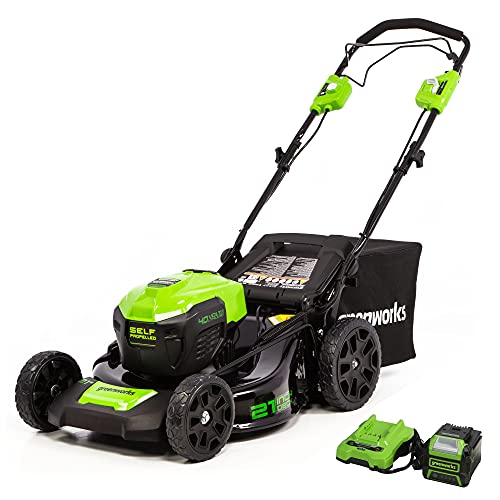

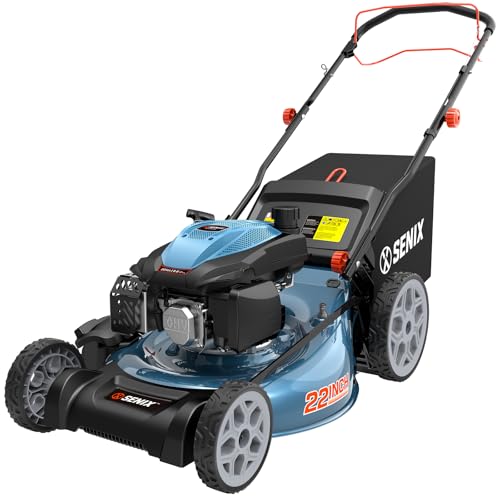

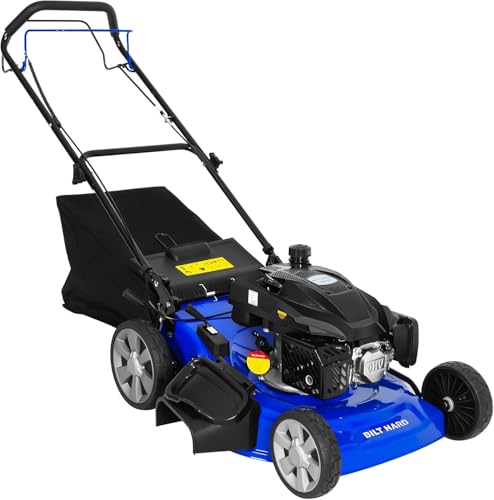

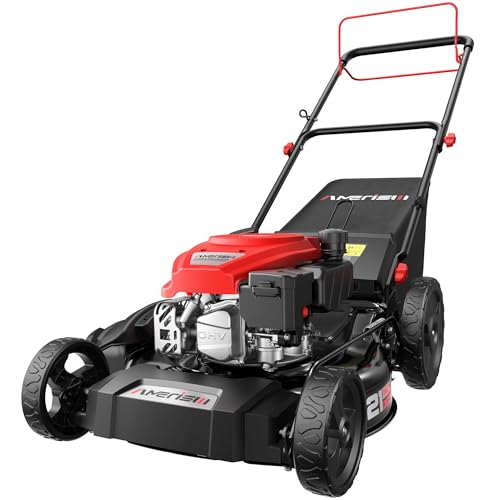
Bagging Self Propelled Lawn Mowers 101: The Basics
A bagging self propelled mower cuts grass, then uses airflow from the spinning blade to lift clippings up a rear chute into a fabric or hard sided bag. When the bag fills, you lift it off, empty it into a yard waste bin and clip it back on. The drive turns the front or rear wheels at a pace you control with a lever, which matters most on slopes and in thick grass.
Bagging gives a clean finish with no rows of clippings left to rake, and it picks up many fallen leaves in autumn. The tradeoff is stopping to empty the bag, which fills faster in wet grass. Some models can also switch to mulching, which chops clippings finely and drops them back on the lawn, so see our guide to the best self propelled mulching lawn mowers if you plan to switch modes often. For most first time buyers, the best bagging self propelled lawn mowers balance bag capacity, drive pace and deck width.
Who Should Buy a Bagging Self Propelled Mower?
Match yourself to one group below first, because that match shapes the power, deck and drive choices later.
Owners of Small to Medium Yards Who Hate Raking
You want clippings and leaves collected as you go, with no second pass holding a rake. A standard bag on a 21 inch deck suits lawns up to about half an acre, and the powered drive keeps your pace steady when the bag grows heavy.
First Time Buyers With Slopes or Thick Grass
You feel a plain push mower stall in thick grass after rain, or slide when the lawn tilts. Rear wheel drive grips better on inclines because mower weight sits over the driven wheels, so see our guide to the best self propelled lawn mowers for hills if your yard has a real slope.
Homeowners Who Want a Tidy Edge to Edge Finish
You care how the lawn looks when guests arrive, and you dislike stray clippings on paths. Bagging leaves a neat surface in one pass, and a bag that lifts off and refits easily makes the extra stops feel routine.
Mower Specs That Matter for a Clean Bagged Finish
Read each specification as an answer to a yard question, not as a number to maximize. Bigger is not always better, because extra size and power cost money and storage space.
Power Source: Gas, Battery, or Corded Electric
Gas models give strong power and run while fuel lasts, but they need oil and air filter care, pull starting, and they are the loudest option. Battery models start with a button and run quietly with almost no engine care, yet run time ends when the charge does. Corded models cost least, but the cord limits your path and snags on trees. Compare the best gas self propelled lawn mowers for large or thick lawns, and the best self propelled electric lawn mowers for smaller, quieter cuts.
Cutting Deck, Deck Material and Bag Capacity
The cutting deck is the shell that houses the blade, and its width sets how much grass each pass covers. Steel decks handle knocks well and cost less, while composite decks resist rust and weigh less but often cost more. For bagging, also check bag capacity. A larger bag means fewer emptying stops, but a full large bag is heavier to lift.
Cutting Height Adjustment
Cutting height sets how tall the grass stands after you pass, and most bagging mowers adjust from about 1 to 4 inches. A single lever that moves all four wheels at once is fastest, while separate levers cost less but can leave wheels set unevenly. Choose enough steps to raise the deck for a first cut on an overgrown patch, then lower it for the next pass, because taking too much off at once clogs the chute.
Yard Size and Cutting Width
Most bagging self propelled mowers use a deck of about 20 to 22 inches, with 21 inches the most common size. That width suits yards from under a quarter acre to about one acre, where the powered drive keeps a long session manageable. A wider deck means fewer passes, but it is harder to steer between beds and gates. If your land runs well past one acre of open grass, riding lawn mowers and tractors or zero turn mowers may fit better than any walk behind model.
Engine Size or Battery Voltage and Runtime
Gas engines for this class usually run about 140 to 190 cc, and more capacity helps the blade keep speed in dense grass. Battery models list voltage from about 40 to 80 volts plus amp hours, and battery runtime depends on both numbers and on grass thickness. Expect about 30 to 60 minutes from a typical set, so larger yards may need a second set ready. See our guide to the best cordless self propelled lawn mowers if cord free run time is your main concern.
First Setup and Your First Mow With a Bagging Mower
Your first session goes well when you set the mower up once, slowly, before the grass demands attention. Follow these steps in order.
- Unfold the handle, lock it at a height that lets your arms rest slightly bent, and check that the bag seats fully on its mounts.
- Add fuel or charge the batteries fully, then set the cutting height to the middle of its range.
- Walk the yard and move toys, stones, hoses and branches out of the mowing path.
- Start on a short, flat stretch, engage the drive gently and find a pace that lets the bag fill evenly.
- Never cut more than one third of the grass blade at once, and raise the deck for a second pass if the lawn has grown long.
Rookie Mistakes to Avoid
Most early problems come from pace, fill level and grass condition, not from the machine itself.
- Letting the bag overfill packs clippings into the chute, so airflow drops and cut grass spills back onto the lawn.
- Mowing wet, overgrown grass in bagging mode forms heavy clumps that clog the deck and stall the blade.
- Walking too fast for the drive setting leaves stragglers standing, because the blade and airflow cannot keep up.
- Choosing a deck that is too wide for your gates and beds forces awkward lifting and turning in tight spots.
- Cutting the lawn very short in one pass stresses the grass roots, so the lawn thins and weeds move in.
Care and Maintenance for a Bagging Mower
Empty the bag after each cut and shake loose clippings from its fabric, because damp grass left inside breeds odor and strains the frame. Let a wet bag dry open before storage. Brush cut grass from under the deck once it cools, since a coated deck blocks the airflow that bagging depends on.
Keep the blade sharp, and sharpen or replace it each season or sooner if you strike stones. Check gas models for oil level and a clean air filter, and store batteries indoors away from freezing cold and heat. Store the mower dry under cover.
Frequently Asked Questions
How long does a bagging self propelled lawn mower last?
A bagging self propelled lawn mower often lasts about 8 to 12 years with basic care. Life depends less on the calendar and more on storage, blade care and how hard each season is. The bag and drive wheels usually wear first, and both cost less than a new mower.
Are battery bagging self propelled lawn mowers as good as gas models?
Battery models match gas models for cutting and bagging on small to medium lawns with regular cuts. The gap shows in long, thick or wet grass, where a battery drains faster and a gas engine keeps its pace. Battery care is simpler, with no oil or stale fuel. If your sessions run under an hour, battery power is usually enough.
How often should you sharpen the blade on a bagging self propelled lawn mower?
Sharpen the blade at least once each season, and check it after any strike on stone or metal edging. A dull blade tears grass tips brown instead of cutting them clean, and torn tips lose moisture faster on hot days. Tearing also leaves ragged clippings that pack poorly in the bag.
How full should you let the grass bag get on a bagging self propelled lawn mower?
Empty the grass bag when clippings sit near the top of the chute, at about three quarters full. Waiting for a packed bag makes lifting awkward and can tear bag fabric at its seams over time. A short pause also lets you check ahead for stones or toys. Frequent light loads are kinder to your back.
What size bagging self propelled lawn mower do you need for your yard?
A 21 inch deck suits most yards up to about half an acre, and it still handles close to one acre when the layout is open. Count obstacles as well as area, because beds and narrow gates reward a smaller, nimbler deck. Measure your narrowest gate before you buy, since the deck and bag must pass through it.
Final Thoughts
Start with yard size, then choose the power source you will maintain gladly, and then check bag capacity, drive type and height adjustment. A mower that fits your gates and slope will serve you better than the largest deck on sale. Use the product table above to compare width, power and bag size.
When the best bagging self propelled lawn mowers on your short list all match your yard, pick the one with the bag and controls that feel simplest each week.