Best Backyard Canopy by Budget for 2026
Disclosure: We may earn a commission when you buy through links on this page, at no extra cost to you. As an Amazon Associate I earn from qualifying purchases. Learn more

Match shade, rain cover, and gathering space with the best backyard canopy: compare size, frame, fabric, setup, and wind stability.
A best backyard canopy turns an open yard into a usable outdoor room, giving you shade on hot days and cover when a light shower passes through. The product table lets you compare sizes, frames, and fabrics side by side before you commit to one style.
Prices vary widely, from simple pop up shades to sturdier frames with thicker fabric and better anchoring. This guide explains what each price level usually delivers and which features are worth paying for. Use it to match the canopy to your yard, your guests, and how often you plan to set it up.


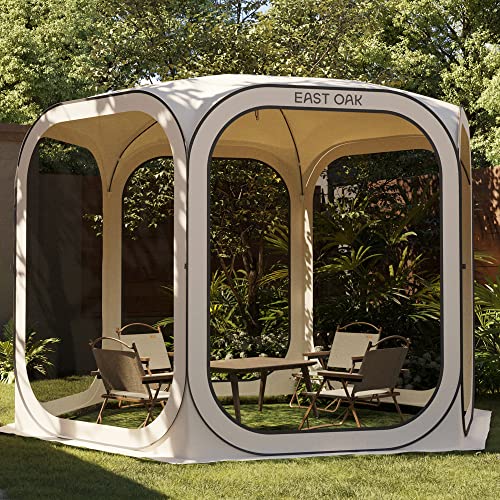
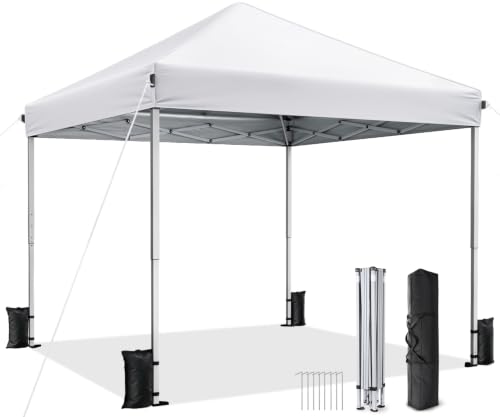
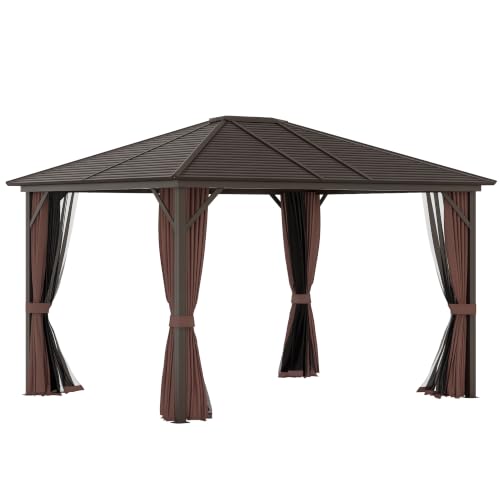
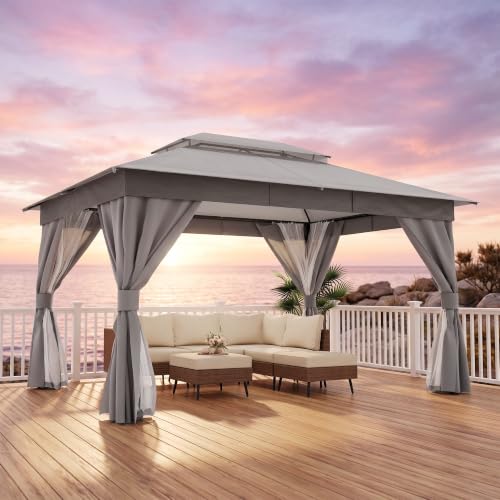
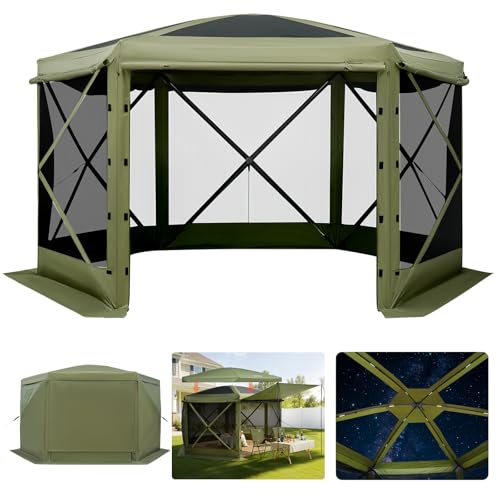

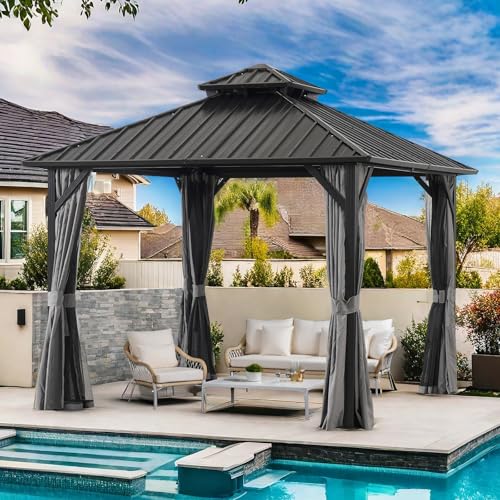

Who Should Buy the Best Backyard Canopy for Each Use?
Different households use a canopy in different ways. The right choice depends on whether you need everyday shade, a party shelter, or a seasonal spot for outdoor meals.
For Everyday Shade Seekers
If you want shade for reading, play, or meals on a patio, a smaller canopy with a quick setup is usually the best fit. Look for a size that covers your seating area without crowding the yard, and a height setting that lets adults stand comfortably underneath. A light colored top reflects more sun and keeps the space cooler. Since you may set it up often, a frame that folds easily matters more than heavy duty extras.
For Hosts and Large Gatherings
If you host barbecues, birthdays, or family gatherings, size and stability move to the top of the list. A larger canopy covers a table and chairs with room for guests to move around, while side walls can add privacy and wind protection. Check the leg spacing against your patio or lawn, since a canopy that is too large for the space is hard to anchor well. A sturdy frame and good stakes or weights help the canopy stay steady when guests come and go.
For Seasonal and Semi Permanent Use
If you plan to leave a canopy up for a whole season, durability matters more than portability. A heavier frame resists sagging, and a thicker fabric holds up better to sun and rain over time. Look for rust resistant joints and a top that sheds water rather than pooling it. You will still need to take the canopy down in strong wind or storms, since no backyard canopy is built to face severe weather.
What Your Money Gets You at Each Price Level
Backyard canopies usually fall into three broad spending levels, and the best backyard canopy for you depends on where you land. The differences show up in frame strength, fabric quality, and how easy the canopy is to set up and anchor.
Value Level: Simple Shade for Occasional Use
At the value level, expect a lightweight pop up frame and a thin fabric top. Setup is usually quick, and the canopy packs down small for storage. These canopies suit occasional use on calm days, such as a weekend lunch or a small gathering. You can expect to spend about $50 to $120 at this level.
Everyday Level: Stronger Frame and Better Fabric
In the middle level, you usually get a sturdier steel or aluminum frame, a thicker fabric top, and height adjustment with more steps. Venting at the top helps hot air escape and reduces lift in a breeze. Many canopies at this level include stakes, guy lines, and a carry bag. You can expect to spend about $120 to $300 here.
Premium Level: Built for Frequent Use
At the higher level, expect a heavy frame, reinforced joints, and a fabric top with stronger sun and water resistance. Setup may use a smoother crank or push button mechanism, and the canopy may include side walls or a screen option. You can expect to spend about $300 to $700 at this level. This level makes sense if you host often or want the most stable shelter for a larger space.
Features Worth Paying For and Ones to Skip
Not every feature on the box changes how a canopy performs in your yard. Focus on the ones that affect shade, stability, and ease of use.
Size and Coverage
Size is the first decision, because it sets how many people and how much furniture fit underneath. Measure your seating area and add room for people to walk around chairs without bumping a leg. A canopy that is too small leaves guests in the sun, while one that is too large is harder to anchor and store. For seating that pairs well with a canopy, see our guide to the best backyard chairs.
Frame Material and Strength
Steel frames are usually heavier and more stable, while aluminum frames are lighter and easier to carry. Thicker legs and reinforced joints resist bending when the canopy is moved or bumped. Check how the frame locks at each height, since a weak lock can slip under the weight of a wet top. A frame with a smooth opening mechanism is easier to set up alone.
Fabric and Sun Protection
Canopy fabric varies in thickness, coating, and sun protection. A thicker fabric blocks more sun and lasts longer, while a coated top sheds light rain better than an uncoated one. Look for fabric described as UV resistant and water resistant, and check whether the top is removable for cleaning. A light color keeps the space cooler, while a dark color may show less dirt but absorb more heat.
Setup and Packed Size
Setup time matters if you put the canopy up and down often. A pop up frame opens in minutes, while a pole style canopy takes longer and may need two people. Packed size matters for storage in a garage or shed, and a carry bag with wheels helps with a heavier frame. Practice the setup once in calm weather before your first gathering, so you know the steps and the parts.
Wind Stability and Anchoring
Wind stability depends on frame weight, anchoring, and venting, not on any single feature. Stakes work well on lawns, while weights suit patios and decks where stakes cannot be used. Guy lines add stability on open ground, but they create trip hazards, so place them where guests will not walk. Never leave a canopy unattended in strong wind, and take it down before a storm. Follow the manufacturer's instructions for anchoring, and keep children away from stakes and folding joints.
Warranty and Replacement Parts
A clear warranty tells you how the maker handles a bent leg, a torn top, or a broken joint. Longer coverage is more valuable on a canopy you use often, since fabric and joints wear with sun and weather. Check whether replacement tops and parts are sold separately, since a torn top should not force you to buy a whole new frame. Keep your receipt and the maker contact details with your purchase records.
Long Term Costs to Factor In
The purchase price is only part of the cost of owning a backyard canopy. Replacement tops, stakes, weights, and side walls add to the total over time. A sturdier canopy that lasts several seasons usually costs less overall than a light canopy replaced every year. Before you buy, check the price of a replacement top and any accessories you plan to add.
Backyard Canopy Questions Answered
Is a lightweight backyard canopy worth the price?
A lightweight backyard canopy is worth the price if you value fast setup and easy storage over maximum stability. Light frames are easy to carry, quick to open, and simple to pack away after a gathering. The tradeoff is that they move more in wind and need careful anchoring even on calm days. If you use a canopy only a few times a season, a light model is a sensible choice.
What wind rating should I look for in a canopy?
There is no single standard wind rating for backyard canopies, so treat any wind claim as a rough guide rather than a guarantee. Focus instead on frame weight, anchoring options, and venting, which together decide how steady a canopy feels. Always take the canopy down before strong wind or storms, no matter what rating is claimed. Check maker guidance for your model and your local conditions.
How much sun protection does a canopy top provide?
A canopy top provides useful shade, but the level of sun protection depends on fabric thickness, color, and coating. Thicker, tightly woven fabric blocks more direct sun than thin fabric, and a coated top usually performs better. Shade alone does not block all reflected sun from patios or light walls, so guests still need sunscreen and hats on bright days. Replace a faded or thinning top to keep shade quality up.
How long does a backyard canopy last?
A backyard canopy can last from a couple of seasons to several years, depending on frame quality, fabric, and how you store it. Sun, rain, and wind wear fabric over time, and leaving a canopy up through storms shortens its life sharply. Storing the top dry and clean, folding the frame carefully, and replacing worn parts early all extend its useful life. Inspect joints and fabric at the start of each season.
Can I leave a backyard canopy up all season?
You can leave a backyard canopy up for a season if the frame is sturdy, the anchoring is solid, and you watch the weather closely. Even then, take it down before storms, strong wind, or heavy snow, since no backyard canopy is built for severe weather. Check the fabric and joints regularly for sagging, tears, or rust, and tighten anchors after rain softens the ground. For a relaxed seating area under your canopy, see our guide to the best backyard hammocks.
Our Verdict
The right backyard canopy is the one that fits your space, your guests, and how often you set it up. Start with size and coverage, then check frame strength, fabric quality, and anchoring against your yard and weather. A mid level canopy with a sturdy frame and a vented top suits most households, while a simple value canopy works well for occasional calm day use. Review the product table above once more, then pick the best backyard canopy for your yard and your gatherings.