Best Affordable Zero Turn Mowers at Every Price: What Your Money Really Gets You for 2026
Disclosure: We may earn a commission when you buy through links on this page, at no extra cost to you. As an Amazon Associate I earn from qualifying purchases. Learn more
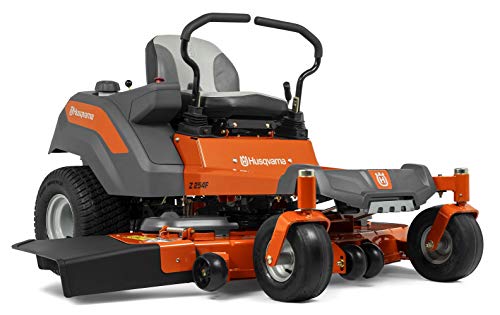
Best affordable zero turn mowers explained by price tier, deck size, and power source, so you can match a budget to your yard.
Prices for best affordable zero turn mowers span a wide range, and the cheapest machine on the page is not always the best value for your yard. The product table gives a quick side by side view, while this guide explains what each price level actually buys, which upgrades matter, and where you can safely save.
Zero turn mowers steer with two lap bars instead of a steering wheel, so they can turn in place and cut around trees and beds with fewer passes. That agility saves time on larger yards, but it also means deck size, power, and comfort matter more than they do on a small push mower. For the wider market, see our guide to best zero turn mowers before you narrow down by budget.
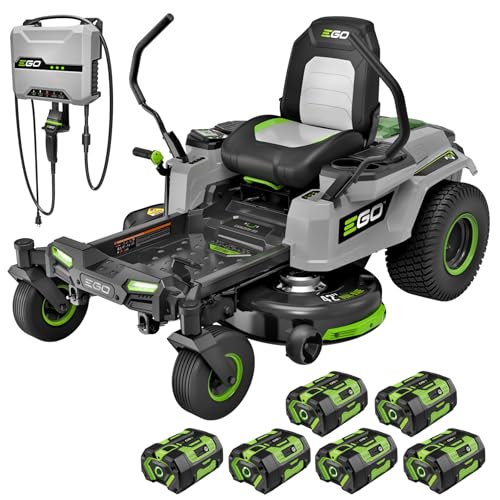


Spending Levels at a Glance
The right choice depends on yard size, slopes, and how often you mow. Use the levels below to narrow the field, then compare the details in the product table above.
Lower Cost Spending
Lower cost zero turn mowers usually suit flat yards up to about one acre with a smaller deck, often around 32 to 42 inches. Expect a simpler seat, a basic engine or battery pack, and fewer comfort extras. These machines still turn tightly and cut faster than a lawn tractor on open ground, but they may struggle on thick, tall grass or steep slopes. Choose this level when your yard is flat, your grass is mowed often, and you want the lowest entry cost.
Middle Spending
Middle spending buys a wider deck, a stronger engine or a longer lasting battery, and better comfort for longer mowing sessions. Decks around 42 to 50 inches suit yards of one to two acres, and a more padded seat with armrests makes a real difference on a hot afternoon. You may also get a sturdier frame and a better warranty. This level suits most homeowners with a medium to large yard who mow weekly through the season.
Higher Spending
Higher spending buys commercial style durability, a wider deck, and features such as a suspension seat or a fabricated deck that resists dents. These machines suit yards over two acres, rough ground, or owners who mow for many hours each week. You pay more up front, but you may get longer service life and lower repair frequency. Choose this level only when your yard size or workload justifies it, since a very wide deck can be awkward on a small lot with tight gates.
Best Affordable Zero Turn Mowers: What Each Price Tier Buys
Price tiers in this market are not fixed lines, but the pattern below holds across most listings. A machine around $2,500 to $3,500 is a typical entry point for a residential zero turn mower, while mid range machines often run about $3,500 to $5,500. Higher end residential machines can run about $5,500 to $8,000 or more. Compare those bands with your yard size rather than stretching for the largest deck you can afford.
What Lower Cost Buys
Lower cost machines focus on the basics: a working zero turn drive, a modest deck, and a simple cutting height adjustment. You may give up a high back seat, a large fuel tank, and heavy duty deck construction. Maintenance access may also be tighter, so blade changes and belt checks take a little longer. These trade offs are acceptable on a flat, open yard, but they show up quickly on rough or sloped ground.
What Middle Spending Buys
Middle spending usually adds a wider deck, a stronger transmission, and better ergonomics. Seats gain padding and adjustment, controls feel smoother, and the frame often uses thicker steel. You may also get a larger fuel tank or a bigger battery, which means fewer stops on a two acre yard. This is the level where most homeowners find the best balance of speed, comfort, and long term value.
What Higher Spending Buys
Higher spending buys durability and comfort for heavy use. Expect a fabricated deck, a commercial grade engine or a high voltage battery system, and a suspension seat that eases rough ground. Service points are often easier to reach, and parts availability tends to be better. The main risk at this level is buying more machine than your yard needs, so measure gates, slopes, and storage space before choosing a wide deck model.
Features Worth Paying For (and Ones to Skip)
Not every feature earns its price. The sections below sort the features that change daily mowing from the extras that sound good in a listing but matter little on a typical residential yard. Keep the product table above open as you read, and check each feature against your own yard.
Drive Type
Zero turn mowers use two independent wheel motors controlled by lap bars, which is what gives them their tight turning. Rear wheel drive suits most flat and gently rolling yards, while all wheel drive helps on slopes and wet ground but adds cost and weight. Riding mowers and lawn tractors turn wider and suit yards with many straight runs, while robotic mowers suit small, simple yards with clear boundaries.
For a yard with trees, beds, and fences, the zero turn drive itself is the feature worth paying for. If you want a seated machine in this class, see our guide to best zero turn riding mowers for how riding models compare on comfort and deck size.
What You Can Realistically Get on a Budget
On a budget, expect a solid cutting job on flat ground and a machine that needs regular care to stay reliable. Features often cut at this level include a suspension seat, a large fuel tank, and a fabricated deck. Do not cut corners on deck size fit, tire grip, and service access, since those affect every mow. A machine around $2,500 to $3,500 can serve a one acre flat yard well, but it will not match a higher priced machine on thick grass or rough ground.
Engine Size or Battery Voltage and Runtime
Gas engines are often described by displacement in cubic centimeters or by horsepower, and larger numbers usually mean more power for thick grass. Battery mowers are described by voltage and amp hours: a 40 volt to 80 volt system is common, and higher amp hours mean longer runtime. Check how many batteries a mower needs for your yard size, since a single small battery may cover only part of a large yard. Runtime claims assume ideal conditions, so leave a margin for tall grass and slopes.
Power Source: Gas, Battery, or Corded Electric
Gas mowers offer long runtime and strong cutting power, but they need fuel, oil changes, and more maintenance. Battery mowers run quietly, start with a button, and need little engine upkeep, but runtime limits them on very large yards unless spare batteries are available. Corded electric mowers avoid fuel and charging limits yet are held back by cord length, which makes them a poor fit for most zero turn yards. Gas mowers must never be run indoors, and any mower should be kept away from children and pets while blades are moving.
Yard Size and Cutting Width
Yard size should drive deck choice. A push mower suits yards under a quarter acre, a self propelled mower suits a half acre to one acre, and a riding or zero turn mower suits yards over one acre. Deck width follows the same logic: decks from 21 to 30 inches suit small yards and tight gates, decks from 32 to 42 inches suit one acre yards, and decks from 42 to 60 inches suit two acres or more.
A deck wider than your narrowest gate is useless, so measure gates and paths before choosing. For lawn focused options, see our guide to best zero turn lawn mowers and check its deck guidance against your gate measurements.
Long Term Costs to Factor In
The purchase price is only part of ownership. Gas mowers need fuel, oil, filters, spark plugs, and blade sharpening, while battery mowers may need replacement batteries after several seasons. Add the cost of a bagger or mulching kit if you want one, since many base machines ship with a side discharge chute only.
Warranty length and local service matter too: a longer warranty with a nearby service point can save more than a small discount on the purchase price. Add up fuel or charging, blades, belts, and filters over five years to compare machines fairly.
Frequently Asked Questions
What size mower do I need for my yard?
Match deck width and power to your yard size, gate width, and slope rather than buying the largest machine available. A deck around 32 to 42 inches suits a one acre flat yard, while a deck around 42 to 50 inches suits a two acre yard with open runs. Measure your narrowest gate first, since a deck that cannot pass through it will force extra trimming. Also consider slopes: steep or rough ground calls for a machine with good traction and a lower center of gravity, not just a wider deck.
How long does a zero turn mower last?
A residential zero turn mower often lasts about 10 to 15 years with regular care, though hours of use matter more than calendar years. Machines mowed weekly on a large yard wear faster than machines used lightly on a small lot. Regular blade sharpening, belt checks, oil changes on gas models, and battery care on electric models all extend life. Storage matters too: a mower kept dry and clean, with fuel stabilized or batteries stored per maker guidance, tends to last longer than one left exposed to weather.
How often should I sharpen mower blades?
Sharpen blades about every 20 to 25 hours of mowing, or at least once or twice each season for a typical home yard. Dull blades tear grass instead of cutting it cleanly, which leaves brown tips and stresses the lawn. Signs of dullness include ragged cut edges, uneven height, and extra vibration. Always disconnect the spark plug or battery before working under the deck, and keep children and pets away while blades are exposed or moving.
Are battery mowers as good as gas?
Battery mowers match gas mowers well on flat yards up to about one acre, where quiet running and low upkeep matter most. They start instantly, need no oil or fuel mixing, and vibrate less than many gas machines. Gas mowers still hold an edge on very large yards, thick or tall grass, and long sessions without a charging break. For buyers weighing the best affordable zero turn mowers, the deciding factor is usually yard size and runtime: choose battery when one charge covers your yard, and gas when it does not.
Is a zero turn worth it for one acre?
A zero turn mower is worth it for one acre when your yard has trees, beds, fences, or other obstacles that force many turns. The tight turning radius cuts mowing time noticeably compared with a lawn tractor on such a yard. It is less clearly worth it on a wide open, rectangular acre with few obstacles, where a simpler riding mower may do the job for less money. Also weigh storage space and gate width, since zero turn machines need room to turn and park.
Wrapping Up
The smartest buy balances deck size, power, and comfort against your yard, not against the largest machine in the listing. Check the product table above once more, compare deck width with your gates, and match power source to your yard size and runtime needs. Best affordable zero turn mowers earn their value when they cut your whole yard in a reasonable time, without forcing you to pay for capacity you will never use. Measure first, choose the spending level that fits, and keep up with blade and belt care so the machine stays reliable for years.