
Best Backyard Fountains: Buying Guide for 2026
Disclosure: We may earn a commission when you buy through links on this page, at no extra cost to you. As an Amazon Associate I earn from qualifying purchases. Learn more
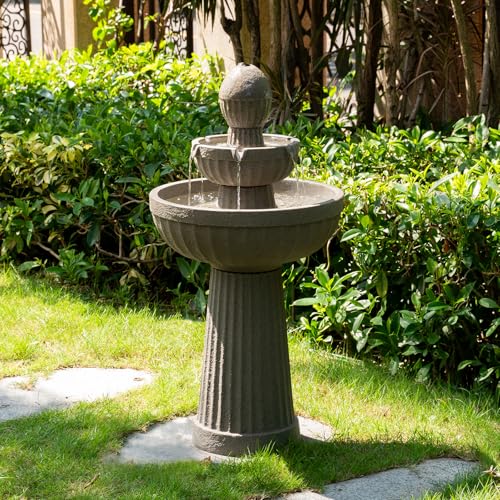
Best backyard fountains balance size, pump, and care. Compare types, materials, and prices to find a fountain that suits your yard.
A fountain can add sound, movement, and a focal point to a yard, but the best backyard fountains are not simply the largest or most ornate models. The right choice depends on your space, your power source, how much upkeep you accept, and whether you want a quiet trickle or a stronger cascade. This guide explains the main types and features in plain terms.
The product table is a useful starting point, and the sections that follow walk through spending levels, key features, fountain types, and care. By the end, you should be able to narrow the field to a size and style that fits your yard, rather than guessing from photos alone.

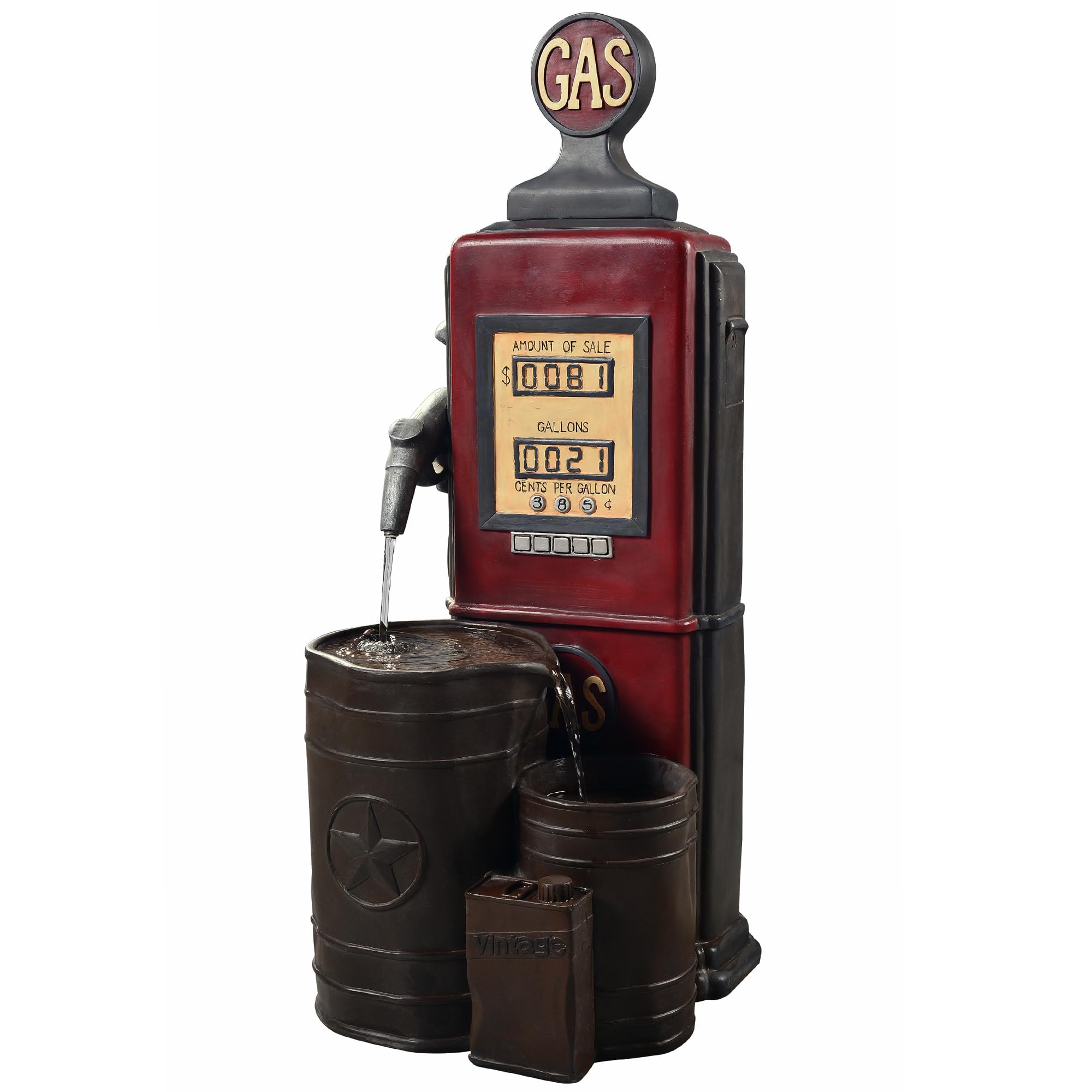
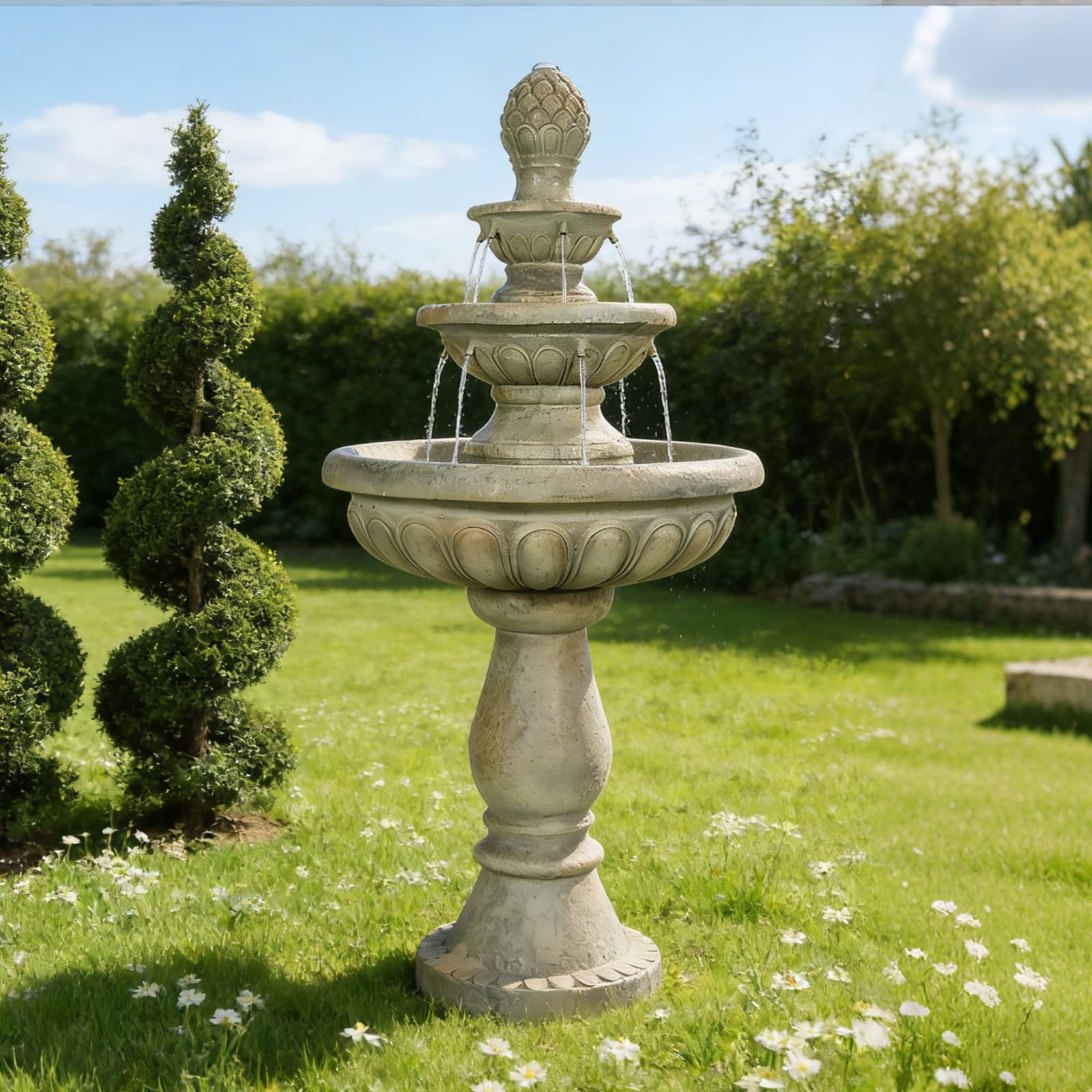
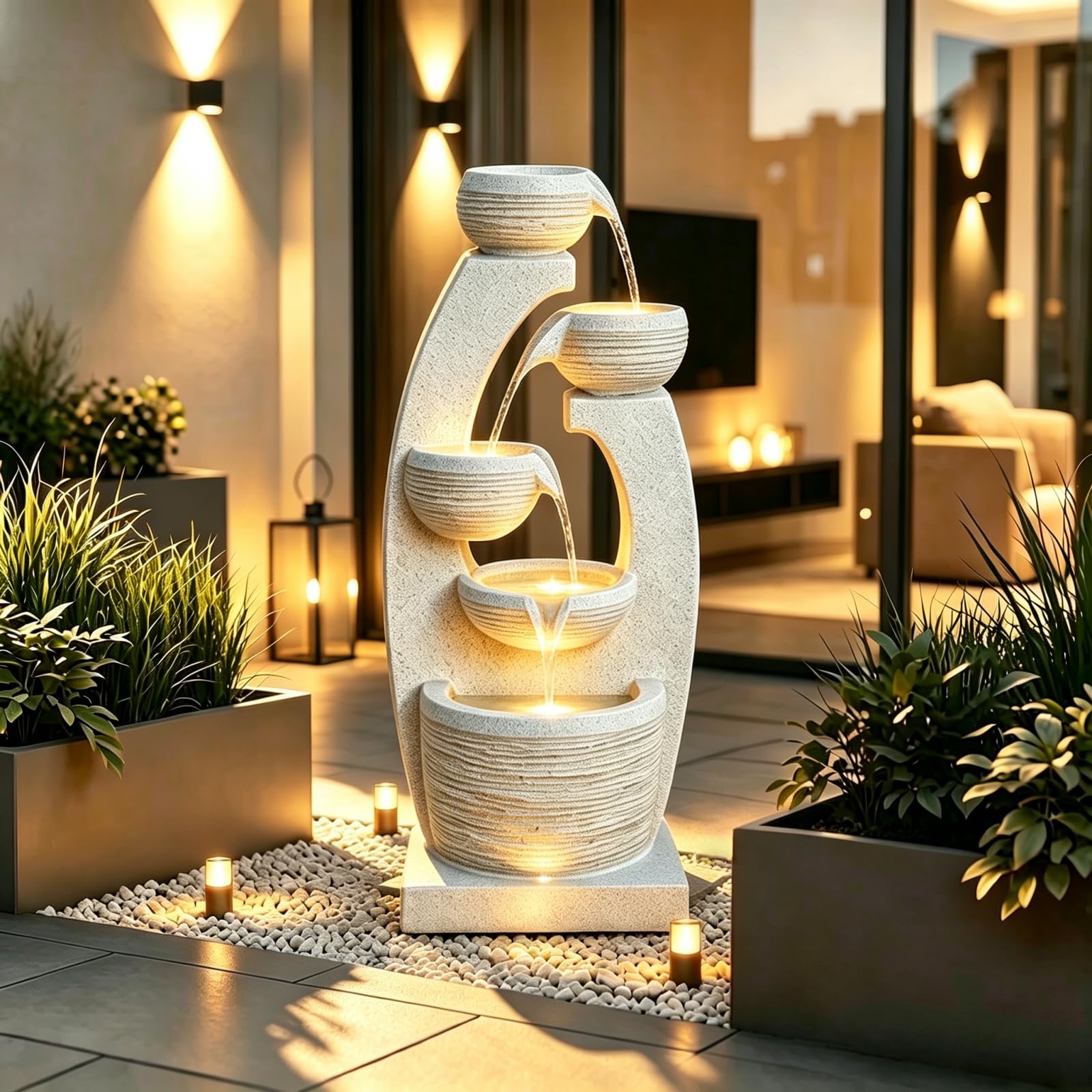


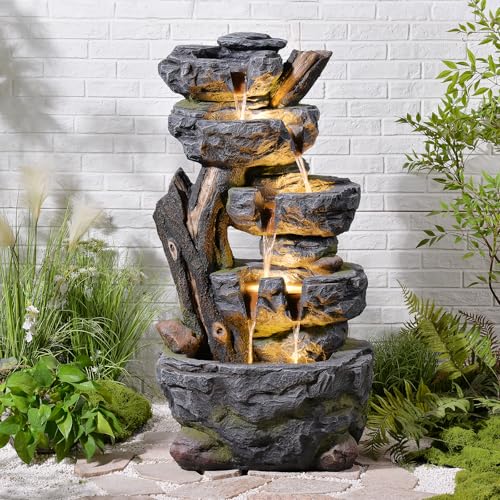
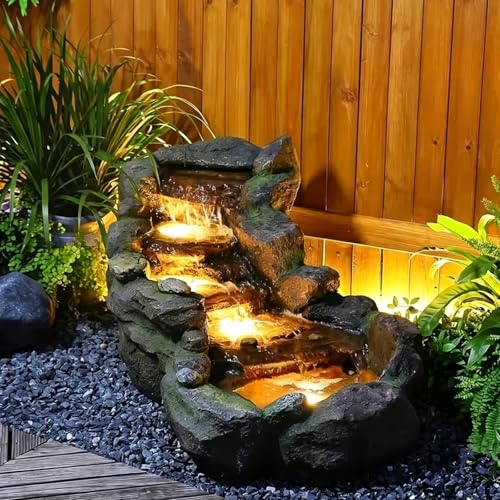


What Each Spending Level Gets You
Spending levels for fountains differ mainly in materials, pump quality, size, and finish, rather than in sound alone. A lower price can still buy a pleasant tabletop or small garden fountain, while a higher price usually buys heavier materials and a pump built for longer daily use. The sections below describe what to expect at each level.
Budget Level
Budget fountains, often about $50 to $150, tend to be compact, lightweight, and made from resin or molded plastic that mimics stone. They suit patios, balconies, and small gardens, and they are easy to move and store for winter. Expect a smaller pump, a simpler water pattern, and a finish that may fade in strong sun, so check pump access and cleaning ease before you buy.
Mid Range Level
Mid range fountains, often about $150 to $400, offer larger basins, heavier resin or cast stone, and pumps with better flow control. They suit a garden bed or patio corner where the fountain will stay in place through the season, and they often include adjustable flow so you can tune the sound. At this level, look for a stable base, a pump you can reach without dismantling the whole fountain, and a finish that suits your outdoor furniture.
Premium Level
Premium fountains, often about $400 and up, use cast stone, metal, or high quality resin with detailed finishes and larger, more durable pumps. They suit a permanent garden feature or a large patio, and they often run quietly for long hours with steady flow. Before choosing this level, confirm the weight, the power source, and winter care, since a heavy fountain is hard to move once it is filled and placed.
How to Choose the Best Backyard Fountains: Buying Guide
Use the factors below as a checklist, and give extra weight to the ones that match your yard and habits. A fountain that is easy to clean and fits its power source will bring more pleasure than a larger model that is hard to maintain.
Intended Use and Who It Is For
Decide first whether the fountain is mainly for sound, for visual focus, or for attracting birds and wildlife. A quiet tabletop model suits a small patio or reading corner, while a larger tiered fountain suits an open garden where sound needs to carry. If children play nearby, choose a shallow basin with a stable base and no sharp edges. Think about nearby seating too, such as best backyard chairs and best backyard hammocks, so the sound reaches where you actually sit.
Price Compared With Value
Compare price against pump quality, material weight, and expected lifespan, not against size alone. A mid range fountain with a replaceable pump often offers better value than a cheap fountain that needs full replacement when the pump fails. Also budget for water, electricity or solar charging, cleaning supplies, and winter storage, since these costs continue after purchase.
Key Performance Specs
The most important specs are pump flow rate, basin capacity, and power source. A higher flow rate gives a stronger cascade, while a lower rate gives a gentle trickle, so match flow to the sound you want and to nearby seating. For pump options in more detail, see our guide to best fountain pumps. Basin capacity matters because a small basin in hot sun loses water quickly to evaporation and splash, and a solar pump needs enough direct sun to run steadily.
Size, Weight, and Fit for Your Space
Measure the spot before you buy, including width, depth, and height, and leave room to walk around the fountain for cleaning. A fountain that looks modest in a photo can dominate a small patio once filled, while a small fountain can disappear in a large garden. Check the filled weight as well, since water adds a great deal of weight to a stone basin.
Warranty and Customer Support
A clear warranty on the pump and the basin is worth more than a long warranty with many exclusions, so read what is covered and for how long. Look for makers that sell replacement pumps and seals, since pump wear is the most common reason a fountain stops working. Keep the manual and proof of purchase, and register the product if the maker offers that option.
Safety and Certifications
Follow maker guidance on electrical safety, use an outdoor rated outlet with ground fault protection, and keep cords away from walkways and water splash zones. Choose a stable base that cannot tip easily, and keep the fountain out of reach of young children when it is running. Follow local rules for outdoor water features, and never run a pump dry, since that can damage the motor and create a hazard.
Types of Backyard Fountains
Compact Options
Compact fountains sit on a table, wall ledge, or small patio, and they suit renters and small spaces. They use little water and power, and they are easy to move indoors for winter. Their sound is gentle, so they work best in quiet corners rather than in large, noisy gardens.
Budget Options
Budget fountains use light resin or plastic, keep the design simple, and focus on basic water flow rather than ornate detail. They suit a first fountain or a seasonal display, and they are easy to replace if tastes change. Check pump access and basin depth, since shallow basins need topping up more often in hot weather.
Mid Range Options
Mid range fountains balance size, materials, and pump quality, with cast stone or heavy resin and adjustable flow. They suit a permanent patio or garden bed, and they offer a fuller sound than compact models without the weight and cost of premium stone. Look for a finish that weathers well and a pump that is easy to remove for cleaning.
Premium Options
Premium fountains use heavy stone or metal, detailed finishes, and durable pumps built for long daily runs. They suit a large garden or a formal patio where the fountain is a lasting feature. Before buying, confirm delivery access, placement, power, and winter care, since moving a heavy filled fountain is difficult and costly.
Care and Maintenance Tips
- Read the manual before first use, and follow maker guidance on filling, pump priming, and power connection.
- Clean the basin and pump intake regularly to prevent algae and debris from blocking flow.
- Top up water often in hot weather, and never let the pump run dry.
- Store a lightweight fountain in a dry place for winter, and drain and cover a heavy fountain that must stay outside.
- Inspect cords, seals, and the basin each season, and replace worn parts promptly.
FAQs
What features matter most when buying a backyard fountain?
Pump quality, basin size, materials, and power source matter most, because they decide sound, upkeep, and lifespan. A replaceable pump with adjustable flow gives you control over sound and makes repairs simple, while a basin that is too small will need constant topping up. Also check stability, cleaning access, and winter care, since a fountain that is hard to clean or store will quickly become a chore rather than a pleasure.
How much should I spend on a backyard fountain?
Budget fountains often cost about $50 to $150, mid range models about $150 to $400, and premium stone fountains about $400 and up. Spend more when you want a permanent feature, a larger basin, or a pump built for long daily use, and spend less for a small patio accent or a seasonal display. Also allow for ongoing costs such as water, power, cleaning supplies, and replacement pumps over time.
How long does a backyard fountain last?
A well kept fountain can last many years, with resin models often lasting several seasons and cast stone models lasting much longer when cared for properly. Pump life varies with use, water quality, and whether the pump ever runs dry, so cleaning and topping up water regularly extends pump life. Winter damage is a common cause of early failure, so draining, covering, or storing the fountain in cold months makes a real difference.
How do I maintain a backyard fountain?
Maintain a fountain by topping up water, cleaning the basin and pump intake, and removing leaves and debris before they block flow. Change the water when it looks cloudy or green, scrub algae from surfaces, and check cords and seals each season. In winter, drain the fountain or store it in a dry place, following maker guidance, to prevent cracking from freezing water.
Are expensive backyard fountains worth it?
Expensive fountains are worth it when you want a permanent feature, heavier materials, a quieter and more durable pump, and a finish that ages well. They are less worth it for a small patio, a rental home, or a seasonal display, where a mid range or budget model gives similar sound for less money. Compare pump quality and replacement part availability at each price, since those factors often matter more than decoration alone.
Wrapping Up
Start with your space, power source, and tolerance for upkeep, then choose a size and material that fits those limits. A fountain that is easy to clean, simple to power, and stable in its spot will give more enjoyment than a larger model that is hard to maintain. For most yards, the best backyard fountains balance sound, size, and care, so check the product table above and pick the style that suits your garden and budget.


