Best Backyard Bird Feeders in 2026: Which Type Is Right for You?
Disclosure: We may earn a commission when you buy through links on this page, at no extra cost to you. As an Amazon Associate I earn from qualifying purchases. Learn more

Best backyard bird feeders for small yards and big gardens: compare tube, hopper, platform, and suet types by size, material, and price.
Choosing the best backyard bird feeders can feel confusing because feeders look similar at first glance yet serve very different birds and yards. The right choice depends on the birds you hope to attract, the seed you plan to offer, and how much cleaning and refilling you are willing to do. This guide compares feeder types in plain terms so you can see the tradeoffs before you buy.
The product table gives a quick view of popular picks, and the sections that follow explain how each feeder type works in everyday use. For a broader overview, see our guide to best bird feeders. You will also find guidance on size, materials, placement, and care, plus answers to common questions about keeping a feeder clean and useful through the seasons.




Best Backyard Bird Feeders by Type
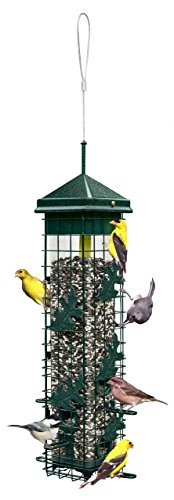
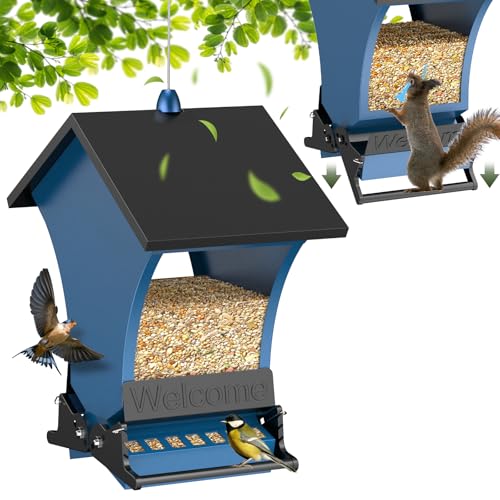
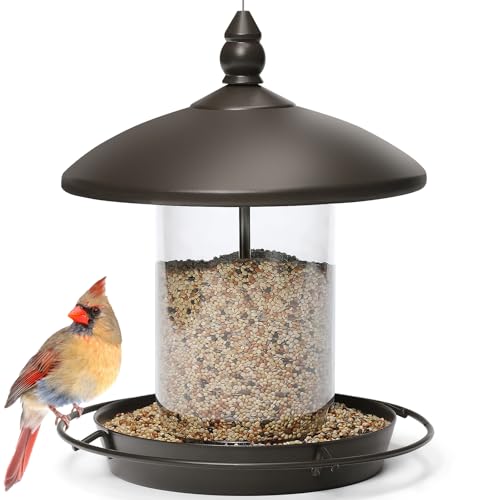
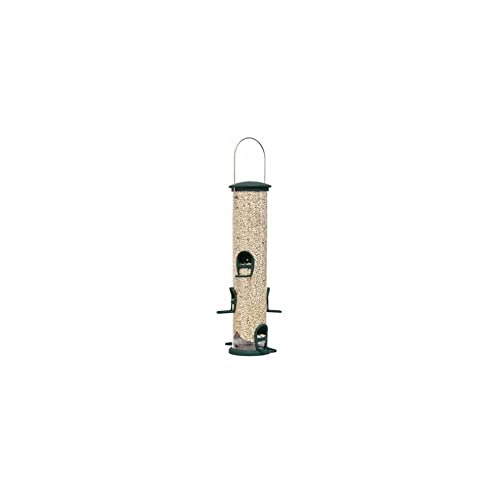
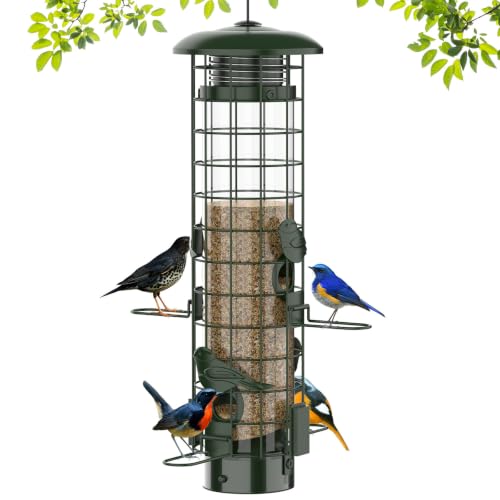
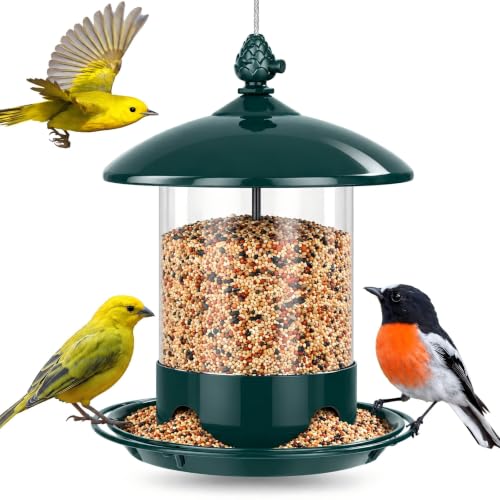
Most feeders fall into a few broad styles, and each style suits a different feeding habit. Tube feeders suit small perching birds, hopper feeders hold a larger seed supply, platform feeders welcome ground feeding birds, and suet feeders serve birds that cling and peck. The table below sums up the main differences.
| Type | Best For | Pros | Cons | Typical Price |
|---|---|---|---|---|
| Tube feeder | Small perching birds | Less waste, easy to hang | Small capacity, needs frequent refills | About $15 to $40 |
| Hopper feeder | Mixed backyard birds | Large capacity, simple to fill | Can attract larger birds and squirrels | About $25 to $70 |
| Platform feeder | Ground feeding birds | Wide access, easy to watch | Seed exposed to rain, needs frequent cleaning | About $20 to $50 |
| Suet feeder | Clinging birds | Simple design, low waste | Limited to suet cakes, seasonal appeal | About $10 to $30 |
Lightweight and Easy to Hang Feeders
Lightweight feeders, often made from plastic or thin metal, hang easily from a hook, branch, or pole, and they suit renters and anyone who wants to move a feeder around the yard. They work well for small seed eaters, and their simple design makes refilling quick. The tradeoff is durability, since thin parts can crack in cold weather or bend if a squirrel climbs on them, so check the hanging loop and ports before you buy.
Eco Friendly Feeders
Eco friendly feeders use recycled plastic, responsibly sourced wood, or metal parts that last longer and need less frequent replacement. Wood feeders blend into a garden and often suit larger seed mixes, while recycled plastic feeders resist moisture and are easy to wipe clean. Look for a design that drains well and keeps seed dry, because damp seed spoils quickly, and avoid finishes that flake into the feeding area.
Heavy Duty Feeders
Heavy duty feeders use thick metal, sturdy mounts, and reinforced ports to stand up to squirrels, wind, and daily use. They cost more than basic feeders, yet they often last several seasons and need fewer repairs, which can make them good value over time. Weight matters here, so make sure your pole or hook can hold the feeder when it is full, and choose a model with parts you can replace rather than one you must discard after minor damage.
Standard Feeders
Standard feeders sit in the middle on price and features, with a simple tube or hopper body, a basic roof or tray, and ports sized for common seed mixes. They suit most yards and most common backyard birds, and they are a sensible starting point if you are not sure which birds visit your garden yet. Their main limit is that they rarely block squirrels or keep seed fully dry in heavy rain, so placement and regular cleaning matter more with this style.
Lightweight and Easy to Hang Feeders Compared With Eco Friendly Feeders: Which Should You Choose?
Choose a lightweight feeder when easy hanging and low cost matter most, and choose an eco friendly feeder when durability and lower waste matter more. Lightweight models win on portability and price, while wood and recycled plastic models often look better in a garden and handle weather with less cracking. Compare capacity next, since a small lightweight tube may need refilling every few days in a busy yard, while a larger eco friendly hopper can last a week or more.
Also compare cleaning, because smooth plastic wipes clean quickly, while wood needs drying time after washing. If you feed in a wet climate or plan to keep a feeder up year round, the sturdier eco friendly build is usually the better long term choice.
How to Choose the Right Backyard Bird Feeder
Match the Feeder to Your Garden Size and Layout
A small yard suits one or two compact feeders placed where you can watch them from a window, while a larger garden can support several feeders spaced apart to reduce crowding. Place feeders near shrubs or trees so birds have cover nearby, but keep them far enough from dense brush that cats cannot hide close by. A sturdy mount helps here, so see our guide to best bird feeder poles, and for closer views, see our guide to best binoculars for backyard bird watching.
Durability and Weather Resistance
Metal feeders handle sun, rain, and cold better than thin plastic, while wood feeders need a finish that resists moisture without flaking into seed. Look for a roof or baffle that sheds rain, drainage holes that let water escape, and ports that do not trap seed where it can rot. In winter, bring in feeders with parts that become brittle in freezing weather, or choose a model rated for cold use, and check mounts after storms.
Value and Coverage per Dollar
Value depends on capacity, durability, and how much seed is wasted, not on price alone. A cheap feeder that spills seed or cracks in one season can cost more over time than a sturdier model that lasts for years. Compare the seed capacity against your bird traffic, since a large feeder in a quiet yard wastes seed, while a small feeder in a busy yard needs constant refilling. Replacement parts, such as trays and ports, also add value because they extend the life of the feeder.
Material and Build Quality
Plastic feeders are light and easy to clean, metal feeders resist squirrels and weather, and wood feeders suit a natural garden look but need more care. Check joints, hinges, and hanging hardware, since weak fittings fail first, and look for smooth edges inside the seed chamber where seed can jam. A feeder that opens fully for cleaning will stay cleaner than one with narrow openings that trap old seed in corners.
Safety and Clean Feeding
Clean feeding starts with fresh seed and a feeder that does not hold mold. Choose lead free materials and finishes, keep feeders away from treated wood and chemical sprays, and wash feeders regularly with warm soapy water, rinsing well before refilling. Keep feeders out of reach of young children and pets during cleaning, store seed in a sealed container, and follow local rules about feeding wildlife in your area.
Care and Maintenance Tips
- Clean feeders every two weeks, and more often in wet or hot weather, to prevent mold and stale seed.
- Empty and dry a feeder fully before refilling, since damp seed clumps and spoils quickly.
- Move feeders to a dry spot during heavy storms, and check mounts and hanging loops each season.
- Offer fresh seed in small amounts at first, so you learn which seed your local birds actually eat.
- If you notice birds that look unwell near a feeder, pause feeding, clean thoroughly, and check local wildlife guidance.
Backyard Bird Feeders: Your Questions Answered
Which feeder type is best for small birds?
Tube feeders are usually best for small birds, because their small ports and perches suit finches, chickadees, and similar species while making it harder for larger birds to dominate the feeder. Choose a tube with metal ports if squirrels visit your yard, since plastic ports wear quickly under chewing. Place the tube near cover, keep seed fresh, and add a tray only if you want to catch spilled seed for ground feeding birds.
How often should I clean a bird feeder?
Clean a bird feeder at least every two weeks, and weekly during hot, wet, or very busy feeding periods. Remove old seed, wash with warm soapy water, rinse thoroughly, and let the feeder dry fully before refilling. More frequent cleaning matters for platform feeders, which expose seed to rain, and for any feeder where you notice mold, clumping, or a sour smell.
Where should I place a bird feeder?
Place a bird feeder where birds have nearby cover, such as shrubs or a tree, and where you can watch it easily from indoors. Keep it about ten feet from dense brush to reduce the risk from cats, and avoid placing it very close to windows unless you use window decals or screens to reduce strikes. Also choose a spot that stays fairly dry and is easy for you to reach for cleaning and refilling.
What seed should I start with?
Start with black oil sunflower seed, which attracts a wide range of common backyard birds and suits most tube and hopper feeders. Avoid cheap mixes full of filler seed that local birds ignore, since uneaten seed rots and attracts pests. Once you see which birds visit, you can add nyjer for finches, suet for woodpeckers, or mealworms for bluebirds, matching each new food to a suitable feeder type.
How do I keep squirrels away from a feeder?
Use a pole mounted feeder with a baffle, place it away from roofs, fences, and overhanging branches, and choose a feeder with metal parts and squirrel resistant ports. No feeder is fully squirrel proof, so combine placement, baffles, and sturdy materials rather than relying on one feature alone. Keep fallen seed cleaned up, since spilled seed draws squirrels and other pests to the area.
Final Thoughts
Start with the birds you want to attract and the space you have, then pick a feeder type that matches both. A sturdy, easy to clean feeder that keeps seed dry will serve you better than a fancy model that is hard to maintain. For most yards, the best backyard bird feeders are the ones you will clean often, refill with fresh seed, and enjoy watching, so check the product table and choose the style that fits your garden and routine.