
Best Backup Generators Home Use: 2026 Buying Guide
Disclosure: We may earn a commission when you buy through links on this page, at no extra cost to you. As an Amazon Associate I earn from qualifying purchases. Learn more

Best backup generators home use compared by watts, fuel and type, with safe connection tips for your next outage.
When the grid goes down, a backup generator keeps the fridge cold, the lights on and the heat or fans running. Choosing the best backup generators home use households rely on comes down to three things: how many watts you need, which fuel suits your area, and how the generator connects to your home. This guide walks through each decision in plain language.
Read it alongside the table of picks below, then use the sizing steps to narrow the list to a generator that matches your outage needs and budget.

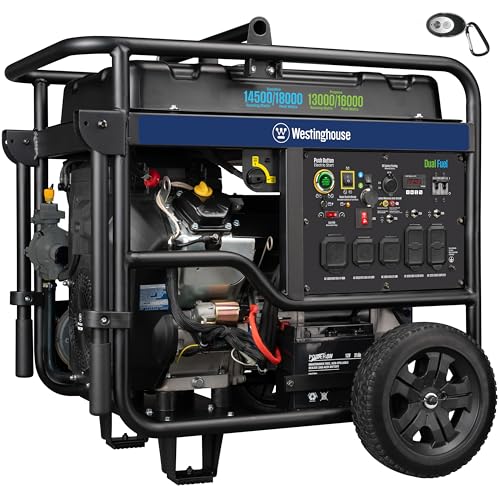

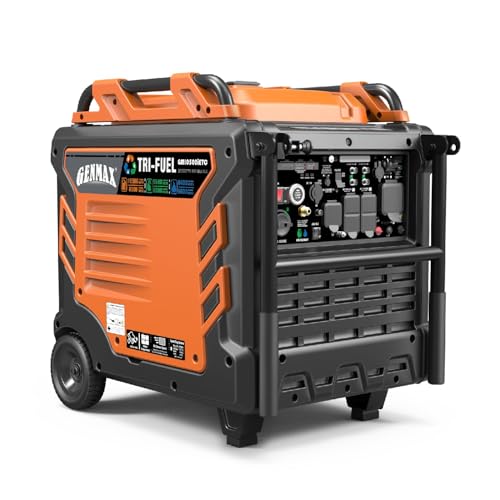
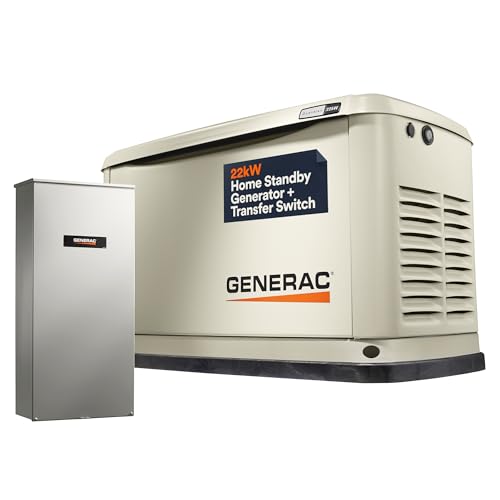
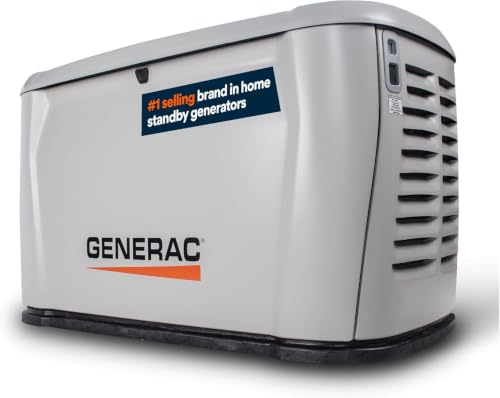
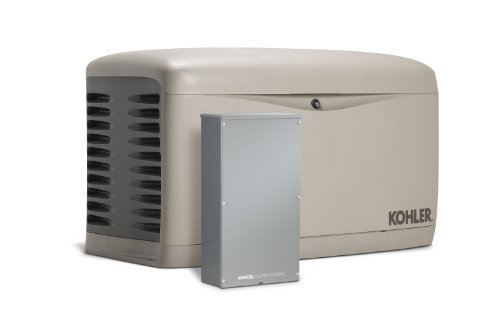


Portable or Standby: Which Type Fits Your Home?
Portable generators run on a gas, propane or dual fuel engine, sit outdoors on wheels and connect through a transfer switch, interlock kit or extension cords. They cost less and can move with you, but you must start them, refuel them and run them in a safe outdoor spot. Standby generators are permanently installed beside the home, connect to natural gas or propane, and start themselves when power fails. They cost far more, need professional installation and permits, and suit households that face frequent or long outages.
Inverter generators sit between the two for light needs. They are quieter and fuel efficient and make clean power for electronics, but most produce less power than large open frame portables.
How to Size a Home Backup Generator
List what you must power during an outage: refrigerator, freezer, a few lights, a furnace fan or air conditioner, sump pump, well pump, internet gear and phone chargers. Add the running watts of each, then allow for the higher starting watts of motor loads such as compressors and pumps. A generator in the 5,000 to 7,500 watt range covers essentials for many homes, while 9,000 to 14,000 watts can handle a larger share of circuits including a central air conditioner. Whole house standby units commonly run from about 14 to 22 kilowatts.
Peak watts and running watts are different numbers. Judge a generator by its running watts, and use the peak figure only for the brief surge when a motor starts.
Fuel Options
Gasoline
Gas is easy to find, but it goes stale in storage and must be handled with care. Use fuel stabilizer and rotate your stored fuel.
Propane
Propane stores for years and burns cleaner, but it delivers slightly less power than gas and cylinders can run low during a long outage.
Dual and Tri Fuel
Dual fuel models run on gasoline or propane, and tri fuel adds natural gas. That flexibility is valuable in a prolonged outage, because you can switch to whatever fuel is available.
Natural Gas
Standby units tied to a natural gas line can run for as long as the supply lasts, with no refueling at all.
Connecting a Generator Safely
Never plug a generator into a wall outlet, which can send power back onto the grid and endanger utility workers. Use a properly installed transfer switch or interlock kit, fitted by a licensed electrician, to power circuits from a panel. Place the generator outdoors, well away from windows, doors and vents, never inside a garage or home, because exhaust contains carbon monoxide, which cannot be seen or smelled. Install battery powered carbon monoxide alarms in your home, and follow the manufacturer's instructions and local codes for placement, grounding and refueling. Let the engine cool before adding fuel.
Key Features to Compare
Run Time and Fuel Tank
Check the stated hours at half load. A larger tank means fewer refueling trips overnight.
Start Method
Electric start with a remote or key fob is easier than a pull cord, especially in cold or wet weather.
Noise Level
Open frame portables are loud, often 70 decibels or more at 23 feet, while inverter models are noticeably quieter. Check neighborhood or campground rules too.
Outlets and Power Quality
Look for a 30 or 50 amp transfer switch outlet if you plan to connect to your home panel, and for low total harmonic distortion if you power sensitive electronics.
Build and Warranty
Steel frames, quality engines and a solid warranty matter on a machine you may need for several days straight.
Maintenance Tips
Run the generator for about 20 minutes each month under a light load, and change the oil on the schedule in the manual. Keep spare spark plugs and a clean air filter on hand, and store fuel in approved containers away from living areas. Before storm season, confirm the transfer switch works and that you have enough fuel for at least a day or two of use.
Budget and Ownership Costs
Portable dual fuel generators often cost roughly $700 to $2,500 depending on output, and large tri fuel models cost more. Standby generators can cost several thousand dollars before installation, which adds electrical work, a gas line or propane tank, a concrete pad and permits. Factor in a transfer switch or interlock kit, heavy duty cords, fuel storage and a cover. The best backup generators home use households buy are the ones sized to real needs, since an oversized unit burns more fuel and costs more to maintain. Over the long term, regular oil changes and fresh fuel protect the investment and make the generator far more likely to start when you need it.
Many owners also check whether a smaller generator plus careful load management can cover essentials. Running the fridge, a few lights, internet and a fan or heater needs far less than a whole house setup, and it keeps both purchase price and fuel use down.
Common Mistakes to Avoid
- Buying on peak watts alone and ending up with a generator that cannot start your pumps.
- Running a portable generator in a garage or too close to a window.
- Skipping the transfer switch and relying on unsafe backfeeding.
- Storing gasoline untreated for months.
- Never testing the generator until the outage arrives.
Related Guides
For nearby choices, see our guides to the best generators for home use, the best portable generators for home backup and the best inverter generators for home backup.
Frequently Asked Questions
What size generator do I need to run my house?
Add up the running watts of the items you must power and allow for starting surges. Essentials-only setups often need 5,000 to 7,500 watts, while larger homes with air conditioning may need 9,000 to 14,000 watts or a standby unit.
Can a portable generator power a whole house?
Large portables can power many circuits through a transfer switch, but whole house coverage is easier with a standby generator. Prioritize circuits and avoid running every large appliance at once.
How long can a home generator run?
A portable generator typically runs 8 to 12 hours per tank at half load, and standby units connected to a gas line can run continuously. Always follow the maker's rest and maintenance guidance.
Is propane or gasoline better for a backup generator?
Propane stores longer and burns cleaner, while gasoline is easier to find. A dual fuel model lets you use either.
Do I need a permit for a generator?
Standby generators and transfer switches usually require permits and a licensed electrician. Check local codes before buying.
Final Thoughts
Size by running watts, choose a fuel you can store, and connect through a transfer switch installed by a licensed electrician. With those three decisions made, the best backup generators home use options in the table above should be easy to sort. Compare the picks with your outage plan before you order.


