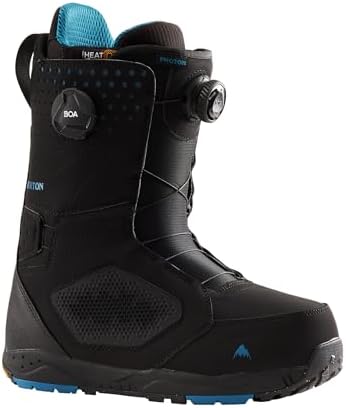
Best Backcountry Touring Boots for 2026: Matching the Right Model to Your Routine
Disclosure: We may earn a commission when you buy through links on this page, at no extra cost to you. As an Amazon Associate I earn from qualifying purchases. Learn more

Discover the best backcountry touring boots for your needs. We match features to real use cases so you avoid overpaying and get the right fit the first time.
There is no single touring boot that suits every skier, route and snow condition. A boot built for long climbs will feel soft on a steep descent, while a stiff boot made for hard charging can punish your legs on the skin track. The best backcountry touring boots for you match how far you climb, how you ski down and which bindings you already own. Start with fit and compatibility, then weigh flex, weight and walk mode range.
This guide sorts those trade offs by use case so you can narrow the field before you try anything on. Use the comparison table below to see how the main types line up once you know your group.
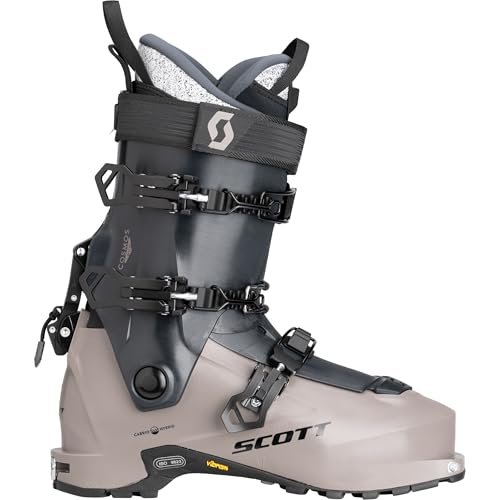

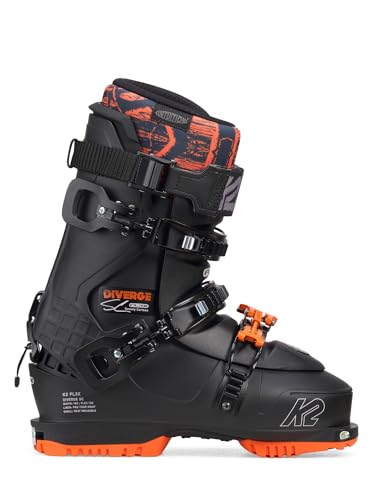

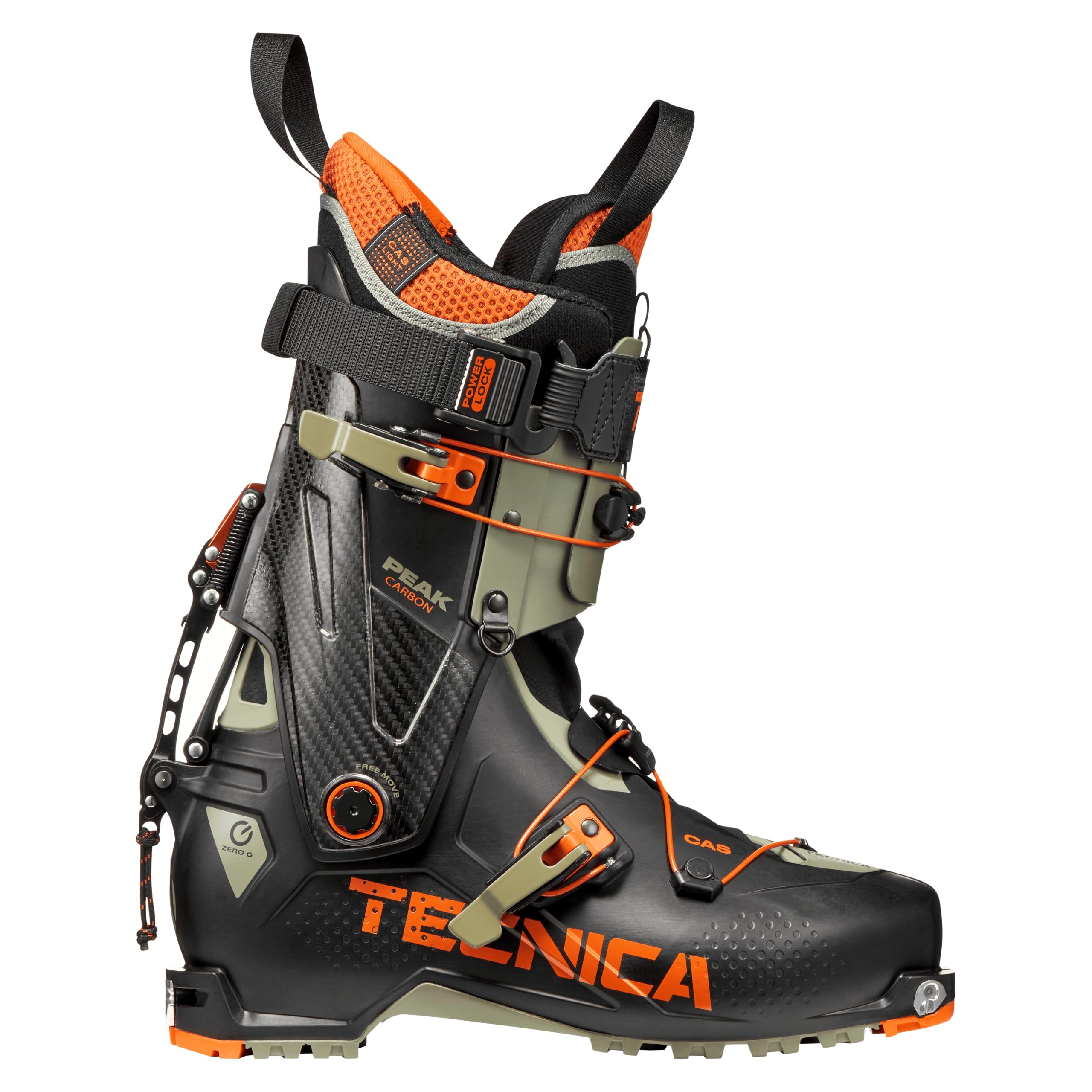
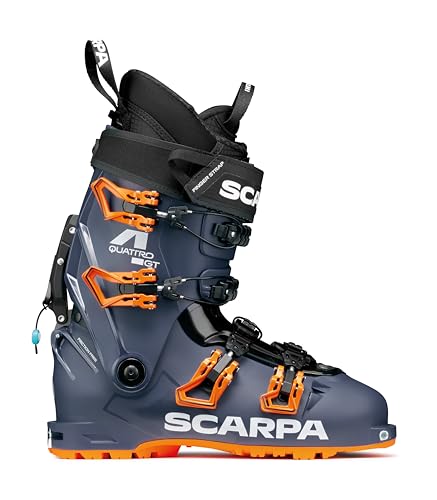
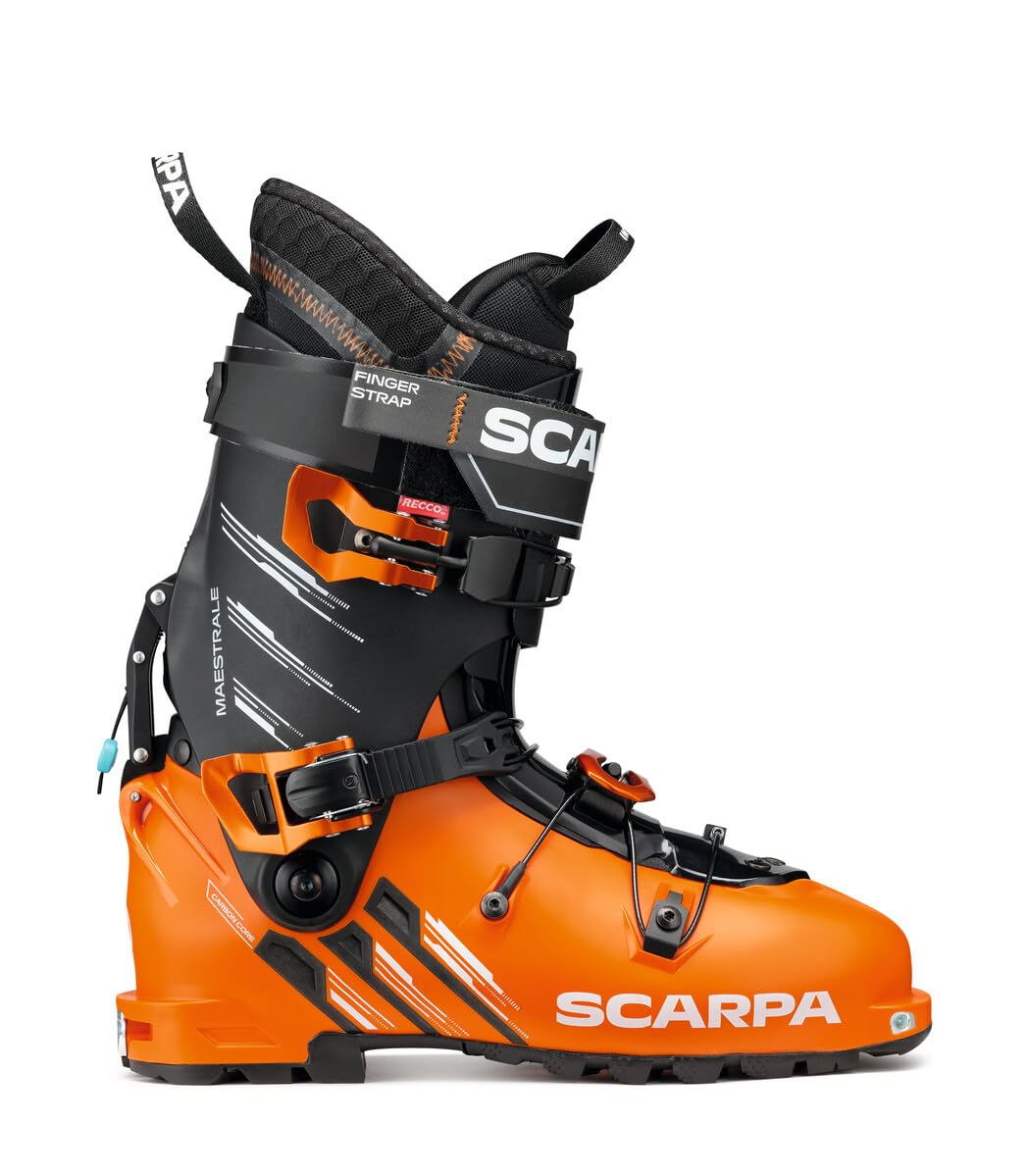
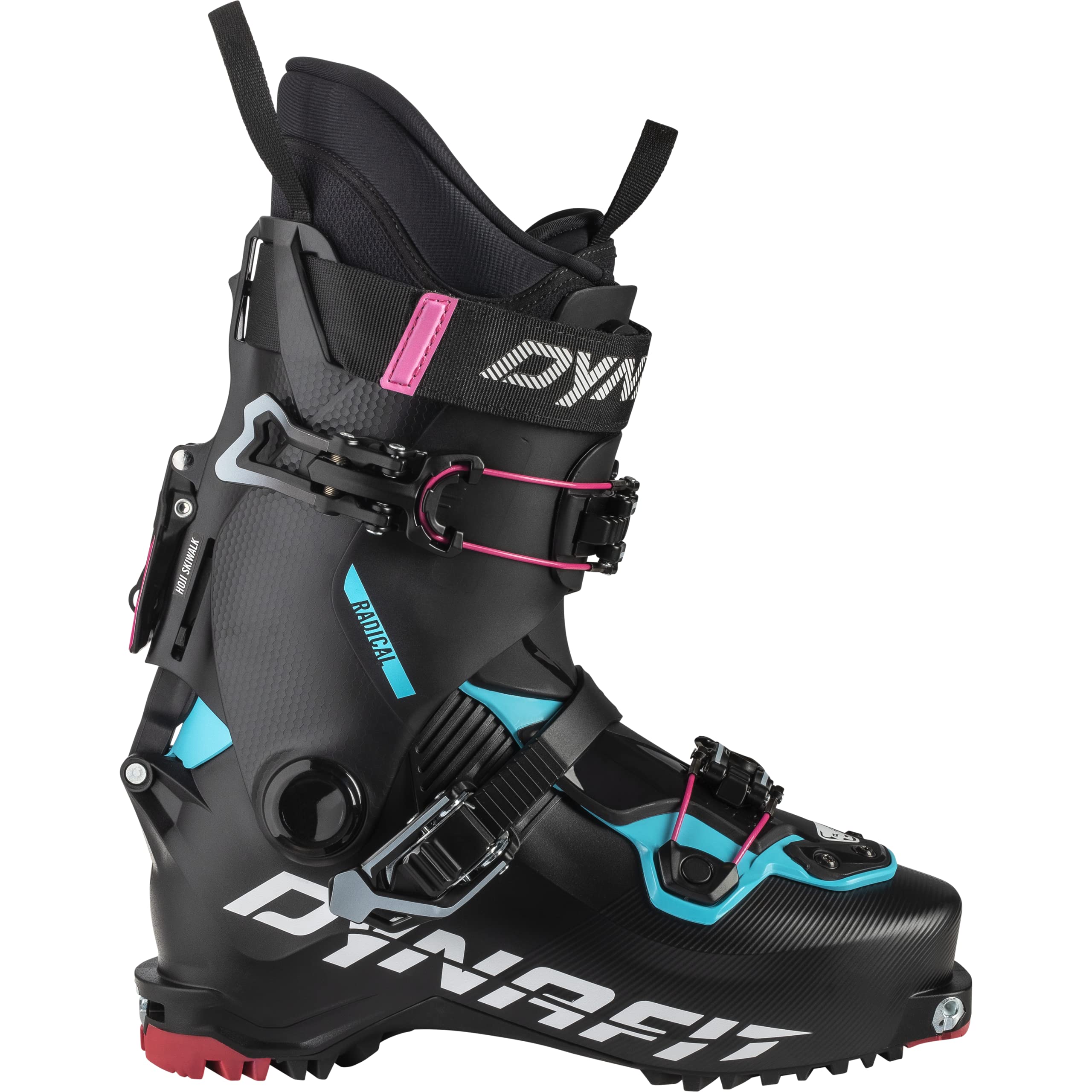
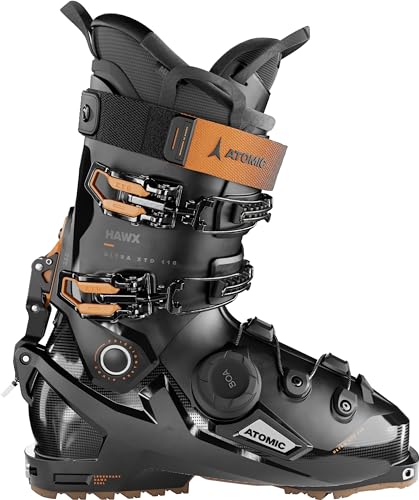
Who Should Buy Which Backcountry Touring Boots?
Think first about the tours you do most often, not the biggest day you might do once a season.
For Long Uphill Days and Fitness Tours
You climb for hours, link several laps and care more about saving energy than maximum downhill power. Prioritize low weight, a wide range of motion in walk mode and a liner that stays comfortable as feet swell during the day. A moderate flex is usually enough on moderate slopes. If this sounds like you, see our guide to the best touring boots for climb focused options.
For Descent Focused Tourers Who Ski Hard Downhill
You tour to reach steep faces, couloirs and variable snow, and you want the boot to drive a wider ski with confidence. Look for a stiffer flex, a strong power strap and a shell that holds its shape when you pressure the front of the ski. You will accept extra grams for that control. Our guide to the best alpine touring boots covers this end of the range.
For New Ski Tourers Building a First Setup
You are moving from resort skiing into the backcountry and need a boot that works while you learn new skills and systems. Choose a middle weight boot with a forgiving flex, simple buckles you can work with gloves on and pin inserts that match common tech bindings. Forgiveness matters more than the lightest shell here.
For Steep, Cold and Mixed Terrain Days
Your routes include bootpacking up firm snow, short sections of rock and long days well below freezing. You need a lugged rubber sole with real grip, a rockered shape that walks naturally and a warm liner for long stops. Strong snow sealing around the tongue also matters. For general off piste use, see our guide to the best backcountry boots.
Key Features to Compare
When you compare the best backcountry touring boots, judge each feature by what it does on the climb and the descent. A headline number alone tells you little.
Fit, Last Width and Toe Room in Backcountry Touring Boots
Fit decides everything else, because a light boot that pinches will end a tour faster than a heavier boot that fits well. Last width describes width across the forefoot, and shells come in narrow, medium and wide volumes with matching heel pockets. You want toes that can spread, a heel that stays down when you stride and no pressure over the instep. Try boots late in the day with touring socks on. Persistent numbness, white toes or sharp pain are signs to stop, work with a trained boot fitter and talk with a clinician about circulation concerns.
Flex and Shell Stiffness for Control on the Descent
Flex describes how much the cuff resists when you drive your shin forward, and higher numbers generally feel stiffer. Heavier skiers, faster skiers and anyone on wider skis usually need more stiffness to hold an edge in firm or chopped snow. Lighter skiers and newer tourers often ski better in a softer boot that lets the ankle move and forgives balance errors. Shell plastic also matters, since some plastics stiffen more in deep cold.
Walk Mode and Range of Motion on the Skin Track
Range of motion is how far the cuff can swing once you flip the boot into walk mode, often listed around 50 to 65 degrees in total. More motion lets you take a longer, more natural stride and keeps heels down on steep skin tracks. Check that the lever is easy to reach and locks firmly for skiing, because a cuff that moves when locked robs power downhill. A smooth swing matters as much as the listed number, since friction tires your legs.
Boot Weight and Uphill Efficiency
Weight is usually given per boot and commonly falls around 1000 to 1600 grams for touring models. Saving a few hundred grams per foot reduces fatigue over thousands of steps, which is why climb focused skiers watch this number closely. The trade off is that very light shells often feel less damp and less supportive in rough snow.
Binding Compatibility and Sole Shape for Touring Boots
Most touring boots use metal pin inserts at the toe and heel that lock into tech bindings, and the sole must match the binding type you plan to use. Some soles also suit frame or hybrid bindings, but many do not suit standard alpine bindings, so confirm the match before you pay. The sole should be rockered with grippy rubber lugs for bootpacking, since a flat resort sole slips on ice and rock.
How to Check Fit and Binding Match Before You Buy
Start with a shell check. Remove the liner, step into the empty shell with toes touching the front and confirm roughly one to two finger widths of space behind your heel. Too little space leaves no room for the liner, while too much means a loose fit once the liner packs out.
Next, replace the liner, buckle lightly and flex forward in ski mode, then flip to walk mode and take long strides around the shop. Ask the fitter to confirm your pin inserts line up with your bindings and to have a certified technician check release settings. If your heel lifts, your toes jam or the cuff lever rattles, try another volume before discussing price.
Common Mistakes to Avoid When Buying Backcountry Touring Boots
- Buying for resort bindings without checking pin compatibility, which can leave you with a boot your touring bindings cannot hold.
- Choosing the stiffest flex for your first tours, which often leads to shin pain and poor balance on easy descents.
- Sizing up to gain toe room, which lets the heel lift on climbs and causes blisters and lost control downhill.
- Judging walk mode by the lever alone without striding, which hides friction that will tire your legs on long approaches.
- Ignoring sole grip because the boot feels good indoors, which becomes a problem on icy bootpacks and frozen crossings.
- Skipping an allowed liner molding session, which leaves pressure points that a short heat molding appointment could have eased.
Care and Maintenance for Backcountry Touring Boots
After each tour, pull liners from the shells and let both air dry at room temperature away from direct heat, since hot air can distort liner foam and shell plastic. Close buckles lightly on empty shells so the plastic keeps its shape. Damp liners stored in closed shells invite odor and shorten liner life.
Once a month in season, inspect pin inserts for cracks and loose screws, check buckles and straps for bent parts and look at sole lugs for heavy wear. Replace footbeds when they flatten, because lost arch support often shows up as foot ache first. Our guide to the best touring ski boots explains liner life across the wider category.
Backcountry Touring Boots: Your Questions Answered
How long does the break in period last for backcountry touring boots?
The break in period for backcountry touring boots usually lasts two to four full tours. The liner compresses around your heel and ankle during that time, so a boot that feels snug in the shop often settles into a secure fit. Use short, low consequence tours for this work, because you can adjust buckle tension between laps instead of finding a hot spot hours from the trailhead.
Do backcountry touring boots keep snow and water out on long tours?
Backcountry touring boots keep snow out well when the tongue, gaiter area and buckles are closed correctly. The shell sheds snow and slush, but deep postholing without skis can still push moisture past the tongue. A useful habit is to check the lower buckle and power strap after every transition, since a strap loosened for the climb is the most common entry point for snow.
Are more expensive backcountry touring boots worth the extra cost?
More expensive backcountry touring boots are worth it when the cost buys a better fit for your foot shape, lighter materials you will notice on long climbs or a stiffer shell your skiing demands. Price alone does not guarantee comfort. A mid priced boot in the right volume will serve you better than a premium boot in the wrong shape, so spend first on fit work and compatible bindings.
How should backcountry touring boots fit compared with resort ski boots?
Backcountry touring boots should fit with a little more toe room than a tight resort boot, while keeping the heel and midfoot secure. That extra length protects toes on long descents after hours of climbing and leaves room for thicker socks. Try a firm kick against a soft surface with the boot buckled. If your toes slam hard, the length or volume is wrong for touring.
Can you use backcountry touring boots for resort skiing days?
You can use backcountry touring boots for resort skiing only when your resort bindings are rated for your boot sole type and pin setup. Many alpine bindings cannot hold a touring sole safely, and release values can differ, so a technician must confirm the pairing. Even when approved, expect a softer and less damp feel than a dedicated resort boot gives on groomed runs.
The Bottom Line
Start with fit and binding match, then choose flex and weight for the tours you do most. A boot that fits your volume, locks into your bindings and strides smoothly will serve you better than the lightest or stiffest option on the shelf. Review the product table above, shortlist two or three boots and try them on with your own socks. Done that way, the best backcountry touring boots become a clear choice rather than a gamble.