
Best Alpine Touring Boots: How to Choose for Uphill and Downhill
Disclosure: We may earn a commission when you buy through links on this page, at no extra cost to you. As an Amazon Associate I earn from qualifying purchases. Learn more

Choose the best alpine touring boots by comparing walk mode, weight, fit, binding compatibility, and weather protection for climbs and descents.
No single boot suits every skier, every slope, and every tour, so the right choice depends on how far you climb, how steep you ski down, and how much weight you want to carry. This guide explains how to choose the best alpine touring boots for your tours, your bindings, and your feet. The product table gives a quick side by side view, and the sections that follow explain what each feature means on snow, on rock, and on a long climb.
Alpine touring boots must do two jobs that pull in opposite directions: they must walk comfortably uphill with a free ankle, then lock firmly for a controlled descent. That balance shapes every decision in this guide, from cuff range of motion to shell stiffness and binding compatibility. Use the sections below to weigh climb comfort against downhill control before you judge a boot by weight or price alone.
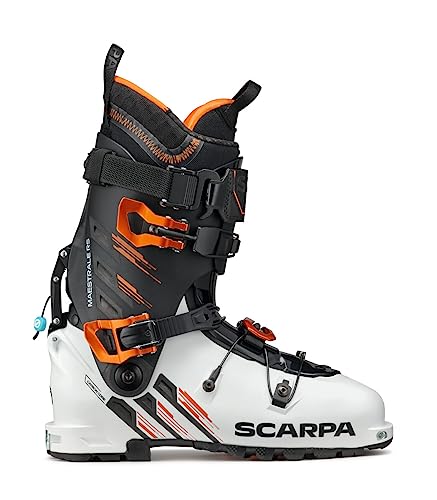
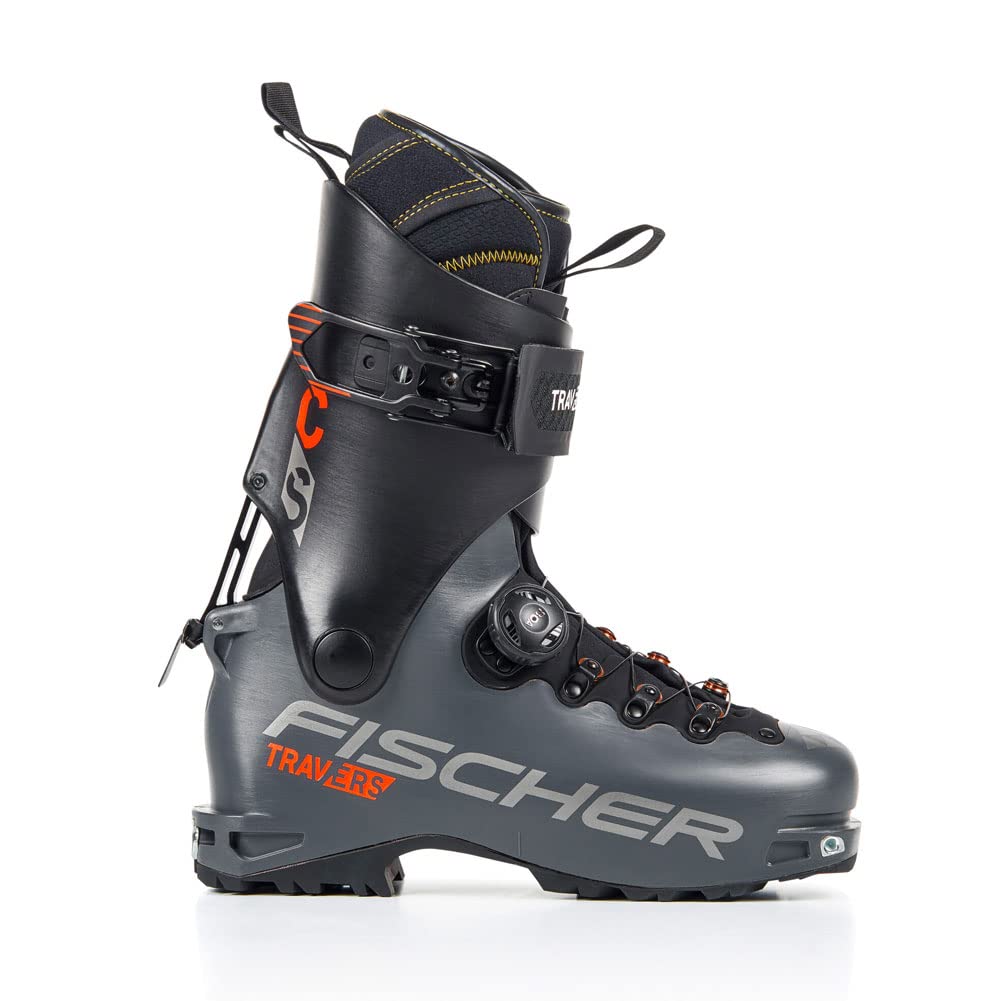
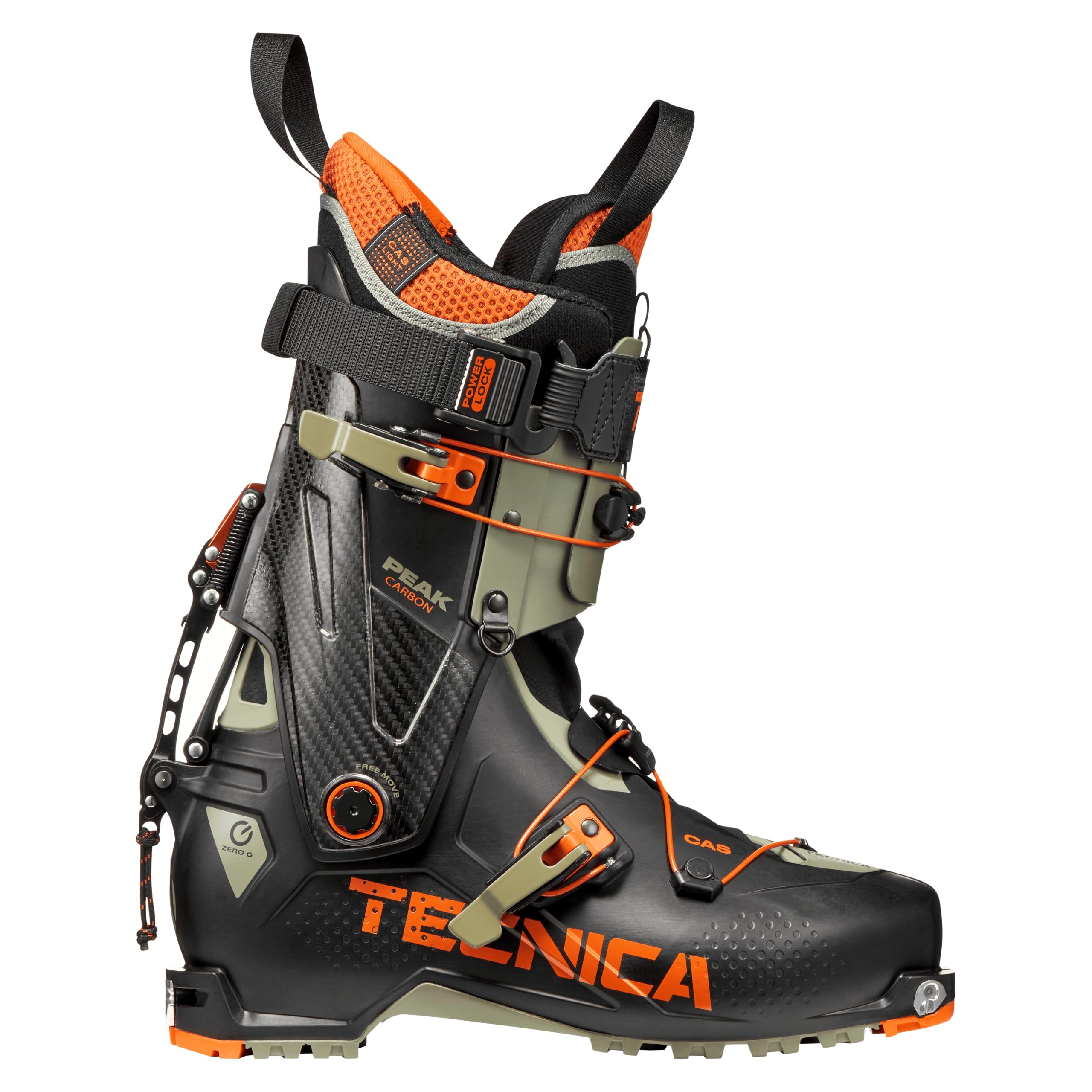


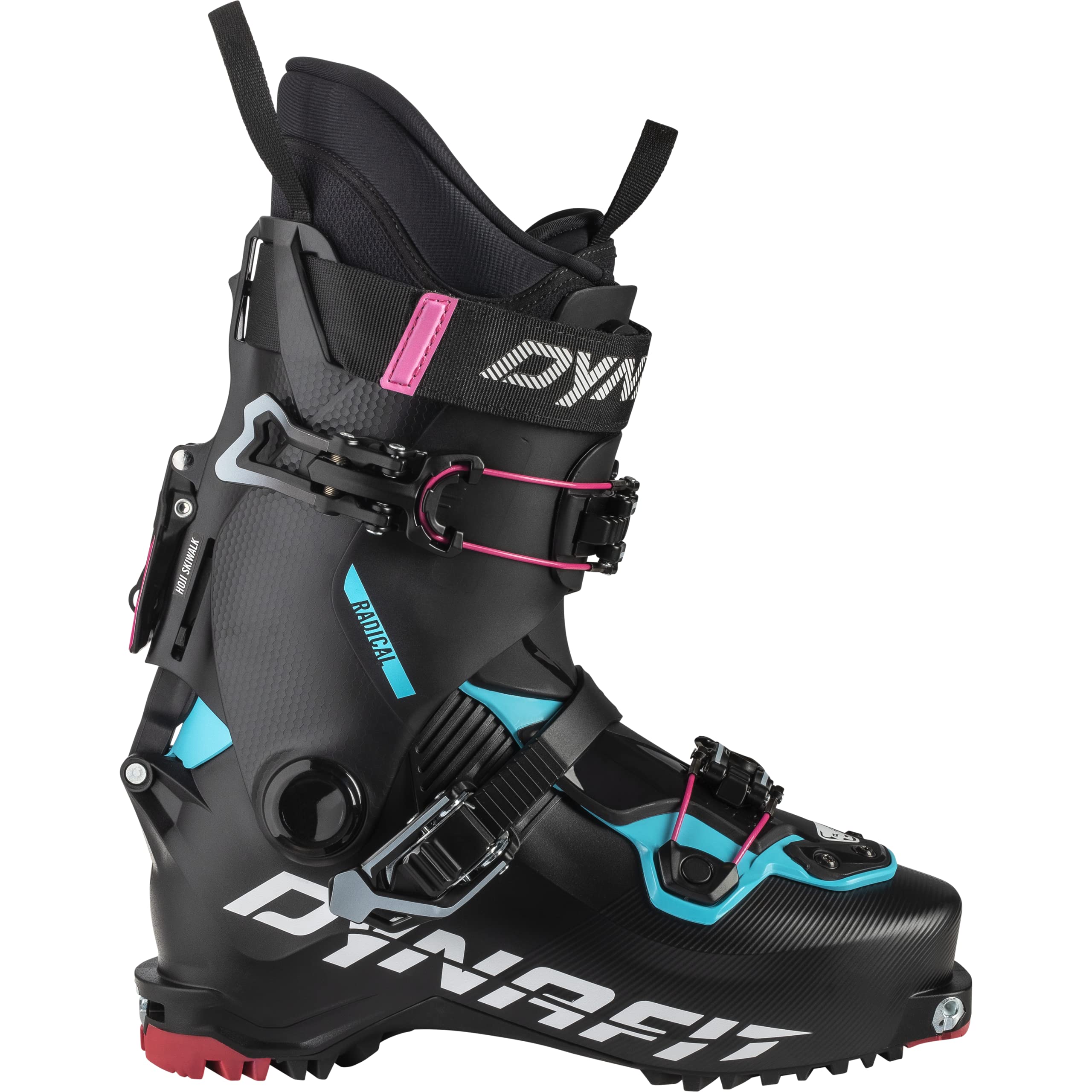

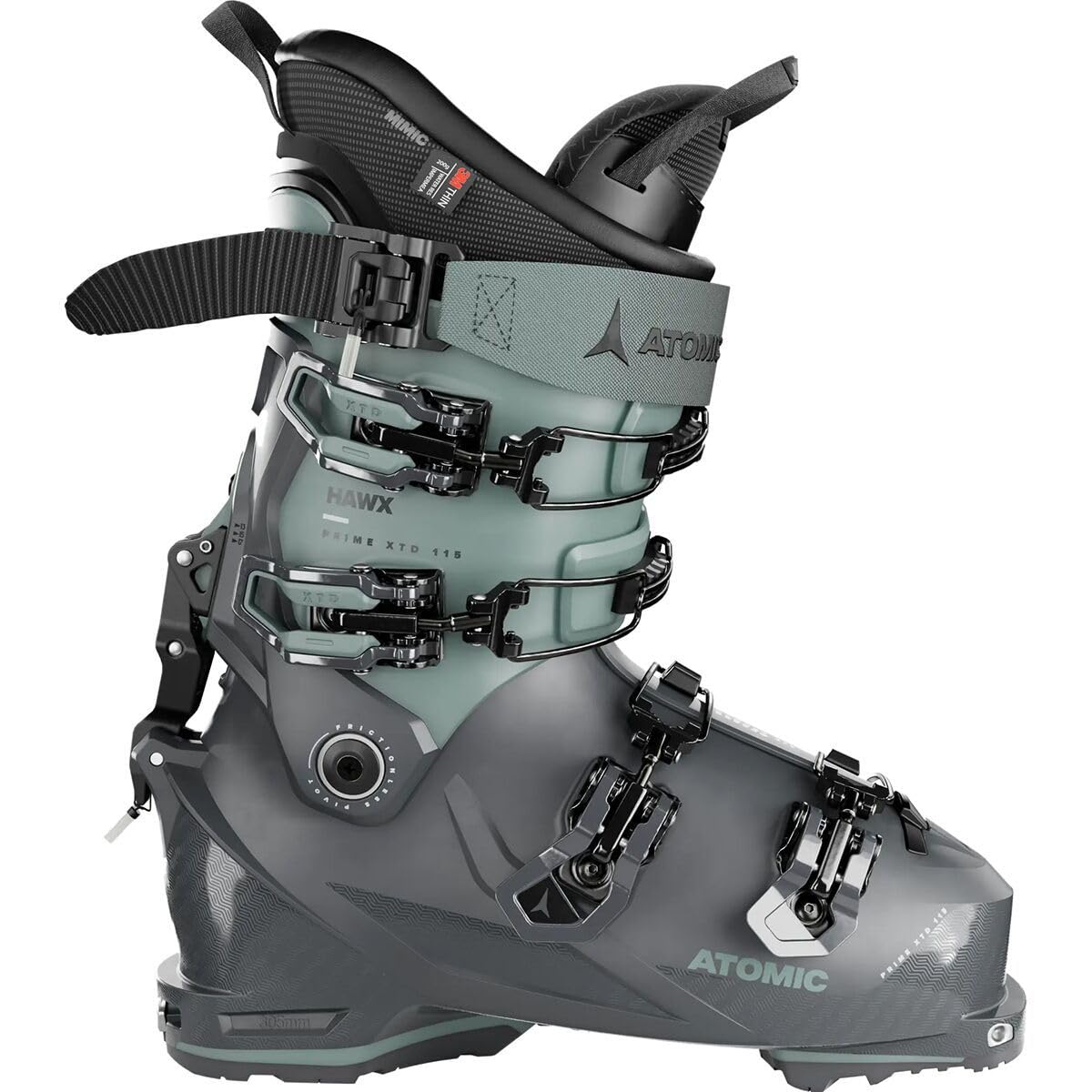

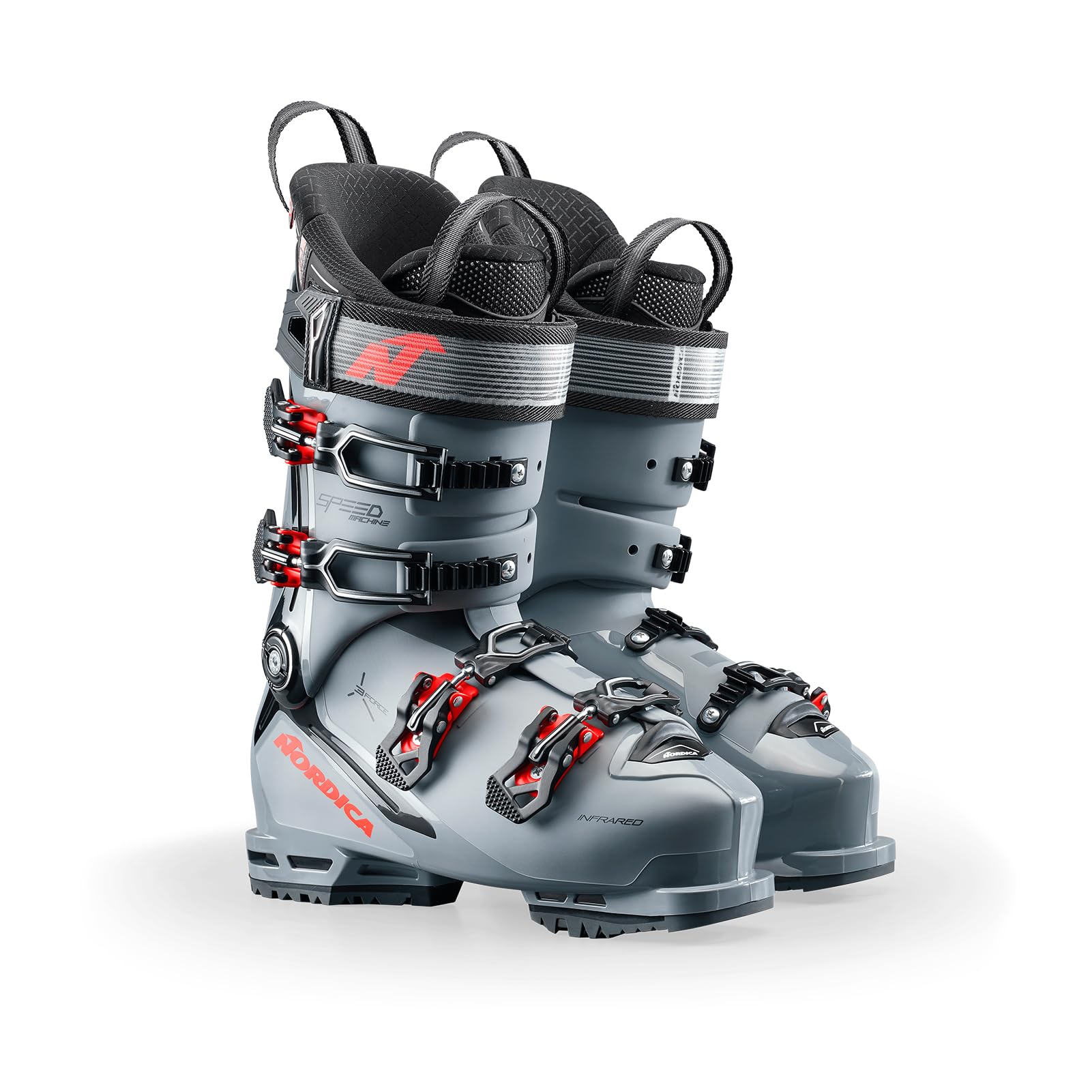
Who Should Buy Which Alpine Touring Boots?
Different skiers need different balances of weight, stiffness, and comfort, and the best balance depends on tour length, terrain, and skill. Read each group below as a pattern of needs, then match the pattern that fits your usual tours rather than copying a friend's setup.
For Weekend Beginners
Weekend beginners benefit from boots that are easy to use, forgiving on the descent, and comfortable enough for a full day without demanding expert technique. Look for a simple walk mode lever, a clear and secure buckle layout, and a liner that feels comfortable from the first tour with only modest break in. A slightly softer flex helps here, since it forgives balance mistakes and makes learning downhill control less tiring.
For Frequent or Serious Users
Frequent or serious users benefit from boots that hold up to many tours, long climbs, and varied snow, and that reward strong technique with precise control. Look for durable buckles and cuff pivots, a liner that can be heat molded for a closer fit, and a shell that balances stiffness for the descent with enough cuff travel for efficient climbing. Warranty support and replaceable parts matter more at this level, since heavy use wears liners, buckles, and soles faster.
For Skiers Who Travel Light and Store Gear in Small Spaces
Skiers who travel light and store gear in small spaces benefit from lighter boots with a compact shell, a liner that packs down well, and a simple buckle system with fewer parts to snag. Light boots climb more efficiently and are easier to carry on approaches, buses, and flights, but they may give up some downhill stiffness and warmth. Weigh that trade off honestly against your tour length, since a very light boot can feel tiring on a long and steep descent.
For Bad Weather and Tough Conditions
Skiers who tour in bad weather and tough conditions benefit from boots with strong weather sealing, a warm liner, and soles that grip wet rock and icy skin tracks. Look for a cuff and tongue design that keeps snow out, a liner that stays warm when damp, and a sole pattern that bites on firm snow and rock. In these conditions, fit and warmth matter as much as weight, since cold or wet feet end a tour far sooner than a heavy boot does.
Key Features to Compare
These features decide how a boot climbs, how it skis down, and how it feels after many hours, so compare them as a system rather than as isolated numbers. A light boot with poor binding fit helps no one, and a stiff boot with a painful shell will stay in the closet. For a broader look at touring footwear, see our guide to best touring boots.
Shell Materials and Venting
Shell materials decide weight, stiffness, and durability, while venting and liner design decide how warm and dry your feet stay. Modern touring shells often use stiff plastics for the lower shell and a lighter cuff for walking, which balances downhill control with uphill freedom. Venting matters less than liner warmth and moisture management on most tours, so check that liners dry well between days and that the shell seals snow out at the cuff and tongue.
Sole Grip and Terrain
Sole grip matters on icy skin tracks, rocky summits, and boot packs, where a slippery sole can waste energy and raise fall risk. Look for a rubber sole with a clear lug pattern that bites on firm snow and rock, plus a flat and stable area under the forefoot for edging on hard surfaces. Remember that sole wear changes grip over time, so inspect lugs before a demanding tour and replace worn soles or boots when grip clearly fades.
Shell Fit, Last Width, and Toe Room
Shell fit decides comfort and control more than any other factor, so measure your feet in the afternoon, when feet are slightly larger, and try boots with the socks you will actually ski in. Last width describes shell width at the forefoot, and a narrow last can pinch wide feet while a wide last can feel loose and imprecise for narrow feet. Toe room matters on descents, since toes that hit the front of the shell on steep pitches will bruise and ache, so check toe space with your weight shifted forward. For fit guidance shaped by narrower heels and calf shape, see our guide to best women's alpine touring boots.
Break In and Comfort on Day One
Break in describes how a liner and shell settle to your foot over the first tours, and a good touring boot should feel comfortable on day one with only minor pressure points. Heat moldable liners can speed this process by shaping to your ankle and heel, but they cannot fix a shell that is fundamentally too narrow or too short. If a boot causes sharp pain in the shop, do not trust break in to solve it, since pain usually grows worse on a long climb, not better.
Forward Lean, Flex, and Support
Forward lean, flex, and support decide how a boot drives a ski and how much effort a descent demands from your legs. A stiffer flex gives stronger edge control for heavier skiers and steep terrain, while a softer flex feels more forgiving and less tiring for lighter skiers and gentler slopes. Forward lean affects stance on steep pitches, so choose a lean that keeps you balanced without forcing you into an exhausting crouch, and try it with your bindings and skis if you can. For a ski focused comparison of flex and lean, see our guide to best alpine touring ski boots.
Common Mistakes to Avoid When Buying Alpine Touring Boots
These mistakes show up often, and each one can turn an expensive boot into a painful or unsafe choice.
- Buying by price alone, which can leave you with a boot that fits poorly or matches the wrong bindings for your tours.
- Ignoring shell fit and last width, since a boot that pinches or slips will hurt on climbs and weaken control on descents.
- Choosing a boot without checking binding compatibility, since pin fittings and sole standards must match your bindings exactly.
- Skipping a warmth and weather check, which can end a cold or wet tour early even when the boot climbs well.
- Trusting break in to fix sharp pain, since a fundamentally wrong size or shape rarely improves with more days on snow.
Care and Maintenance Tips
Good care keeps touring boots comfortable, safe, and durable across many seasons, and most tasks are simple.
- Air dry liners and shells away from direct heat after every tour, since heat can warp liners and shells and shorten their life.
- Inspect buckles, cuff pivots, and walk mode levers before a demanding tour, and replace worn parts before they fail on snow.
- Check sole lugs and pin fittings for wear and damage, since worn grip and damaged fittings reduce safety on climbs and descents.
- Store boots buckled loosely in a cool and dry place, which helps shells keep their shape and liners stay fresh between seasons.
- Rotate to dry socks and insoles on multi day trips, since dry feet stay warmer and blister less than damp feet.
Alpine Touring Boots: Your Questions Answered
Do alpine touring boots need to be waterproof?
Yes, alpine touring boots need strong weather protection, because snow, slush, and stream crossings can soak a poorly sealed boot and chill your feet quickly. A sealed cuff and tongue, a warm liner, and a shell that sheds snow matter more than a single waterproof label, since water can enter through gaps even when materials resist it. Dry your liners fully between tours, since a damp liner feels cold even in a well sealed shell.
How long is the break in period for alpine touring boots?
Most alpine touring boots settle noticeably within a few short tours, as liners mold to your ankles and heels and pressure points ease. Heat molding can shorten this period, but it cannot fix a shell that is too short or too narrow, so sharp pain in the shop is a warning sign. If pressure points persist after several tours, seek a professional boot fitting rather than enduring pain that can cause blisters or numb toes.
How should alpine touring boots fit?
Alpine touring boots should fit snugly around the heel and midfoot, with toes able to wiggle slightly and without hitting the front when you lean forward. Your heel should stay seated when you walk uphill, since heel lift causes blisters and wastes energy on climbs. Try boots in the afternoon with your ski socks on, and walk and flex in them for several minutes before deciding, since a quick stand in the shop hides fit problems.
Can I wear alpine touring boots all day?
Yes, you can wear alpine touring boots all day when fit, warmth, and walk mode suit your tour. A boot with good cuff travel walks far more comfortably than a stiff downhill boot, and a well fitted liner prevents the hot spots that end long days early. Ask your doctor if you notice persistent foot pain, numbness, or swelling that does not ease with rest. For women specific ski boot fit notes, see our guide to best women's alpine touring ski boots.
How often should I replace my alpine touring boots?
Replace alpine touring boots when shells crack, liners pack out and no longer support your foot, buckles or walk mode parts fail, or soles lose grip despite care. Tour frequency, terrain, and storage all affect lifespan, so inspect boots at the start of each season rather than trusting a fixed year count. A boot that still fits well and holds its stiffness can last many seasons, while a boot with a broken walk mode lever or cracked shell should retire promptly for safety.
Final Thoughts
Choose by fit and binding compatibility first, then by the balance of climb comfort and downhill control that matches your tours. The best alpine touring boots for you fit well, match your bindings, and suit your weather, and they will carry you farther and more comfortably than a lighter or cheaper boot that pinches or slips. Check the product table once more against your bindings, your usual tour length, and your feet before you order, and ask your doctor if foot pain persists or worsens.


