
Best Backcountry Snowboard Boots by Budget for 2026
Disclosure: We may earn a commission when you buy through links on this page, at no extra cost to you. As an Amazon Associate I earn from qualifying purchases. Learn more
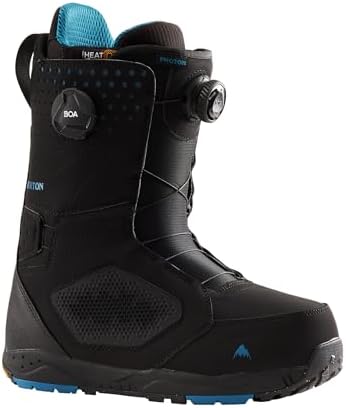
See what each price tier adds in backcountry snowboard boots, from flex ratings and lacing systems to splitboard fit, liners and ownership costs.
Backcountry snowboard boots span a wide price range, and the tags do not explain themselves. A budget pair and a premium pair can look nearly identical on a shelf, yet one is built for resort laps and the other for hours of climbing on a splitboard. Knowing where the money actually goes helps you pick the best backcountry snowboard boots for the touring you really do, instead of paying for stiffness or hardware you will never use.
This guide is organized by budget. It starts with flex, the rating that shapes everything else, then shows what each price tier adds, which features earn their cost, and what ownership adds later. The comparison table below gives the quick view before the detail.
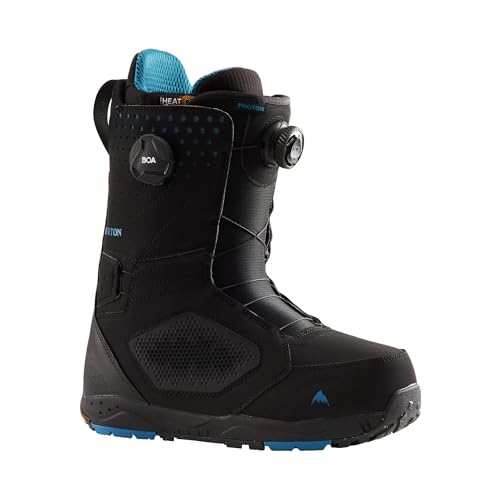
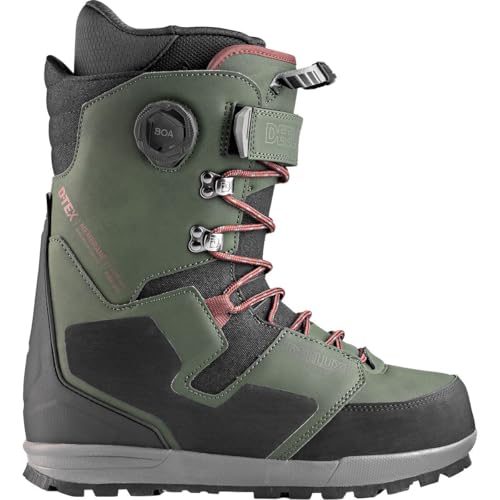
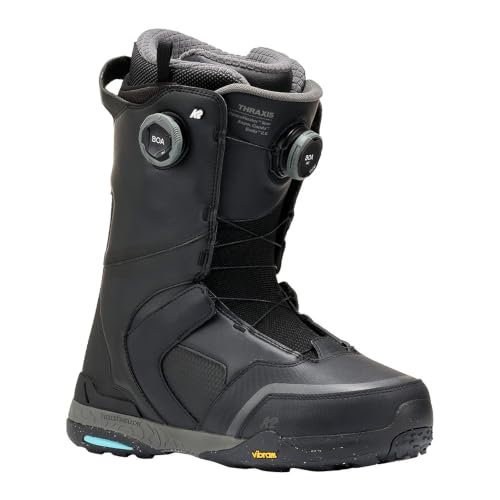
Flex First: The Rating That Shapes the Boot
Flex is quoted on a simple scale, and the bands are worth memorizing. Stated plainly: a soft class rates about 3 to 5, a medium class about 5 to 7 and a stiff class about 7 to 10. Soft boots forgive mistakes and feel kind on long skin tracks, but they fold when you hold an edge on steep, icy traverses. Stiff boots answer every movement with precision and support a loaded pack, yet they can punish shins on a full day of climbing.
Most backcountry riders touring mixed terrain land in the medium band, around 5 to 7, because it climbs comfortably and still rides firm snow with control. Reserve the stiffest ratings for steep couloirs, heavy packs and riders who charge hard on the descent. If your touring is mellow and your descents are playful, the softer end saves money and soreness alike.
What Your Money Gets You at Each Price Tier
Budget Tier: What to Expect Under $200
Budget backcountry boots run about $150 to $200 and keep things simple: traditional laces or a basic speed system, a soft to medium flex, and a liner that molds only slightly to your foot. Expect a sole with modest grip for bootpacking and hardware that works fine but wears faster. This tier suits new tourers, short approaches and riders who go out a handful of days each season. The main trade off is durability in the heel and toe, where cheaper materials scuff and soften early.
Midrange Tier: Where Most Tourers Should Shop
Between about $200 and $320, boots gain heat moldable liners, firmer heel hold and soles designed to grip snow and rock on the climb. Flex settles into the versatile middle band, and closure systems get quicker and more secure. For riders touring every weekend, this is the honest value zone: the comfort upgrades are real, the weight drops a little, and the boots typically survive several seasons of regular use. If you only buy one pair, buy it here.
Premium Tier: When Spending More Pays Off
Premium pairs cost about $320 to $450 and spend the extra on a stiffer, more responsive shell, a walk friendly cuff design on some builds, lighter materials and grippy soles made for steep bootpacks. Liners get denser foams that hold their shape longer. This tier makes sense for long approaches, technical descents and heavy use, say forty or more touring days a year. Casual tourers will feel the price long before they feel the benefit.
Features Worth Paying For (and Ones to Skip)
Splitboard Fit and Strap Grip
Backcountry riding usually means a splitboard, and the splitboard class wants a stiff class of boot plus a strap class of support. Your boots must work with strap bindings all day, so a smooth, durable toe and heel that straps cannot chew up matters more than fashion. A stiffer boot also drives the board better when the two halves feel flexy in tour mode. Riders on solid boards at sidecountry gates can stay softer and save money.
Lacing Systems: Laces, Dials and Speed Lacing
Three closure classes compete here, and each trades repair ease against speed. A lace class is the slowest to adjust but can be fixed in the field with a spare lace, which matters miles from the trailhead. A dial class tightens in seconds with gloves on, yet a broken dial needs a repair kit. A speed class splits the difference with quick pulls and simple parts, so pick based on how far from help you travel.
Size, Weight and Fit
Fit for touring means a locked heel and a toe box that tolerates swollen feet at the end of a climb. Bring your riding socks to any fitting, and walk an incline ramp if the shop has one. Weight matters on the skin track: a lighter pair saves energy every step, but shaving grams by choosing a soft boot is a false economy if the descent gets steep. Shoppers comparing the broader family, including the best backcountry boots built for ski and foot travel, will notice how much firmer snowboard lasts feel by design.
Liners and Warmth
The liner is where comfort is won. Heat moldable liners in the midrange and premium tiers shape to your heel and ankle, cutting lift and hot spots on long climbs. Warmth ratings are not standardized between makers, so judge by liner thickness and your own cold tolerance rather than a printed number. Riders who tour in deep cold often size for a thicker sock instead of trusting a warmer label claim.
Who Each Boot Class Serves
Newer riders should start soft to medium and spend the savings on avalanche education, since no boot replaces training. The best men's snowboard boots and the best women's snowboard boots guides break down fit differences by last shape. Style first shoppers browsing the best looking snowboard boots should still check flex before color. Resort riders crossing over can compare with the best all mountain snowboard boots, though that class lacks the touring sole and walk comfort this one assumes.
Long Term Costs to Factor In
The sticker price is not the whole spend. Replacement liners cost about $80 to $150 when the originals pack out, spare laces and dial parts add small but real money, and a pair toured hard may need replacing after about 100 to 150 days of use. Factor in socks, since a good merino pair runs about $20 to $30 and touring eats them. A midrange boot with a replaceable liner often costs less over three seasons than a budget boot replaced twice, which is why the product table above is worth reading beside this section.
Questions Answered
What flex should a first backcountry snowboard boot have?
A medium flex, around 5 to 7, is the safest first choice for backcountry touring. It climbs without fighting your ankles and still holds an edge when the descent firms up. Softer boots feel friendly on day one but can fold on steep traverses, while very stiff boots demand strong legs and good technique. If your tours are short and mellow, the soft end of medium keeps the learning curve gentle and the price lower.
Do backcountry snowboard boots fit the same as resort boots?
They fit similarly in length but differ where it counts for walking. Touring boots need a heel that stays locked during thousands of uphill steps, and many have a slightly roomier toe for swollen feet. Always try them with your touring socks and spend a few minutes walking, not just standing. A boot that feels perfect standing still can lift at the heel after ten minutes of simulated climbing.
Is a premium boot worth it for a beginner on a budget?
Usually not, because beginners gain more from days on snow than from stiffer shells and lighter materials. A premium boot can even slow learning, since a very stiff flex punishes balance mistakes. Put the savings toward a midrange pair, a proper boot fitting and avalanche safety training. When you are touring most weekends and your skills outgrow the middle tier, the premium upgrade will feel obvious rather than speculative.
How long do backcountry snowboard boots last?
Expect about 100 to 150 touring days before the flex softens noticeably and the liner packs out, though gentle use stretches that further. The shell usually outlasts the liner, so a fresh liner can restore much of the original feel for a fraction of a new pair. Rotate drying between tours, keep boots away from heaters, and check closure hardware each season. When the boot stops holding an edge in steep snow, it is done, whatever the calendar says.
Can backcountry snowboard boots be used at the resort?
Yes, they work fine for resort riding, and many people use one pair for both. The compromises run the other way: a pure resort boot often lacks the sole grip and walk comfort that touring rewards. If most of your days are lift served with a few tours mixed in, a medium flex backcountry pair still makes sense. Just expect the grippier touring sole to wear faster on parking lot pavement.
Final Thoughts
Let flex lead, then let your budget tier follow from how often and how far you tour. A medium flex midrange pair covers most riders honestly, and the savings are better spent on liners, socks and safety training. Check your shortlist against the product table above, and the best backcountry snowboard boots for your terrain and wallet should be an easy call.


