Best Backcountry Hiking Boots for 2026: A Buying Guide
Disclosure: We may earn a commission when you buy through links on this page, at no extra cost to you. As an Amazon Associate I earn from qualifying purchases. Learn more

Compare the best backcountry hiking boots by fit, traction, waterproofing, weight and ankle support, with sizing tips for rough off trail travel.
Backcountry travel asks more of your feet than a groomed day trail does. You cross loose rock, mud, shallow streams and long descents with a loaded pack, often far from a trailhead. The best backcountry hiking boots protect your ankles, grip uneven ground and stay comfortable after many hours, and the comparison table below helps you weigh those trade offs.
Start with the trips you actually plan. Note your pack weight, the roughest terrain you expect and how wet the route tends to be. Those facts point you toward the right stiffness, height and waterproofing.

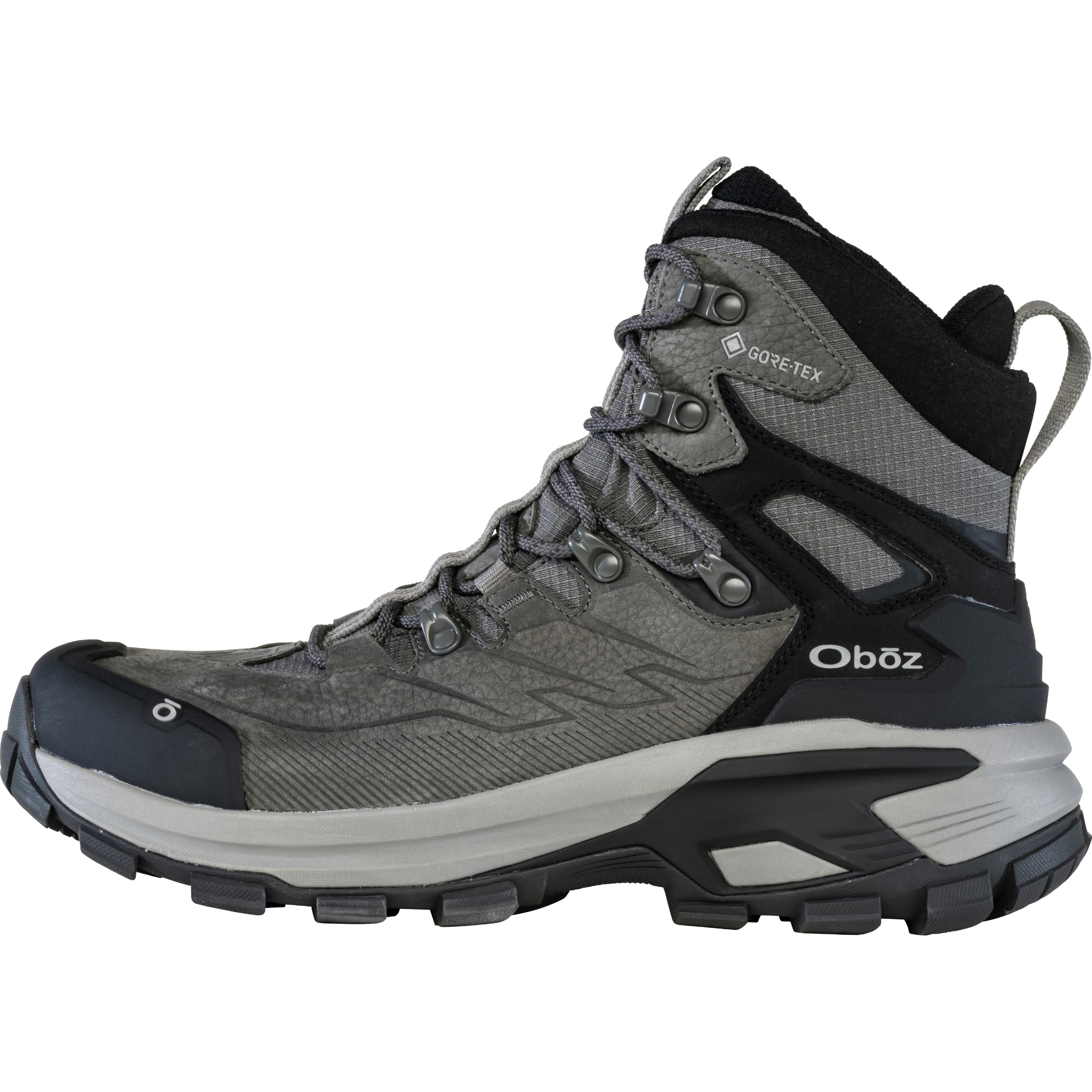
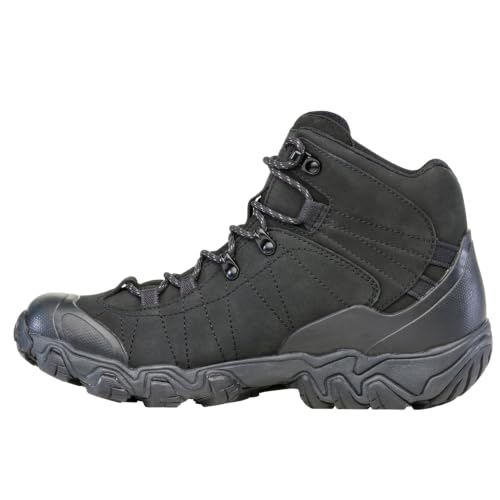
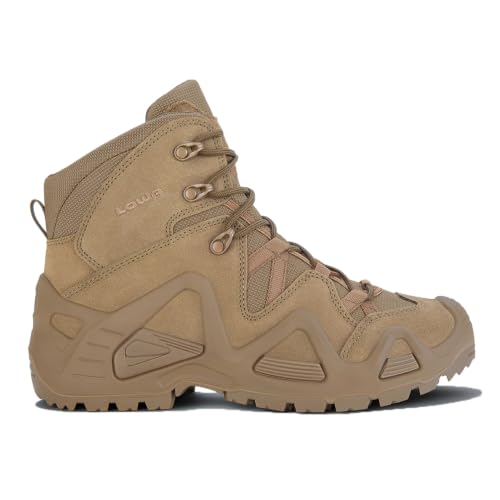


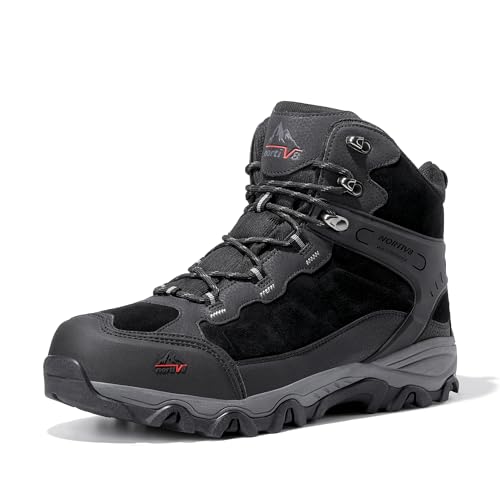
Who Should Buy Which Backcountry Hiking Boots?
Match the boot to your load and terrain first. A boot that feels perfect on a short trail can punish you on day three under a heavy pack.
Multi Day Backpackers Carrying Heavy Loads
You need a stiff sole, a high cut and strong ankle support, because a pack of about 35 to 50 pounds shifts your balance on every step. Look for a firm midsole that resists twisting on rock and room for feet that swell late in the day. If your trips use lighter loads, see our guide to the best hiking boots for men for options built around shorter outings.
Off Trail Travelers and Scramblers
You step on angled slabs, scree and roots where a marked path gives no help, so outsole grip and lateral stability matter more than soft cushioning. Choose deep lugs, a snug heel and a protective rand around the toe. A slightly lower heel to toe drop can feel steadier on broken ground.
Women Backpackers Seeking a Closer Fit
You may need a narrower heel, a lower volume forefoot and arch support shaped for a smaller foot, rather than a scaled down version of a wide boot. Try boots lasted for women and check that the cuff clears your calf without rubbing. For a wider view of shapes and sizes, see our guide to the best ladies hiking boots before you settle on a pair.
Key Features to Compare
Compare these factors in order, because fit and support decide whether the other features can do their job at all.
Backcountry Fit: Sizing for Heavy Packs, Swollen Feet and Long Descents
Measure both feet late in the day, when they are at their largest, and shop with the thick socks you will hike in. Leave about a thumb width in front of your longest toe so your toes never strike the front on descents. Your heel should stay seated when you walk uphill. Many walkers size up half a size for swelling on long days, but the heel must still feel locked, not loose.
Waterproofing and Breathability
A waterproof membrane such as Gore Tex keeps stream water and wet brush out, which helps on cold routes where soaked feet lose warmth fast. The trade off is heat, because that barrier also slows vapor escaping on warm climbs. If your routes are mostly dry and hot, a breathable non waterproof boot dries faster after a crossing. To keep a membrane working well, see our guide to the best waterproofing for hiking boots.
Ankle Support, Stability and Cushioning
Support comes from the whole system, not height alone. A high cuff limits side to side roll, a firm heel counter holds the rear foot steady, and a stiff shank spreads pressure from sharp stones. Cushioning softens long descents, yet a sole that is too soft lets the boot twist. Match arch support to your own arch height, because a flat insole can still leave your feet aching by evening.
Weight, Stiffness and Upper Durability
Backcountry boots often weigh about 2 to 3.5 pounds per pair, and every extra ounce costs energy over thousands of steps. Full leather uppers resist abrasion from rock and last through many seasons, while synthetic panels cut weight and break in sooner but wear faster at flex points. Choose the lightest boot that still handles your heaviest planned load.
Outsole Traction and Lug Pattern
The outsole is your only contact with the ground, so study its pattern closely. Lugs of about 4 to 6 mm bite into mud and loose soil, while shallower, wider lugs shed dirt better and grip rock slabs more evenly. Look for a defined heel breast, the stepped edge at the back of the heel, because it brakes your stride on steep descents. Sticky rubber grips wet rock well but wears faster, so rough routes favor a harder compound.
Types of Backcountry Hiking Boots Compared
Most backcountry boots fall into three broad types. Knowing which type fits your route saves you from buying more boot, or less boot, than you need.
Lightweight Backcountry Boots for Fast Trips
These boots use synthetic uppers, a moderate cut and a flexible sole, and they suit fast trips with packs under about 30 pounds on rough but established trails. If you often drop to low footwear on easy ground, see our guide to the best hiking shoes. Their limit is support, since long off trail days can overwhelm the softer build.
Midweight Backpacking Boots for Mixed Terrain
This is the most versatile type for the best backcountry hiking boots shopper who mixes trail, scree and stream crossings over several days. A leather and fabric upper, a waterproof option and a fairly stiff sole handle packs of about 30 to 45 pounds without feeling clumsy on good trail. Most walkers who own one pair for remote trips should start here and adjust up or down by load.
Heavy Duty Boots for Off Trail and Alpine Routes
Built with thick leather, a tall cuff and a very stiff sole, these boots suit off trail travel, early season snow and heavy loads where footing is poor all day. Some accept crampons for firm snow slopes, which lighter types cannot do safely. They take the longest break in, so reserve them for routes where protection matters more than pace. Our guide to the best backcountry boots focuses on that rugged end of the range.
Common Mistakes to Avoid
Small buying errors become painful miles from camp, so check this list before you order.
- Buying your street shoe size leaves no room for swollen feet, so your toes bruise on the first long descent.
- Choosing a soft, flexible boot for a heavy pack lets your ankles roll and your arches tire on rough ground.
- Wearing thin everyday socks inside stiff boots invites heel blisters because the sock cannot cushion the friction.
- Skipping a break in period before a long trip means stiff leather rubs raw spots when you cannot turn back.
- Picking waterproof boots for a hot, dry route traps sweat inside, so your feet stay damp all day anyway.
- Ignoring lug depth for your terrain leaves you sliding on mud or scree where deeper tread would have held.
Care and Maintenance for Backcountry Hiking Boots
After each trip, knock out dirt, loosen the laces and pull out the insoles so the inside can dry fully. Air dry wet boots away from direct heat, because a hot source can crack leather and weaken the glue that bonds the sole. Loose newspaper inside helps draw moisture from the toe area.
Brush dried mud from the upper and outsole, then wash with plain water when salt or grit builds up. Condition full leather once it looks dry, and reproof the outer fabric so water beads instead of soaking in. Check lug edges, stitching and the bond between upper and sole before each season, and retire a boot once the tread no longer bites on wet rock.
Backcountry Hiking Boots: Your Questions Answered
Do I need waterproof backcountry hiking boots for wet routes?
You need waterproof backcountry hiking boots when routes are cold, boggy or snow covered, because dry insulation keeps feet warm in those conditions. In warm rain the picture changes, since water that enters over the cuff cannot drain and the boot dries slowly overnight. Many summer walkers prefer a quick draining non waterproof boot plus spare dry socks for camp.
How long is the break in period for backcountry hiking boots?
The break in period for backcountry hiking boots usually runs from about 20 to 50 miles of walking, spread over several outings. Stiff leather models sit at the long end of that range, while synthetic models often feel ready sooner. Build distance gradually, tape any hot spot the moment you feel it, and never start a remote trip in boots that still pinch, because a small rub becomes a trip ending blister under a pack.
How often should I replace my backcountry hiking boots?
You should replace backcountry hiking boots when the tread, support or waterproofing fails, not on a fixed schedule. Watch for lugs worn smooth at the heel, a midsole that feels dead and flat, or an upper that leaks within minutes of wet grass. A sudden change in how a boot fits, such as a heel that now slips after seasons of holding firm, often signals that the inner structure has broken down.
Are expensive backcountry hiking boots worth the extra cost?
Expensive backcountry hiking boots can be worth it when the extra money buys a better last for your foot shape, tougher leather and a sole that can be replaced. Those gains matter most on long, remote trips where a failure costs you the whole outing. If your routes are short and your loads light, the same money often serves you better spent on well fitted socks and a careful fitting session.
How should backcountry hiking boots fit for downhill walking?
Backcountry hiking boots should fit so your toes clear the front wall even when you stamp downhill in thick socks. Test this on a slope or by kicking a step firmly, since flat shop floors hide the problem. Lacing the ankle hooks tighter before a descent pulls your heel back into its pocket, which gives your toes that clearance without changing the size you bought.
Wrapping Up
Put fit first, then support for your heaviest load, then traction and waterproofing matched to your route. A boot that suits your terrain and pack will feel unremarkable in the best way, letting you watch the country instead of your feet.
Use the product table above to compare weight, height and price, and when you review best backcountry hiking boots with those checks in hand, the right type for your trips should stand out clearly.