
Best Alpine Touring Ski Boots: Budget, Midrange, and Premium Picks for 2026
Disclosure: We may earn a commission when you buy through links on this page, at no extra cost to you. As an Amazon Associate I earn from qualifying purchases. Learn more

Compare alpine touring ski boot types by budget, fit, flex, walk mode and weight, and learn where extra spending helps on climbs and descents.
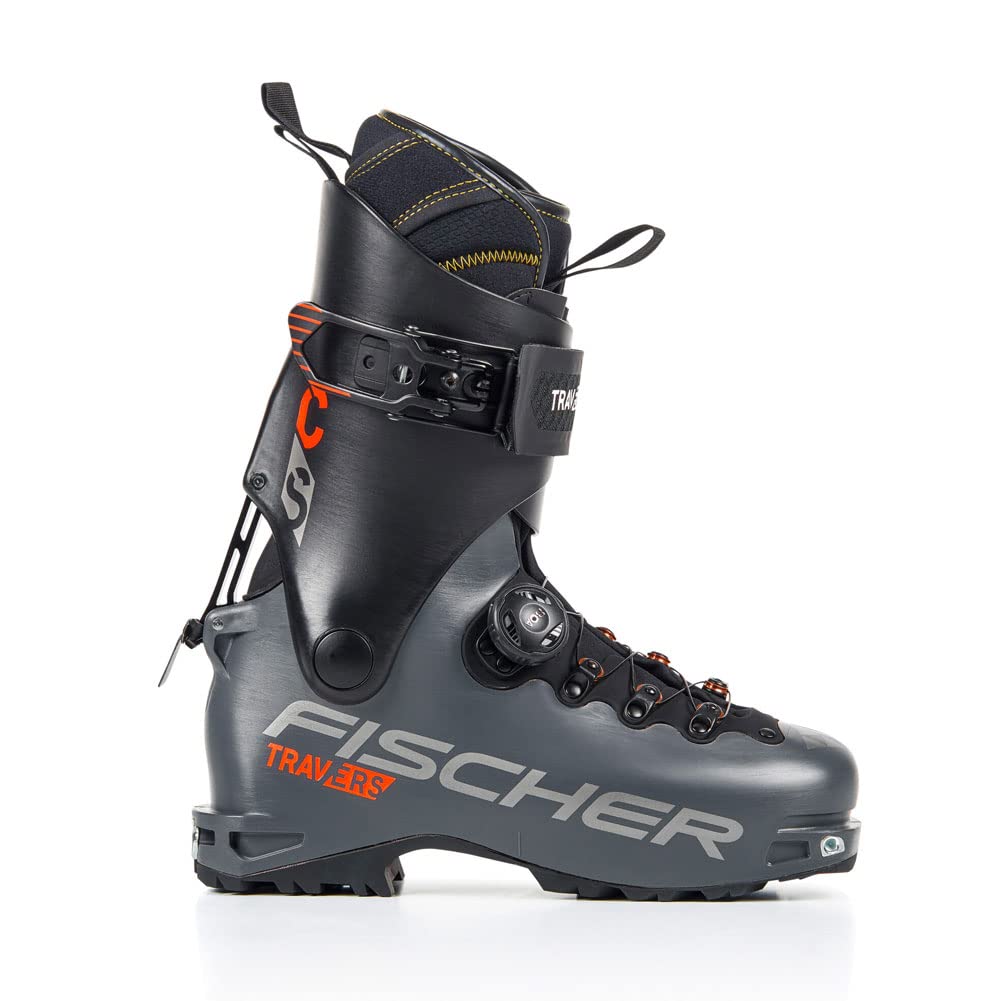
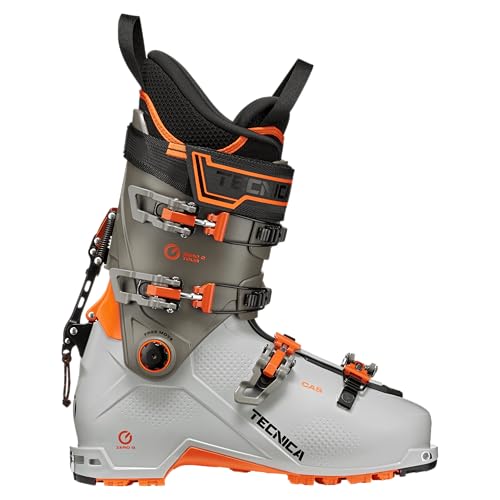
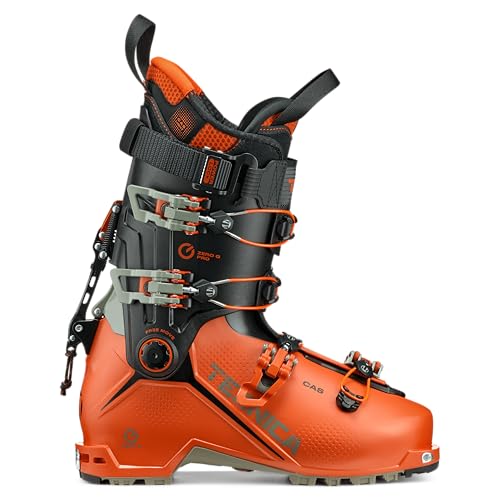
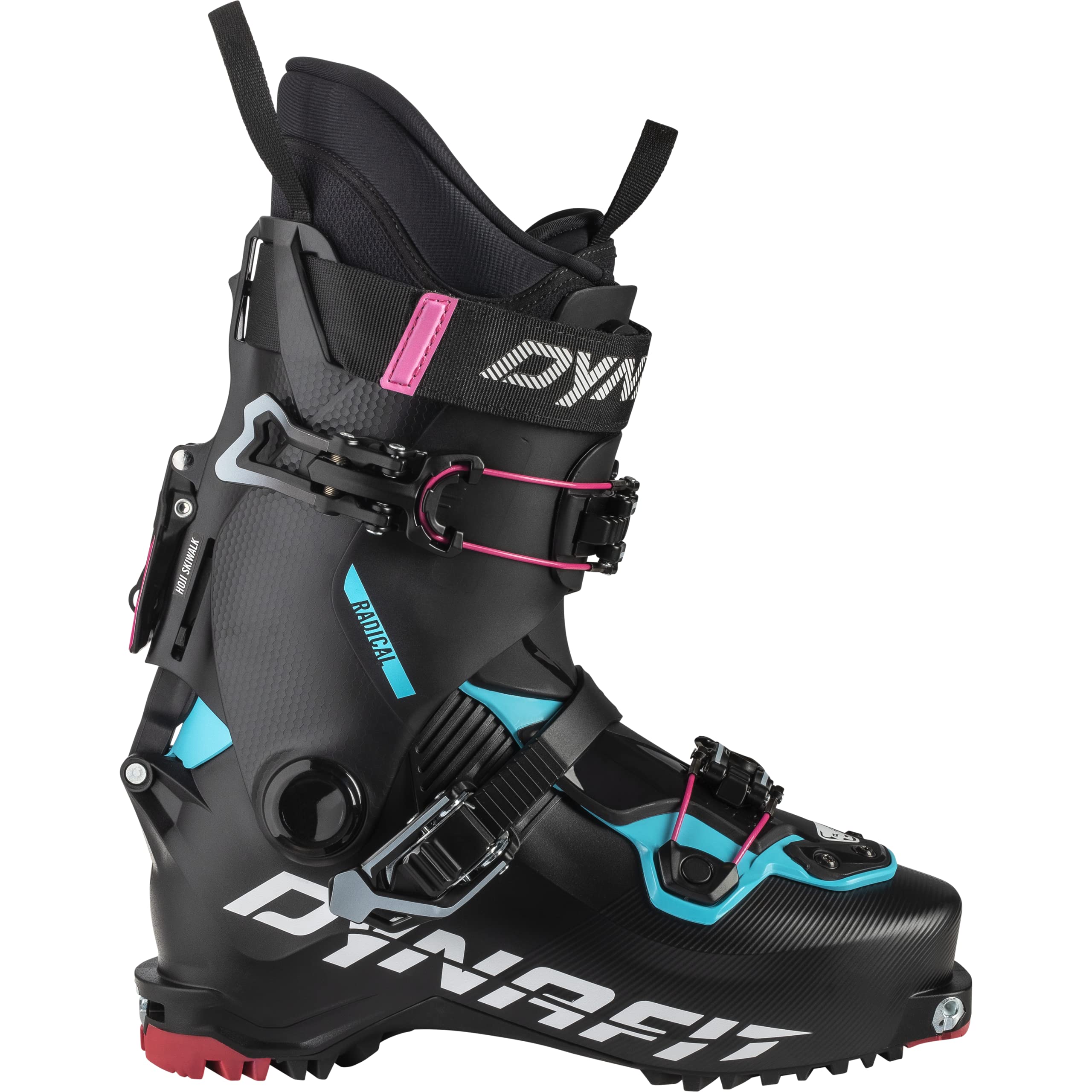
Prices for touring boots span a wide range, and a higher price does not always buy a better day in the mountains. The best alpine touring ski boots for you depend on how far you climb, how hard you ski down, and how your foot is shaped. Use the comparison table below to narrow your shortlist by tier.
Think of your budget as a trade between weight, stiffness, and durability. Budget models climb well enough for short tours and ski with a softer feel, while premium models save energy on long ascents and drive wider skis with more precision.

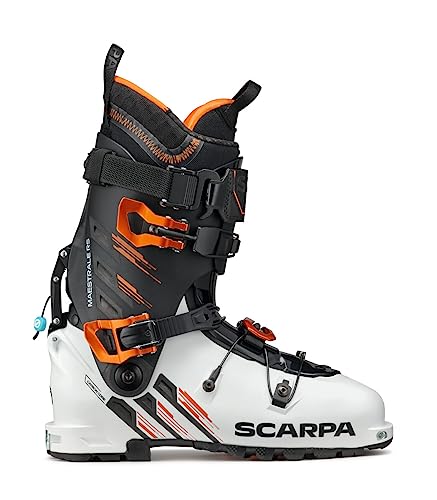
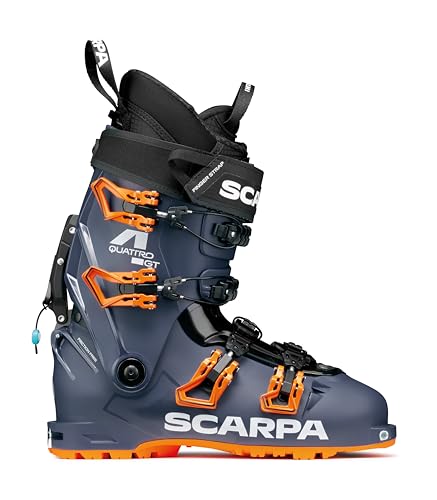
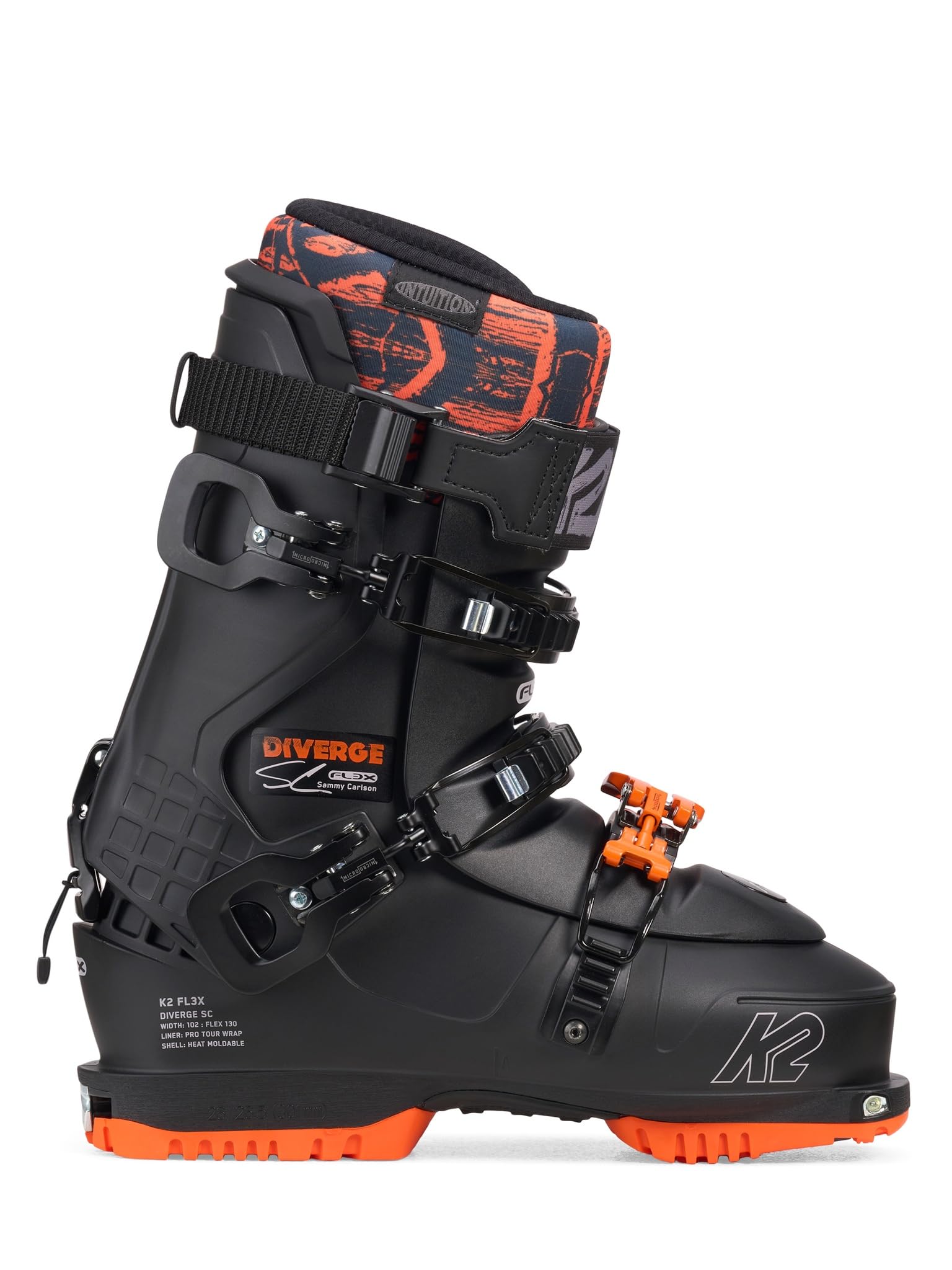
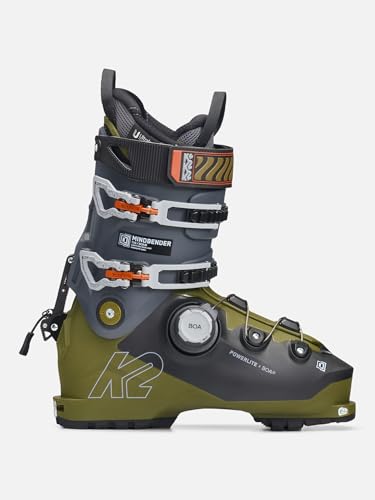
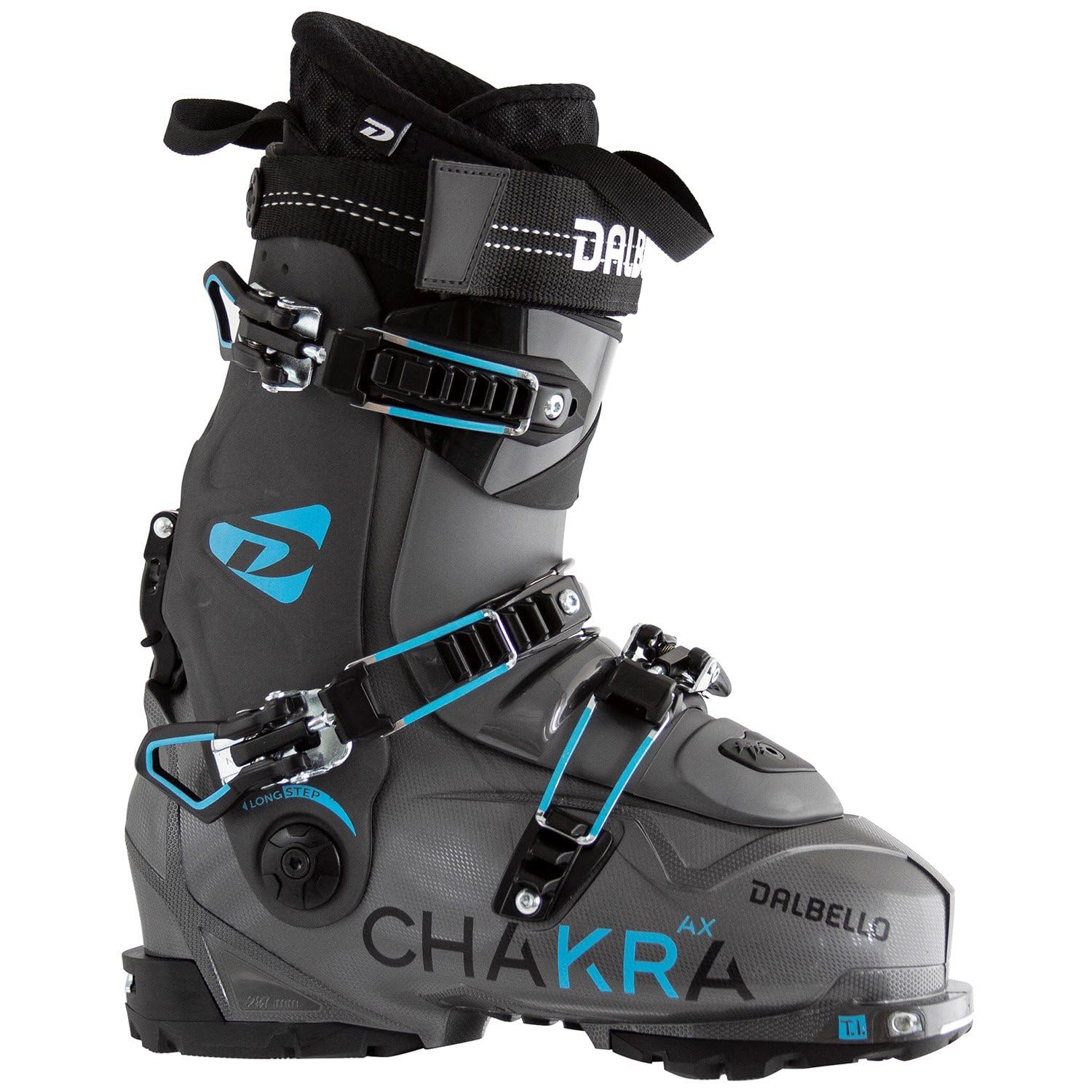
Who Should Buy Which Kind of Alpine Touring Ski Boot?
Your tour length and descent style should decide the category before price does.
Short Tour Skiers Who Prioritize the Descent
You climb for one or two laps, often near a resort boundary, and you want the downhill to feel close to resort skiing. Choose a heavier boot with a stiffer flex, four buckles, and a supportive liner. You will climb a little slower, but you gain control in chopped snow and on steep faces.
Long Distance Climbers Who Count Every Gram
You cover long approaches, link multiple summits, and spend far more time walking than descending. Choose a light boot with a wide range of motion in walk mode and a closure you can adjust with gloves on. Accept a softer descent feel as the cost of fresh legs, because the largest weight savings sit at the top of the price range.
Resort Skiers Adding Occasional Backcountry Days
You ski lifts most weekends and tour a few times each season, so one boot for both jobs sounds appealing. Look for tech inserts and soles that also step into compatible resort bindings, then confirm that exact pairing before you buy. If resort performance matters most, see our guide to the best alpine ski boots.
Key Features to Compare in Alpine Touring Ski Boots
Fit, Last Width, and Mondopoint Sizing
Boots are sized in Mondopoint, which matches your foot length in centimeters, and shells come in narrow, medium, and wide lasts for internal width. A touring fit leaves a little toe room for climbs while holding the heel firmly, because heel lift causes blisters uphill and vague steering downhill. Try boots late in the day with touring socks. Persistent numbness, sharp pain, or toes that look white or feel waxy in the cold are warning signs to stop, warm the foot, and seek medical care promptly, and you should talk with your clinician about personal circulation or nerve concerns.
Flex Rating and Downhill Control
Flex describes how much the cuff resists when you drive your shin forward, rated roughly from about 90 for softer boots to about 130 for the stiffest options. Heavier and faster skiers, and anyone on wide skis, usually need a higher number, while lighter skiers often find a very stiff boot tiring at slow speeds. Ratings are not standardized across brands, so treat the number as a guide within one brand.
Walk Mode and Range of Motion
Walk mode releases the cuff so your ankle can move as you skin uphill, and makers describe that freedom as range of motion in degrees. A larger range, often about 50 to 65 degrees in light boots, lets you take a natural stride and reduces strain on your calves. The lever should engage with a clear click and stay locked on the descent, because a cuff that slips into walk mode mid turn removes your support without warning.
Boot Weight and Climbing Efficiency
Weight is felt on every step, and touring boots range roughly from about 1,000 grams to about 1,800 grams per boot depending on size and category. Lighter boots use thinner shells and simpler buckles, which saves energy over thousands of steps but usually flexes more on the descent. Heavier boots feel planted in rough snow and tend to last longer under hard use.
Binding Compatibility and Sole Type
Touring boots only work safely with bindings that match their inserts and soles, so check this before price or color. Most models carry tech inserts at the toe and heel for pin bindings, while some add soles shaped for compatible alpine style bindings. Match the exact boot and binding names on the maker compatibility chart. For a closely related overview, see our guide to the best alpine touring boots.
Shell Materials and Liner Construction
Shells use durable plastics chosen for stiffness, low temperature performance, and weight, with lighter boots favoring advanced lightweight plastics in the cuff and lower shell. A heat moldable liner shapes to your heel and ankle during fitting, which improves hold without crushing your toes. Thicker liners feel warmer and more forgiving, while thin liners save weight and give a precise fit.
What Each Price Band Buys in a Touring Boot
Price tiers track weight and materials more than safety, because even budget boots must meet the same basic binding standards. That is what separates the best alpine touring ski boots from cheaper pairs. For the wider category, see our guide to the best touring ski boots.
Budget Tier: Essential Touring Function Around $300 to $450
Budget boots, often about $300 to $450, give you tech inserts, a working walk mode, and a moldable liner, which is everything a new tourer truly needs. The tradeoffs are weight, a narrower range of motion, and a softer flex that limits control on wide skis in heavy snow. Reserve part of your budget for a proper fitting.
Midrange Tier: Balanced Weight and Power Around $450 to $650
Midrange boots, often about $450 to $650, are where most regular tourers should shop. You typically gain a lighter shell, a smoother walk mode, a stiffer flex, and a better liner that holds your heel on both halves of the day. These boots handle resort laps in compatible bindings and still climb comfortably for several hours.
Premium Tier: Low Weight and Precision Around $650 to $850
Premium boots, often about $650 to $850, combine low weight with surprising downhill stiffness through costly shell materials and careful cuff design. You also tend to get the widest walk mode range, refined buckles, and liners shaped for a precise fit. The payoff shows on long climbs and multi day routes where small savings compound. Buy this tier for distance, not status.
Liners, Soles and Fittings Beyond the Sticker Price
The purchase price is only part of ownership. Budget for a fitting session, replacement liners when the originals pack out, and new soles when wear affects binding release. Custom footbeds are a common extra worth the cost for arch support on long climbs. Add compatible bindings if your current pair does not match, and check warranty terms for walk mode parts.
Common Mistakes to Avoid When Buying Alpine Touring Ski Boots
- Buying boots a full size too large for comfort, because the liner packs out and your foot then slides on every descent.
- Choosing the stiffest flex available, because a cuff you cannot bend makes low speed turns tiring and imprecise.
- Assuming any touring boot fits any binding, because a mismatched sole or insert can prevent safe release in a fall.
- Skipping a boot fitting to save money, because small shell punches and liner molding often fix problems that sizing alone cannot.
- Picking the lightest boot for mostly resort use, because thin shells and soles wear quickly under lift lines and hard snow.
- Wearing thick cotton socks on a first tour, because damp cotton rubs skin raw and makes your feet feel colder.
Care and Maintenance for Alpine Touring Ski Boots
Pull the liners out after every tour and air dry shells and liners at room temperature, away from direct heat that can distort molded shapes. Store boots buckled loosely so the shell keeps its form. Before each season, inspect tech inserts for damage, check that walk mode levers lock firmly, and look for cracks around buckle mounts. Replace worn soles promptly, because sole wear changes how the boot sits in the binding.
Frequently Asked Questions About Alpine Touring Ski Boots
Is a premium alpine touring ski boot worth it for a beginner on short tours?
No, a premium boot is rarely the best first purchase for a beginner on short tours. Your early seasons teach you what tour length you actually enjoy, and a midrange boot leaves money for an avalanche safety course and a proper fitting. Both improve your days more than gram savings will. Upgrade later when your routes get longer.
Can alpine touring ski boots be used for resort skiing every day?
Some models can, but daily resort use is usually a poor long term plan. Only boots and bindings listed as compatible together should be used on lifts, and even then touring soles wear faster on hard resort snow. Many skiers keep a dedicated resort boot for icy days. A technician should also check your release settings whenever you switch between boot models.
How long do alpine touring ski boots usually last?
Most alpine touring ski boots last for several seasons of regular use, with the liner usually wearing out before the shell. Expect the fit to loosen after roughly 100 to 150 days as foam compresses, while a sound shell can accept a replacement liner and keep going. Retire a boot sooner if the walk mode develops play or inserts are damaged.
Do alpine touring ski boots need special socks and footbeds?
Yes, thin wool blend touring socks and a supportive footbed make a noticeable difference in these boots. A thin sock preserves the precise fit you chose in the shop, wicks moisture on the climb, and reduces friction inside a molded liner. Bring both when you are fitted, because changing sock thickness after fitting changes the fit itself.
Wrapping Up
Start with fit, match flex and weight to your real tours, and confirm binding compatibility before you compare prices. Budget boots cover learning seasons, midrange boots serve most regular tourers, and premium boots reward long climbs. When those checks line up, the best alpine touring ski boots for your feet will be clear, so revisit the product table above.


