
Best Backcountry Boots: A Complete Buying Guide for 2026
Disclosure: We may earn a commission when you buy through links on this page, at no extra cost to you. As an Amazon Associate I earn from qualifying purchases. Learn more

Compare backcountry boot types by use, stiffness, weight and waterproofing, with price bands and a fit checklist for ski, hiking and hunting trips.
Backcountry is a broad word, and that is exactly the problem when you shop for boots. One buyer means ski touring above the tree line, another means a long hike into a remote camp, and a third means cold weather hunting far from any road. Choosing the best backcountry boots starts with naming your use honestly, because the use class decides almost every other spec on the boot.
This guide walks through the use classes first, then the fit, stiffness, weight and waterproofing factors that separate a sound purchase from an expensive mistake, and the comparison table below lines the main types up side by side so you can see the trade offs at a glance.
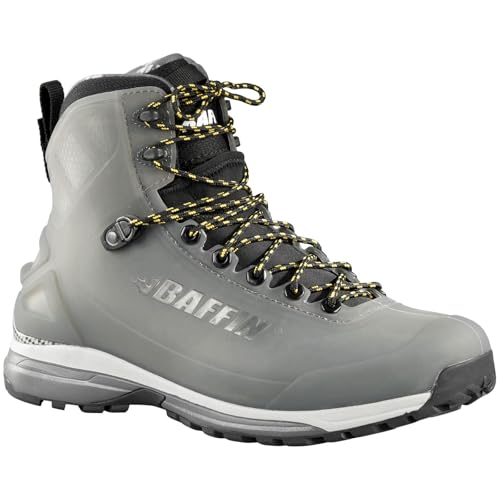


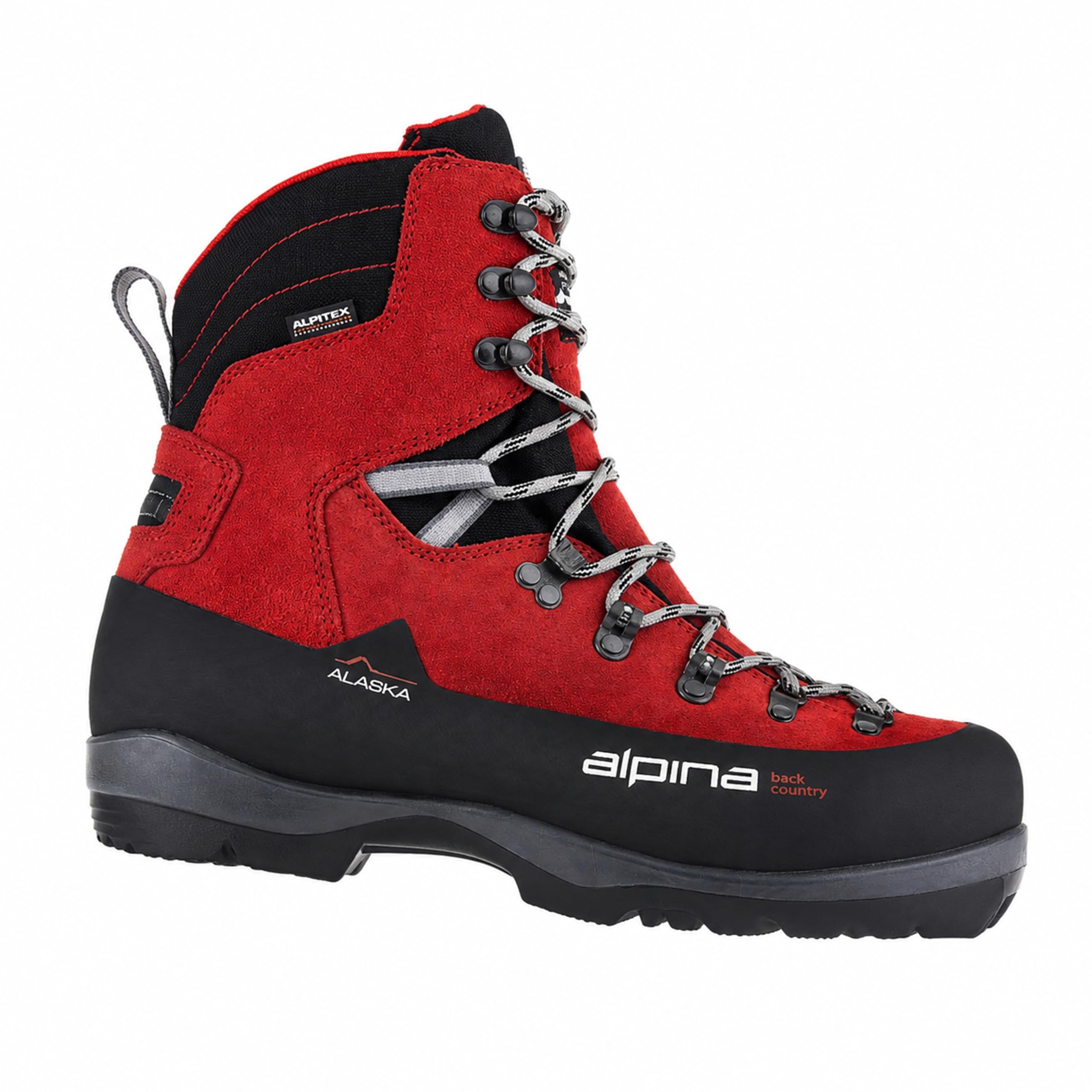
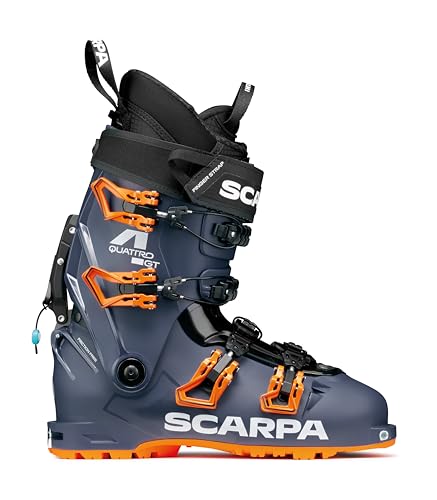
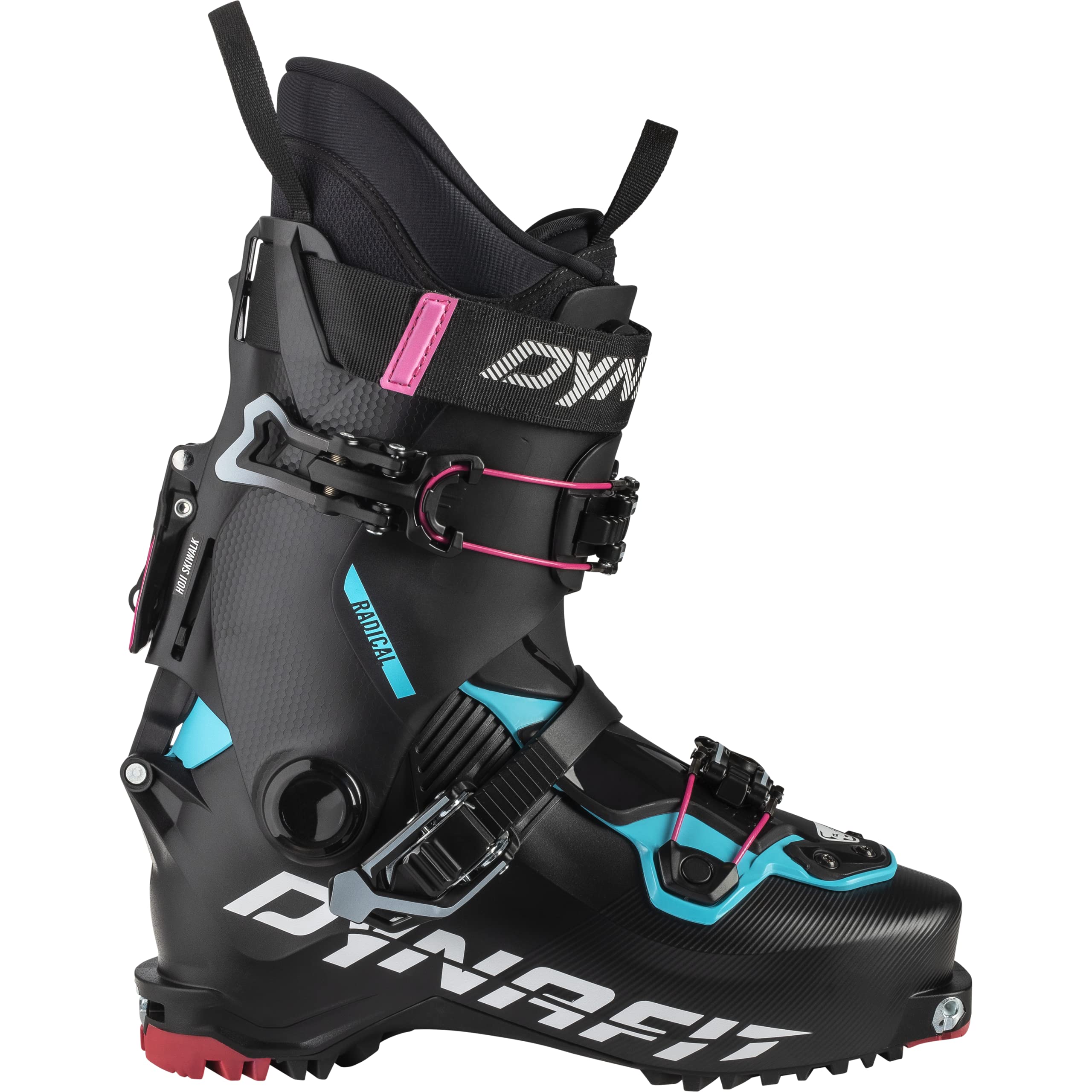
Start With Your Use: Ski, Hike or Hunt
Read this plainly: the backcountry label spans a ski class, a hike class and a hunt class, and each one asks the boot to do a different job. Your use class is the first thing to settle, before brand, price or looks, because a boot that excels in one class often disappoints in another.
Ski touring boots must bend at the ankle for the climb and lock down for the descent, and they must mate with a touring binding. Our companion guide to the best backcountry ski boots covers that binding driven class in detail. If your days are mostly walking rather than skiing, the best backcountry hiking boots guide looks at lighter builds made for distance on foot.
Hunting adds a third demand: quiet, insulated warmth for long, still hours in cold weather, plus support under a loaded pack. The guide to the best boots for backcountry hunting treats that class on its own terms. Notice how the three classes already pull in different directions on weight, insulation and ankle design.
Settle the use class here, then let the factors below narrow the field. The product table above can help once you know which class you are shopping in.
How to Choose: The Buying Guide
Fit, Sizing and Toe Box
Fit decides more backcountry days than any spec sheet. Try boots late in the day, when your feet have swelled to trail size, and wear the sock you actually travel in. Your toes should brush nothing when you kick a step or walk downhill in the store, because hours of descent turn a small touch into a black toenail. A toe box with room for thick socks and swollen feet matters more in this class than a snug, precise feel.
Stiffness and Crampon Fit
Stiffness is where snow travel is governed. A stiffness class and a crampon class work together: soft boots flex for walking comfort but cannot hold a crampon edge on hard snow, while stiff mountaineering builds accept strap on or semi automatic crampons and kick steps into firm slopes. Match the stiffness to the steepest ground you realistically expect, not the easiest.
Weight and the Long Approach
Weight governs the long approach more than any other single factor. A heavy pair can run past four pounds, and you lift that weight with every step of a ten mile walk in. Lighter boots save real energy on rolling terrain, yet they trade away insulation, durability and crampon support. Decide which side of that trade your trips sit on before you fall for a light spec.
Upper Materials and Breathability
Uppers split into full grain leather, split leather with fabric panels, and full synthetic builds. Leather breaks in slowly and shrugs off rock abrasion, but it drinks water and dries slowly once soaked. Fabric and synthetic panels breathe better and dry faster on multi day trips, though they wear sooner against scree. In warm, dry country, breathability usually wins; in wet brush and snow, durability usually does.
Waterproofing and Membranes
A waterproof breathable membrane keeps meltwater and shallow creek crossings out while letting some sweat escape. The honest trade off is heat: in warm weather a membrane boot can feel like a plastic bag, and once water comes over the cuff, the same membrane slows drying for days. Many experienced travelers choose a non waterproof boot and fast drying socks for summer routes, then switch to a membrane build for snow season.
Insulation and Warmth
Insulation separates a three season boot from a true winter one. Uninsulated builds suit moving travel in mild cold, while insulated winter boots add a warm lining for standing, glassing or camping on snow. More insulation adds bulk and weight, and it can cook your feet on a hard climb. Buy for the coldest hour of your trip, but remember that a moving body generates its own heat.
Types of Backcountry Boots
Ski Touring Boots
Built around a walk mode and tech fittings, this class climbs with a free ankle and descends as a stiff system with the binding. Expect prices around $300 to $700. Choose them only if skiing is the point of the trip, because they walk poorly on bare trails compared with a hiking build.
Mountaineering Boots
The stiff, crampon ready class for snow and ice travel. Single boots suit summer alpine routes, while double boots with removable liners serve high, cold peaks. Prices run about $250 to $600. They are overkill for dirt trails, where the rigid sole punishes your feet mile after mile.
Insulated Hunting Boots
Tall, warm and quiet, this class favors still hunting and cold stands over fast travel. Rubber and leather builds shed brush and swamp water well. Most pairs cost about $150 to $350. The same insulation that saves a frosty morning sit will overheat you on a steep September climb.
Winter Hiking Boots
A middle path: moderate insulation, a flexible sole and a lighter build for snowshoe days and winter trails. Prices sit around $120 to $250. They lack the crampon support of a mountaineering boot, so steep icy ground is beyond them, but for rolling winter terrain they are the comfortable default.
Price Bands at a Glance
Entry level backcountry boots run about $120 to $200 and cover marked trails and mild winter use with basic membranes and modest support. The middle band, about $200 to $400, is where most buyers land: better leather, real crampon ledges on stiffer builds and insulation that handles deep cold. Above $400, you pay for double boot systems, advanced touring hardware and lighter materials. Spending more buys capability for harder terrain, not automatic comfort, so let your use class, and the guidance on choosing the best backcountry boots in this guide, set the band rather than the other way round.
Tips to Get the Most From Your Backcountry Boots
- Break new boots in on short local walks before any long trip, because stiff leather and new liners reveal pressure points slowly.
- Dry wet boots at room temperature away from direct heat, since a hot stove or radiator can crack leather and warp glued soles.
- Rotate two pairs of socks on multi day trips so a dry pair is always ready, which cuts blister risk more than any boot feature.
- Lace from the toes upward and lock the heel with the top eyelets, because heel lift on climbs is the main blister driver.
- Clean mud off and reapply a leather conditioner or fabric proofing each season, since neglected uppers crack and leak early.
Your Questions Answered
How should backcountry boots fit compared with street shoes?
They should fit a little roomier than street shoes, with space for thick socks and for feet that swell over long miles. Most buyers size up a half size from their dress shoe. Your heel should stay planted when you walk downhill, while your toes never strike the front. A fit that feels perfect in the morning can feel tight by evening, which is why afternoon fitting sessions give a truer read.
Do backcountry boots need a break in period?
Yes, most leather and mountaineering builds need a gradual break in of several short walks before a long trip. Stiff soles and heavy uppers soften where your foot flexes, and your feet toughen in the same spots. Synthetic hiking builds feel ready sooner, often within a day or two. Skipping the break in and heading straight out for ten miles is the most common cause of trip ruining blisters.
Are insulated backcountry boots worth it for summer trips?
Usually not, because insulation traps heat and sweat when you are moving hard in warm weather. A summer traveler is better served by an uninsulated boot with good ventilation and fast drying socks. Insulation earns its weight when you stand still in cold air, wait on a stand, or camp on snow. Match the lining to the coldest, stillest hour of the trip rather than the average temperature.
How long do backcountry boots last before replacement?
A hard used pair typically lasts about 500 to 1,000 miles, depending on terrain and upper material. Leather uppers can outlast their soles and may be resoled once, which extends service life. Watch for a midsole that feels packed flat, deep cracks at the flex point, and lugs worn smooth on rock. When the boot stops holding an edge or your feet ache in new places, replacement time has arrived.
Can one pair of backcountry boots cover skiing and hiking?
Only with real compromises, because the two classes are built around different ankle mechanics. A ski touring boot needs binding fittings and a walk mode, and it walks clumsily on summer trails. A hiking boot cannot lock into a touring binding at all. Travelers who do both usually own one pair per class, or rent the ski class for a single dedicated trip each season.
Final Thoughts
Start with the use class, then weigh stiffness against weight and decide honestly about waterproofing and insulation. Fit tested late in the day, in your real socks, settles more trips than any feature list. Compare your shortlist against the product table above, and the best backcountry boots for your country and season should stand out clearly.


