
Best Automatic Milk Frother: Types and Buying Tips (2026)
Disclosure: We may earn a commission when you buy through links on this page, at no extra cost to you. As an Amazon Associate I earn from qualifying purchases. Learn more
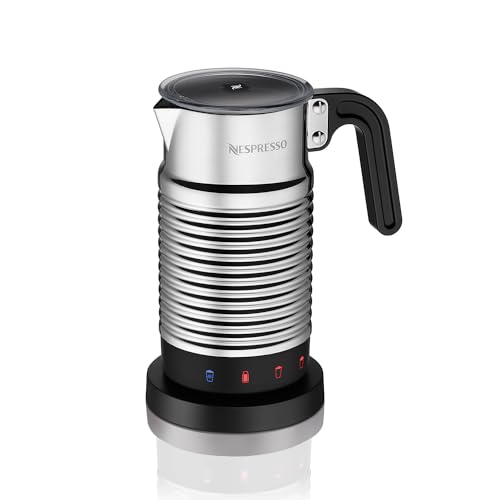
Match jug size, foam control and cleaning to your routine to find the best automatic milk frother for daily lattes and cappuccinos.
Morning coffee at home often stalls at the same small step. The espresso is ready, but the milk is flat, scorched, or still sitting in the fridge. Choosing the best automatic milk frother for your kitchen removes that step, because the jug heats and whisks the milk for you while you pull the shot or pour the coffee. This guide helps you choose by counter space, the number of people you serve, and the budget you want to keep.
Automatic models suit homes that make milk drinks most days and want the same result with little effort. Use the comparison table below to compare capacity, foam settings, and cleaning style, then read on for the details that decide whether a model fits your routine. If you want the wider picture first, see our guide to the best milk frother options across every style.
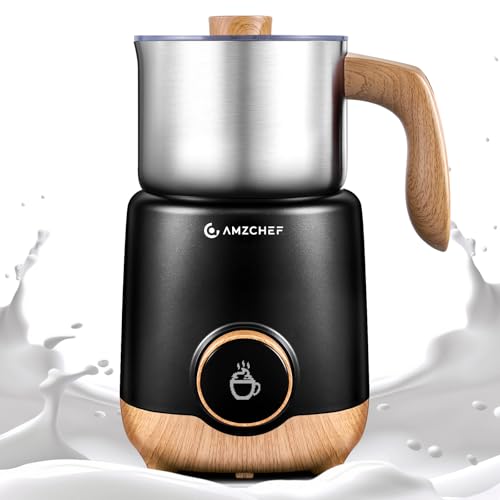


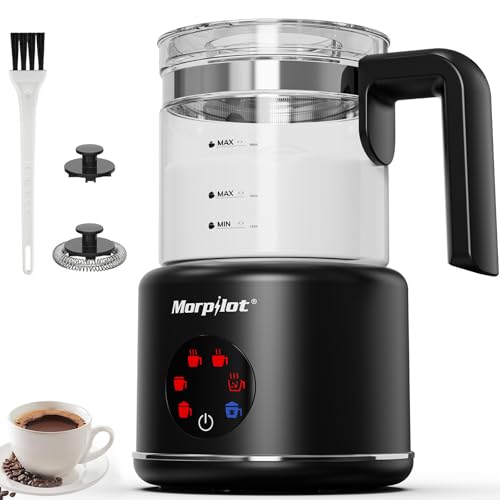

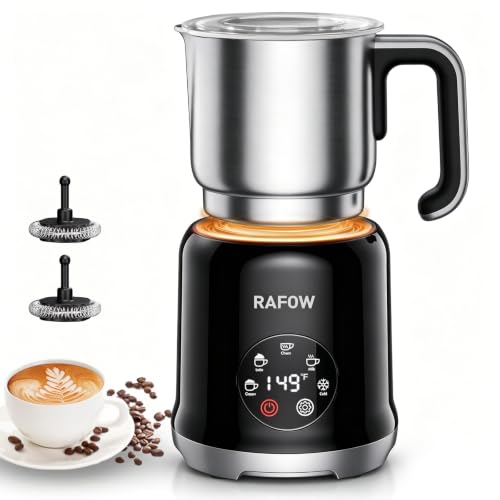
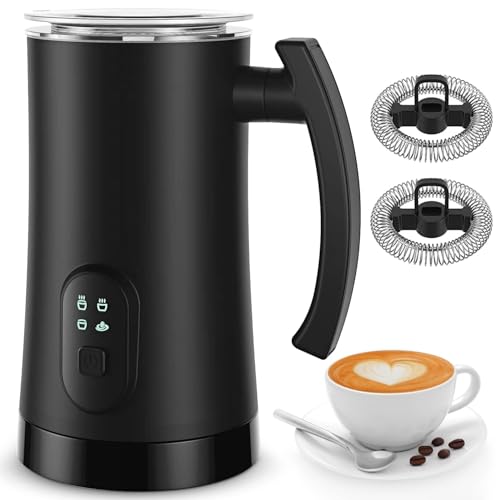
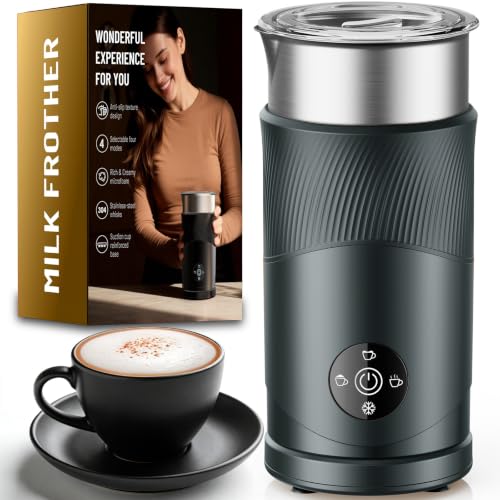
Quick Answer: The Automatic Style in 30 Seconds
An automatic milk frother is a countertop jug with a heating base and a small whisk inside. You add cold milk, choose a setting if the model offers one, and press a button. The machine heats the milk, spins the whisk to build foam, and stops on its own when the cycle ends.
That simple routine is the whole appeal. There is no pan to watch on the stove and no steam wand to purge. What changes between models is jug size, how much control you get over foam and temperature, and how the parts clean up afterward.
Before You Buy: A Quick Checklist for Choosing a Milk Frother
Start with how your household actually drinks coffee, not with the longest settings menu. A frother that fits a solo flat white habit can frustrate a family making four drinks at once, and a large jug can waste milk in a one person home.
Which Type Fits Your Routine
Automatic jug models heat and froth in one vessel, so they suit daily latte and cappuccino makers who value repeat results. A wand style tool costs less and stores in a drawer, and our guide to the best handheld milk frother covers that route, but a wand only froths milk you heated yourself and the foam varies with your hand. Choose the automatic jug when convenience and consistency matter most.
Milk Temperature and Foam Control
Milk tastes sweetest and foams best at about 140 to 155 degrees Fahrenheit. Hotter than that and the milk can scald, lose its sweetness, and form large bubbles that collapse quickly. Most automatic models heat to a fixed point in that range, while some add a choice of warm or hot settings. Foam discs or magnetic whisks also change texture, from dense foam for cappuccinos to thinner steamed milk for lattes. If your household splits between drinks, look for at least two foam options.
Jug Capacity and Serving Size
Capacity ratings can mislead, because the amount you can froth is smaller than the amount you can simply heat. Milk expands as it foams, so makers print a lower fill line for frothing and a higher one for heating without foam. A small jug often froths enough for one or two drinks, while a large jug can serve three or four. Check both numbers before you buy. A jug that is too small means back to back cycles on busy mornings, and a jug that is too large means leftover milk you heated for nothing.
Counter Footprint
Measure the spot where the frother will live, including the space above it. Most bases are compact, but the jug needs room to lift off and pour, and taller models can clash with low cabinets. Think about the cord as well, since a short cord limits where the base can sit near an outlet. If you plan to store the frother in a cupboard, check the full height with the lid on, not just the base.
Realistic Budget Ranges
Simple automatic models with one setting cost about $40 to $70 and cover the needs of most small households. Models at about $70 to $120 usually add foam choices, larger jugs, and parts that go in the dishwasher. Premium models at about $120 to $250 tend to offer finer temperature control, quieter motors, and heavier jugs that pour with more control. Spend more only when the added control matches drinks you make often. A basic model used every day beats a premium model bought for features you rarely touch. Readers comparing powered styles may also find our guide to the best electric milk frother useful.
Types Compared: How Automatic Models Differ
Instead of chasing a single winner, match the type to your home. Automatic frothers fall into three broad groups, and each group serves a different pattern of use.
Compact Jug Models for Small Households
Compact models pair a small base with a jug sized for one or two drinks. They heat quickly because the volume is small, and they suit apartments, small kitchens, and anyone who makes a single morning latte. You cannot serve a group without running extra cycles, and very small pours can be tricky because the whisk needs enough milk to engage. For one or two regular drinkers, though, this group offers the simplest ownership, with fewer parts to wash.
Larger Capacity Models for Families
Family sized models hold enough milk for three or four drinks in one cycle, which cuts waiting on school mornings and weekends. The trade off is size. The jug is taller, the base is wider, and minimum fill amounts rise, so a single small drink may waste milk. Choose this group when several people drink milk based drinks daily and the frother earns a permanent place on the counter.
Models With Cold Foam and Multiple Settings
Some models froth cold milk without heating it, which suits iced lattes and cold brew topped with foam in warm months. Others offer several discs or digital settings that shift foam density and temperature. That flexibility helps households where one person wants a dry cappuccino and another wants silky latte milk. The cost is complexity, with more parts to keep track of and a higher price. Buy this group for a real mix of drinks, not for a menu you only imagine making.
Our Selection Process for the Best Automatic Milk Frothers
A sound choice rests on a few plain criteria. Foam quality comes first, meaning fine bubbles that pour smoothly rather than stiff peaks that sit on top. Temperature stability matters next, because a model that overheats will scorch milk no matter how good the whisk is. Ease of use, cleaning effort, and build quality round out the list. This guide weighs those criteria against home size and daily routine, using maker specifications and patterns in verified buyer feedback.
What We Like and What We Don't About Automatic vs Other Milk Frothers
The strongest case for the automatic style is repeatability. You press one button and get milk at a steady temperature with a familiar texture, which is exactly what a busy household wants. Cleanup is contained too, since the milk only touches one jug and one whisk. There is no steam wand tip soaking in a cup and no pan with a baked on milk film.
The limits are real. You cannot fine tune texture the way a skilled hand can with a steam wand, and most models stop at one set temperature. Output per cycle is fixed by the jug, so serving a crowd takes patience. A wand tool also beats an automatic jug on price and storage, which matters if you froth milk only on weekends.
Common Buying Mistakes to Avoid
- Buying by total jug volume instead of the frothing fill line, so the first cappuccino overflows or serves less than expected.
- Ignoring the minimum fill amount, which leaves a solo drinker heating more milk than the drink needs.
- Paying for many settings when the household drinks one style of coffee, so most of the menu never gets used.
- Skipping the cleaning check, because a jug with a fixed whisk base and no dishwasher safe parts adds daily scrubbing.
- Placing the base far from an outlet, since short cords make a frother awkward to use and easy to abandon.
- Assuming every milk behaves the same, when low fat and plant based milks foam differently and may need a different setting.
Cost of Ownership and Care
Running costs stay low. A frother draws power for a few minutes per cycle, so electricity adds very little to a monthly bill. The real costs are replacement whisks or discs if one is lost, and the milk itself when minimum fills exceed what you drink. Rinse the jug right after pouring, because warm milk residue hardens fast and turns a quick rinse into a scrub. Wash the whisk and lid with warm soapy water, and wipe the base with a damp cloth rather than soaking it. For a full routine, follow our guide on how to clean a milk frother.
Your Questions, Answered
Are automatic milk frothers worth it?
Yes, if milk based drinks are part of your daily routine and you value the same result each morning. The value fades for occasional use, because a jug model costs more and takes more space than a simple wand. One useful check is frequency. If you froth milk four or more mornings a week, the saved time and steady texture usually justify the price within the first months of home drinks replacing cafe visits.
How long does an automatic milk frother last?
Most home models last about two to five years with daily use, and the heating element rarely fails first. The whisk, its small magnet, and the jug coating wear sooner, especially when parts go missing or get scrubbed with harsh pads. Keeping the whisk stored inside the jug, rinsing promptly, and avoiding metal utensils inside the coating all extend service life. When foam suddenly turns thin on a familiar milk, inspect the whisk for damage before assuming the motor is done.
Can an automatic milk frother froth oat milk and other plant based milks?
Yes, most models froth oat, soy, and almond milk, but the foam is usually thinner than dairy foam and fades faster in the cup. Barista style plant milks contain added oils and stabilizers, so they hold a foam that pours much closer to dairy. Pour promptly after the cycle ends, because plant based foam breaks down while it sits. If your first attempt looks flat, try the cold foam setting if your model has one, since some plant milks whip better before heat reaches them.
What milk gives the best foam in an automatic milk frother?
Whole milk is the most forgiving choice, because its fat and protein together build a stable, glossy foam that pours well. Fresh milk froths better than a carton that has been open for many days, since aging protein whips less effectively. Keep the milk cold until the moment you pour it into the jug, because starting cold gives the whisk more working time before the heating cycle ends. Skim milk makes a stiff, airy foam that suits drinkers who like a dry cappuccino cap.
How do you use an automatic milk frother for hot chocolate?
Many models with a heating only setting can warm milk for hot chocolate, and that setting uses the higher fill line because the milk will not expand as much. Add cocoa powder or chocolate after the milk is hot rather than before, since dry powder can coat the whisk and scorch on the jug base. Stir the drink in the mug, then rinse the jug at once. Our guide on how to use a milk frother covers cycle choices and fill lines in more detail.
Final Thoughts
The right choice comes down to three honest answers: how many drinks you make at once, how much counter you can give up, and whether one setting or several will serve your household. Match the jug to your busiest morning, keep cleaning simple, and the best automatic milk frother for your home becomes an easy daily habit rather than a gadget in a cupboard. Check the product table above once more before you order, and pick the type that fits the way your kitchen already runs.


