
Best Bottled Water for Espresso Machines: A Water First Guide for 2026
Disclosure: We may earn a commission when you buy through links on this page, at no extra cost to you. As an Amazon Associate I earn from qualifying purchases. Learn more

What makes water good for espresso: mineral balance, scale risk, taste, and how to choose bottled water that protects your machine and improves extraction.
Water makes up most of every espresso shot, yet it is the ingredient most home baristas think about last. The best bottled water for espresso machines is not a luxury label or the most expensive bottle on the shelf, but water with a mineral balance that extracts flavor well without coating your machine in scale. The comparison table below gives a quick side by side view, and this guide explains minerals, hardness, and taste in plain terms.
Tap water varies wildly by city and season, which is why two identical machines can produce very different coffee in different homes. Bottled water offers consistency, but not every bottled water suits espresso: some are too soft and taste flat, others are too hard and scale heating elements quickly. Learning to read a label will help you pick well and protect your investment.
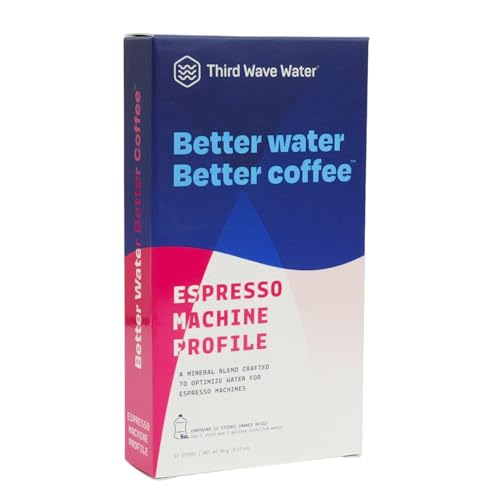

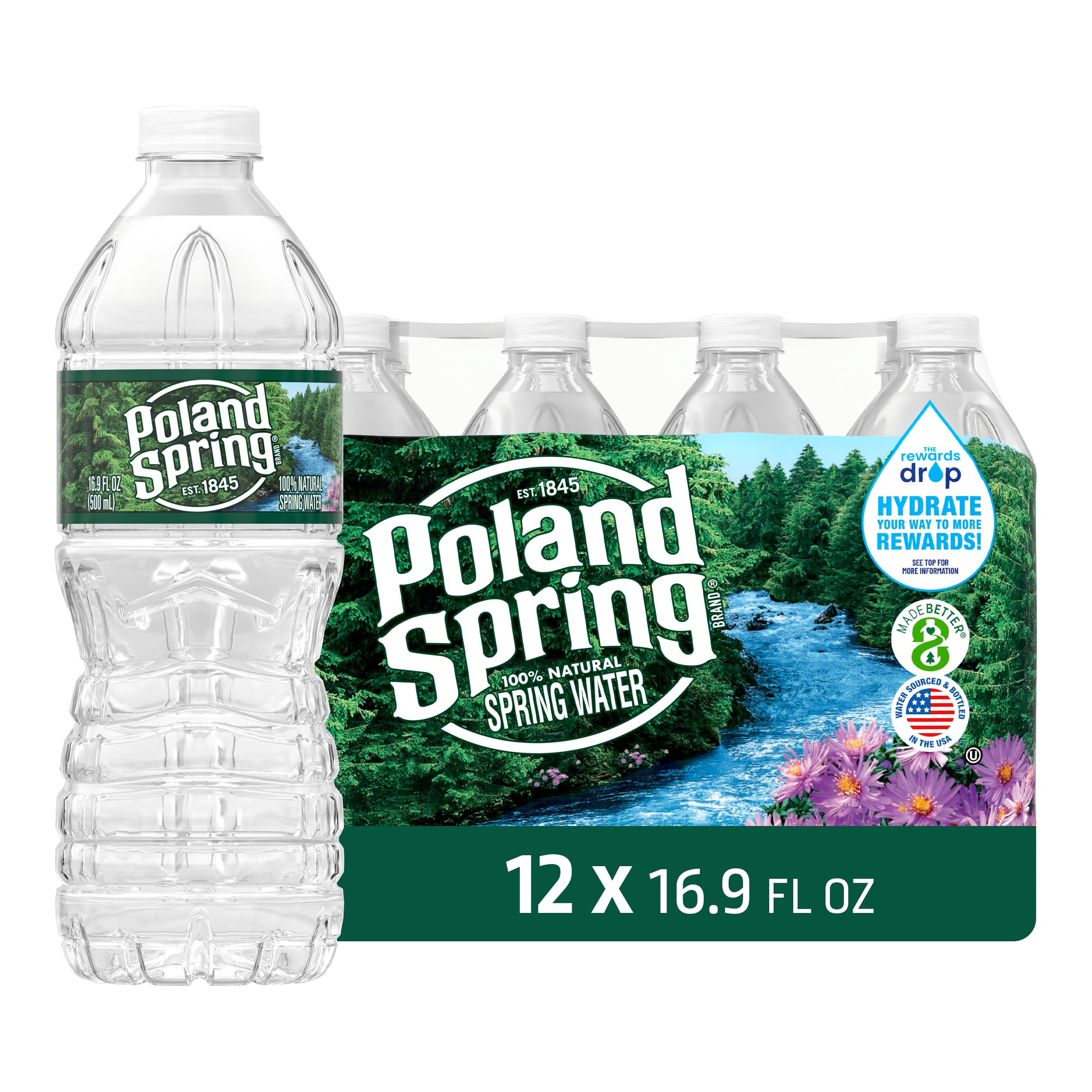


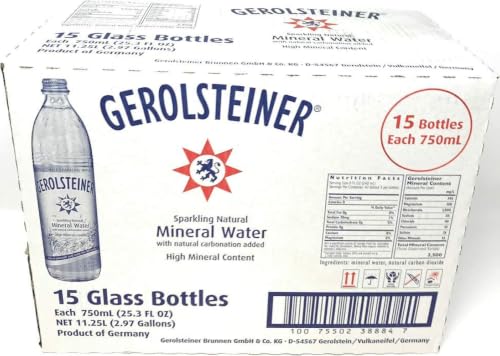

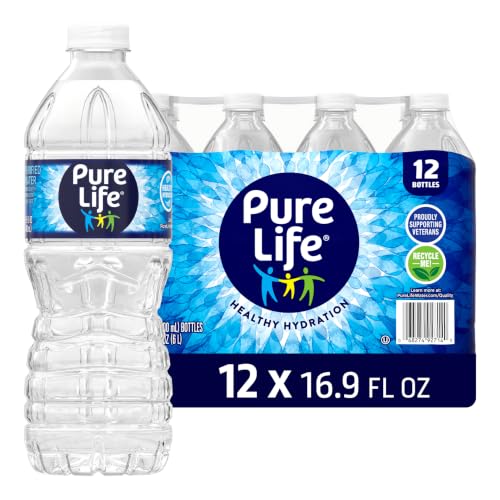
Why Water Chemistry Changes Espresso
Espresso extraction pulls flavor compounds from coffee grounds into water, and dissolved minerals influence which compounds dissolve and how they taste. Calcium and magnesium help extract desirable flavors and give coffee body, while very soft water can taste sharp or hollow because it lacks that mineral support. Bicarbonate acts as a buffer that softens acidity, so water high in bicarbonate can mute bright, fruity notes.
The balance matters more than any single number. Water with moderate hardness and modest bicarbonate usually produces a rounded, sweet cup across many coffee styles. Water that is extremely hard may taste fine for a week yet leave scale inside boilers and pipes, which reduces heating efficiency and eventually needs costly descaling.
Water that is extremely soft may protect the machine yet produce a thin, sour tasting shot. Aim for the middle ground.
Reading a Bottled Water Label
A bottled water label usually lists total dissolved solids, calcium, magnesium, and bicarbonate, though formats differ by country. Total dissolved solids give a rough sense of overall mineral content, with many espresso guides favoring a moderate range rather than very low or very high values. Calcium and magnesium together describe hardness, while bicarbonate describes buffering and scale tendency.
If a label omits details, the maker website often publishes a full water quality report. Compare two or three brands available near you and note which ones sit in a moderate range across all three measures. Avoid choosing on marketing words such as pure or natural alone, since those words say nothing about mineral balance.
A plain label with clear numbers beats a premium label with vague claims. Machine focused guidance appears in our guide to best espresso coffee machines, and water use basics are covered in our guide to best water to use for espresso machines.
Scale Risk and Machine Protection
Scale forms when hard water is heated and minerals settle on boiler walls, heating elements, and narrow pipes. Early signs include slower heating, uneven pressure, and a machine that needs descaling more often than the manual suggests. Over time, heavy scale can restrict flow and damage components, so prevention is far cheaper than repair.
Bottled water with moderate hardness slows scale formation considerably compared with very hard tap water, but it does not remove the need for maintenance. Follow the maker descaling schedule, use filtered water for rinsing, and watch for changes in shot time or temperature that hint at buildup. If your machine has a water hardness setting, set it to match the water you actually use, since that setting often controls filter reminders. Softening options are compared in our guide to best water softener for espresso machines.
Taste Testing at Home
A simple taste test beats theory. Brew the same coffee with two different bottled waters on the same day, keeping grind, dose, and temperature unchanged, and taste both shots side by side. Note sweetness, acidity, body, and aftertaste rather than trying to score the water itself. The water that makes your usual coffee taste most balanced is the right choice for your palate and your beans.
Repeat the test with a second coffee style if you drink both light and dark roasts, since a water that suits a chocolatey dark roast may mute a bright light roast. Keep notes for a week, including any change in machine behavior, and settle on one brand for daily use. Consistency helps you learn your grinder and machine, which improves every shot more than constantly switching waters. Coffee machine water choices are also discussed in our guide to best bottled water for coffee machines.
Cost, Storage, and Practical Habits
Bottled water costs more than tap water, so practical habits matter. Buying in larger packs usually lowers cost per liter, but store bottles away from heat and sunlight, which can affect taste and plastic quality. Fill the machine tank with fresh water each morning rather than topping up stale water, and empty the tank if the machine will sit unused for several days.
Also consider the environmental side. If a local filtered tap option achieves a similar mineral profile, it may serve daily use while bottled water covers tasting or travel. Some baristas mix filtered tap water with a small share of bottled water to reach a target profile, though that approach needs a basic test kit to stay consistent.
For most home users, one reliable bottled brand plus regular descaling is the simplest path. Quality machine options appear in our guide to best quality espresso machines.
A Final Check Before You Buy
Before you commit to a brand, check the label numbers, confirm availability near you, and run the side by side taste test described above. Note the machine descaling schedule for your chosen water, and set any hardness setting accordingly. Those steps take a weekend and prevent months of guessing.
If shots taste flat, try a slightly harder water. If scale builds quickly, try a softer water with lower bicarbonate. Small adjustments in that direction usually solve the problem without new equipment. The product table above summarizes water types, and your palate plus your machine behavior will confirm the best match.
Comparing Brands on the Shelf
Comparing bottled waters in a shop is easier with a simple routine. First, read total dissolved solids, calcium, magnesium, and bicarbonate on each label, and note which brands sit in a moderate range across all measures. Second, check bottle size and price per liter, since a brand you cannot afford daily will not become a habit. Third, buy two small bottles of different brands for a home taste test rather than committing to a bulk pack immediately.
Taste testing should use the same coffee, grind, and temperature for both waters, with a short rest between shots so flavors do not blur. Note sweetness, acidity, body, and aftertaste in a few words for each water, and repeat the test on a second day to confirm the result. A brand that wins twice is a reliable daily choice, while a one day winner may reflect bean variation or mood rather than water.
Availability matters as much as taste. A superb water sold only in one distant shop will be replaced by whatever is convenient when you run out, which breaks consistency. Choose a brand sold in several nearby shops or available by regular delivery, so your daily water stays the same week after week and your machine settings stay valid.
Frequently Asked Questions
Does bottled water really change espresso taste?
Yes, because water carries flavor compounds from the grounds and its minerals shape acidity, sweetness, and body. Very soft water can taste sharp and thin, while very hard water can taste heavy and scale the machine. A moderate mineral balance usually gives the most rounded cup across different coffees.
What mineral levels should I look for?
Look for moderate total dissolved solids with balanced calcium and magnesium and modest bicarbonate, rather than extreme values in any direction. Exact targets vary by guide and coffee style, so treat published ranges as a starting point and confirm with a side by side taste test using your own coffee and machine.
Will bottled water stop scale completely?
No, bottled water slows scale formation but does not remove maintenance. Even moderate hardness leaves some deposits over time. Follow the maker descaling schedule, watch for slower heating or changed shot times, and set any water hardness setting to match the water you actually use.
Is spring water better than purified water for espresso?
Spring water usually retains natural minerals that aid extraction, while purified water is often very low in minerals and can taste flat. Neither label guarantees a good balance, so read the mineral numbers rather than trusting the category name. A spring water with moderate minerals often suits espresso well.
Can I mix bottled water with filtered tap water?
Mixing can work if you know both mineral profiles and keep the ratio consistent, but it adds guesswork without a test kit. Most home baristas do better with one reliable bottled brand for daily use. If cost matters, compare a filtered tap option with similar numbers before mixing.
Final Thoughts
Good espresso water is a balance, not an extreme. Moderate minerals support flavor, modest bicarbonate keeps acidity lively, and sensible hardness protects the machine from rapid scale. The product table above outlines the main water types, and a weekend of label reading plus a side by side taste test will identify your best match.
Keep the routine simple: one reliable brand, fresh water daily, and regular descaling. Those habits improve every shot more than chasing rare or expensive bottles, and they keep your machine healthy for years. That practical balance is the essence of choosing the best bottled water for espresso machines for your home setup.


