
Best Electric Milk Frother: A Buying Guide
Disclosure: We may earn a commission when you buy through links on this page, at no extra cost to you. As an Amazon Associate I earn from qualifying purchases. Learn more

Steaming milk at home usually means one of two things: standing over the stove with a whisk, or wrestling with a wand that never quite gets the foam you were hoping for. An electric milk frother skips both problems. You pour milk into a self-contained pitcher, press a button, and walk away while the machine heats and froths it for you. If you've been comparing the best electric milk frother options against a cheap handheld wand or the frother built into a coffee machine you already own, this guide breaks down exactly how the automatic pitcher style works, what capacity and settings actually matter, and how to keep the foam consistent once you own one.
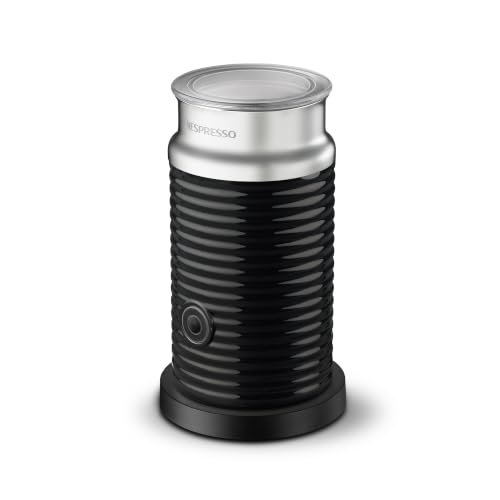
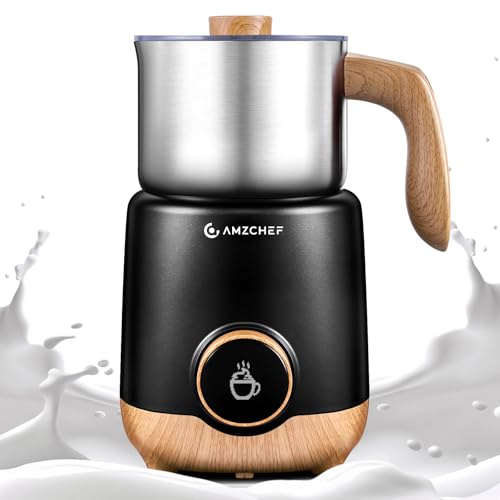
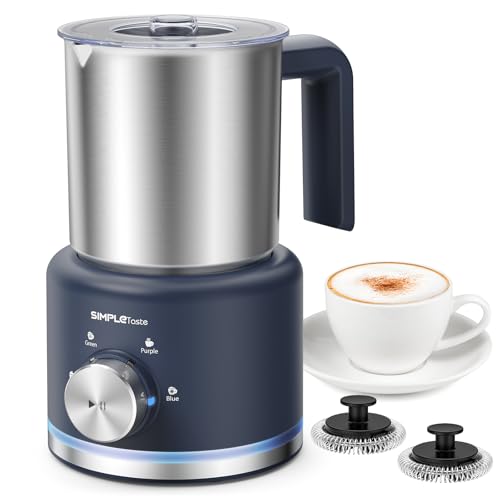
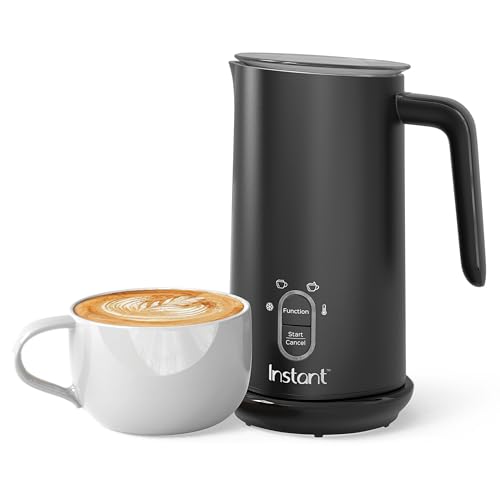
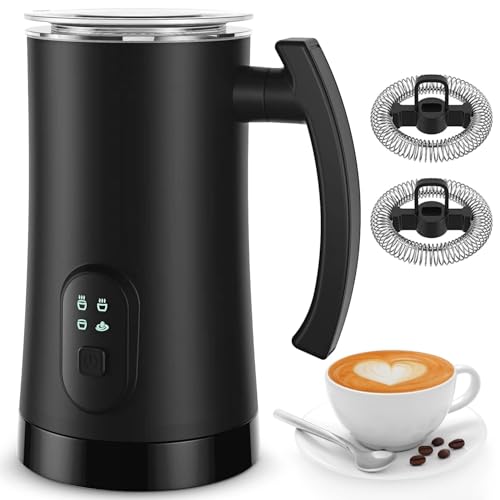
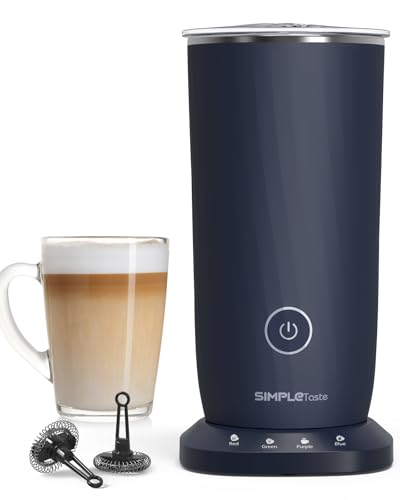
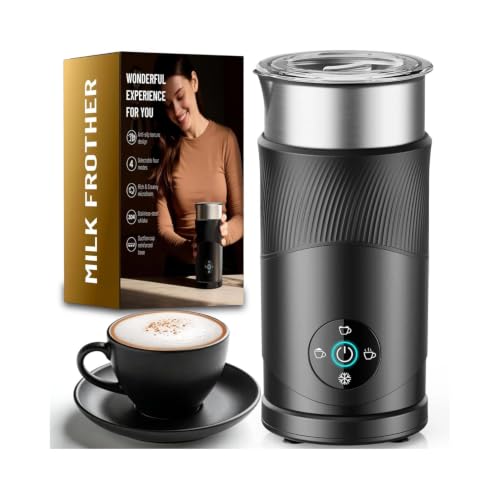
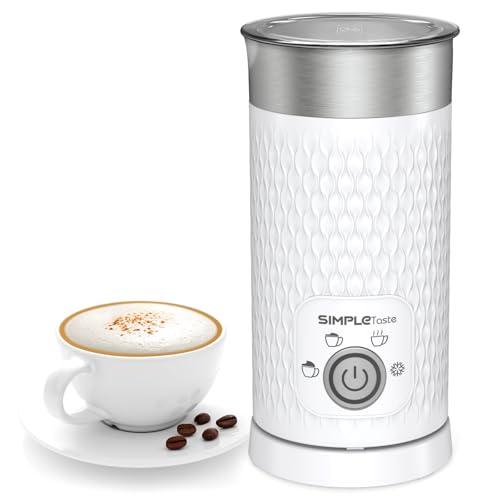
How an Electric Frother Actually Works
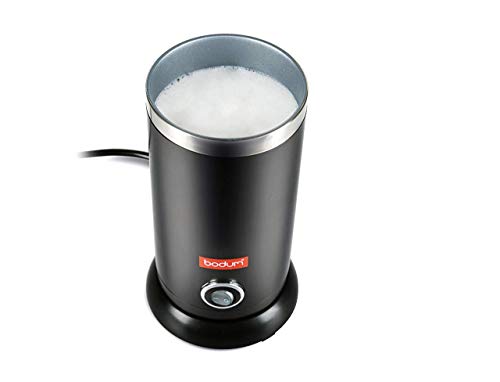
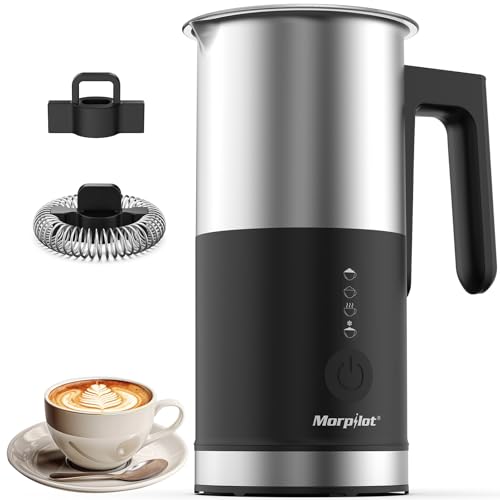
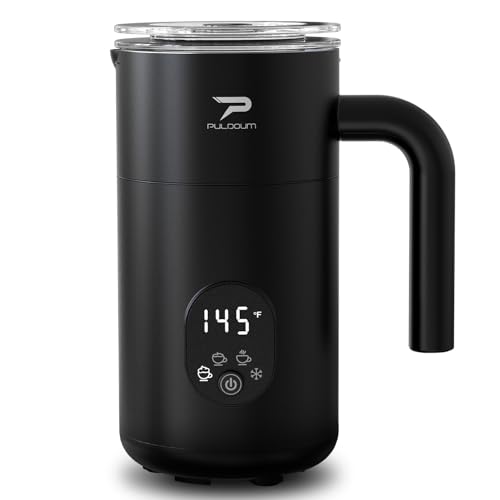
An electric milk frother is a countertop appliance built around a closed pitcher. You add milk up to a marked fill line, close the lid, and select a setting. Inside the base, an internal disc or whisk spins the milk while a heating element warms it at the same time, so the appliance does both jobs in one cycle without you touching a whisk or a stove.
Automatic Pitcher vs. Handheld Wand
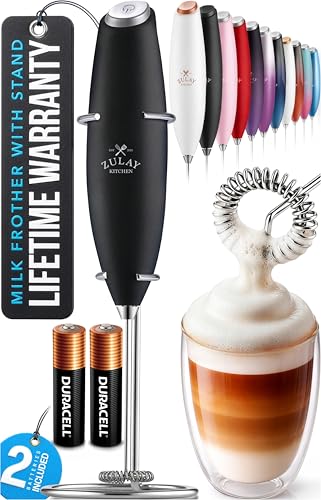
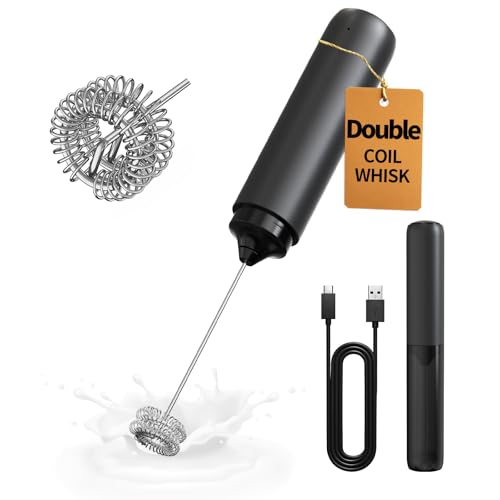
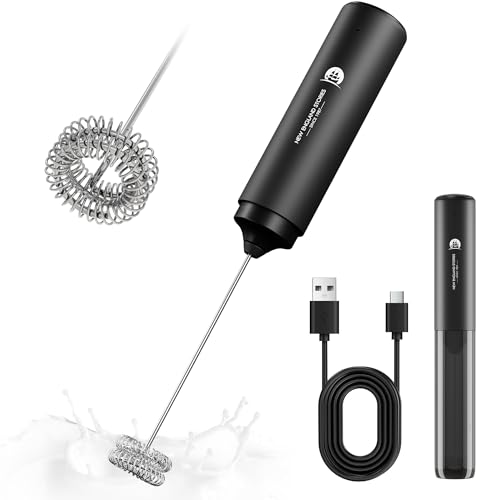
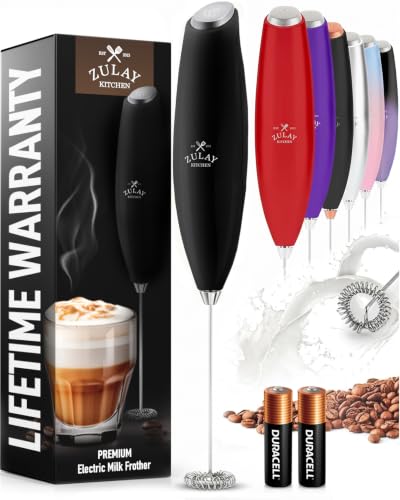
That "set it and walk away" design is the biggest thing separating an electric frother from a handheld wand. A handheld frother is a small motorized whisk you dunk into a cup by hand, and it only whisks, so you still have to warm the milk separately first. An electric pitcher heats and froths in a single automated cycle and produces denser, more uniform microfoam because the whisk spins at a fixed, controlled speed inside an enclosed jug rather than being moved around by hand. If portability and a lower price matter more to you than that consistency, our guide to the best handheld milk frother covers the wand-style option in more detail.
Electric Frother vs. Built-In Coffee Machine Frothing
It's also worth separating an electric frother from the frothing arm built into some coffee machines. A combo machine brews coffee and froths milk from one appliance, which is convenient if you're buying new equipment anyway, but you're stuck with whatever frothing performance that machine ships with. A standalone electric frother is a dedicated tool you can pair with any coffee maker or espresso machine you already own, and it's usually easier to keep upgrading or replacing on its own schedule. If you'd rather have both functions built into one machine from the start, see our guide to the best coffee machine with a milk frother for that route instead.
Capacity: How Much Milk Pitcher You Actually Need
Electric milk frother pitchers typically range from around 6 ounces up to 20 ounces or more, and capacity is one of the first things worth checking before you buy. A smaller pitcher is fine if you're making one latte at a time, and it also tends to be faster to clean since there's less surface area to rinse. A larger pitcher makes more sense if you regularly froth for two people or like having extra foam on hand for a second cup without running the machine twice.
Keep in mind the fill line matters more than the pitcher's total volume. Overfilling past the marked line is a common reason foam overflows or doesn't form properly, since the milk needs room to roughly double in volume as it froths. If your household usually makes one drink at a time, buying the largest pitcher available just means more milk residue to clean after every single use.
Froth Settings and Heating Technology That Matter
Not every electric frother offers the same range of settings, and the differences affect what drinks you can actually make with it.
Hot Foam, Cold Foam, and Heat-Only Settings
Most electric frothers offer at least a hot foam and a heat-only mode, and many newer models add a dedicated cold foam setting for iced drinks. If you drink iced coffee as often as hot coffee, confirm cold foam is actually included since some budget models only froth milk that's being heated. A heat-only setting, without any whisking, is also useful on its own for warming milk for hot chocolate or plain steamed milk.
Magnetic Whisk and Induction Heating
Inside the pitcher, the whisk or spinning disc is usually either fixed in place or magnetic and removable. A magnetic whisk pulls out easily for rinsing and tends to leave less residue behind over time, which matters more than it sounds like once you're using the frother daily. Heating technology varies too: induction heating warms the pitcher more evenly and consistently than a simple resistive element, which reduces the risk of scorched milk or a burnt smell after repeated use. Neither feature is essential, but both push the price up, so it's worth deciding how often you'll actually use the extra settings before paying for them.
Keeping the Foam Consistent: Cleaning and Common Fixes
Even a well-built electric frother can turn out flat or thin foam if a couple of small habits slip.
Why Foam Collapses or Comes Out Thin
Foam that forms nicely and then collapses within a minute is usually a heat or milk-fat issue rather than a defective machine. Milk that's overheated loses the protein structure holding the bubbles together, so if the pitcher feels too hot to hold comfortably, it's likely gone past the ideal range. Skim or very low-fat milk also produces thinner, shorter-lived foam than whole milk, since fat and protein are what keep the bubbles stable in the first place.
Cleaning the Whisk and Jug After Every Use
Milk residue left on the internal whisk is one of the most common reasons foam quality drops off over time. A thin film of dried milk reduces friction and disrupts the swirl the machine relies on to pull air into the liquid, so rinsing the pitcher right after use, while the residue is still soft, keeps performance consistent. Most jugs and whisks are dishwasher-safe or at least designed to rinse clean quickly with warm water, and skipping that step for even a few days is usually enough to notice weaker foam.
Frequently Asked Questions
What is the difference between an electric milk frother and a handheld frother?
An electric frother is a countertop appliance with a self-contained pitcher that heats and froths milk automatically at the press of a button. A handheld frother is a small battery-powered whisk you move by hand, and it only whisks, so you have to heat the milk separately if you want it warm.
Does an electric milk frother heat the milk?
Yes. Most electric frothers include a heating element that warms the milk while it froths, and many also offer a heat-only setting for plain warm milk without foam. This is one of the main differences from handheld wands, which have no heating function at all.
Can an electric milk frother make cold foam?
Many models do, but not all of them. Check the settings before buying if cold foam for iced drinks matters to you, since some budget-oriented electric frothers are built primarily around heating and hot foam.
How much capacity do I need in a milk frother pitcher?
A pitcher in the 6 to 10 ounce range is usually enough for one drink at a time, while anything from 12 ounces up is better suited to frothing for two people or making a larger batch in a single cycle. Sizing up mainly means more cleanup, so match the pitcher to how many drinks you actually make at once.
Are magnetic whisks better than fixed whisks?
A magnetic, removable whisk is generally easier to clean thoroughly since it detaches from the pitcher, and that tends to keep foam quality more consistent over time. A fixed whisk still works fine, but residue can be harder to reach during cleaning.
Why does my frothed milk collapse quickly?
Collapsing foam is usually caused by overheated milk or low-fat milk that can't hold its structure. Sticking to whole milk or a barista-blend non-dairy option, and avoiding letting the pitcher run past the point where it's uncomfortably hot to touch, both help the foam hold up longer.
What kind of milk froths best in an electric frother?
Whole milk consistently produces the thickest, most stable foam thanks to its fat and protein content. Barista-blend oat or almond milk is formulated to froth similarly, while standard low-fat and unsweetened plant milks tend to fall flat faster.
The Bottom Line
An electric milk frother earns its counter space by doing two jobs at once, heating and frothing, without requiring any technique from you beyond pouring milk to the fill line and pressing a button. Match the capacity to how many drinks you actually make, confirm it has the hot and cold settings you'll use, and rinse the whisk after every session, and the foam quality should stay consistent for years.