
Best British Tea Sets Made Simple: A Clear Buying Guide for 2026
Disclosure: We may earn a commission when you buy through links on this page, at no extra cost to you. As an Amazon Associate I earn from qualifying purchases. Learn more

Shopping for the best british tea sets for the first time? Learn the terms, compare options, and avoid rookie mistakes with this easy guide.
Buying your first proper tea set can feel oddly formal, with talk of bone china, trios, and creamers before you have even boiled a kettle. Relax: a tea set is just a matching group of pieces for brewing and serving tea, and choosing one is mostly about size, material, and how you like to drink. This guide explains the best british tea sets in plain language, step by step.
We start with what the pieces are, then translate the specs that sellers use, then cover first use and care. Use the product table to see typical set sizes and price ranges, and keep a note of how many people you usually serve, because that one fact settles half of the decision.



British Tea Sets 101: The Basics
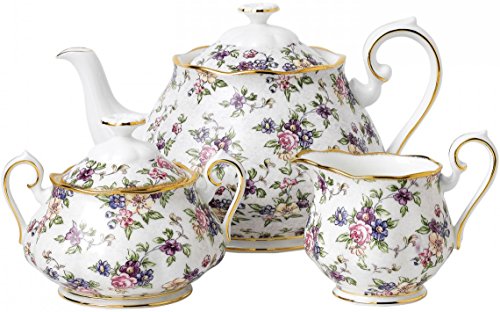
A traditional British tea set centers on a teapot, cups and saucers, a milk jug, and a sugar bowl, often with small plates for cake or biscuits. A trio means a cup, a saucer, and a side plate for one person. Sets are sold by the number of settings, so a set for four gives you four trios plus the serving pieces. Some sets add a cake stand or a larger serving plate, which is lovely for afternoon tea but unnecessary for daily use.
The British style leans toward porcelain and bone china, floral or classic banded patterns, and shapes made for black tea served with milk. That differs from the whisk and bowl used for matcha, and if that ritual interests you instead, our guide to the best matcha tea sets explains that separate tradition. For a broad view before you narrow down, you can also browse our guide to the best tea sets from every style and material.
One more basic worth knowing is the difference between a tea service and a tea set. Sellers use the words loosely, but a service usually means a larger, more formal collection with extra serving pieces. For most first buyers, a standard set for four or six covers daily cups and small gatherings without filling a whole cupboard.
Key Specs Explained in Plain English
Intended Use and Who It Is For
Start by naming your main use, because it quietly decides which of the best british tea sets suits you. Daily drinkers need a sturdy pot, comfortable cup handles, and pieces that tolerate frequent washing. Occasional hosts can choose finer china that comes out for guests and is washed gently by hand. Collectors may care most about pattern heritage and whether the pattern is still in production. If the set is a present, our guide to the best tea gift sets covers presentation and wrapping, while this guide keeps focus on the set itself.
Key Performance Specs
For a tea set, performance means how well the pot pours and how well the tea stays hot. A good spout pours in a clean stream and stops without dribbling down the side, and a lid that fits snugly keeps heat in and stays put while you pour. Thin china walls actually improve the drinking experience, since the rim feels refined and the tea cools to drinking temperature at a pleasant pace. Check the stated teapot capacity in ounces, and remember that a pot filled to the brim pours awkwardly, so usable capacity is a little less than the headline figure.
Size, Weight, and Fit for Your Space
Count your cupboard shelves before you count the pieces. A set for six with a cake stand needs real storage, and stacking cups saves space but risks chipping rims if you rush. Teapots for four cups usually hold about 30 to 40 fluid ounces, while pots for six or more reach 50 ounces and feel heavy when full. If lifting a full large pot sounds hard for anyone in your home, choose the smaller pot and brew twice. Formal sets sized for entertaining appear in our guide to the best tea sets for adults, which notes shelf sizes for larger collections.
Safety and Certifications
Tea sets touch hot drinks, so food safety matters more than decoration. Buy from sellers who state that glazes are food safe and compliant with United States rules on lead and cadmium, especially for imported or vintage style pieces. Treat antique sets with unknown glaze history as display pieces rather than daily drinkware. Heat safety counts too: fine china can crack if boiling water hits a cold pot in winter, so warming the pot first is both a safety habit and a flavour habit. Keep very hot pots on a mat, out of reach of young children.
Build Quality and Materials
Bone china is the classic British material: strong for its thinness, slightly translucent when you hold it to light, and pleasant to drink from. Porcelain is a close cousin, a little heavier and often less costly, and it suits daily use well. Earthenware and stoneware feel chunkier and warmer in style, resist chipping at the rim differently, and fit casual kitchens. Whichever you choose, run a fingertip around rims and foot rings: rough spots signal rushed finishing. Gold or platinum banding looks smart but usually means hand washing and no microwave use.
Warranty and Customer Support
China breaks, so support after the sale has real value. Look for sellers who offer replacements for pieces damaged in shipping, and check whether the pattern is open stock, meaning you can buy a single cup years later. Some makers keep popular patterns in production for decades, which protects your set. Keep the pattern name and a photo of the mark on the base of each piece, because that small record makes matching a replacement far easier. A short returns window is normal, so inspect every piece under good light as soon as the box arrives.
Rookie Mistakes to Avoid
- Buying a set for twelve when you host twice a year, then losing a cupboard to pieces you rarely touch.
- Choosing by pattern photo alone and never checking teapot capacity, cup size, or whether the set includes saucers.
- Putting gold banded china in the microwave or dishwasher, which fades the metal trim and can damage the glaze.
- Pouring boiling water into a cold fine china pot on a winter morning and cracking it with the sudden heat change.
- Assuming vintage pieces are food safe without any information about their glaze or age.
Getting Started: Setup and First Use
Unpack slowly and wash every piece in warm water with a mild detergent, then dry with a soft cloth and check each rim against the light for chips. Read the care leaflet before first use, since it states whether your set tolerates a dishwasher or microwave. For the first brew, warm the pot with hot tap water for a few minutes, empty it, add your tea and freshly boiled water, and let it steep with the lid on. Pour a small first cup to check the spout action over the sink, and note how the handle balances when the pot is full, because that feel is what you will live with.
FAQs
How do I maintain a british tea set?
Wash pieces soon after use, because tea tannins stain pale china over hours and the marks grow harder to lift. A soft cloth, warm water, and mild detergent handle daily care, and a paste of baking soda and water lifts stubborn cup stains without scratching. Store cups unstacked or with a soft layer between them. One habit worth starting early is drying the teapot with the lid off, which keeps the inside fresh between uses.
How much should I spend on a british tea set?
Most first buyers land between about $60 and $250 for a set for four or six. Lower prices buy sturdy porcelain or stoneware with simpler patterns, while higher prices bring bone china, finer finishing, and patterns with long production runs. Spend more only if you will use the set weekly or want replacement pieces to stay available. A modest set you use daily gives more pleasure than a costly set kept in a box for fear of chips.
How long does a british tea set last?
A well made china set can last for decades, and many family sets pass between generations with only a cup or two replaced. Lifespan depends more on handling than on the material itself: chips happen at sinks, in dishwashers, and during stacking. Stoneware may show knife marks and glaze wear sooner in heavy daily use. Choosing an open stock pattern is the single best step for longevity, because one broken piece then never orphans the whole set.
What features matter most when buying british tea sets?
Teapot capacity, a clean pouring spout, and cup comfort matter most, because you feel them at every use. Material comes next, since it decides weight, care, and how the rim feels. After that, check whether saucers and side plates are included if you serve cake or biscuits. Pattern is last on purpose: a beautiful set in the wrong size will annoy you weekly, while a plain set in the right size disappears pleasantly into your routine.
Are expensive british tea sets worth it?
They are worth it if you drink tea daily, love the ritual, and want bone china that stays in production so replacements remain possible. The extra cost usually buys thinner, stronger walls, cleaner glaze, and sharper pattern detail. They are harder to justify for rare use, where mid priced porcelain serves tea just as well and a chip hurts less. Consider cost per year of use, and remember that one treasured set beats three forgotten ones.
The Bottom Line
Choose the size for the people you actually serve, pick a material that matches your washing habits, and confirm the pattern stays in production. Those three steps keep a first purchase simple and sound. Compare set sizes and prices in the product table, and warm the pot before your first brew. Chosen that way, the best british tea sets stop being a formal puzzle and become a daily pleasure you reach for without thinking.


