
Best Milk Frother: A Complete Buying Guide
Disclosure: We may earn a commission when you buy through links on this page, at no extra cost to you. As an Amazon Associate I earn from qualifying purchases. Learn more

Walk into any kitchen appliance aisle and you'll find handheld wands, countertop machines, and coffee makers with built-in steam arms, all claiming to make cafe-quality foam at home. Picking the best milk frother for your kitchen starts with understanding that these are genuinely different tools built for different habits, not just different price points. A frother that's perfect for someone who makes one latte a day can be the wrong choice for someone frothing milk for four cappuccinos before work. This guide walks through the four main frother types, what actually separates good foam from great foam, and how your milk choice and daily routine should steer which one you buy.


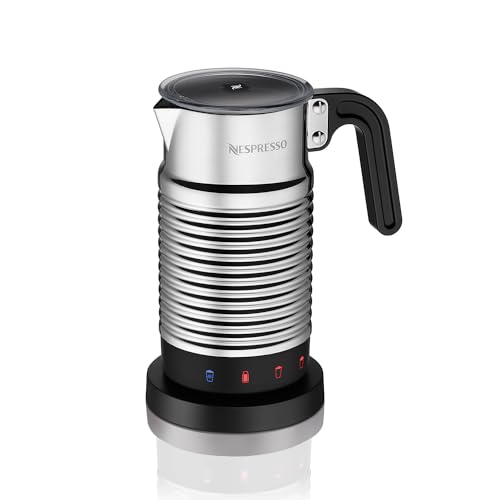
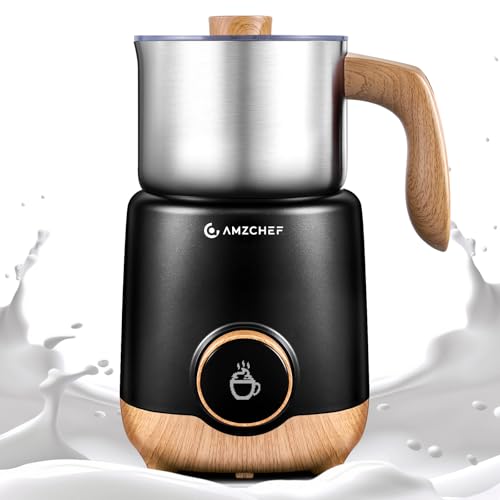
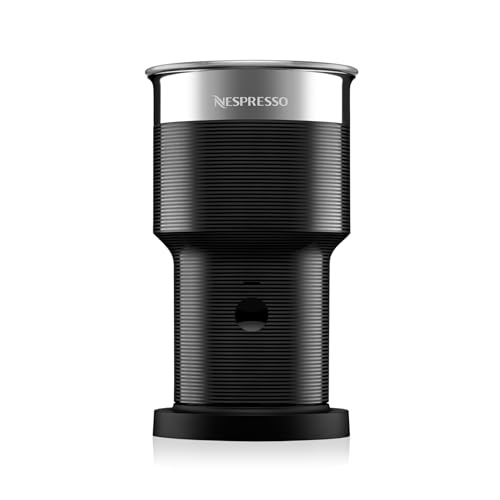

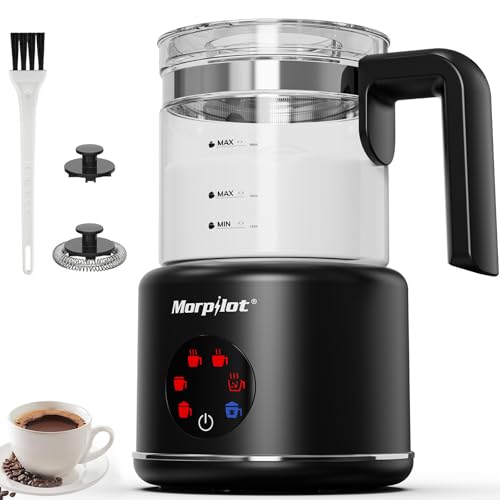

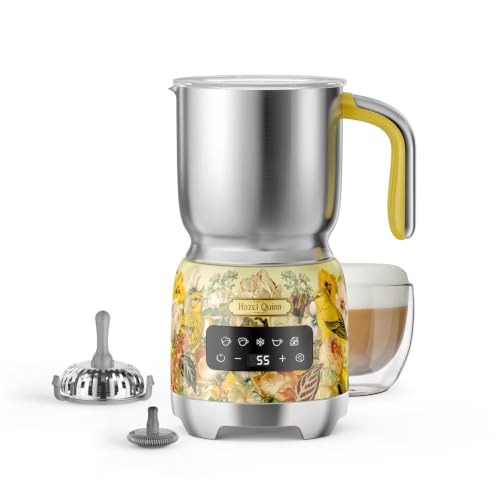
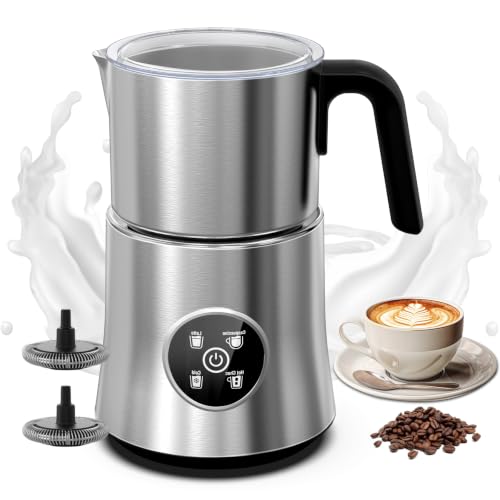
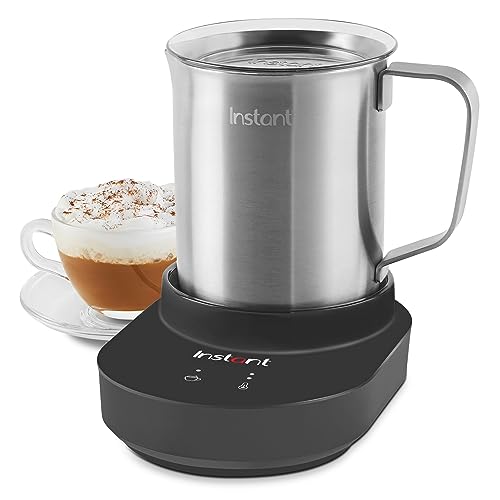
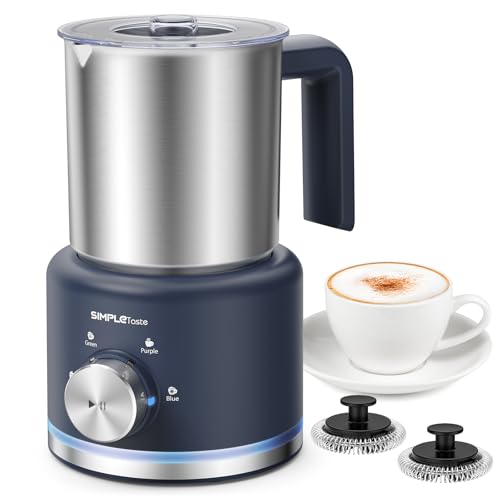
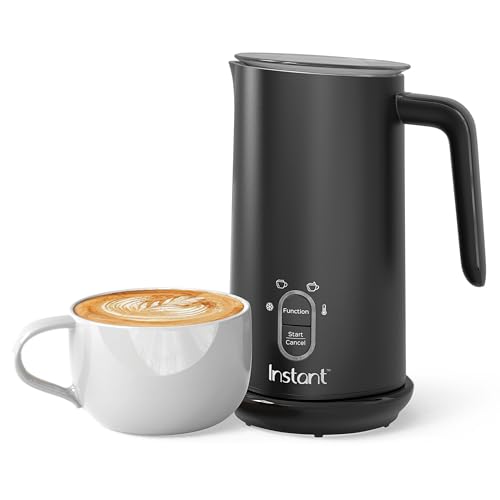
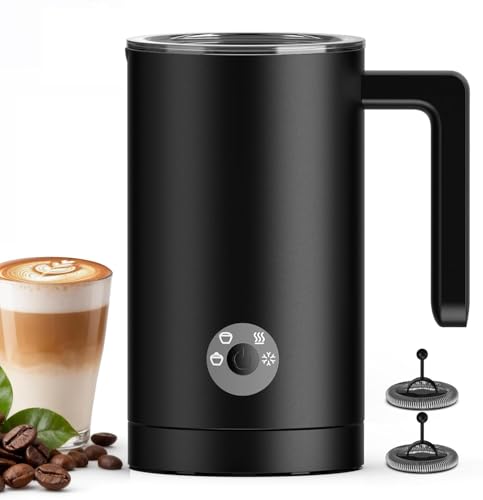
How the Four Types of Milk Frother Compare
Nearly every frother on the market falls into one of four categories: handheld wands, electric standalone pitchers, built-in steam wands, and manual pump frothers. Each uses a different method to add air to milk, and that method is what determines both the foam quality and the effort involved.
Handheld Wand Frothers
A handheld frother is a small battery-powered or rechargeable whisk you dip into a cup of already-warmed milk. It's the cheapest and most portable option, and it only whisks, so you need to heat the milk yourself first if you want a hot drink. The foam it produces tends toward larger, airier bubbles rather than dense microfoam, which works fine for everyday lattes but is harder to shape into latte art. Our guide to the best handheld milk frother goes deeper into whisk design and battery life if this style fits your routine.
Electric Standalone Frothers
An electric frother is a countertop appliance with a self-contained pitcher that heats and froths milk in one automated cycle. You pour in milk, press a button, and walk away, which makes it the most hands-off option of the four. Because the whisk spins at a fixed speed inside an enclosed jug, the foam tends to be more consistent than a handheld wand produces. If you make frothed drinks daily and want that convenience, the best electric milk frother guide breaks down capacity and settings in more detail.
Built-In Steam Wands
A steam wand is the frothing arm built into many espresso machines and some higher-end coffee makers. It pumps pressurized steam directly into a pitcher of milk, and with practice it produces the densest, silkiest microfoam of any method, the kind baristas use for latte art. The tradeoff is a real learning curve and more cleanup than a self-contained appliance. If you're shopping for a machine that combines brewing and frothing in one unit, see our guide to the best coffee machine with a milk frother for that specific buying decision.
Manual Pump Frothers
A manual pump frother is a small carafe with a mesh plunger you pump by hand, similar to a French press. It has no motor and no battery, so it's inexpensive and easy to travel with, but it takes more physical effort and produces looser foam than an electric or steam-based method. It also can't heat milk on its own, so you'll need a stovetop or microwave first. It's a reasonable backup option, but not a primary choice if you froth milk often.
Which Type Fits the Way You Actually Drink Coffee
Choosing the best milk frother for your routine usually comes down to how often you make frothed drinks and how much foam quality actually matters to you, more than any single spec. If you make one latte or cappuccino most mornings and don't want another appliance taking up counter space, a handheld wand covers that use case at the lowest cost and effort to store. If you're frothing multiple drinks a day, or you make cold foam for iced coffee as often as hot drinks, an electric standalone frother earns its counter space because it handles both without your hands ever touching a whisk.
Someone chasing latte art or restaurant-style microfoam is really shopping for a steam wand, either as a standalone attachment or built into an espresso machine, since no other method compresses air into milk quite as finely. A manual pump frother makes the most sense as a lightweight backup for travel or camping, or for someone who only occasionally wants foam and doesn't want to spend much on a dedicated tool. None of these choices is objectively better, they're suited to different frequencies and different standards of foam.
Froth Quality: Airy Bubbles vs Cafe-Style Microfoam
Not all foam is the same, and understanding the difference helps explain why some frothers cost more than others. Large, airy bubbles form when a whisk moves quickly through milk without much control over bubble size, which is what most handheld wands and manual pumps produce. It's fine for topping a mug of hot chocolate, but it tends to separate from the liquid milk underneath within a few minutes.
Microfoam is finer and denser, with bubbles small enough that the foam and the milk underneath stay blended together, giving it a glossy, pourable texture. That's the texture baristas use to pour latte art, and it's what steam wands and higher-end electric frothers with tighter whisk clearances are built to produce. If you mostly want foam for texture and a bit of visual appeal on a latte, either type works. If foam density and pour consistency actually matter to you, that's worth prioritizing over price when comparing frother types.
Milk Matters: Dairy vs Plant-Based Frothing Performance
The milk you use affects foam quality as much as the frother itself, sometimes more. Whole dairy milk froths the most reliably across every frother type because its fat and protein content stabilizes bubbles, producing foam that holds its shape for several minutes. Skim milk can actually froth taller because there's less fat weighing the bubbles down, but that foam collapses faster and has a thinner texture.
Plant-based milks vary a lot by brand and type. Oat milk has become popular for frothing specifically because many brands add stabilizers that mimic dairy's protein structure, so it performs close to whole milk in most frothers. Almond and rice milk tend to froth less consistently and can separate quickly, since they have less protein overall. If you regularly drink a specific plant-based milk, it's worth testing a small batch in whatever frother you're considering before assuming any model will handle it the same way dairy does.
Cost, Capacity, and Cleanup Across the Frother Spectrum
Price generally tracks with how much of the work a frother does for you, and it's a major factor when picking the best milk frother for your budget. Manual pumps and basic handheld wands sit at the lower end of the price range since they have simple mechanisms and no heating element. Electric standalone frothers cost more because they combine heating and frothing in one motorized appliance, and built-in steam wands cost the most since they're part of a larger espresso or coffee machine rather than a standalone accessory.
Capacity is worth checking regardless of type. A single-serving frother is faster to clean and fine for one drink at a time, while a larger pitcher or steam wand jug makes more sense if you're regularly frothing for two or more people at once. Cleanup effort also varies: handheld wands just need a quick rinse, electric pitchers usually have a removable, dishwasher-safe whisk, and steam wands need to be purged and wiped down after every single use to prevent dried milk from clogging the tip. Factor daily cleanup time into your decision as much as the upfront cost, since that's the part you'll deal with every time you make a drink.
Frequently Asked Questions
What type of milk frother is best for a beginner?
A handheld wand or a basic manual pump is the easiest starting point since both are inexpensive and simple to use. They let you figure out how often you'll actually use a frother before spending more on an electric or steam-wand setup.
Is an electric milk frother better than a handheld one?
It depends on how often you froth. An electric frother is more convenient and produces more consistent foam because it heats and whisks automatically, but a handheld wand costs less and takes up far less storage space.
Do I need a built-in steam wand to make good foam?
No, but a steam wand does produce the densest microfoam of any method. If you're mainly looking for foam on a daily latte rather than pouring latte art, an electric or handheld frother is usually good enough.
Can a milk frother froth cold milk for iced coffee?
Many electric frothers include a dedicated cold foam setting, and handheld wands can whisk cold milk too, though the foam tends to be looser. Manual pumps and steam wands are generally built around heating milk rather than cold frothing.
What milk froths best in a frother?
Whole dairy milk froths most reliably across every type of frother because its fat and protein content stabilizes the bubbles. Oat milk is usually the most reliable plant-based option, though results vary by brand.
How much does a good milk frother cost?
Cost varies widely by type. Manual pumps and basic handheld wands are the least expensive, electric standalone frothers cost more for the added convenience, and built-in steam wands cost the most since they're part of a full coffee or espresso machine.
How do I clean a milk frother?
Rinse handheld whisks and pitchers right after use so milk residue doesn't dry and affect future foam quality. Electric frother pitchers and whisks are often dishwasher-safe, while steam wands should be purged and wiped down immediately after every use.
Finding Your Fit
There's no single best milk frother type, only the one that matches how often you make frothed drinks and how much foam quality matters to you. A handheld wand or manual pump suits occasional use and tight budgets, an electric frother suits daily convenience, and a steam wand suits anyone chasing cafe-style microfoam. Start with how many drinks you actually froth in a normal week, and let that decide which type is worth the counter space and the price difference.