
Best Handheld Milk Frother: A Complete Buying Guide
Disclosure: We may earn a commission when you buy through links on this page, at no extra cost to you. As an Amazon Associate I earn from qualifying purchases. Learn more

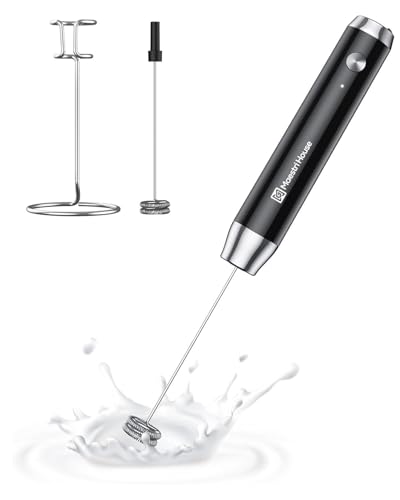
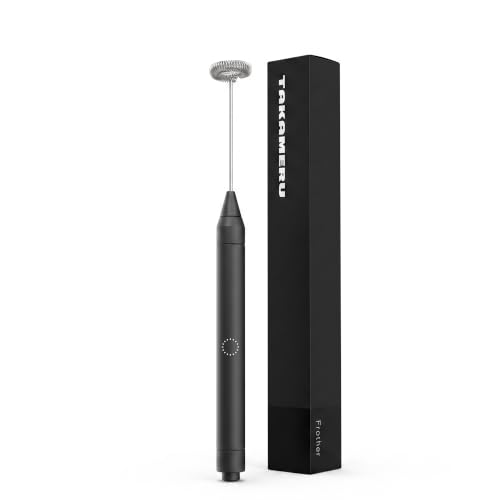
If your coffee habit has outgrown black coffee but you're not ready to buy a full espresso setup, a small whisk you dunk into a cup of warm milk can get you most of the way to café-style foam. That's the appeal of the best handheld milk frother options on the market: they're cheap, they're small enough to tuck in a drawer, and they turn plain milk into something you'd actually want on top of a latte or hot chocolate. This guide focuses on standalone handheld wands, not the built-in frothing arms found on combo coffee machines, so the buying criteria here are different: power source, whisk design, and how well the thing actually froths milk on a Tuesday morning. By the end, you'll know exactly what separates a frother that gets used daily from one that ends up in a junk drawer after a month.
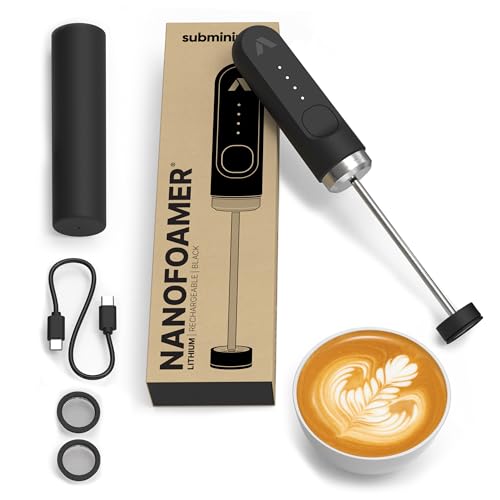
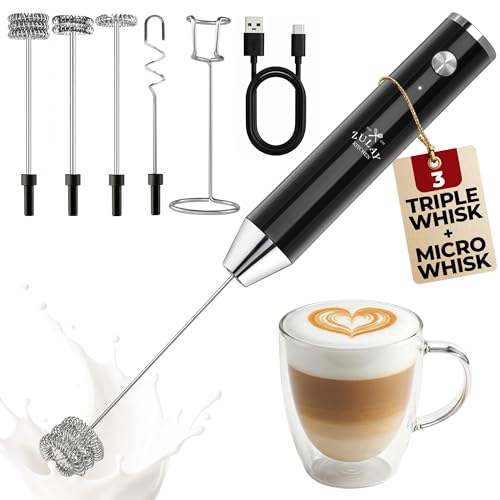
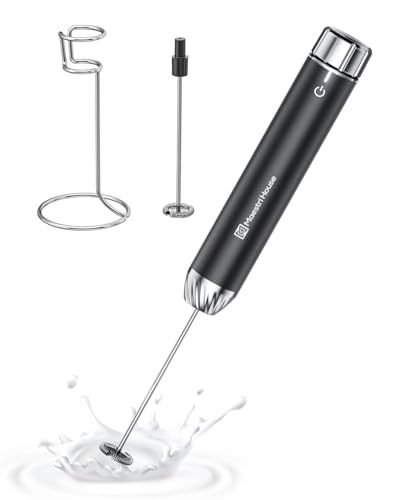
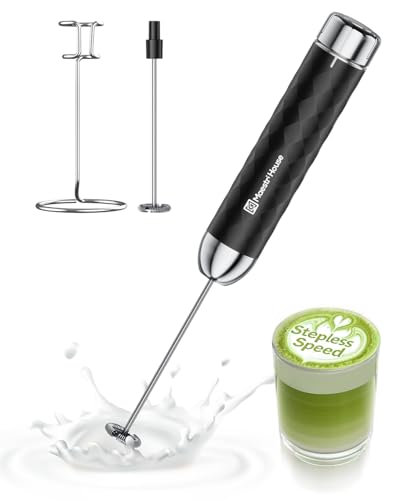
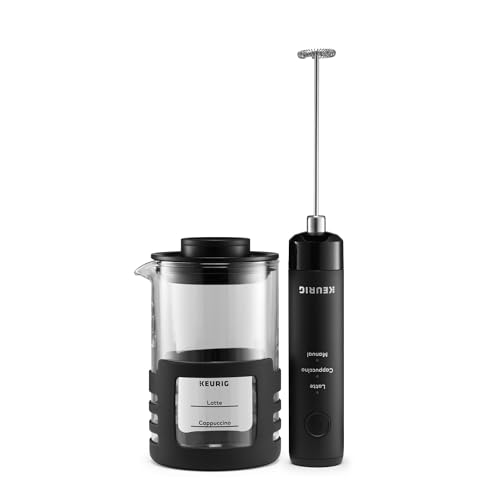
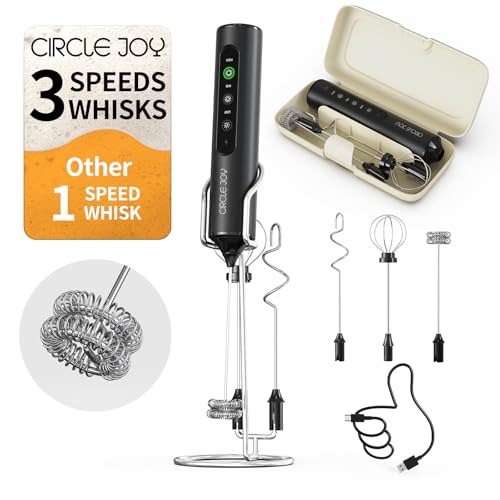
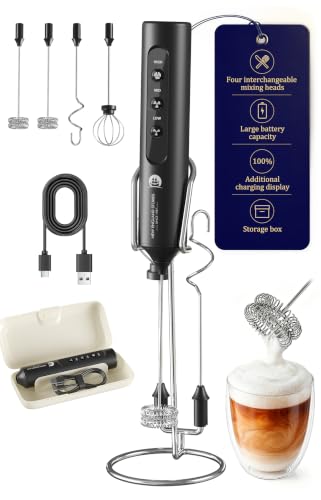
How a Handheld Frother Actually Works
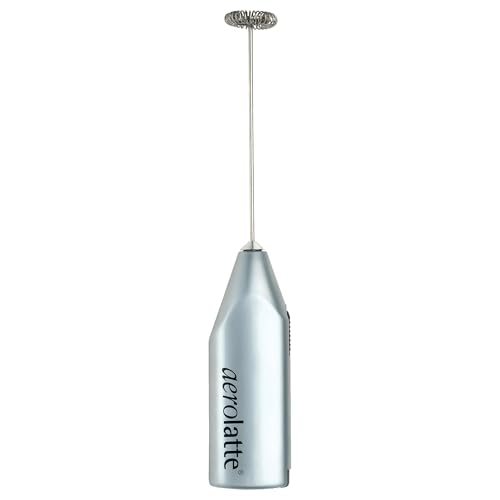
A handheld milk frother is a small motorized whisk. You dunk the wire loop into a cup of milk, turn it on, and the motor spins the whisk fast enough to whip air into the liquid, creating foam through mechanical agitation. It's a fundamentally different process from what happens inside an espresso machine, and understanding that difference will save you from picking the wrong tool for what you actually want to drink.
Mechanical Whisking vs. Steam Injection
Steam wands, whether on a standalone espresso machine or built into a combo appliance, inject hot steam directly into the milk. That does two things at once: it heats the milk and creates a fine, dense microfoam with tiny, uniform bubbles, the kind baristas use for latte art. If that kind of microfoam is what you're really after, our guide to espresso machines with a built-in milk steamer covers the appliance side of that decision. A handheld milk frother only does the second half of that job, and even then, the foam it produces tends to be airier and less uniform. It has no heating element, so you'll need to warm your milk separately on the stove or in the microwave before or after frothing.
When a Standalone Wand Beats a Combo Machine
None of this makes a handheld wand inferior, it just makes it suited to a different kind of coffee drinker. If you already own a coffee maker and just want the option of foamed milk once in a while, a five-dollar accessory that lives in a drawer makes far more sense than replacing your entire machine. If you'd rather have frothing built directly into your brewing routine instead, it's worth looking at our guide to the best coffee machine with a milk frother, which covers combo appliances designed around that exact convenience. The handheld route wins on price, portability, and simplicity; the combo appliance route wins on consistency and one-step convenience.
Battery-Operated or Rechargeable: Which Fits Your Routine
Every handheld milk frother on the market runs on one of two power setups, and this decision shapes almost everything else about how the tool fits into your morning.
The Case for Battery-Powered Models
Battery-operated frothers use standard AA or AAA batteries, so there's no cord, no charging dock, and nothing to plug in. That makes them genuinely useful for travel, dorm rooms, or offices where an outlet near the coffee station isn't guaranteed. The tradeoff is that you'll eventually need to swap batteries, and motor power on battery models tends to run a notch below their rechargeable counterparts.
The Case for USB Rechargeable Models
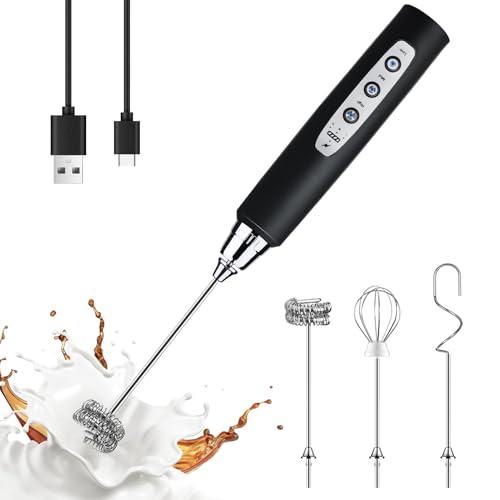
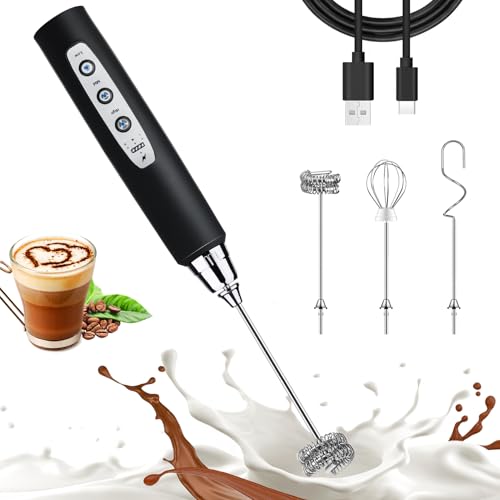
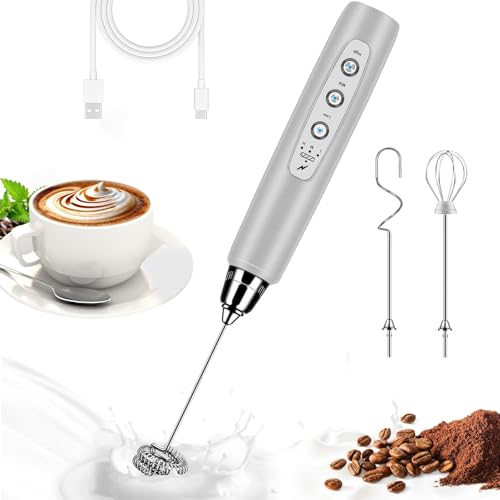
A rechargeable milk frother charges through a USB cable and typically delivers noticeably stronger, more consistent motor power, which translates to denser foam and the ability to froth several cups before needing a recharge. For anyone making foamed drinks daily, that extra consistency adds up. The downside is remembering to charge it, and if you misplace the charging cable, you're stuck until you find a replacement.
Whisk Design, Speed, and Motor Power That Actually Matter
Once you've settled on a power source, the whisk itself is where a handheld milk frother's foam quality is actually decided.
Single Whisk vs. Dual Whisk Heads
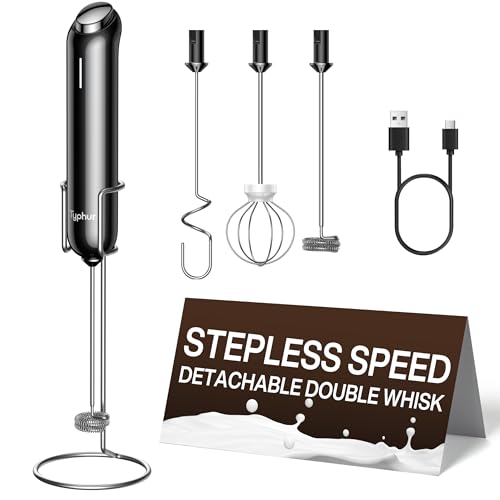
A single wire loop is the classic design and works fine for most home use. Dual whisk heads, two interlocking loops instead of one, tend to whip air into milk faster and produce a slightly thicker foam, which matters if you're frothing for more than one cup at a time. Whichever design you land on, check whether the whisk head detaches from the motor housing. A detachable head is far easier to rinse clean, and it means the motor never has to touch liquid directly.
Speed Settings and Noise Level
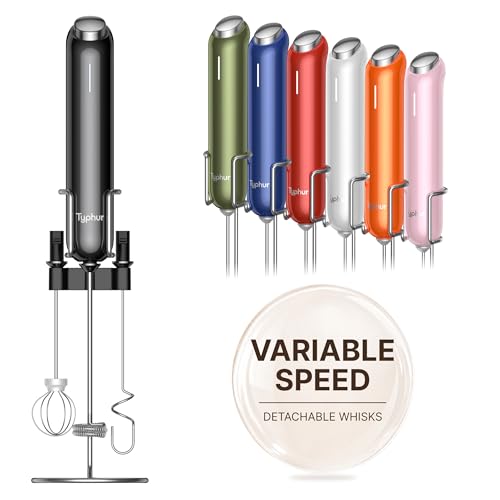
Some models run at a single fixed speed, others offer two or three speeds so you can mix eggs or salad dressing gently and switch to full power for milk foam. More speed settings add flexibility but also add cost, so it's worth deciding whether you actually need that range or just want reliable foam for coffee. Noise is worth a mention too: cheaper motors tend to run louder and buzzier, which matters if you're frothing milk quietly before the rest of the house is awake.
Getting Better Foam: Milk Type, Technique, and Common Mistakes
Even the best handheld milk frother will disappoint you if the milk and technique aren't working in its favor.
Why Whole Milk Froths Better Than Skim or Plant-Based
Fat and protein are what hold foam together, so whole milk consistently produces thicker, longer-lasting foam than skim milk. Plain oat or almond milk can froth reasonably well, but unsweetened, low-fat versions often fall flat within a minute. Barista-blend plant milks are formulated with extra fat and stabilizers specifically to froth better, and they make a noticeable difference if non-dairy is your default.
Technique Tips for Denser, Longer-Lasting Foam
Use a tall, narrow cup rather than a wide bowl, and only fill it about a third full since the volume will roughly double as it froths. Keep the whisk head fully submerged at first to avoid splashing, then slowly move it toward the surface to incorporate more air once the foam starts forming. Warm milk froths better than cold milk straight from the fridge, so heating it slightly before you start makes a real difference.
More Than Coffee: Other Kitchen Uses for a Handheld Frother
A handheld milk frother's usefulness doesn't stop at lattes. The same whisking action works well for matcha, whipping powdered mixes into hot water without the clumps a spoon leaves behind, and for hot chocolate that actually gets foamy instead of just stirred. It's also handy for whisking eggs, blending salad dressing, or smoothing out protein shakes and instant coffee drinks that tend to separate. If you enjoy experimenting with foamed drinks at home, our guide on making frothy coffee at home walks through several drinks a handheld frother can help you recreate without a full espresso setup. Given how often it gets used for things beyond coffee, it's one of those small tools that earns its drawer space quickly.
Frequently Asked Questions
Do handheld milk frothers heat the milk?
No. A handheld frother only whisks air into milk to create foam, it doesn't have a heating element. If you want warm foam, heat the milk on the stove or in the microwave first, then froth it.
How does a handheld frother compare to a steam wand for latte art?
Steam wands produce finer, denser microfoam that holds its shape well enough for latte art, while a handheld whisk creates airier, larger bubbles. You can still get decent foam for a latte with a handheld model, but true latte art generally requires a steam wand.
Can you froth oat milk or other non-dairy milk with a handheld frother?
Yes, though results vary by brand and fat content. Barista-blend oat, soy, or almond milks are formulated to froth better than standard versions, and they'll give you much more consistent results with a handheld wand than a thin, unsweetened plant milk will.
Why is my handheld frother not making enough foam?
The most common causes are cold milk, low-fat milk, a cup that's too wide, or a whisk head that isn't fully clean. Try warming the milk slightly, using a narrower cup, and switching to whole milk or a barista-blend alternative before assuming the frother itself is underpowered.
Is a rechargeable milk frother better than a battery-powered one?
Rechargeable models generally offer stronger, more consistent power and are the better pick if you froth milk daily. Battery-powered models are still a solid choice if portability and a lower upfront cost matter more to you than raw power.
How long do handheld milk frothers typically last?
With regular home use and proper cleaning, a decent handheld frother should last a couple of years or more. Motors on cheaper models tend to wear out faster, so keeping the whisk head clean and avoiding running it dry both help extend its lifespan.
What else can a milk frother be used for besides coffee?
Beyond lattes and cappuccinos, people use handheld frothers for matcha, hot chocolate, whisking eggs, blending salad dressings, and smoothing out protein shakes or instant coffee drinks.
Making Your Decision
A handheld milk frother isn't trying to replace an espresso machine, it's solving a smaller, simpler problem: turning plain milk into foam without much cost, counter space, or cleanup. Once you've picked a power source and whisk design that match how often you actually make foamed drinks, the rest comes down to milk type and a little technique. Get those right, and a tool this small ends up getting used far more than its price tag suggests it should.