
Best Auto Tracking Cameras of 2026: Complete Buying Guide
Disclosure: We may earn a commission when you buy through links on this page, at no extra cost to you. As an Amazon Associate I earn from qualifying purchases. Learn more

Compare the best auto tracking cameras by subject detection, optical zoom, sensor size and 4K video, then use our checklist to choose the right model for you.
A camera that loses your subject at the key moment turns a great scene into a blurred near miss. The best auto tracking cameras solve that problem by spotting a person, pet or vehicle, locking focus on it and holding that lock. That help matters most when you film alone, chase quick family moments or follow action that never repeats.
This guide explains the tracking features that change your results, from subject detection and optical zoom to sensor size and 4K video, and shows which type suits solo filming, family use and distant action. Start with the comparison table below, then check the details behind each entry.

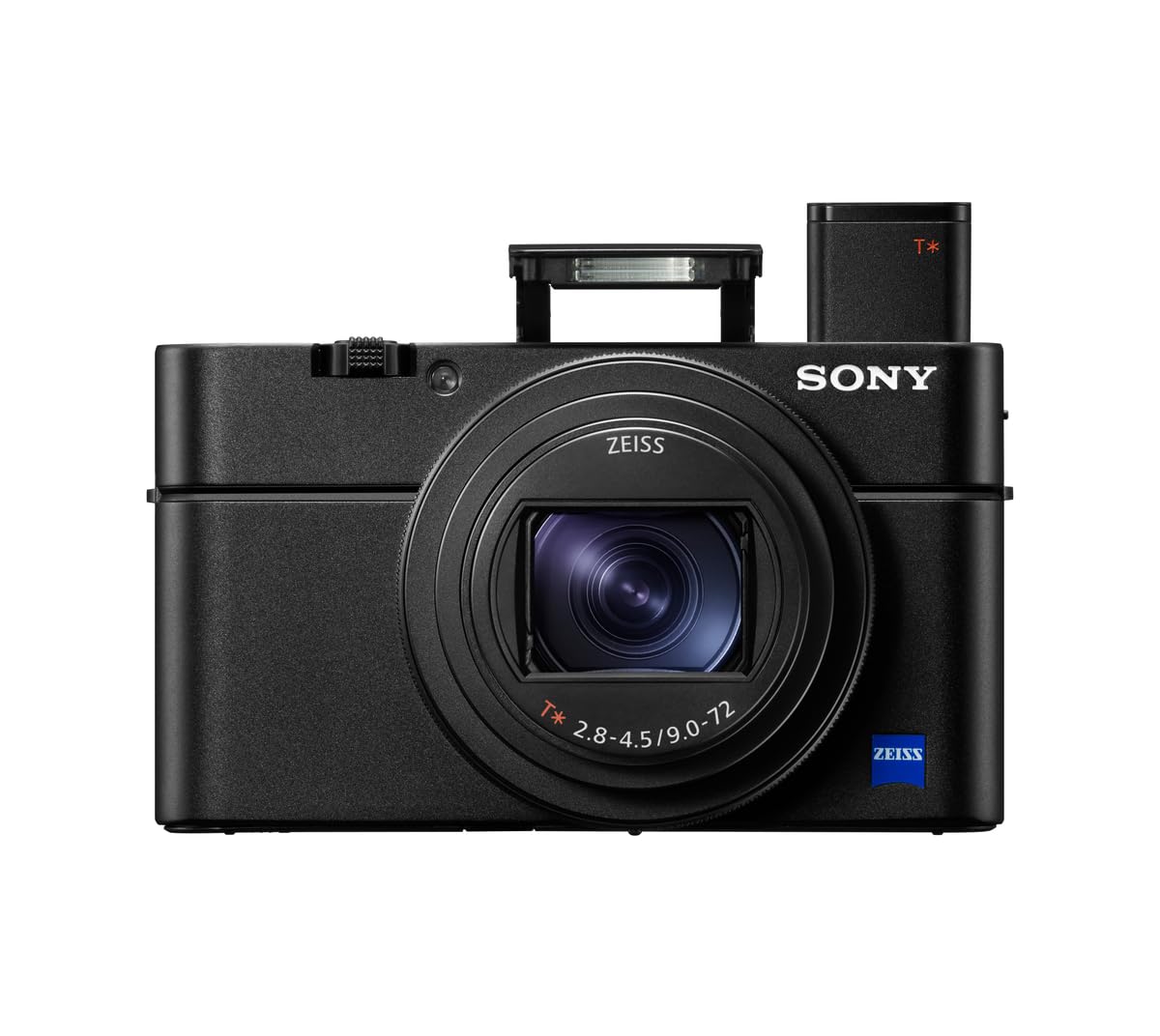


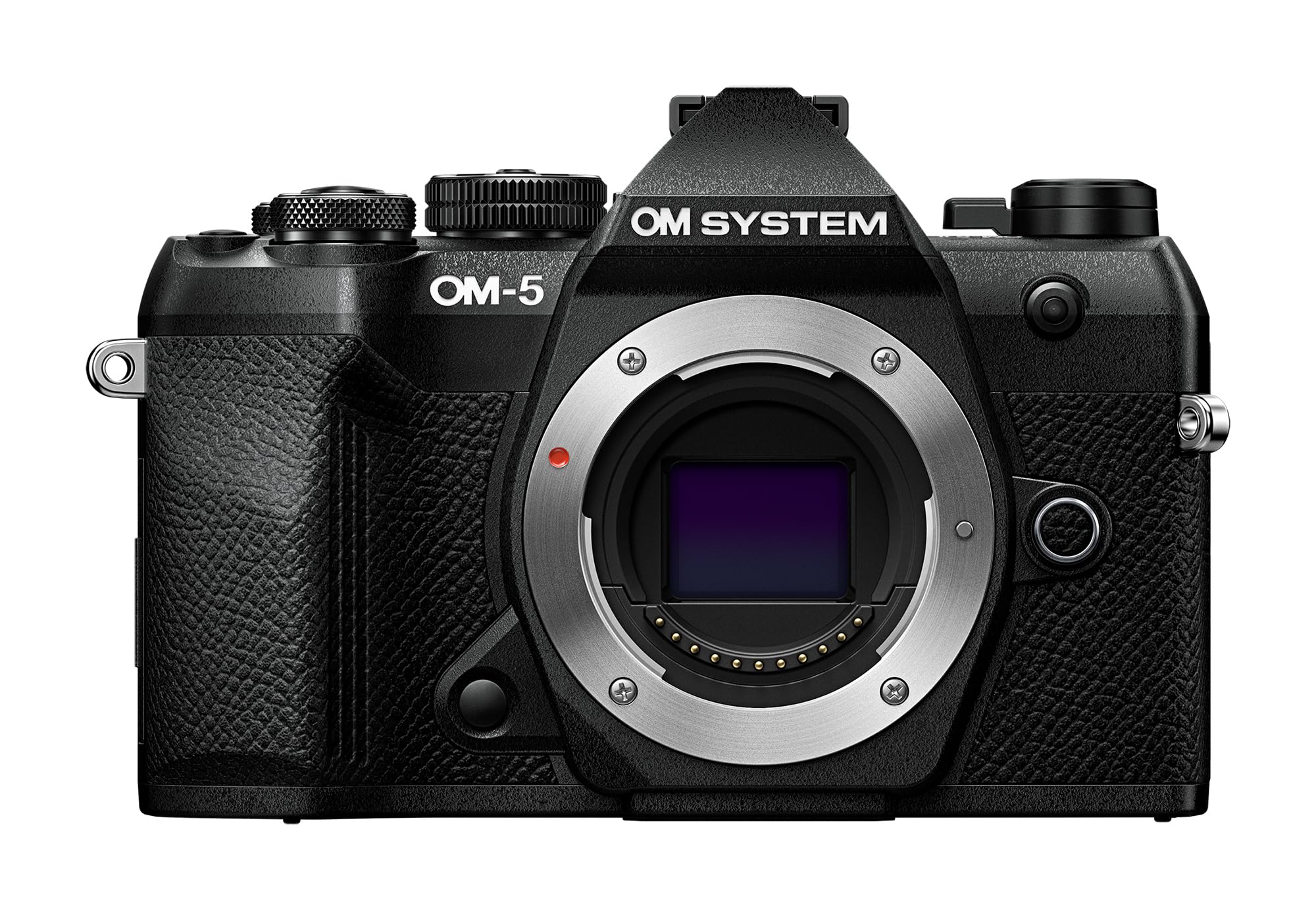


Who Should Buy an Auto Tracking Camera?
Solo Creators Who Film Themselves
If you record lessons, workouts or demos alone, tracking lets you step into the frame and move without returning to check focus after every take. Choose face and eye detection, a screen you can see from the front and simple app controls. If you want a model that handles most settings on its own, see our guide to the best auto cameras.
Parents and Pet Owners Who Want Sharp Everyday Moments
Children and pets rarely move in straight lines or repeat a cute moment. Tracking that recognizes people and animals separately helps here, because the camera can stay with a running toddler or a dog turning its head. Add a burst mode and a zoom that covers a room or a yard, and more candid frames stay in focus.
Sports and Wildlife Shooters Who Follow Distant Action
At a match or in the field, your subject is small, fast and far away, so tracking needs optical reach as well as smart detection. Look for animal and vehicle modes. A camera that holds its lock through brief obstructions, such as a fence post or another player, matters more than extra modes.
Key Features to Compare
When you shop for the best auto tracking cameras, judge the tracking system first and treat headline resolution as a supporting detail. The five factors below explain what to check and why each one changes your results.
Tracking Modes and Subject Detection
The tracking system decides what the camera follows. Basic motion tracking reacts to anything that moves, which can pull focus to a passing car or branch. Smarter systems recognize people, animals and vehicles, then keep a focus box on the chosen subject. Check that you can tap a subject on screen, limit tracking to a frame zone and adjust how firmly the lock holds.
How Sensor Size Shapes Tracking Accuracy and Low Light Results
Sensor size shapes image quality more than the megapixel count on the box. A 1 inch sensor gathers more light than the small sensors in compacts, so faces stay cleaner as light fades, while APS C and full frame sensors in mirrorless models go further still. Extra light also helps tracking, because faster shutter speeds freeze motion. Choose the smaller sensor for pocket size, and the larger one for indoor or dusk shooting.
Lens and Optical Zoom Range
Optical zoom uses real lens movement to bring a distant subject closer, so detail stays sharp when you track distant players. Digital zoom only crops the image, which softens detail and tracking accuracy. A range of about 24 to 200 mm in full frame terms covers groups, portraits and moderate action, while sports and wildlife users may want reach toward 400 mm or more. A brighter lens, shown by a lower f number, also keeps autofocus working in dim light.
Video Quality and Image Stabilization
For filming, look for 4K video at 30 frames per second, or 60 frames per second if you plan to slow down fast action. Image stabilization matters because small shakes grow more obvious as the camera pans to follow a subject, and a gimbal or strong in body stabilization keeps that movement smooth. If video is your main use, see our guide to the best auto focus cameras for video.
Battery Life and Weather Sealing
Tracking and continuous autofocus draw power, so check the rated shots or recording minutes per charge and whether the camera charges by USB C. A spare battery is cheap insurance. For outdoor use, weather sealing keeps out dust and light rain, but treat it as splash protection, not permission to soak the camera.
Types of Auto Tracking Cameras
Auto tracking appears in several camera formats, and the right format depends on where and how you shoot. For a wider look beyond tracking models, see our guide to the best digital cameras.
Point and Shoot Compacts That Track Faces and Pets
Compacts pair a fixed zoom lens with face and pet tracking in a body that fits a coat pocket. They suit travel and family days when you want quick results without lens changes. Their smaller sensors limit low light quality, but handling stays simple, which makes them an easy step up from a phone.
Action Cameras That Stay With Fast Movement
Action cameras use a very wide view and electronic stabilization to keep rough movement watchable, and many let you reframe clips around the subject later. They suit cycling, skiing and water sports where holding a normal camera is risky. Their tiny screens make precise tracking setup harder, so they fit short, energetic clips best.
Mirrorless Cameras With the Deepest Tracking Menus
Mirrorless models offer the strongest subject detection, interchangeable lenses and large sensors, so they serve serious sports and wildlife work best. You can set tracking sensitivity, choose eye priority and fit long telephoto lenses. Still photographers can also see our guide to the best cameras for photography.
Vlogging Cameras Built Around Face Tracking
Vlogging cameras focus on face and product tracking, front facing screens and clear built in microphones. Some sit on small gimbals that turn to follow you, which suits walking tours and desk demos. They are less suited to distant action because their lenses are short and wide. Choose one when you appear on camera often.
Set Up Auto Tracking for Reliable Results
A short setup routine makes tracking far more consistent. Before an important shoot, work through these steps and save the result as a custom mode if your camera allows it.
- Choose the subject mode that matches your scene, such as person, animal or vehicle, before you press record.
- Set the focus area to a center zone, so the camera ignores movement at the frame edges.
- Raise sensitivity when subjects change speed often, and lower it when people cross in front of your subject.
- Update the camera firmware and app, because makers often improve detection and add subject types through updates.
- Run a one minute test at home, so you spot focus hunting before it costs you a real moment.
Common Mistakes to Avoid
- Buying on megapixel count alone leaves you with a small sensor that tracks poorly once the light drops.
- Trusting digital zoom figures wastes detail, so distant subjects turn soft exactly when tracking needs clear edges.
- Leaving the subject mode set for people on a wildlife shoot makes the camera ignore your animal.
- Holding the camera loosely adds shake that the tracking system reads as subject movement, which spoils focus.
- Choosing the widest tracking area at a busy event lets strangers steal the lock, so your subject drifts out of focus.
Care and Maintenance for Auto Tracking Cameras
Clean the lens with a blower first, then a microfiber cloth made for optics, because grit dragged across glass can scratch the coating. Keep lens caps on in transit. Store the camera in a dry, padded case away from heat, and remove the battery before storage longer than a few weeks.
After shooting in rain, wipe the body dry and check the seals around the battery door for sand or grit before you open it. Let a damp camera air dry fully before charging. Check strap anchors and tripod sockets for looseness each month.
Frequently Asked Questions
How much should you spend on a first auto tracking camera?
Most first time buyers do well with a budget of about $300 to $700 for a compact or entry level mirrorless model. In that band you usually get subject detection for people and pets, 4K video and a useful zoom. Set aside money for a spare memory card too, because a full card ends a shoot fast.
Which sensor size works best for an auto tracking camera used indoors?
A larger sensor is the safer choice indoors, since dim rooms push small sensors toward noisy images and slower focus. An APS C model balances size, price and clean results. Place your subject where window light or a lamp falls on the face, because tracking systems lock on faster when eyes and facial contrast are easy to see.
Can a smartphone replace an auto tracking camera for family video?
A smartphone can replace one for short clips in good light. A dedicated camera pulls ahead during longer events, because it offers optical zoom, stronger battery options and controls that do not compete with calls and messages. Heat limits on phones can also stop long recordings, so a camera is the safer pick for long events.
What tracking settings matter most for beginners buying an auto tracking camera?
Start with three settings: the subject mode, the focus area and touch tracking, which lets you tap the exact person or pet to follow. Leave sensitivity at its middle value at first, because extreme settings cause more errors than they solve while you learn. Watch the focus box during practice clips, since its movement shows when the camera loses and finds the subject again.
Do auto tracking cameras work well for birds in flight?
They can, but birds in flight are the hardest common tracking test. Choose a model with a dedicated bird or animal mode, a fast burst rate and a lens that reaches toward 400 mm. Pre focus on the area where birds cross, such as a gap above a shoreline, because giving the system a head start matters more than any menu setting.
Final Thoughts
Strong tracking, a sensor that suits your light and a lens with optical reach will decide most of your results. Match the format to your subjects, set the camera up once with care, and the best auto tracking cameras will keep the moments that matter in focus. Compare your shortlist against the product table above.


