
Best Auto Focus Cameras for Video in 2026: Budget to Premium Guide
Disclosure: We may earn a commission when you buy through links on this page, at no extra cost to you. As an Amazon Associate I earn from qualifying purchases. Learn more

Learn how to choose the best auto focus cameras for video by tracking, sensor size, lens motor and price tier, with a clear checklist for every budget level.
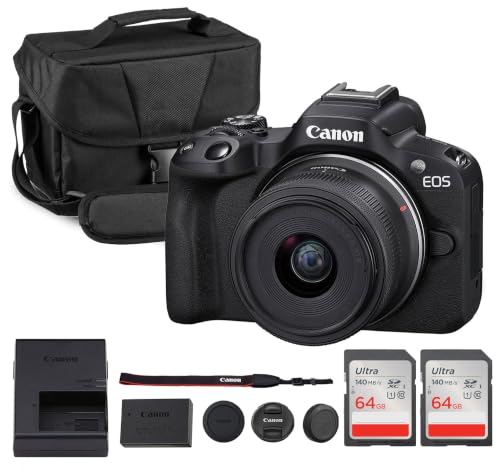
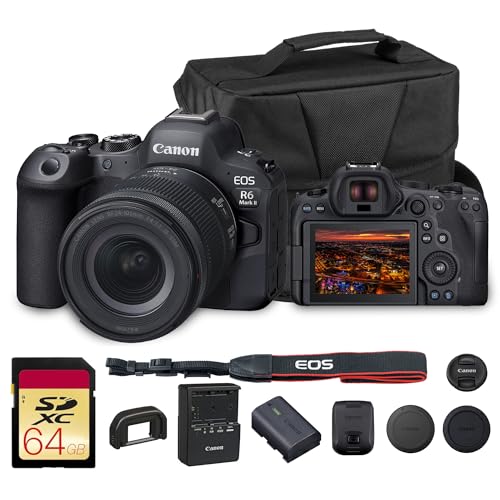
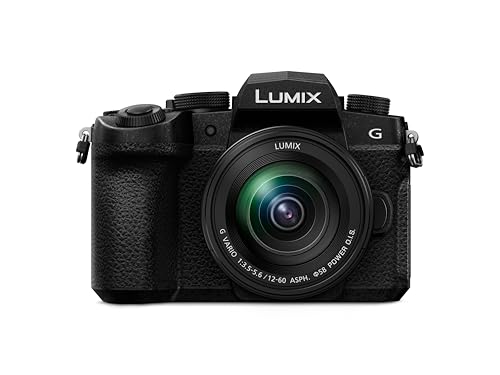
Prices run from a few hundred dollars to several thousand, and spec sheets all promise sharp focus. What separates cameras is how focus behaves once you press record and your subject moves. The best auto focus cameras for video hold a face, shift focus smoothly, and stay quiet while they work. Use the comparison table below to judge those points.
This guide is built around video, not still photos. A camera that locks focus once for a portrait can still hunt, pulse, or lose a walking subject during a take. Below, you will match tracking, sensor size, and lens choice to the video you shoot.




Who Should Buy a Camera With Strong Video Auto Focus?
Solo Creators Who Film Themselves
You stand in front of the camera with nobody behind it to correct focus, so face and eye detection must hold you as you move and hold products near the lens. Choose a fully articulating touch screen so you can tap to focus from in front. Reliable tracking matters more than shallow depth of field.
Parents and Event Videographers Filming Moving Subjects
You film children, sports, weddings, and pets, and subjects rarely move at a steady speed or in a straight line. You need tracking that stays on one chosen person as others cross the frame, in light that drops indoors. If this is your main use, see our guide to the best cameras for video for recording features to compare alongside focus.
Creators Shooting Client Work and Short Films
You need focus you can direct, not just trust. Look for control over transition speed, easy switching to manual focus, and focus peaking for checks. You also value lens choice and clean 4K video at higher frame rates, since clients expect files that hold up in slow motion edits.
Key Features to Compare
When you compare the best auto focus cameras for video, judge focus as a system of camera, sensor, and lens together.
Continuous Focus and Subject Tracking
Continuous focus adjusts distance constantly while you record, instead of locking once before the take. Good systems spread detection points across most of the frame, recognise faces, eyes, animals, and vehicles, and stay on your chosen subject when it leaves and returns. Poor tracking drifts during a simple walk toward the camera. If subjects move unpredictably, wide coverage should rank above small gains in resolution.
Focus Speed, Silence, and Smooth Transitions
Video focus should arrive without a visible jolt and without sound your microphone can hear. Many video friendly lenses use a stepping motor that moves focus elements quietly in small even steps. Look for menu control over transition speed and subject shift sensitivity, so a rack focus looks planned while tracking stays calm. A lens that focuses fast for photos can still sound harsh for dialogue.
Sensor Size and Low Light Focusing
Sensor size shapes image quality and how well focus works after dark. Full frame sensors gather the most light and focus confidently in dim rooms, but they give shallower depth of field, so tracking must be precise. APS C sensors balance low light ability, size, and cost for most creators. Smaller 1 inch sensors in compacts give deeper depth of field, which forgives small errors, although focus slows as light falls.
Lenses, Optical Zoom, and Focus Breathing
The lens you fit can limit the camera body you paid for. Native mount lenses built for video usually focus faster and more quietly than older stills lenses used through an adapter. On compacts, optical zoom changes framing without losing detail, unlike digital zoom. Also check focus breathing, the slight change in framing as focus shifts. Lenses designed for video keep it small.
Image Stabilization for Handheld Video
Image stabilization steadies handheld shots through the lens, the sensor, or both together. Steadier footage also helps focus, because the detection area is not chasing a subject that bounces around the frame. Sensor shift systems help with almost any lens, while lens based systems suit long focal lengths better. Expect stabilization to smooth small shakes, not replace a gimbal.
Video Recording Specs and Heat Limits
Recording load affects focus over a long take. Shooting 4K video at 60 frames per second asks more of the processor than 1080p, and some cameras reduce tracking or stop recording as heat builds. Check record limits at the setting you plan to use, not the headline setting. For interviews or ceremonies past 30 minutes, heat behaviour matters greatly.
Camera Types Compared for Video Focus
Mirrorless Cameras With Interchangeable Lenses
These give the strongest video focus in most price ranges, plus the widest lens choice. They suit creators who will grow a kit over time. Their weakness is total cost and size once lenses are added.
Point and Shoot Compacts for Simple Video
Point and shoot compacts pair a fixed zoom lens with a small body you can carry daily, and deeper depth of field makes focus forgiving. If you film yourself, see our guide to the best cameras for video blogging for creator specific features. Compacts give up lens choice.
Action Cameras and Their Fixed Focus Approach
Action cameras mostly use a fixed focus wide lens rather than tracking focus, and everything from arm length to the horizon stays sharp. That suits mounted shots where you cannot touch the camera. For that style, see our guide to the best action video cameras. Choose tracking instead for one face held sharp.
Video Camera Budgets From Simple Scenes to Pro Focus Control
Entry Tier: Simple Scenes Handled Well
At about $400 to $800, expect a small sensor or entry APS C body, face detection that works in good light, and basic 4K video. These cameras handle a seated presenter or a slow walk well. They lose subjects in crowds or dim rooms, and kit lens motors can be audible in quiet scenes.
Growth Tier: Tracking You Can Rely On
At about $800 to $2000, you gain faster detection, eye tracking that holds during movement, better low light focus, and in body stabilization on many models. This tier covers most paid work. Long term costs rise here, because extra lenses, batteries, and cards can add about $200 to $600.
Pro Tier: Control, Choice, and Full Frame Focus
At about $2000 to $4000, you get full frame sensors, the deepest lens ranges, detailed transition controls, and stronger heat handling. Spending more pays off when a missed moment cannot be repeated. It pays off least for a fixed camera filming one seated person in good light, where the growth tier already holds focus.
Common Mistakes to Avoid
- Judging video focus by still photo speed leaves you with a camera that pulses during recording.
- Pairing a fast body with a slow kit lens leaves footage limited by the noisier half.
- Filming at the widest aperture makes depth of field so shallow that tracking errors ruin takes.
- Leaving tracking sensitivity highest makes focus jump to every passerby crossing your subject.
- Ignoring heat limits leaves you with a camera that stops during a long interview.
- Skipping firmware updates leaves known focus improvements uninstalled on your camera.
Care and Maintenance for Auto Focus Video Cameras
Keep the front element clean with a blower and a microfiber cloth, because smears lower the contrast that focus detection reads. Clean lens mount contacts with a dry cloth when you swap lenses, since dirty contacts slow communication between lens and body. Store the camera dry, and let a cold camera warm slowly indoors.
Check for firmware updates every few months, because makers improve video focus after launch. Store batteries partly charged if the camera sits unused for weeks, and format spare cards in camera. If focus accuracy drops with every lens, have a qualified repair service inspect the camera.
Auto Focus Cameras: Your Questions Answered
What features matter most in auto focus cameras for video when the subject keeps moving?
Sticky subject tracking and wide detection coverage matter most when the subject keeps moving. Set the camera to track one chosen person rather than the nearest face, which stops it switching in group scenes. A useful extra check is lock on time, since a short home test shows whether the camera reacquires your subject after it passes behind another person.
Why does a video camera hunt for focus in low light?
A video camera hunts in low light because detection gets too little contrast to judge distance in one pass. Opening the aperture, adding a small continuous light, or aiming at an edge with contrast, such as a collar against a wall, gives it more to read. Compare the rated focus sensitivity if evening events are your main work.
What specs matter most for beginners buying a first video camera?
Reliable face detection, a touch screen you can tap to focus, and a quietly focusing lens matter most for beginners. A simple auto mode that still lets you lock focus with one tap helps while you learn, because full manual menus can hide that setting. Start with the kit lens, since early problems usually come from settings, not gear.
Which sensor size is better for low light video focus?
A full frame sensor is better for low light video focus because it gathers more light and keeps detection reliable in dim rooms. The trade off is shallower depth of field, so beginners filming moving children indoors sometimes get more usable footage from APS C. A brighter lens improves low light focus more than a small step up in body price.
Is a smartphone enough instead of a dedicated auto focus camera for video?
A smartphone is enough for short clips in good light, and its touch focus is simple and quick. A dedicated camera pulls ahead on long recordings, where phones can overheat, fill storage, or interrupt filming for calls. A camera also lets you change lenses, while a phone crops in digitally and loses detail from the back of a hall.
Final Thoughts
Choose by movement first. If your subject sits still, almost any current camera holds focus, and money works harder on light and sound. If your subject moves, pay for tracking coverage, a quiet lens, and a sensor that focuses in dim rooms, then use the product table above to check those points.
Picked that way, the best auto focus cameras for video for your work become easy to spot on the shots you repeat weekly.


