Best Auto Mowers for 2026: Which One Fits the Way You Use It?
Disclosure: We may earn a commission when you buy through links on this page, at no extra cost to you. As an Amazon Associate I earn from qualifying purchases. Learn more

Compare the best auto mowers by navigation, coverage, slopes, and obstacle avoidance to find a robotic mower that fits your yard.
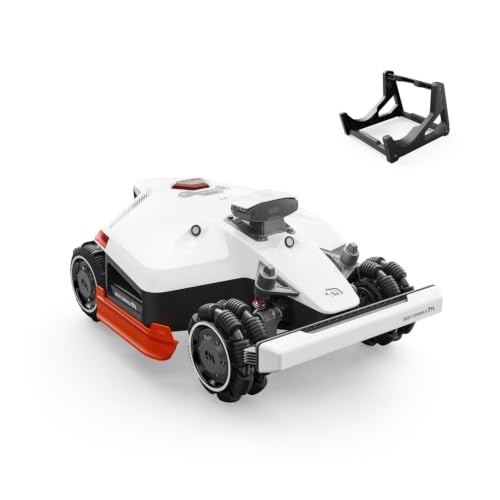
Picking the best auto mowers starts with your lawn, not a feature list. Auto mowers, also called robotic lawn mowers, cut the grass on their own, return to a charging base, and run from a phone app. Yard size, slopes, trees, and gates decide which one fits. The product table shows the picks for different yards, and the details below explain how to choose.
This guide matches auto mowers to real yards, then explains navigation, cutting width, runtime, slope handling, and obstacle detection in plain terms. Use it to avoid paying for coverage you do not need, or buying a mower too small for your lawn.
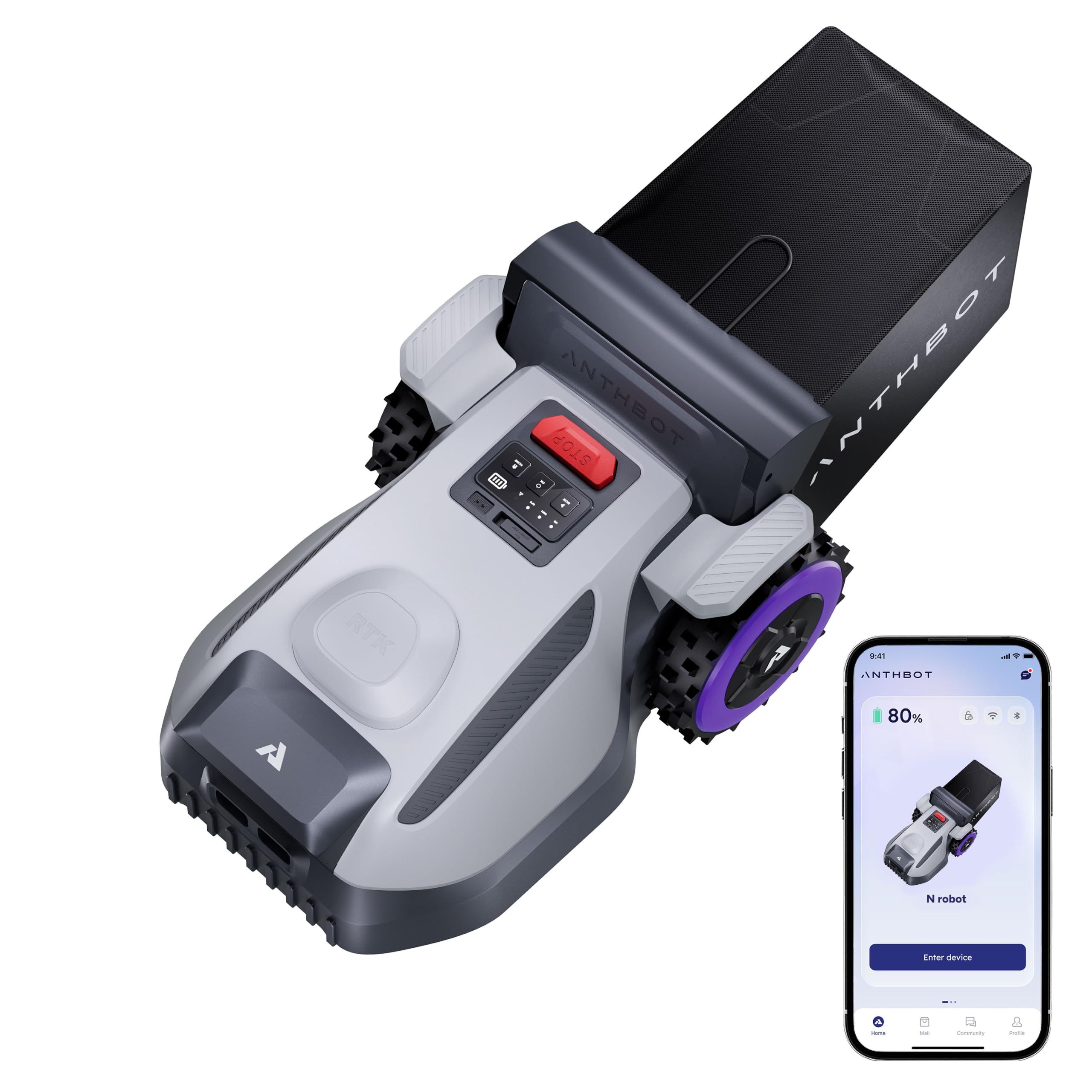
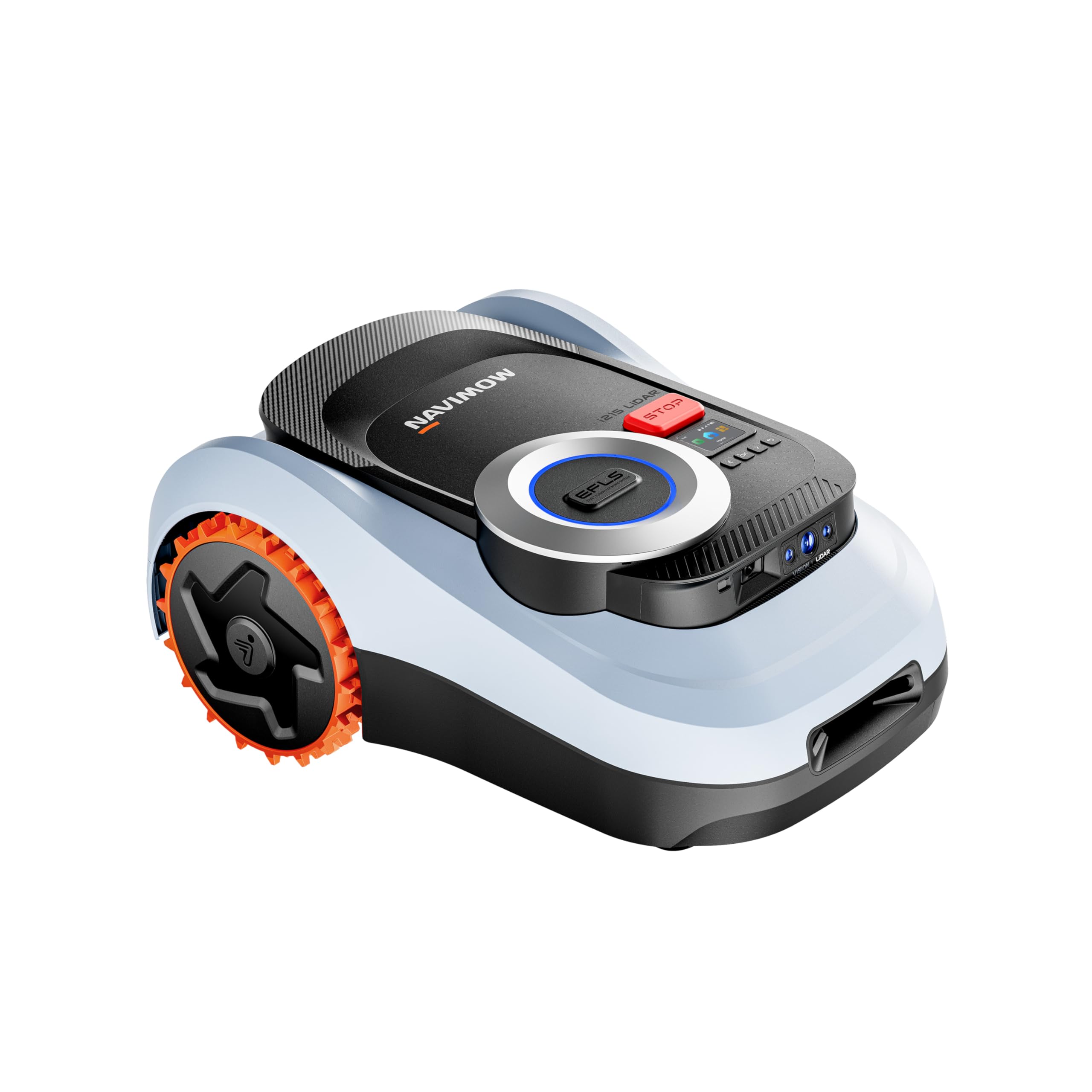

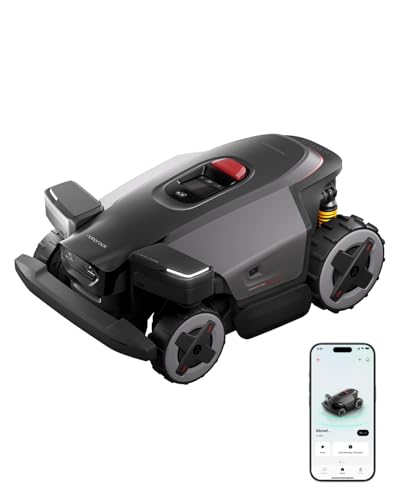

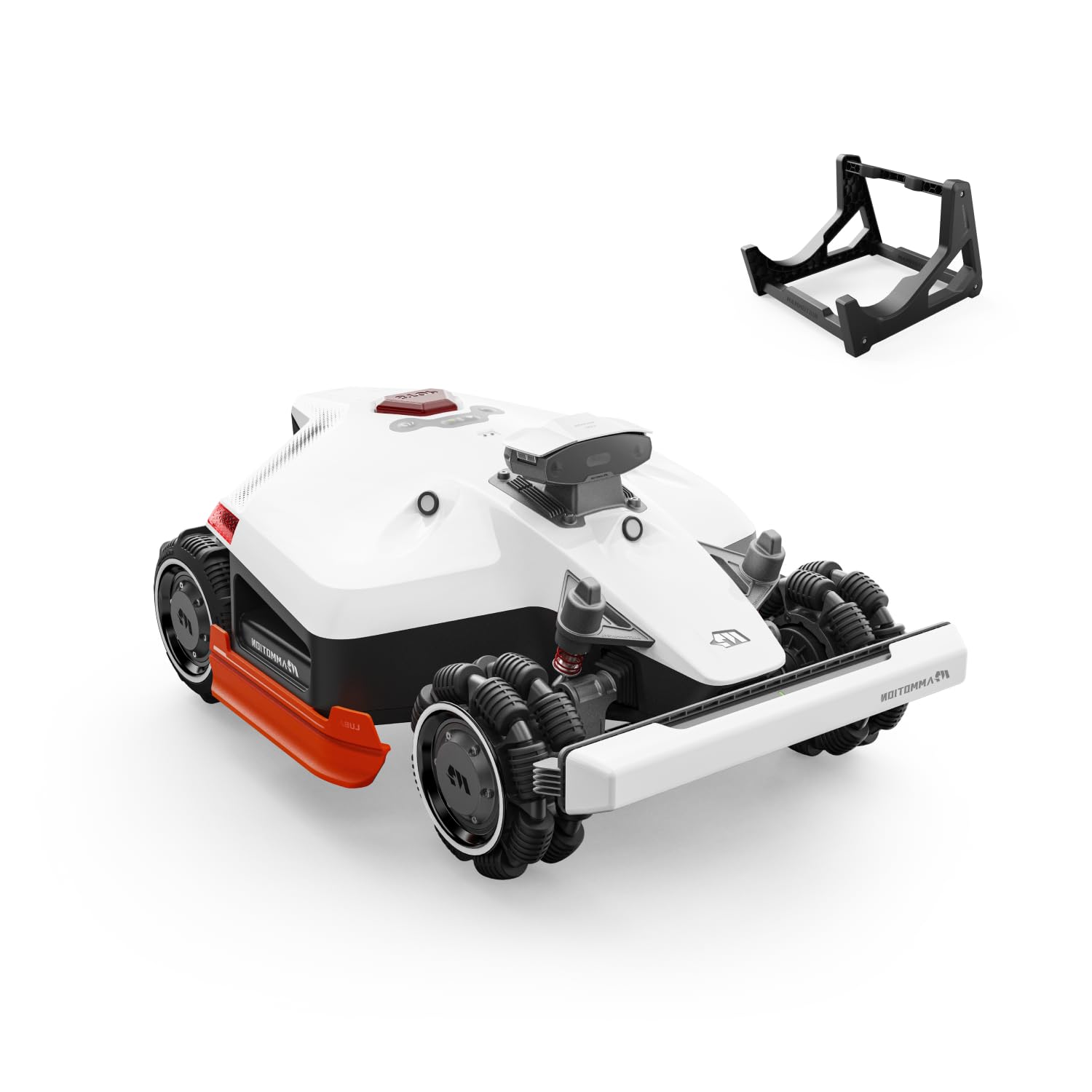
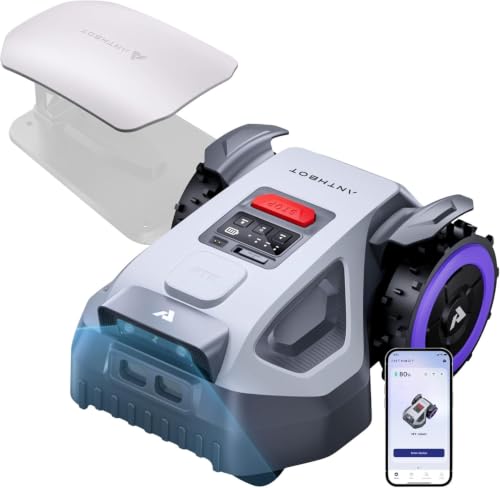
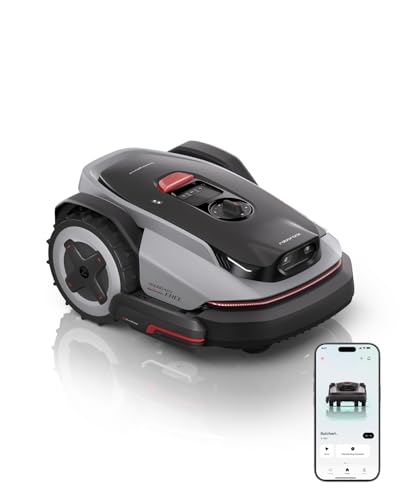
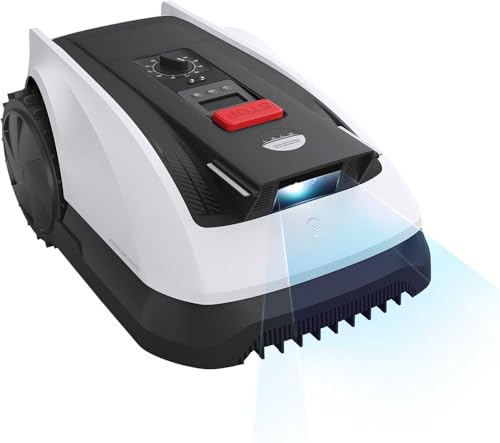
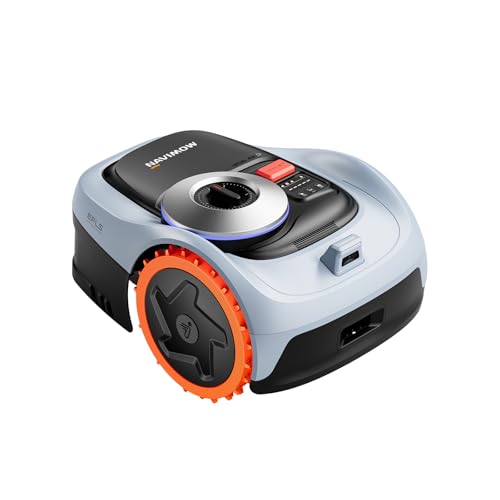
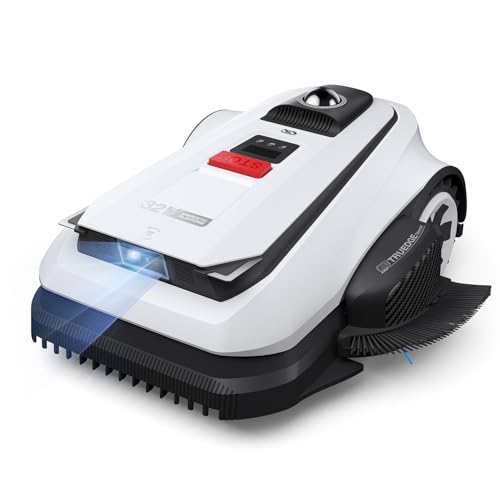
Who Should Buy Which Auto Mowers?
Start with the group closest to your situation, then check the features that matter most for it.
For Small, Simple Yards
Small flat yards of about a quarter acre or less suit a compact wire-free model with app setup. Look for easy auto mapping, adjustable cutting height, and a base station you can place near an outdoor outlet. You do not need the largest coverage rating or the strongest motor, so avoid paying for power you will rarely use.
For Medium Yards With Trees and Beds
Medium yards with trees, flower beds, toys, and furniture benefit from vision-based obstacle avoidance and precise positioning. Look for a mower that lets you draw no-go zones in the app, handles narrow passages between beds, and trims close to edges. Several models add an edge trimmer so you do less manual work afterward.
For Slopes and Large Properties
Hills and large lawns call for all-wheel drive, higher slope ratings, and a wide cutting disc. Check the maximum slope in the product details and compare it to the steepest part of your yard. Larger properties need a rated coverage that clearly exceeds your lawn size, so the mower finishes in a reasonable number of cycles. Keep children and pets away from the yard while the blades are moving, and follow the manufacturer's safety instructions.
| Navigation Type | Best For | Pros | Cons |
|---|---|---|---|
| Perimeter wire | Simple, budget yards | Lower cost, proven approach | You must bury or stake a boundary wire |
| RTK satellite plus vision | Open yards, large lawns | Precise paths, wire-free setup | Needs a clear sky view or reference station |
| LiDAR plus vision | Yards with trees and cover | Works without satellite signal | Usually higher priced |
| All-wheel drive models | Slopes and rough ground | Strong traction on hills | Heavier and costlier |
Key Features to Compare in the Best Auto Mowers
Compare these features against your yard size, terrain, and storage, rather than judging a mower by one headline number.
Navigation and Setup
Wire-free mowers map your lawn with RTK positioning, cameras, or LiDAR, so you skip digging a boundary wire. RTK systems work best with open sky, while LiDAR and vision systems cope better under trees and near walls. Check whether a separate reference antenna is needed and where you would place it.
Coverage, Cutting Width, and Runtime
Rated coverage tells you the lawn size a mower is designed for, usually given in acres or square feet. A wider cutting disc finishes faster but can struggle in tight corners. Pick a rating comfortably above your lawn size, since a mower working at its limit takes more cycles and wears faster.
Slope Handling and Traction
Slope ratings are usually shown as a percentage. Two-wheel-drive models suit gentle ground, while all-wheel drive handles steeper or uneven lawns better. Wet grass reduces grip, so give slopes extra margin.
Obstacle Avoidance and Edge Cutting
Camera-based avoidance recognizes items such as toys, furniture, and pets, and steers around them. Edge trimming features reduce the strip left along fences and walkways. A mower with both saves a lot of follow-up work with a trimmer.
Cutting Height and App Controls
A good height range lets you adapt to seasons and grass types, and app control lets you set schedules, zones, and rain delays. Cutting too short weakens grass, so choose a mower that makes height changes easy.
For related mowing options, see our guides to the best robotic lawn mower, the best cordless lawn mowers, and the best riding mowers for very large properties.
Common Mistakes to Avoid When Buying Auto Mowers
Avoid these common mistakes:
- Choosing by price alone, without checking coverage, slope rating, and warranty for your yard.
- Buying a mower rated close to your lawn size, then needing many cycles to finish.
- Ignoring tree cover, which can weaken satellite-based navigation.
- Skipping the base station placement check: it needs a level spot near power and a clear approach.
- Forgetting to check the app features, such as no-go zones, schedules, and theft protection.
Tips to Get the Most From Your Auto Mower
Simple habits keep an auto mower cutting well for years. Clear branches, hoses, and large debris before a first run, and walk the lawn to check dips or holes that could trap the wheels. Clean the underside and replace blades on the schedule the maker suggests, since dull blades tear grass.
Follow the manufacturer's instructions for winter storage, including battery care and keeping the base station dry. Set mowing schedules for times when the yard is empty of people and pets.
Frequently Asked Questions
Are auto mowers worth it?
Auto mowers are worth it when you want a regularly trimmed lawn without spending weekends mowing. They cost more than a push mower up front, but they mow often and in small amounts, which keeps grass healthy. They suit small to large yards when the model matches your lawn size and terrain.
Do auto mowers need a boundary wire?
Not always. Many newer models are wire-free and use RTK, vision, or LiDAR to map the lawn through the app. Wire-based models still exist and can be reliable, but they need installation time. Check the setup requirements in the product details before buying.
What size auto mower do I need for my yard?
Choose a mower rated for more than your lawn size. A quarter acre yard fits compact models, while half an acre or more calls for stronger, wider-cutting models. Also consider slopes, narrow passages, and how many separate lawn areas the mower must reach.
Can an auto mower handle slopes?
Many can, but the limit varies. Check the maximum slope percentage and compare it to your steepest area. All-wheel-drive models handle hills and uneven ground better than two-wheel-drive models, especially when the grass is damp.
How long does an auto mower last?
An auto mower can last many years with regular care. Keep the blades sharp, clean the deck and wheels, and follow the maker's guidance for battery care and winter storage. Mowers used beyond their rated coverage tend to wear out faster.
Final Thoughts
Match the mower to your yard first, then to your budget. A small flat lawn needs a simple wire-free model, a yard with trees benefits from vision or LiDAR navigation, and hills or large lawns call for all-wheel drive and generous coverage. Check the product table above, compare navigation, slope rating, and coverage, and choose a mower you can set up and maintain easily. With the best auto mowers chosen this way, you get a lawn that stays neat with very little effort.