
Best Battery Pack Jump Starter: The Buyer Checklist for 2026
Disclosure: We may earn a commission when you buy through links on this page, at no extra cost to you. As an Amazon Associate I earn from qualifying purchases. Learn more

Pick the best battery pack jump starter for your vehicle with this guide to power ratings, safety features, clamps, charging, and storage.
A dead battery can turn a normal morning into a long wait for help. This guide to the best battery pack jump starter options explains power ratings, safety features, and clamp design, so you can pick a pack that suits your vehicle and your confidence level. Use the product table to compare the main picks side by side.
A battery pack jump starter is a portable battery with clamps that connect to your vehicle battery terminals. It delivers a short burst of power to crank the engine, and many packs also charge phones and power small devices through USB ports. The right pack depends on your engine size, your climate, and how often you expect to use it. A pack that is too small for a large engine will not help when you need it most.


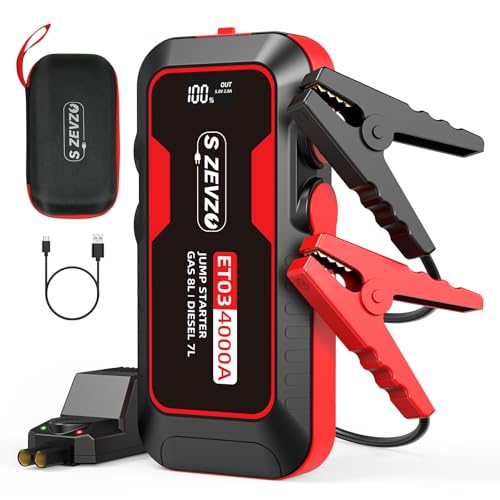
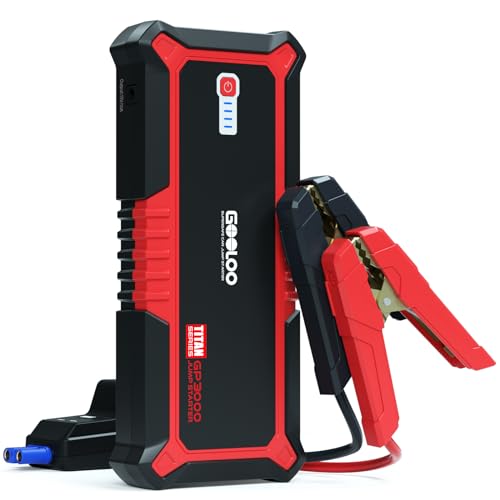

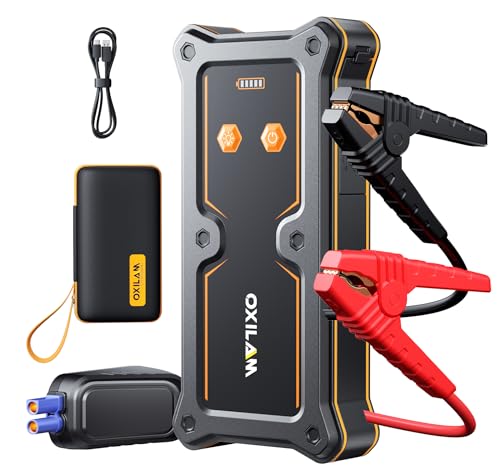
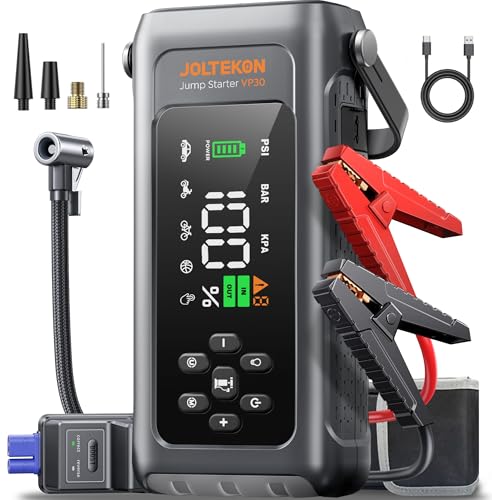
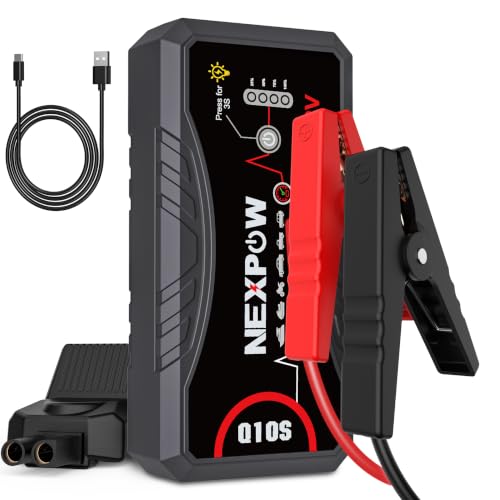
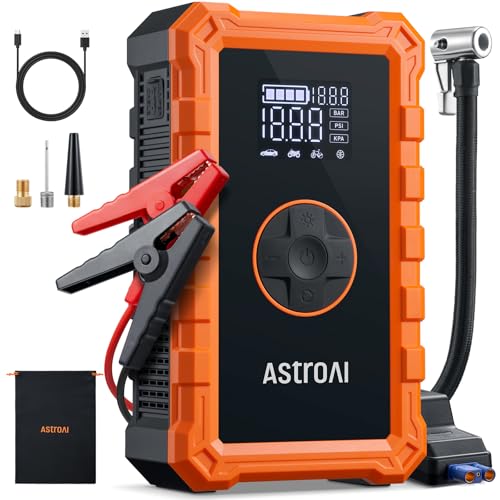
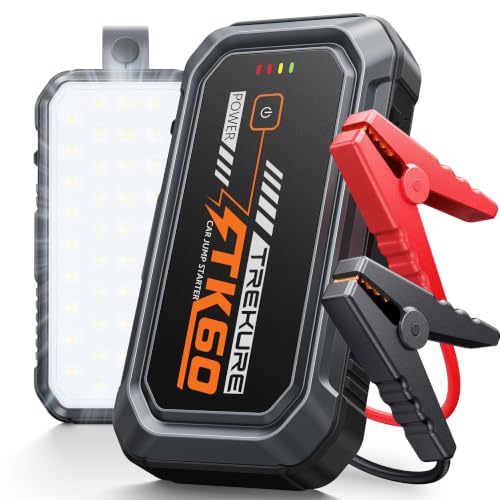
Key Criteria for the Best Battery Pack Jump Starter
Use these six criteria as a checklist before you buy, and treat safety features as non negotiable rather than optional extras.
Beginner Friendly Design
A beginner friendly pack makes each step obvious, from connecting the clamps to reading the charge level. Clear labels, color coded clamps, and a simple power button reduce the chance of a mistake under stress. A built in flashlight helps at night, and a clear display shows whether the pack is charged and ready. If the instructions are confusing in the store, they will be worse at the roadside, so favor a pack whose steps you can follow without a manual.
Vehicle Compatibility
Compatibility starts with engine size and fuel type, since larger engines need more cranking power. Most makers state a maximum engine size for gas and diesel engines, so check those limits against your own vehicle before you buy. Cold weather also matters, because batteries lose strength in the cold and engines turn over more slowly. If you own more than one vehicle, choose a pack rated for the largest engine in your household rather than the smallest.
Power Specs That Matter
Peak amps describe the maximum burst a pack can deliver, while cranking amps describe a steadier output over a short start attempt. Both numbers matter, but neither tells the whole story on its own, so compare packs with similar ratings rather than chasing one large number. Battery capacity, often stated in milliamp hours or watt hours, decides how many jump attempts you get and how well the pack doubles as a phone charger. For a broader look at highly rated options, see our guide to the best rated battery jump starter and compare its capacity notes with the ratings here.
Safety Features
Reverse polarity protection stops the pack from delivering power if the clamps are connected the wrong way round, which is the most common beginner mistake. Spark proof clamps reduce the risk of a spark near the battery, and short circuit protection shuts the pack down if something goes wrong. Overcharge and overheat protection matter during charging and storage, especially in a hot vehicle.
Keep the pack away from children, and store it where it will not be crushed or punctured. If you are unsure about any safety feature, ask a qualified technician before you rely on the pack, and follow the manufacturer's instructions.
Ease of Use
Clamp size and cable length decide whether the pack is easy to connect in a cramped engine bay. Longer cables give you room to set the pack on a stable surface, while short cables force you to hold it near the battery. A pack that is light enough to carry with one hand is easier to use in bad weather. Also check how the pack itself recharges, since a pack that needs a special charger is harder to keep ready than one that charges over a standard USB connection.
For a compact alternative style, see our guide to the best battery jump pack and compare its size and weight with the packs discussed here.
Extra Features Worth Having
Many packs include USB ports for phones, a flashlight with steady and flashing modes, and sometimes an air compressor or a 12 volt output. These extras are useful, but they should never outrank power and safety. A flashlight earns its place on a night time start, while an air compressor adds weight and bulk that some drivers will never use. Decide which extras you will actually use, and do not pay for a long feature list that only adds size to the case.
Spending Levels That Make Sense
Price roughly tracks power, capacity, and build quality, but the cheapest pack that fits your engine is often better than an expensive pack that does not.
Lower Priced Packs
Lower priced packs, often about $40 to $80, usually suit small gas engines and occasional use. They tend to be compact and light, which makes them easy to store in a trunk. Their limits show up with larger engines, cold weather, and repeated jump attempts, so check the stated engine limits carefully. If this is your first pack and your car has a small engine, this level is a sensible place to start.
Mid Priced Packs
Mid priced packs, often about $80 to $150, usually offer higher peak amps, larger capacity, and stronger safety features. This is where most drivers find the best balance of power and portability. A pack in this band should handle a mid size gas engine and several jump attempts on one charge. For a general purpose option in this band, see our guide to the best jump starter pack and compare its power ratings with the engine limits for your own vehicle.
Higher Priced Packs
Higher priced packs, often above $150, usually suit large engines, diesel engines, and drivers who want many jump attempts plus extra features. They tend to be heavier and bulkier, so check that the size still fits your storage space. For car focused buyers, our guide to the best rated car battery jump starter covers options aimed squarely at everyday vehicles. Pay the higher price only when your engine size or your usage truly needs it.
Quick Buyer Checklist
- Does the pack cover the largest engine in your household, for both gas and diesel if relevant?
- Does it include reverse polarity protection and spark proof clamps?
- Are the cables long enough to reach your battery terminals with the pack on a stable surface?
- Can you read the charge level at a glance, and does the pack recharge over a connection you already own?
- Is the pack light enough to carry and small enough to store in your vehicle?
- Does the warranty cover at least a year, and is support easy to reach?
- Have you checked your vehicle owner manual for any jump starting guidance specific to your model?
Red Flags to Watch For
- Vague power ratings with no stated engine limits, which makes it impossible to judge fit.
- No reverse polarity protection, which leaves a common beginner mistake unguarded.
- Missing safety certifications or a warranty so short that it suggests little maker confidence.
- A claim that one pack fits every vehicle, since engine sizes and battery types vary too much for that promise.
- An unusually low price paired with very high peak amp claims that do not match the pack size or weight.
Setup and Care Tips
- Check your vehicle owner manual for specs and any jump starting guidance before your first use.
- Recharge jump starters every three months, even if you have not used them, so the pack is ready when needed.
- Store the pack in a cool, dry place away from children, and keep it out of direct heat inside a parked vehicle.
- Power the pack off and unplug it after charging, and inspect the cables and clamps for damage before each use.
- Practice the clamp steps once at home in daylight, so a real roadside start feels familiar rather than rushed.
- If the pack swells, smells unusual, or fails to hold a charge, stop using it and ask a qualified technician for advice.
For drivers comparing vehicle focused packs, our guide to the best auto battery jump starter covers related options for everyday cars and trucks.
Frequently Asked Questions
What makes a jump starter beginner friendly?
A beginner friendly jump starter makes each step clear and guards against common mistakes. Color coded clamps, clear labels, and a simple power button matter more than a long feature list. Reverse polarity protection is the key safety feature, since it stops power delivery if the clamps are reversed. A clear charge display also helps, because a pack with an unknown charge level is no help at all, and practicing once at home makes a real start feel calm and familiar.
What power specs matter most?
Peak amps and cranking amps matter most, along with the stated maximum engine size for gas and diesel engines. Peak amps show the strongest burst the pack can give, while cranking amps show a steadier output during a start attempt. Capacity matters too, since it decides how many attempts you get and how well the pack charges a phone. Compare packs with similar ratings, and favor one whose engine limits clearly cover your vehicle over one with a single large number and no limits stated.
Will a jump pack fit my vehicle?
A jump pack fits your vehicle when its stated engine limits cover your engine size and fuel type, and when its clamps reach your battery terminals. Check the maker guidance for gas and diesel limits, and remember that cold weather makes engines harder to start. Cable length matters in a cramped engine bay, so measure the distance from a stable resting spot to your terminals. If you own several vehicles, choose a pack rated for the largest engine among them.
Do I need professional help to use a jump starter?
Most drivers can use a modern jump starter without professional help, provided they follow the pack instructions and their vehicle owner manual. The steps are usually simple: connect red to positive, black to a ground point, power on, and start the engine. If your manual warns against jump starting, or if the battery is damaged, swollen, or leaking, do not attempt a jump and ask a qualified technician instead. When in doubt, roadside assistance is safer than guessing.
How long does a jump starter pack last?
A jump starter pack usually lasts several years when it is recharged regularly and stored in a cool, dry place. Recharging every three months keeps the internal battery healthy, even when the pack sits unused. Heat, deep discharge, and physical damage shorten its life sooner. Replace the pack when it no longer holds a charge, when it swells, or when its cables or clamps show damage, since a pack that cannot hold a charge is not worth keeping for an emergency.
Final Thoughts
Engine fit, safety features, and a pack you can actually use under stress matter more than any single large power number. Check the stated engine limits, confirm reverse polarity protection, and make sure the cables reach your terminals. Recharge the pack every few months and store it where you can reach it quickly. With that checklist in mind, the best battery pack jump starter for your vehicle is the one that is charged, compatible, and familiar, and the product table is a good place to start comparing your options.


