
Best Auto Speakers in 2026: What Each Price Tier Buys
Disclosure: We may earn a commission when you buy through links on this page, at no extra cost to you. As an Amazon Associate I earn from qualifying purchases. Learn more

Match speaker size, coaxial or component layout and sensitivity to your car, and find the best auto speakers for your budget.
Choosing the best auto speakers is mostly a fit question first and a sound question second. A speaker that does not match your door opening, mounting depth, or factory wiring will cause trouble no matter how good it sounds on paper. The comparison table below gives a quick side by side view of the main speaker types, so you can shortlist options that actually fit your car.
Car cabins are noisy, small, and full of hard surfaces, so clarity matters more than sheer loudness. A well matched speaker keeps vocals clear at highway speed, keeps bass controlled rather than boomy, and avoids harsh treble that tires your ears on a long trip. This guide explains speaker sizes, coaxial versus component designs, power matching, and installation choices. It also explains what each price tier usually buys, so you can spend where it changes the sound and save where it does not.




How to Choose the Best Auto Speakers: Start With Fit
Check your car speaker size before you shop, using the vehicle manual, a fit guide, or a careful measurement of the existing opening. Common car sizes differ by make and model, and a speaker that is close but not exact may need an adapter bracket or a spacer ring. Also measure mounting depth, because a deep magnet can hit a window mechanism or door panel.
Look at the factory wiring and connectors as well. Some cars use simple plug connectors, while others need an adapter harness to avoid cutting wires. Keeping the factory harness intact makes future changes easier and protects resale value, so factor a harness and bracket into your budget from the start.
Coaxial or Component: Which Layout Suits You
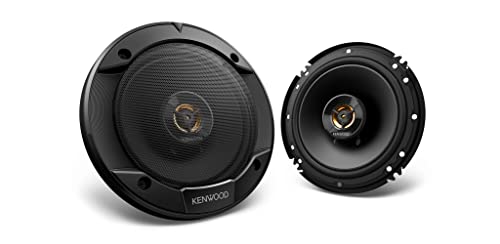
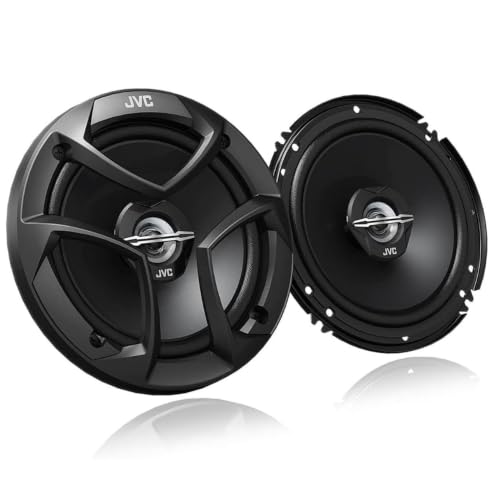
Coaxial speakers place the tweeter in the centre of the woofer, which makes installation simpler and keeps costs down. They suit most daily drivers, especially when you keep the factory radio, because they improve clarity without extra wiring or separate mounting points.
Component speakers separate the woofer and tweeter and add a crossover, which lets you place the tweeter higher for better staging and detail. They suit listeners who want a wider soundstage and who are willing to pay for more careful installation. They also benefit more from an external amplifier than coaxial speakers do.
Power, Sensitivity, and Your Radio
Sensitivity tells you how loud a speaker plays from a given amount of power, and it matters most when you keep a factory radio. A higher sensitivity speaker usually sounds fuller from low power, while a lower sensitivity speaker may need an amplifier to reach its potential. Match the speaker power range to your source rather than chasing the largest wattage number.
Power handling numbers on packaging are often optimistic, so treat them as a rough guide. Look instead for a balanced combination of sensitivity, frequency response, and build quality, and listen for clean sound at your normal volume rather than maximum volume. Distortion at high volume usually means the source or amplifier is the limit, not the speaker alone.
What Each Price Tier Usually Buys
At a lower price, around $40 to $80 a pair, you can expect a clear upgrade over worn factory speakers, with better treble and tighter midrange. Bass will still be limited by door size and power, so do not expect deep low end without a subwoofer.
In the middle range, around $80 to $180 a pair, materials improve, tweeters sound smoother, and component options open up. This tier suits most buyers, because it delivers a clear step up in detail and balance without demanding a full system rebuild. Above that range, gains come from better crossovers, stronger motors, and more refined tuning, which matter most to careful listeners and amplified systems.
A Final Check Before You Buy
Before you buy, confirm fit with your exact vehicle year and trim, since door openings, tweeter locations, and wiring vary even within the same model name. A fit guide or a careful measurement of the existing speaker, including mounting depth and screw pattern, prevents the frustration of a speaker that almost fits. Order brackets and a harness at the same time if your car needs them, so installation is not delayed by a missing ten dollar part.
Think about how you listen day to day, because a system tuned for quiet solo commuting differs from one built for family trips with rear passengers. Front speaker quality matters most for the driver, while rear speakers mainly fill sound for passengers. Spending the larger share of the budget on the front pair usually gives the best result, and rear upgrades can wait without hurting daily enjoyment.
Plan the installation honestly, including door panel removal, wire routing, and tweeter placement. A rushed install can rattle, damage clips, or pinch wires against metal edges, and those faults are harder to fix later than to prevent. If you are unsure about panels or airbag locations, professional fitting is worth the cost, especially for component sets with separate tweeters and crossovers.
After fitting, listen at your normal volume with familiar music, not just with bass heavy tracks at maximum volume. Listen for clear vocals, smooth treble, and bass that stays controlled rather than boomy. Adjust balance and tone controls gradually, and give the speakers a few days of normal use before judging, since fresh speakers and new door seals settle with time.
More Checks Before You Decide
Check speaker impedance and sensitivity together, since a speaker that needs more power than your radio provides will sound thin even if it fits perfectly. Higher sensitivity helps factory radios most, while lower sensitivity speakers suit amplified systems. Ask the seller for sensitivity and continuous power figures rather than peak wattage alone.
Listen for balance across music types, including voice, acoustic instruments, and bass heavy tracks, because a speaker tuned only for bass can make podcasts and calls hard to follow. A balanced speaker keeps dialogue clear at highway speed without harsh treble, and that balance matters more on long drives than maximum loudness.
Protect the install by securing wires away from sharp edges and moving window parts, and by checking all speakers before refitting door panels fully. A rattle or a silent speaker found after reassembly wastes time, while a quick check before closing panels catches wiring mistakes early. Keep spare clips on hand, since door clips break easily during removal.
Related Guides to Compare
For home and portable listening comparisons, see best auto audio speakers and best sounding speakers. If you also want a speaker you can carry, read best bt speakers, best portable speakers, and best mobile speakers to compare portable sound with car sound.
Frequently Asked Questions
Do I need an amplifier for new car speakers?
Not always, since many replacement speakers are designed to work well from a factory radio. An amplifier helps most when you choose low sensitivity component speakers, want cleaner sound at higher volume, or add a subwoofer. Start with the speakers, listen at your usual volume, and add an amplifier only if the sound distorts or lacks control.
Will new speakers fit my car without cutting?
Often yes, if you choose the correct size and use an adapter bracket and harness for your model. Measure the opening and depth, check the connector type, and confirm tweeter placement for component sets. If a listing says modification is required, budget for professional fitting rather than forcing a speaker into place.
Why does bass sound weak after a speaker upgrade?
Bass in a car depends on door sealing, speaker size, and power, not on the speaker alone. Doors leak sound, small speakers cannot move much air, and a factory radio limits low end output. Sealing the door, adding sound damping, or adding a small subwoofer usually helps more than buying a larger door speaker.
Are component speakers worth the extra installation?
They are worth it if you value a clear soundstage, listen to detailed music, and can place tweeters well. They are less worthwhile if you want a quick swap, keep a basic radio, or mostly listen to talk radio and podcasts. Coaxial speakers give most of the upgrade with far less fitting work.
How do I protect new speakers from damage?
Avoid playing distorted sound at high volume, keep door drains clear so water does not pool, and check that speaker wires do not rub against sharp metal edges. A speaker baffle or foam ring can help with moisture and sealing, but it should not block the cone movement or trap heat.
Final Thoughts
Fit first, then sound: measure your openings, match sensitivity to your radio, and choose coaxial for simplicity or component for staging. Use the product table above to compare types before you order.
Most drivers get the best value in the middle price range, where clarity and build improve without a full rebuild. With careful fitting, best auto speakers shopping ends with sound that stays clear from the first street to the highway.


