
Best Automotive Speakers by Budget: Smart Picks for 2026
Disclosure: We may earn a commission when you buy through links on this page, at no extra cost to you. As an Amazon Associate I earn from qualifying purchases. Learn more

Learn how staging, crossover design, and amplifier matching help you choose automotive speakers with balanced sound for your vehicle on every trip.
A good car system is not about the loudest speaker, it is about balance across the cabin. When you shop for best automotive speakers, the goal is vocals that stay clear, bass that stays controlled, and treble that does not tire your ears. The comparison table below gives a quick side by side view of the main system approaches, so you can match the design to how you actually listen.
Automotive listening is different from home listening because the driver sits closer to one side, road noise competes with music, and speaker placement is fixed by the car. That is why staging, tweeter placement, and door treatment often matter more than a single specification number.


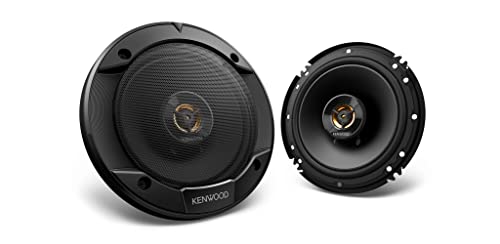

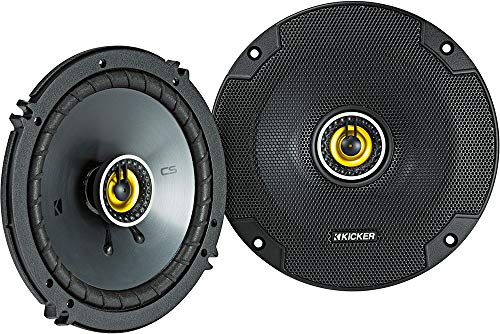

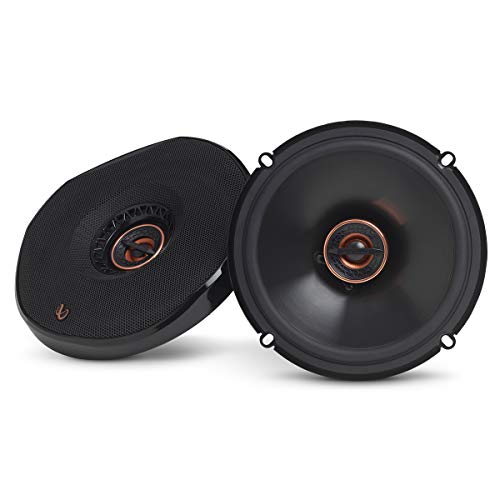

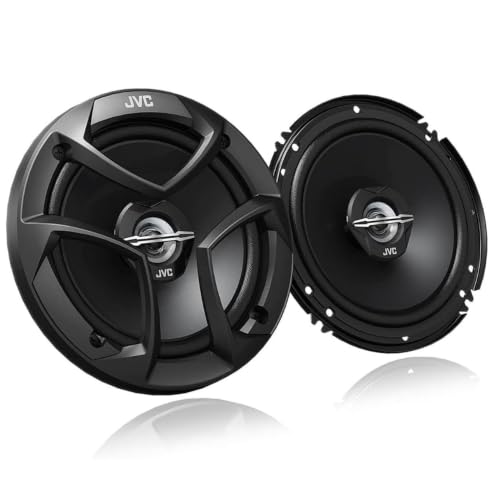

This guide focuses on sound quality decisions: how to judge staging, what crossovers do, when an amplifier helps, and how budget shapes the result. It complements a fit first approach by helping you choose the sound character you will enjoy every day.
Soundstaging in a Small Cabin
Soundstaging is the sense that music comes from in front of you rather than from the doors. Tweeters placed higher, near the pillars or dash, usually image better than tweeters buried low in a door. Component sets give you that placement freedom, while coaxial sets trade some staging for simpler fitting.
Time alignment and balance controls can help centre the sound for the driver, but they cannot fully fix a poor tweeter position. Before you buy, think about where each tweeter will sit and whether the car has factory tweeter locations you can reuse. A clean install with good placement often beats a more expensive speaker fitted poorly.
Crossovers and Why They Matter
A crossover sends low sounds to the woofer and high sounds to the tweeter, so each driver works in its comfortable range. A well designed crossover keeps vocals smooth and prevents harshness where the two drivers overlap. Cheap crossovers can create a gap or a peak that makes voices sound thin or sharp.
When you compare component sets, ask how the crossover is built and whether it offers tweeter level adjustment. A small level control lets you tame bright treble without changing the whole system. For coaxial speakers, the built in crossover is simpler, which is fine for most daily use but offers less tuning freedom.
Matching Speakers to Amplifiers
An amplifier gives speakers clean power and better control, especially at higher volume and in the bass range. Match the amplifier output to the speaker continuous power range rather than peak numbers, and set gains carefully to avoid distortion. A modest amplifier with clean power usually sounds better than a powerful amplifier driven into clipping.
If you keep the factory radio, choose higher sensitivity speakers and keep expectations realistic for bass. If you add an amplifier, you can choose lower sensitivity speakers with stronger motors and enjoy tighter control. Either path works, but mixing a low sensitivity speaker with a weak source is the most common reason a new system sounds thin.
Budget Thinking for the Best Automotive Speakers
At a lower budget, around $50 to $90 a pair, focus on a smooth coaxial speaker with good sensitivity and a door seal improvement. That combination often gives the largest audible gain per dollar, because it fixes clarity and rattles at the same time.
In the middle range, around $90 to $200 a pair, component sets, better crossovers, and stronger woofers become realistic. Above that range, pay for refined tuning, better materials, and system matching rather than raw loudness. The best value is the system that sounds balanced at your normal listening volume, not the one with the biggest numbers.
A Final Check Before You Buy
When you evaluate sound, use music you know well and listen for specific details, such as whether vocals sit in front of you, whether bass notes stay separate, and whether cymbals sound smooth rather than sharp. A speaker that impresses with loudness alone may tire your ears on a long drive, while a balanced speaker stays pleasant hour after hour. Bring a short playlist that covers voice, acoustic instruments, and bass, and test at the volume you actually use.
Consider door treatment as part of the budget, because a sealed, damped door gives the woofer a better baffle and reduces rattles that mask detail. Even partial damping around the speaker opening often improves bass control noticeably. It also lowers road noise, which lets you listen at lower volume and hear more detail without strain.
Think about future upgrades before you choose, since a speaker that works well from a factory radio may not be the best choice if you plan to add an amplifier later. Higher sensitivity speakers suit low power sources, while stronger component sets reward clean amplifier power. A clear upgrade path avoids buying speakers twice when your system grows.
Finally, protect your hearing by setting a comfortable maximum volume and avoiding long sessions at high levels, especially with windows closed and bass boosted. Hearing fatigue, ringing, or a need to shout over music are signs to turn down. Good sound should feel effortless, not loud, and a balanced system achieves that at moderate volume.
More Checks Before You Decide
Use tone controls sparingly after an upgrade, since heavy bass boost and treble boost can mask problems and cause distortion. Start flat, listen for a few days, and adjust in small steps only where a real weakness appears. A well matched system should sound good near flat settings, with tone controls used for taste rather than repair.
Consider rear speaker level carefully, because too much rear sound pulls the stage behind you and makes music feel distant. Set rear speakers lower than front speakers for driver focused listening, and raise them only when rear passengers need more volume. Balance is a listening preference, so adjust with a passenger present if you often carry people.
Keep expectations realistic for factory head units, since even excellent speakers cannot fix a noisy or distorted source signal. If sound stays harsh at moderate volume after a speaker upgrade, the source or amplifier may be the limit. Upgrading the source later is easier when speakers and wiring are already well chosen.
Related Guides to Compare
To compare portable and home sound, see best bt speakers, best sounding speakers, best portable speakers, best mobile speakers, and best handheld speakers for small speaker sound.
Frequently Asked Questions
What makes one car speaker sound harsh?
Harshness often comes from a tweeter placed too close to the ear, a crossover peak, or distortion from an underpowered source. Try lowering treble slightly, checking tweeter angle, and reducing volume to see if distortion disappears. If harshness stays at moderate volume, the crossover or tweeter character may not suit your taste.
Do I need sound damping in the doors?
Sound damping is not required, but it often improves bass and reduces rattles by giving the woofer a more solid baffle. A partial treatment around the speaker and large flat panels usually helps more than covering every surface. It also reduces road noise, which lets you listen at lower, safer volumes.
Can I mix speaker brands front and rear?
Yes, front and rear speakers do not need to match, because the front pair carries most of the music. Spend more on the front pair and choose rear speakers for fill and rear passenger comfort. Keep impedance and sensitivity broadly similar so one pair does not dominate the balance.
Why does my system sound different at highway speed?
Road and wind noise mask bass and detail, so music that sounds full in a driveway can sound thin at speed. A system with good midrange clarity and controlled bass holds up better than one that relies on deep bass alone. Avoid simply turning volume up to overcome noise, since that can cause distortion and hearing fatigue.
Should tweeters point at my ears?
Tweeters usually sound best when aimed broadly toward the listening area rather than directly at one ear. Direct aiming can make treble sharp for the nearest listener, while a slightly off axis aim often sounds smoother. Test placement temporarily before final fitting if your install allows it.
Final Thoughts
Judge automotive speakers by balance, staging, and clean power, not by peak wattage or loudness alone. Place tweeters well, match sensitivity to your source, and use the product table above to compare system approaches.
A balanced middle budget system with good fitting will satisfy most listeners for years. That is the practical path when you shop for best automotive speakers and want sound you enjoy on every trip.


