
Best Audio Capacitors for Speakers at Every Price in 2026: What Your Money Really Gets You
Disclosure: We may earn a commission when you buy through links on this page, at no extra cost to you. As an Amazon Associate I earn from qualifying purchases. Learn more

Compare audio capacitors for your speakers by capacitance, tolerance, film type and voltage rating, with price tiers and a replacement checklist.
In a passive crossover, the capacitor sets where the tweeter takes over from the woofer. Choosing the best audio capacitors for speakers is less about a famous label and more about matching value, tolerance and film type to your design. Prices run from a couple of dollars upward, and the product table below shows where the money goes.
This guide follows the budget angle throughout. You will see who gains from close tolerance film parts, who can stay with plain bipolar electrolytic parts, and which checks matter before you solder anything.


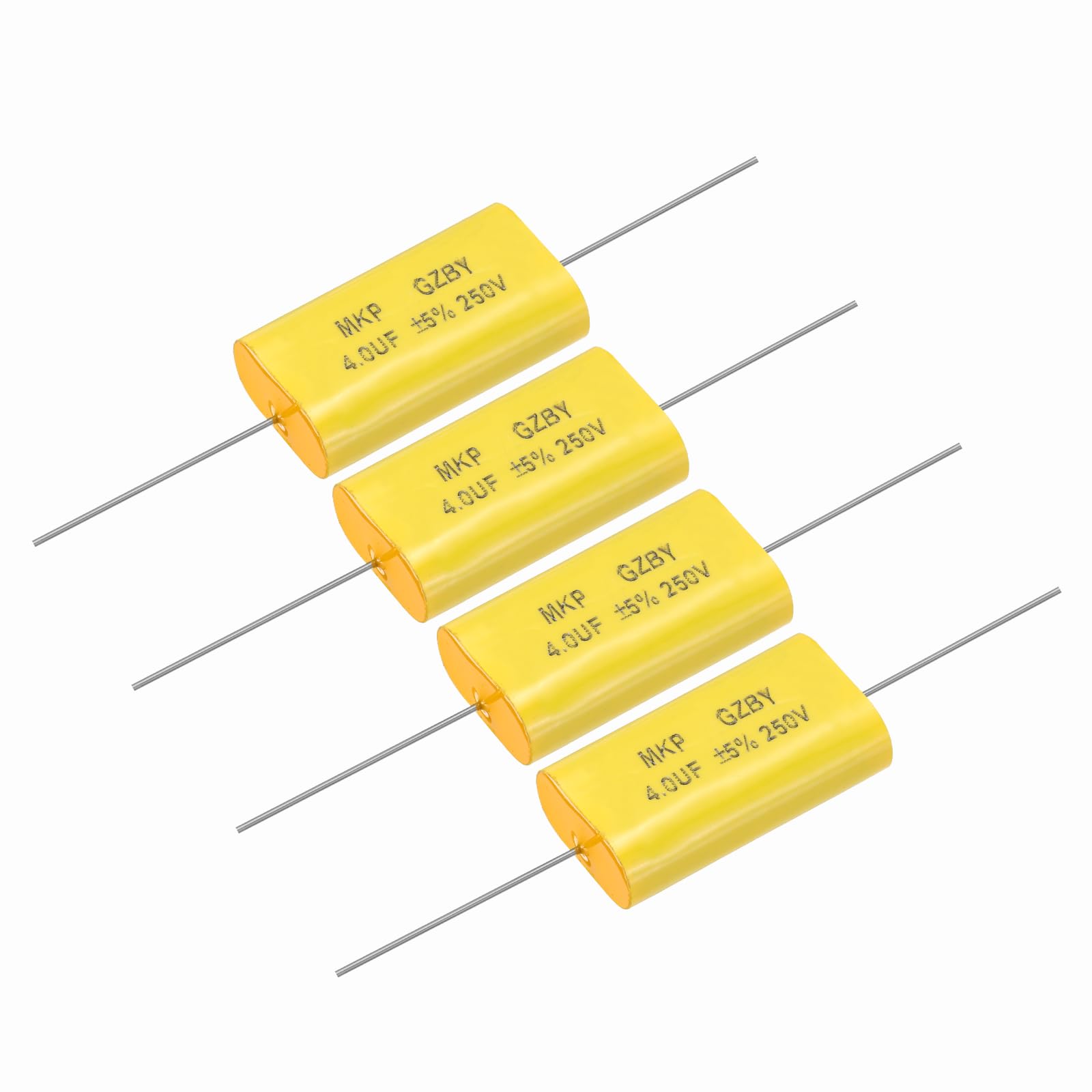
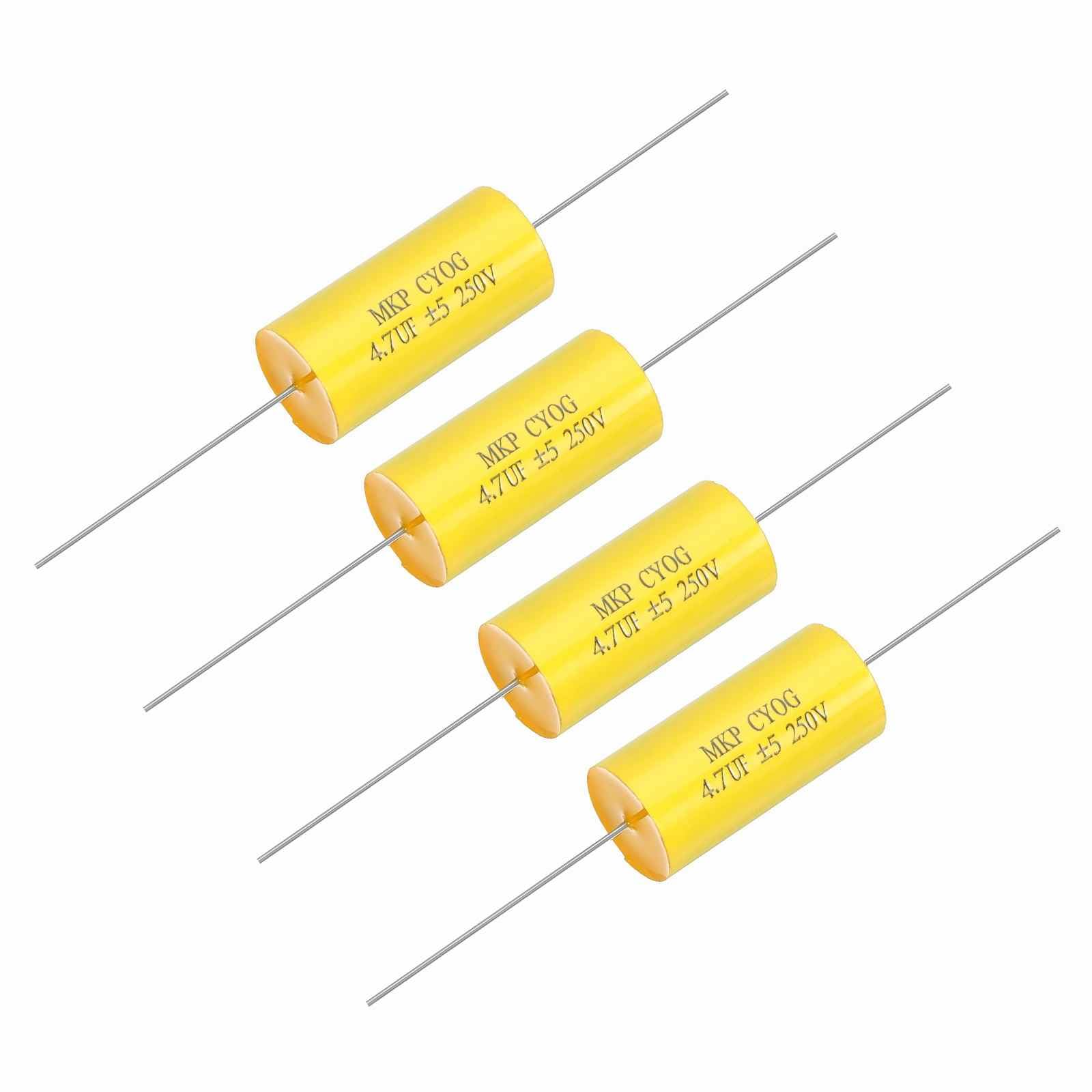

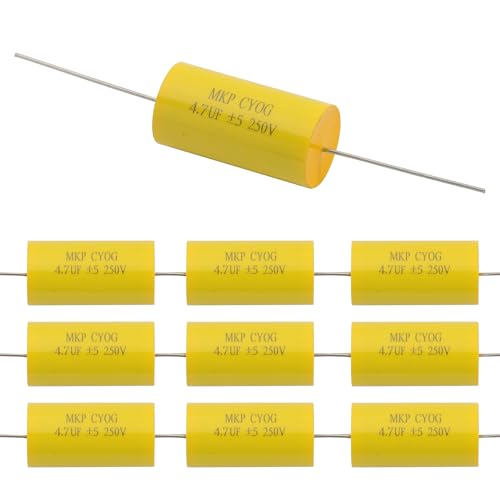
Who Should Buy Which Speaker Capacitors?
Your reason for shopping decides how much tolerance and film quality are worth paying for.
Owners Restoring Older Speakers With Aged Electrolytic Parts
Your speakers were voiced with electrolytic parts that dry out over time, so values drift and the two channels drift apart. A like for like bipolar replacement keeps the original balance on a tight budget, while a film part in the tweeter path holds its value far longer. If you are restoring a classic Polk model, the kind covered in our guide to the best polk audio speakers, photograph the board before you remove a lead.
Builders Assembling a Crossover From a Published Design
A design only sounds as intended when its parts match the parts list closely, and capacitor values are chosen with care. Buy both channels from the same batch, and resist swapping a film part for an electrolytic one in the tweeter branch. Builders chasing the best audio quality speakers gain more from matched values than from exotic leads or oversized cases.
Car Audio Owners Adding Protection for Tweeters
In a car door or dash, one capacitor in series with a tweeter works as a simple first order filter that keeps deep bass away from the tweeter. Space is tight, heat swings are wide and vibration never stops, so a compact part with sturdy leads matters more than a large audiophile case. If you are sorting the wider system too, see our guide to the best car audio speakers.
Key Features to Compare
Compare these five factors in order, starting with the two that decide whether the crossover works at all.
Capacitance Value and the Crossover Point
Capacitance, measured in microfarads, works with the impedance of the driver to set the crossover frequency. A larger value lets the tweeter play lower, and a smaller value raises the point where its output rolls off. Stay with the value in the design or printed on the old part, because a modest change moves the blend between drivers and can leave a dip or a peak. That is why the best audio capacitors for speakers match your crossover value, not the biggest number on the case.
Tolerance and Matching Between Channels
Tolerance tells you how far the real value may sit from the printed value, and common grades are about 1 percent, 5 percent and 10 percent. A 10 percent pair can leave one tweeter playing a little lower than the other, which shifts images and makes a stereo pair sound uneven. Choose 5 percent as a sensible floor for a tweeter branch, and 1 percent when both sides must match closely. Woofer shunt branches tolerate wider grades.
Film Type and What the Dielectric Changes
The dielectric is the insulating layer inside the part, and polypropylene film is the common upgrade for speaker crossovers because it holds its value well and wastes very little signal as heat. Polyester film costs less and suits woofer branches and budget builds. Bipolar electrolytic parts pack large values into a small case at the lowest cost, but they age faster and carry wider tolerance. Pick the type by branch first, because a small tweeter value in film is usually affordable.
Voltage Rating and Headroom for Loud Playing
The voltage rating is the highest voltage the part can handle, and it must sit above the peaks your amplifier can send to the crossover. Many home speaker parts are rated around 100 volts DC or higher, which gives generous headroom, while small parts rated near 50 volts belong in modest systems only. A higher rating does not change the sound by itself, but a part run too close to its limit can fail early. Check the rating on the old part and meet or exceed it.
Loss, Heat and the Size of the Case
Every capacitor wastes a small share of the signal, and makers describe that loss with equivalent series resistance and dissipation factor. Lower loss matters most in series with a tweeter, where the part sits in the signal path and heat from loud playing can push its value around. Film parts also grow in size as value and voltage rise, so measure the space beside the board before you order. A part that forces bent leads is a poor buy at any price.
What Your Money Gets You at Each Capacitor Price Tier
Capacitor prices scale with value, voltage and tolerance, so read the tiers as cost per part.
Small Change Tier: Bipolar Parts for Large Values
Bipolar electrolytic parts often cost about $1 to $5 each, even in large woofer values. You give up close tolerance and long term stability, and in return you keep a restoration affordable when several parts need changing. For an older speaker in light use, this tier is honest value. Spend the savings on fresh solder.
Everyday Film Tier: Polypropylene for the Tweeter Path
Polypropylene film parts in common tweeter values often cost about $3 to $15 each, and this is where most buyers should land. You get 5 percent or better tolerance, low loss and a value that stays put for decades of normal use. The step up from electrolytic is easy to justify here because tweeter values are small.
Premium Film Tier: Close Tolerance and Very Large Cases
Premium film parts with 1 percent tolerance, heavy leads or very large values can cost about $20 to $60 or more each. That money buys consistency between channels, not a guaranteed jump in sound. Choose this tier when a published design names tight tolerance, or when a large film value must replace an electrolytic in a woofer branch.
Common Mistakes to Avoid
Each of these errors costs either money or sound.
- Ordering a polarized electrolytic capacitor for a crossover sends a part that can fail and distort because crossover signals swing both ways.
- Changing the capacitance value to chase more treble shifts the crossover point and can leave a hole between woofer and tweeter.
- Replacing the capacitors in only one channel leaves the stereo pair unmatched, so voices lean toward the fresher side.
- Ignoring the voltage rating and fitting a small part in a powerful system risks early failure during loud passages.
- Holding the iron on a film capacitor lead too long can damage the film inside and push the value off spec.
- Mounting a heavy film part by its leads alone lets vibration crack a solder joint inside the cabinet.
Care and Maintenance for Crossover Capacitors
Capacitors need little routine care, but the cabinet around them decides how long they last. Keep speakers away from radiators and damp floors, because steady heat and moisture age electrolytic parts faster and corrode any leads. When you open a cabinet, work with the amplifier off and the speaker unplugged.
Inspect the board every few years on older speakers. Look for bulged or leaking electrolytic cases, cracked solder joints and green corrosion. A capacitance meter can confirm a suspect value out of circuit. Replace a failed part with the same value and type family, and secure heavy parts with a cable tie so the leads carry current, not weight.
FAQ
How do I read the value printed on a speaker crossover capacitor?
Start with the number followed by uF, which states the value in microfarads. Some small parts use a three digit code instead, where the first two digits form the value and the third counts zeros in picofarads, so a code of 475 means 4.7 uF. When the print has worn away, measure the part out of circuit rather than guessing from size.
Can I fit a speaker capacitor with a higher voltage rating than the old one?
Yes, a higher voltage rating is safe and often the practical choice when the exact rating is out of stock. The rating is a ceiling, not a working point the part tries to reach. The trade off is size, because a higher rated part is usually larger. Never fit a lower rating than the part you removed.
Should I replace the crossover capacitors in both speakers of a stereo pair together?
Yes, replace the parts in both speakers together so both channels age alike. Keep the removed parts in a labeled bag as a record of the original values. After the swap, play a mono recording and stand midway between the speakers, because a voice that drifts to one side can reveal a wiring slip.
How can I tell if a crossover capacitor is making my speaker sound dull?
Swap the left and right speakers while keeping the same amplifier channels, and note whether the dullness moves with the speaker. If it moves, the fault sits inside that cabinet rather than in your source. A quiet tweeter with a clean woofer points at the tweeter branch. Confirm with a capacitance reading, because a tired tweeter can sound similar.
Can a drifted crossover capacitor harm a tweeter in a speaker?
Yes, it can, although the risk comes mostly from how the part fails rather than from aging alone. A dried out electrolytic mainly loses value and dulls the sound, but a part that shorts can feed low frequency energy to a tweeter never built to move that far. If a tweeter suddenly sounds harsh at low volume, stop using that speaker until the board is checked.
Our Verdict
Match the value first, pick the tolerance your channel balance needs, and choose film for the tweeter branch. Use the product table above to compare values, ratings and prices.
With those checks done, the best audio capacitors for speakers for most readers are everyday polypropylene parts in the tweeter path and honest bipolar parts in large woofer values. Buy a matched pair and solder with care.


