
Best Athletic Shoes for Overweight Female 2026: Cushion and Support Guide
Disclosure: We may earn a commission when you buy through links on this page, at no extra cost to you. As an Amazon Associate I earn from qualifying purchases. Learn more
Best athletic shoes for overweight female wearers: how to choose cushioning, support and width for walking, workouts and daily wear, with a compare table.
More body weight puts more load on the foam and the frame of a shoe, so cushioning that collapses or a narrow base can wear out fast. The best athletic shoes for overweight female wearers combine thick, durable midsoles with a stable platform and enough width to stay comfortable through workouts and long days.
The product table compares women's sneakers with supportive cushioning from well known brands. Read the checklist below, then choose by width, support and how you plan to use them.
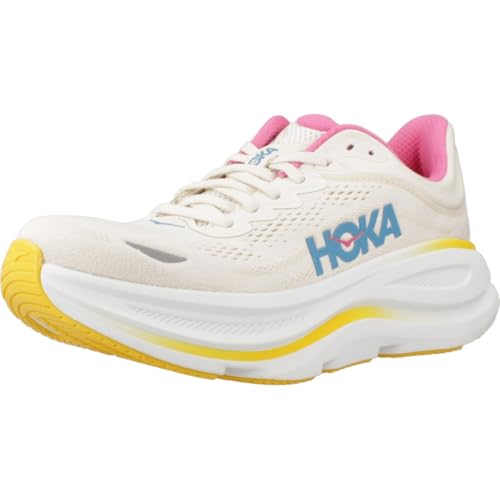

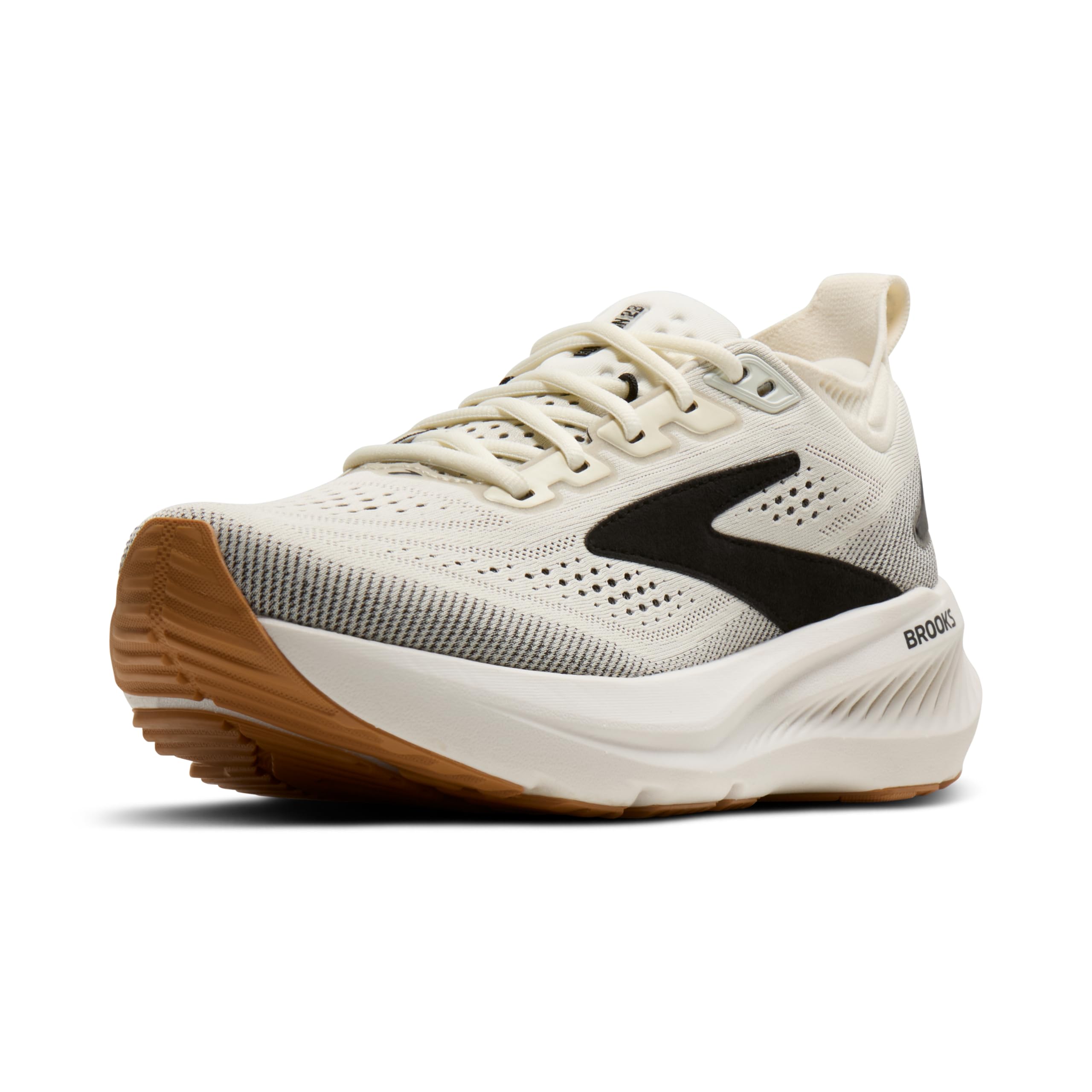


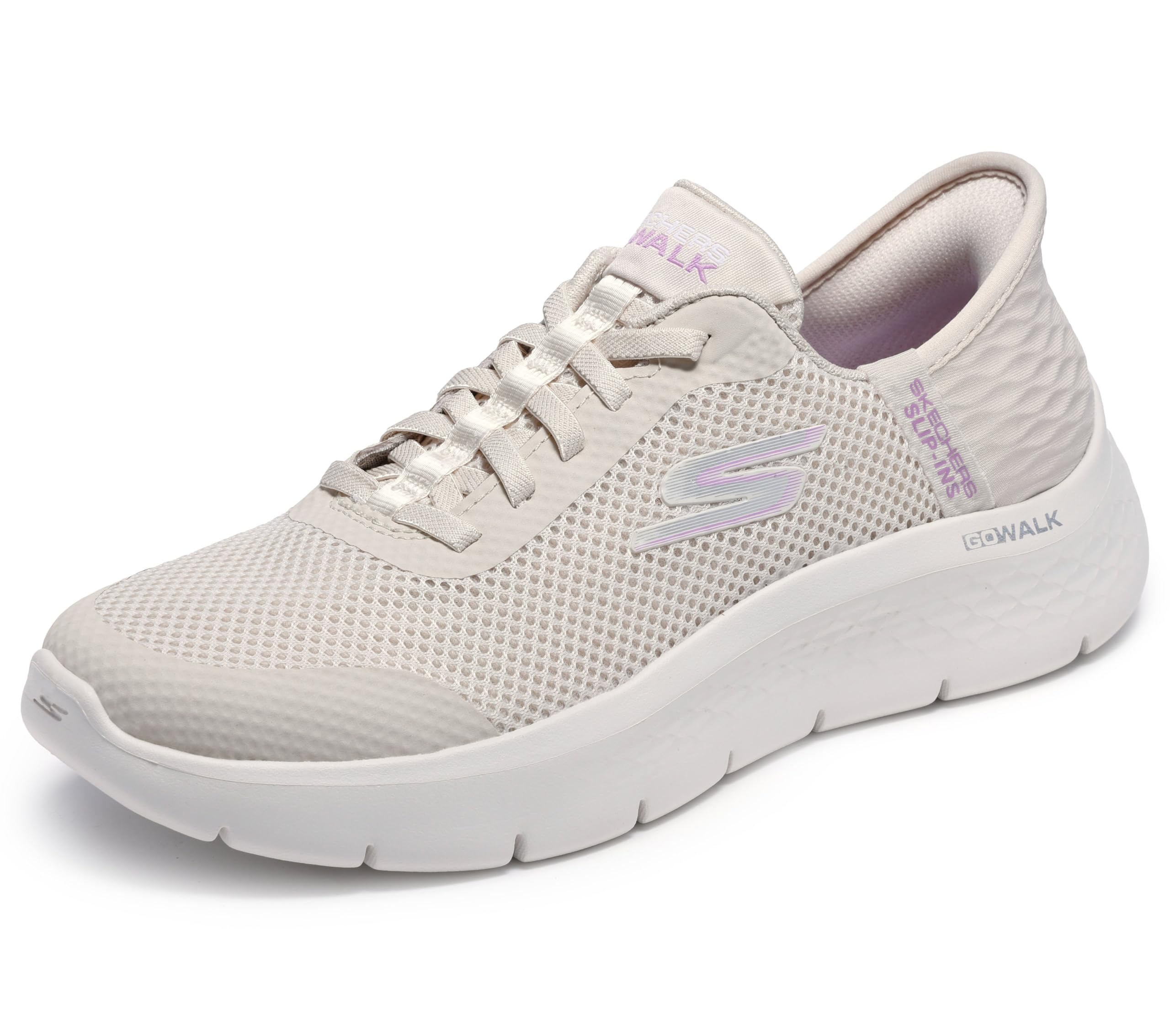


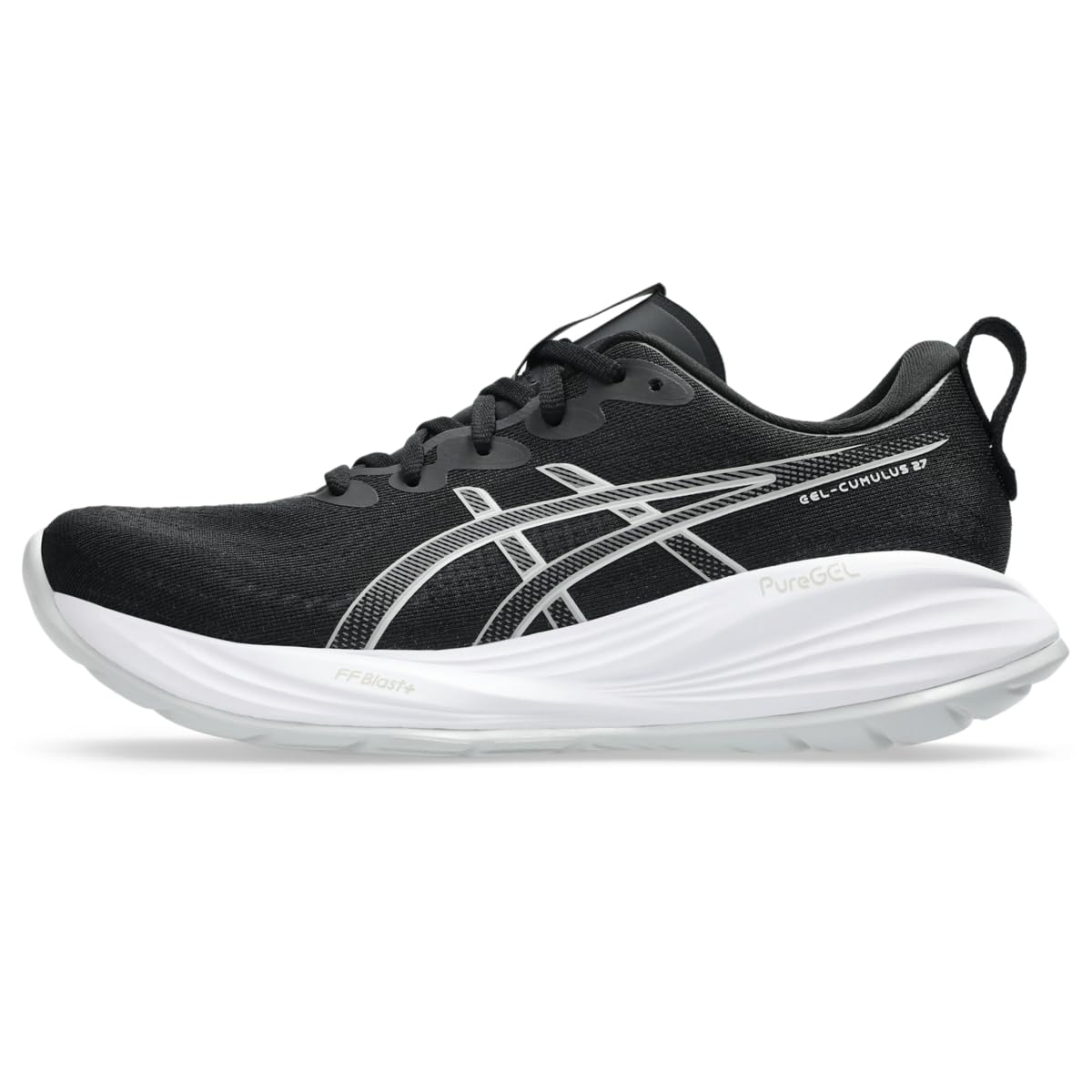

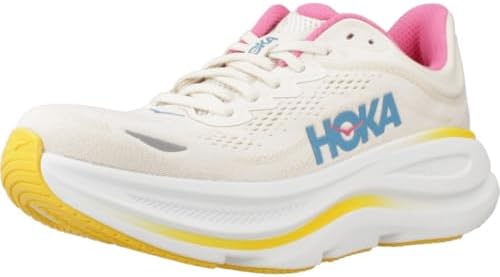
Choosing the Best Athletic Shoes for Overweight Female Wearers
Durable cushioning
Max cushion midsoles absorb impact, but soft foam can flatten quickly. Look for denser or well reviewed foams and check how the shoe holds up after a few weeks of regular use.
A wide, stable base
A broader outsole and a firm heel counter keep the foot steady. Stability or guide rail designs can add control when the arch tends to flatten.
Width and volume
Many brands offer wide and extra wide sizes. A roomy toe box and an adjustable lacing system help with swelling during long days.
Outsole durability
Rubber in the heel and forefoot lasts longer than thin foam outsoles. This matters for walking on pavement.
Shoe Types Compared
Max cushion trainers such as the Bondi or Ghost Max suit walking and easy runs. Stability shoes like the Adrenaline GTS or Guide add control. Lightweight walking shoes with memory foam, such as the Skechers lines, keep costs lower for casual use.
Care and Replacement
Rotate between two pairs when you can, let shoes dry fully, and replace them as soon as the cushioning feels flat or the outsole wears smooth. Heavy use shortens the life of any shoe, so do not wait for visible damage.
Sizing and Fit Checklist
- Try shoes later in the day, when feet are at their largest.
- Leave about a thumb's width in front of the longest toe.
- Check that the heel stays put and the arch feels supported, not poked.
- Walk on a hard floor to feel how the cushioning responds.
If a model comes in wide and extra wide widths, compare the same shoe in both before you settle on a size. Lacing from the toes up and using every eyelet gives the best hold.
Budget Tiers and Value
Lower priced walking shoes with memory foam give soft comfort for light daily use. Mid priced trainers add stronger frames and denser foam that tend to last longer. Premium max cushion and stability shoes give the most durable support and often come in wider sizes. Because heavier wearers compress foam faster, a mid or premium tier often costs less per month of use than the cheapest option.
Common Mistakes to Avoid
- Choosing very soft foam without a firm heel and stable base.
- Squeezing into a regular width when a wide size is available.
- Waiting too long to replace worn out shoes.
- Wearing the same pair every day without letting it recover.
Specs That Matter at a Higher Body Weight
Look for midsole stack heights of about 30 to 40 mm for walking and easy running, because extra foam gives the shoe more material to compress before it bottoms out. Choose a heel to toe drop of around 6 to 10 mm for a steady, forgiving ride. Weight matters less than structure, so a shoe of 9 to 11 ounces with a firm heel counter is usually a good target. Sizes up to 12 or 13 and widths from B to 2E are common in the Brooks, Hoka, Skechers and ASICS families listed here.
Foam types
EVA foams are firm and durable, while newer blown foams are lighter and softer but can compress sooner. If you plan to wear the shoes daily, a slightly firmer foam may keep its shape longer.
Walking, gym and standing use
For walking, pick a shoe with a gentle rocker and a flexible forefoot. For gym classes with side to side moves, choose a flatter cross trainer with a wider base. For long days standing, extra cushioning plus a wide toe box helps with swelling.
When to Replace Your Shoes
Higher body weight compresses foam faster, so check shoes every month. Press your thumb into the midsole: if it feels hard and flat, or the sides of the midsole show deep creases, cushioning is spent. Many wearers get about 250 to 400 miles from a shoe, which is roughly four to eight months of regular walking.
Shopping Tips for Plus Size Fit
Check the size chart for the maximum listed size, since some brands stop at 11 or 12 in women's cuts. If a women's model is not offered in your size, men's and unisex versions often run larger, with a general rule of subtracting about 1.5 sizes. Read buyer comments about width and about how the foam holds up after a few months. Return policies matter here, so keep tags and packaging until you have walked in the shoes at home.
Related Guides
For more ideas, read best athletic shoes for overweight, best walking shoes for overweight female and best athletic shoes.
Frequently Asked Questions
Do I need wide shoes?
Not always, but many people find a wide size more comfortable. If the sides of your foot press against the upper, try a wide width rather than a bigger length.
Is more cushioning always better?
Not necessarily. Soft foam without a stable base can feel wobbly. Aim for cushioning plus a firm heel and a steady platform.
How long will they last?
It depends on the model and how often you wear them. Replace shoes when the midsole looks compressed or your feet and legs feel more tired than usual.
Can I use them for workouts?
Yes, for walking, low impact classes and gym sessions. Check that the shoe offers lateral support if you do side to side moves. If you have pain or health concerns, ask your doctor before starting a new routine.
Which brands offer the widest size ranges?
Brooks, New Balance, ASICS and Skechers offer wide widths in many models. Check each product page for the widths and sizes in stock.
Final Thoughts
Focus on durable cushioning, a stable base and the right width, and compare options in the product table. The best athletic shoes for overweight female wearers feel supportive from the first walk and stay that way for months.


