
Best Athletic Shoes for Overweight 2026: Support and Cushion Guide
Disclosure: We may earn a commission when you buy through links on this page, at no extra cost to you. As an Amazon Associate I earn from qualifying purchases. Learn more

Best athletic shoes for overweight wearers: durable cushioning, stable platforms and wide sizes for walking, gym time and everyday comfort.
Heavier wearers press harder into every step, which means thin foam and narrow platforms can feel harsh or break down early. The best athletic shoes for overweight wearers use durable cushioning, a wide stable base and sizes that include wide and extra wide fits.
The product table compares supportive men's and unisex trainers and walkers. Use the sections below to decide how much cushioning and support you need.

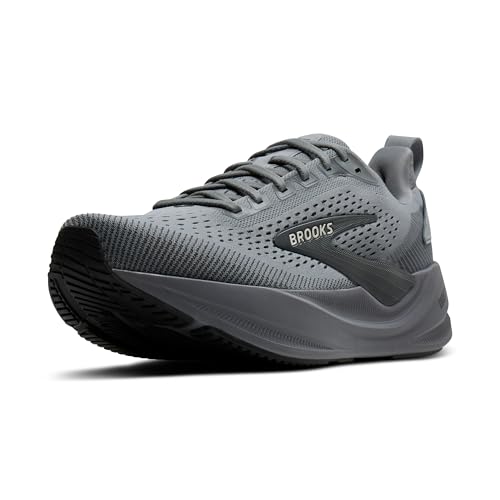
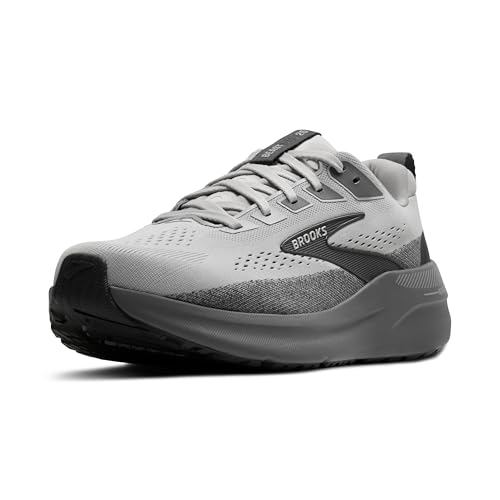
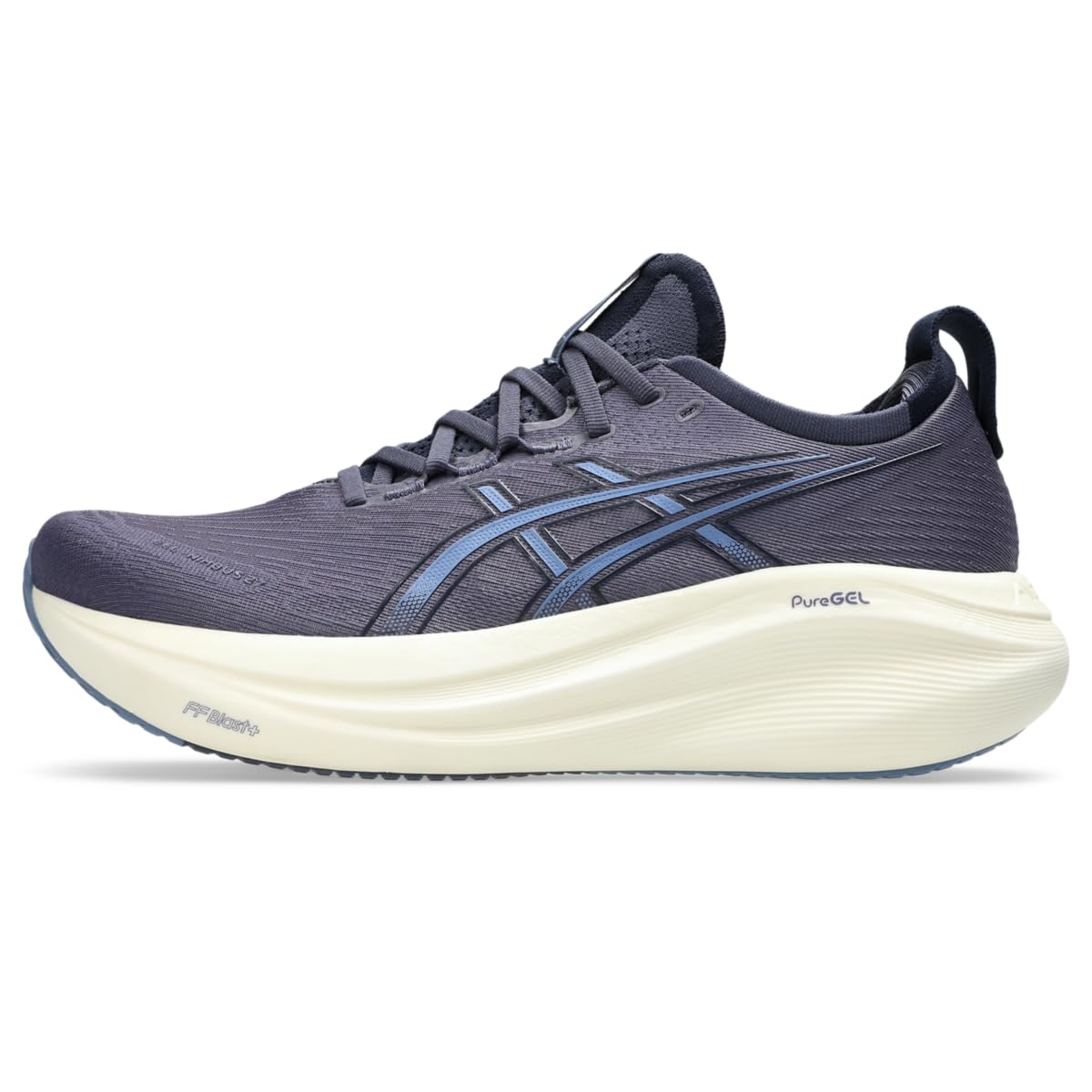
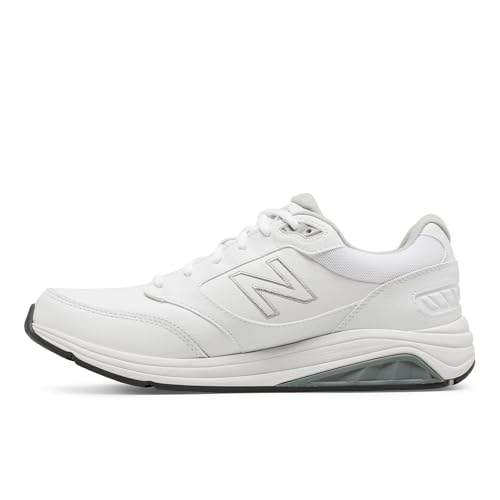


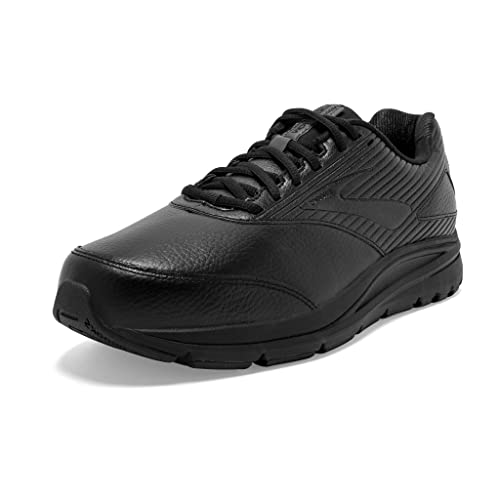
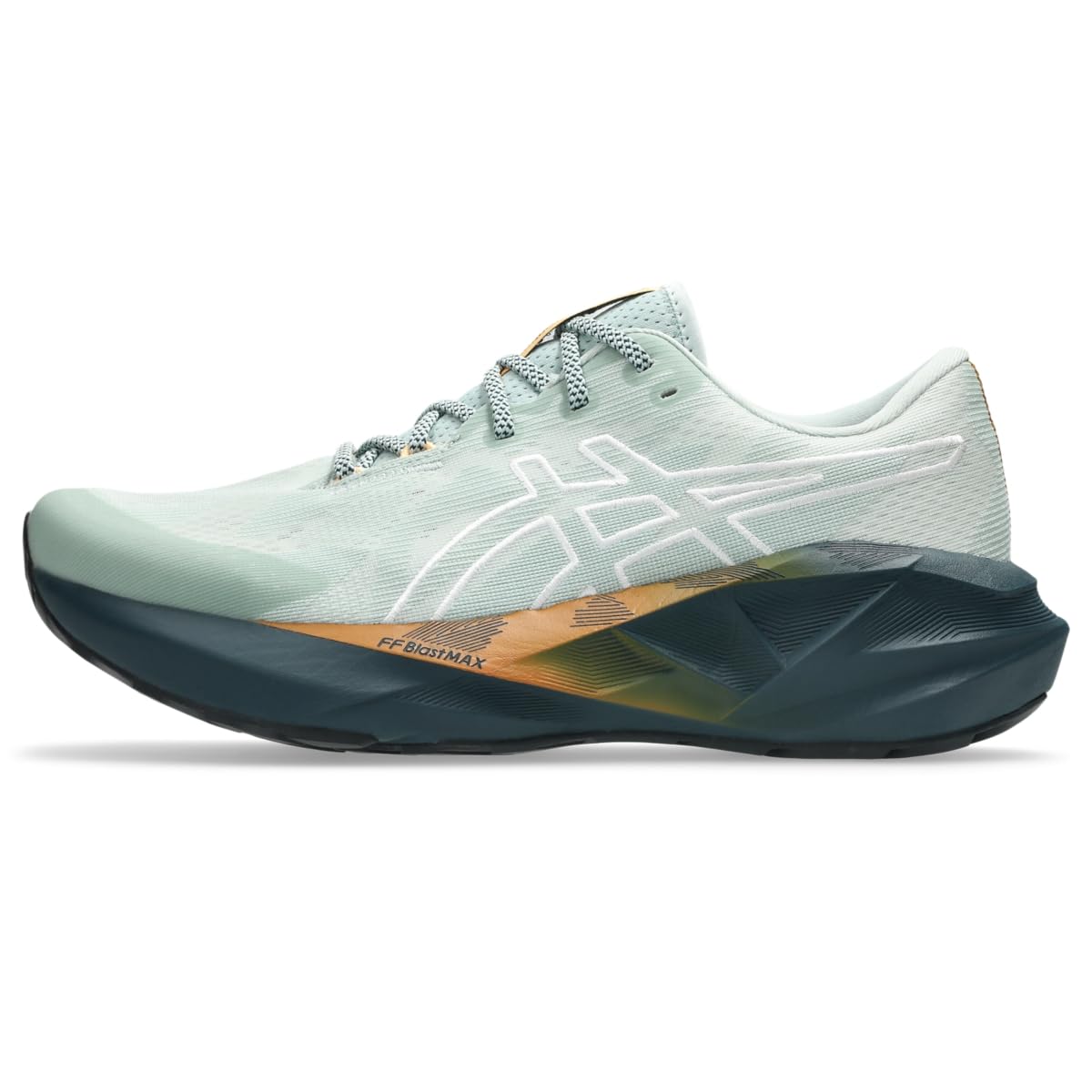
Choosing the Best Athletic Shoes for Overweight Wearers
Cushioning that holds its shape
Max cushion trainers give extra shock absorption. Dense foams last longer than very soft ones, so look for models with a track record for durability.
Stability and a wide platform
A wider outsole and a firm heel keep the foot steady. Stability models add guide rails or a medial post if the foot tends to roll inward.
Width options
Many walking and running shoes come in wide (2E) and extra wide (4E) widths. A fit that is too tight can cause blisters and numb toes.
Outsole wear
Thick rubber under the heel and forefoot resists wear on pavement and gym floors.
Shoe Types Compared
Max cushion runners suit easy miles and walking. Stability shoes are better when you want extra control. Walking shoes with a rocker sole and a firmer midsole help reduce effort on long walks. Cross trainers add lateral support for the gym.
Warning Signs and Care
Replace shoes once the midsole creases deeply, the tread is smooth or you feel the ground more than before. Persistent pain, swelling or numbness should be checked by a clinician rather than solved with shoes alone.
Sizing and Fit Checklist
- Try shoes late in the day, with the socks you wear for exercise.
- Leave about a thumb's width in front of the longest toe.
- Check that the heel stays put and the midfoot feels supported.
- Walk on a hard surface to feel the cushioning, not just carpet.
Compare the same shoe in regular and wide widths if both are offered. Many buyers find the wide size feels roomier through the toes without making the shoe longer.
Budget Tiers and Value
Basic walking and cross training shoes are the lowest priced and suit light use. Mid priced running and walking shoes bring denser foam, firmer heel structure and better outsole rubber. Premium trainers offer the most durable cushioning and a wider range of widths. Heavier wearers compress foam faster, so the extra spend on a durable midsole often pays off.
Common Mistakes to Avoid
- Choosing very soft shoes without a stable base.
- Buying a regular width because it was the default size.
- Using the same pair for years after the midsole has flattened.
- Starting a new exercise routine without advice from a doctor when you have health concerns.
Specs That Matter at a Higher Body Weight
Choose midsole stack heights of roughly 30 to 40 mm and a heel to toe drop between 6 and 12 mm. A firm heel counter and a broad outsole keep the foot centered. Shoes in the 10 to 13 ounce range with dense foam are typical for this group, and men's sizes up to 15 and widths from D to 4E are available in Brooks, Hoka, New Balance and Skechers models.
Foam and outsole durability
Dense EVA based foams hold their shape longer than ultra soft blown foams. Rubber covering the heel and forefoot resists wear, while exposed foam outsoles can wear through in a few months of daily walking.
Choosing by activity
Walkers do well with a rocker sole and a roomy toe box. Gym users want a flatter, wider base for lateral stability. Runners new to the sport can start with a max cushion trainer and a slow build up of distance.
Support level
If your arches flatten or your ankles roll in, choose a stability model with guide rails or a medial post. If your feet feel neutral, a cushioned neutral shoe often feels smoother.
When to Replace Your Shoes
Check shoes monthly. If the midsole feels flat when you press it, the foam shows deep creases or the outsole is worn smooth at the heel, it is time. Many wearers need new shoes every four to eight months with regular walking.
Shopping Tips for Larger Sizes
Check the maximum size and width listed for each model. Some brands stop at size 13 in standard fits but offer 14 to 16 in selected styles. Read buyer comments on how the foam holds up after a few months. Keep packaging and tags until you have worn the shoes at home, and look for generous return windows.
Building Up Activity
Start with easy sessions, such as 20 to 30 minute walks, and increase gradually. Shoes help, but pacing, rest days and warm ups matter as much. If you have joint concerns or a health condition, talk with your doctor before starting a new routine.
Related Guides
See also best shoes for overweight, best athletic shoes for pronation and best athletic shoes.
Frequently Asked Questions
Are max cushion shoes the best option?
They are a good start, but stability matters too. A very soft shoe without support can feel unstable, so choose cushioning together with a firm heel and a stable base.
Should I buy a wide width?
If your foot feels squeezed at the sides or toes, try a wide size. It is better than going up in length.
How often should I replace them?
Heavier wearers usually replace shoes sooner. Check the midsole for compression and the outsole for wear every few weeks.
Can I run in these shoes?
Many of them are made for running and walking. Start with short sessions, build gradually and talk with your doctor if you are new to exercise.
Which brands offer wide sizes?
Brooks, New Balance, ASICS, Hoka and Skechers all offer wide or extra wide sizes in many models. Check size availability on the product page before choosing.
Final Thoughts
Look for durable cushioning, a stable base and the right width, then compare models in the product table. The best athletic shoes for overweight wearers feel steady and supportive and keep their comfort for a long time.


