
Best Athletic Shoes for Wide Feet 2026: Width and Fit Guide
Disclosure: We may earn a commission when you buy through links on this page, at no extra cost to you. As an Amazon Associate I earn from qualifying purchases. Learn more

Best athletic shoes for wide feet: how to measure width, tell wide from extra wide and choose a roomy trainer or walker that still holds your heel.
A shoe that is long enough but pinches across the ball of the foot is a common problem for wide feet. The best athletic shoes for wide feet come in true wide widths, with a roomy toe box that does not sacrifice heel and midfoot hold.
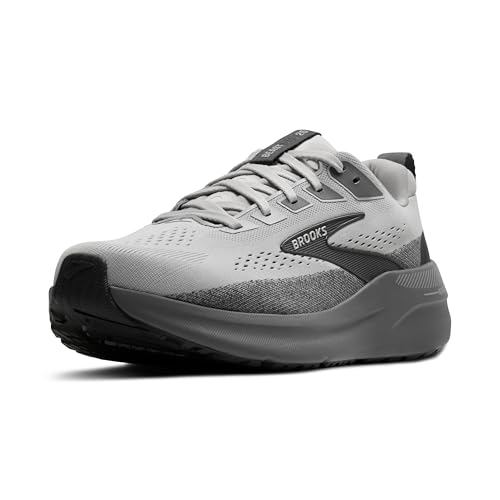
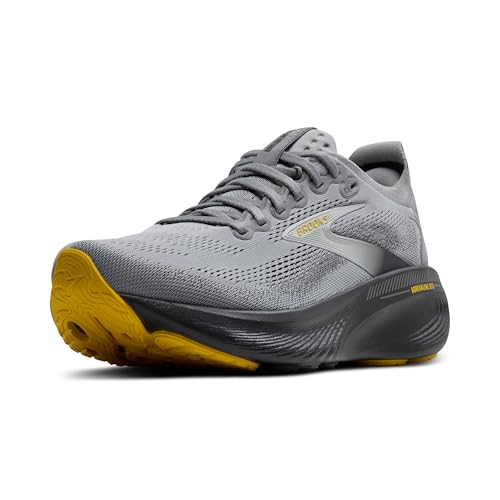
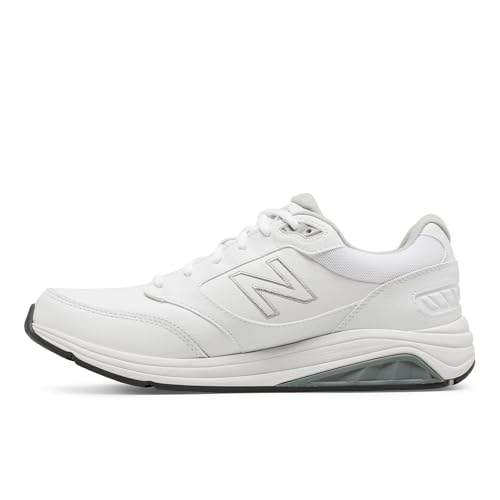
The product table lists trainers and walkers offered in wide or extra wide fits, plus roomy toe box designs from specialist brands.




How to Measure Width Before You Order
Stand on a sheet of paper, trace your foot and measure the widest part across the ball. Compare it to the brand's size chart. Measure both feet in the afternoon and use the larger one. Because width labels vary by brand, a D for men or B for women is usually standard, 2E or D is wide, and 4E or 2E is extra wide.
Choosing the Best Athletic Shoes for Wide Feet
True wide sizes
Brooks, New Balance, Skechers, ASICS and others offer wide versions of their core models. Choose the same model in a wider width rather than a longer length.
Roomy toe boxes
Some brands design a naturally broad forefoot. These shoes let toes spread while still locking the heel.
Flexible, stretchy uppers
Knit and engineered mesh uppers give more tolerance than stiff leather or synthetic uppers.
Secure heel and midfoot
Extra width in the toe box should not mean a loose heel. Use all the eyelets, and consider a runner's loop.
What Your Money Gets You at Each Price Tier
Budget wide shoes provide a roomy fit and basic cushioning for light use. Mid priced models add better foam, supportive frames and longer life. Premium models offer true multiple width sizes and more durable materials. Be careful with very cheap listings that claim wide but only add length.
Fit Details That Matter More Than the Label
- Pressure across the ball of the foot after ten minutes of walking
- Toes that can wiggle freely
- A heel that stays in place without rubbing
- A tongue and laces that sit flat without digging in
Common Mistakes to Avoid
- Sizing up in length instead of choosing a wider width.
- Wearing thick socks to stretch a tight shoe.
- Ignoring heel slip in a roomy shoe.
- Waiting until your feet swell late in the day to try shoes.
A Final Check Before You Buy
Confirm the width label, the size and the return window before you order. Try shoes on in the afternoon and walk on a hard floor.
Typical Specs and Sizing by Width
Wide shoes add about a quarter inch of width across the ball of the foot for each step up. A men's medium (D) is roughly 3.9 inches at the widest point in a size 9, while a 2E adds about a quarter inch and a 4E about half an inch. Women's wide (D) adds a similar amount to B. Roomy toe box shoes from specialty brands keep a similar volume but shape the front of the shoe in a foot shaped curve.
Material choices
Knit and stretch mesh uppers adapt to wide forefeet. Leather and synthetic overlays hold their shape and may feel tight at first. Padded tongues and soft collars reduce pressure at the sides of the foot.
Specific uses
For running, choose a wide version of a cushioned trainer and check heel hold. For walking and standing, extra wide walking shoes with soft uppers are comfortable. For gym use, pick a flat, stable trainer in a wide width.
Toe box shape
A foot shaped toe box lets the big toe sit straight. Tapered boxes can squeeze the little toe even in wide sizes, so look at the outline of the shoe, not just the label.
Fixing Common Fit Problems
Heel slip
Use the top eyelet for a runner's loop, wear thicker socks or try a heel grip pad. If the heel still lifts after these steps, the heel cup is too wide and another model is a better answer.
Blisters and hot spots
Blisters usually come from friction at a seam or from moisture. Choose seamless socks made of synthetic or merino fibers, and use a small friction patch on a trouble spot while the shoe breaks in.
Numb or tingling toes
This often means the laces are too tight over the forefoot or the toe box is too low. Loosen the front lacing or move to a roomier model. Persistent numbness deserves a clinician's advice.
Price Tiers and Value
Value wide shoes cost around 40 to 70 dollars. Wide width versions of mainstream trainers cost 70 to 170 dollars. Check that the wide model is actually a wide last and not just a longer size.
When Wide Is Not Enough
Some feet are both wide and high volume, or have bunions or hammertoes that press on the upper. In that case a stretchy knit upper, a deep toe box or a shoe with a seamless forefoot can relieve pressure. A clinician or a trained shoe fitter can suggest options. Shoe stretchers and professional stretching at a cobbler can add small amounts of room to leather uppers, but knit uppers rarely need it.
Related Guides to Compare
See best women's athletic shoes for wide feet, best men's athletic shoes for wide feet, best wide athletic shoes, best shoes for wide feet and best athletic sandals for wide feet.
Frequently Asked Questions
What is the difference between wide and extra wide?
Extra wide offers more volume across the ball of the foot. Labels differ by brand, so check each size chart.
Can wide shoes stretch?
Some uppers give a little, but do not count on it. Choose a comfortable fit from the start.
Do wide feet need more cushioning?
Not necessarily. Choose cushioning based on your use and body weight, and pick a wide width for comfort.
How do I stop heel slip in wide shoes?
Use all eyelets, add a runner's loop and look for a snug heel counter.
Are wide width shoes harder to find?
Selection is smaller than medium widths, so shop early for popular sizes and colors.
Final Thoughts
Pick true wide widths, a roomy toe box and a secure heel. Compare the product table, and the best athletic shoes for wide feet will feel comfortable the moment you put them on.


