
Best Athletic Shoes for Metatarsalgia 2026: A Complete Buying Guide
Disclosure: We may earn a commission when you buy through links on this page, at no extra cost to you. As an Amazon Associate I earn from qualifying purchases. Learn more

Choose athletic shoes for metatarsalgia with forefoot cushioning, a roomy toe box, and gentle rocker support, plus warning signs to discuss with a clinician.
The best athletic shoes for metatarsalgia need to protect the ball of the foot, where metatarsalgia causes aching, burning, or sharp pain under the forefoot. The right pair spreads pressure, cushions the metatarsal heads, and lets your toes spread naturally during each step.
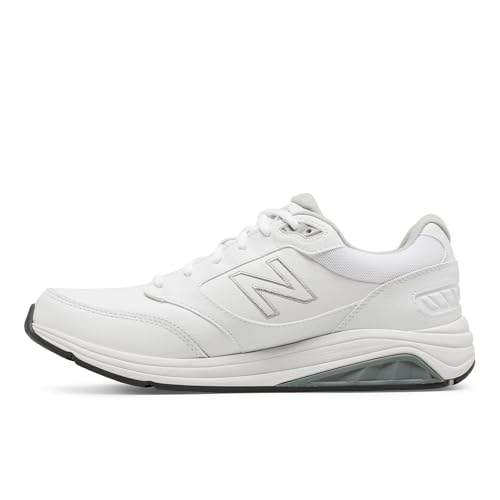
The product table below lists options, so you can compare forefoot cushioning, toe box width, and rocker shape at a glance. This guide explains which features ease forefoot pressure and which common choices make it worse.
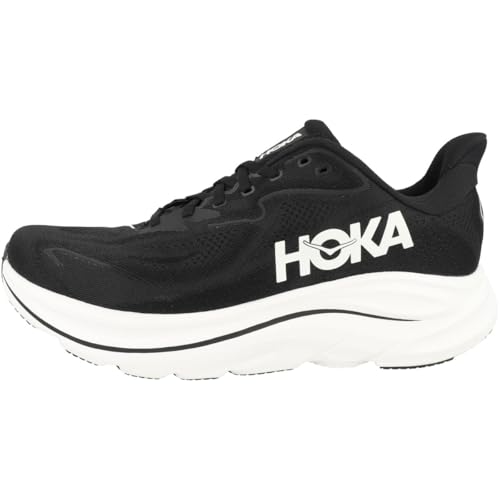
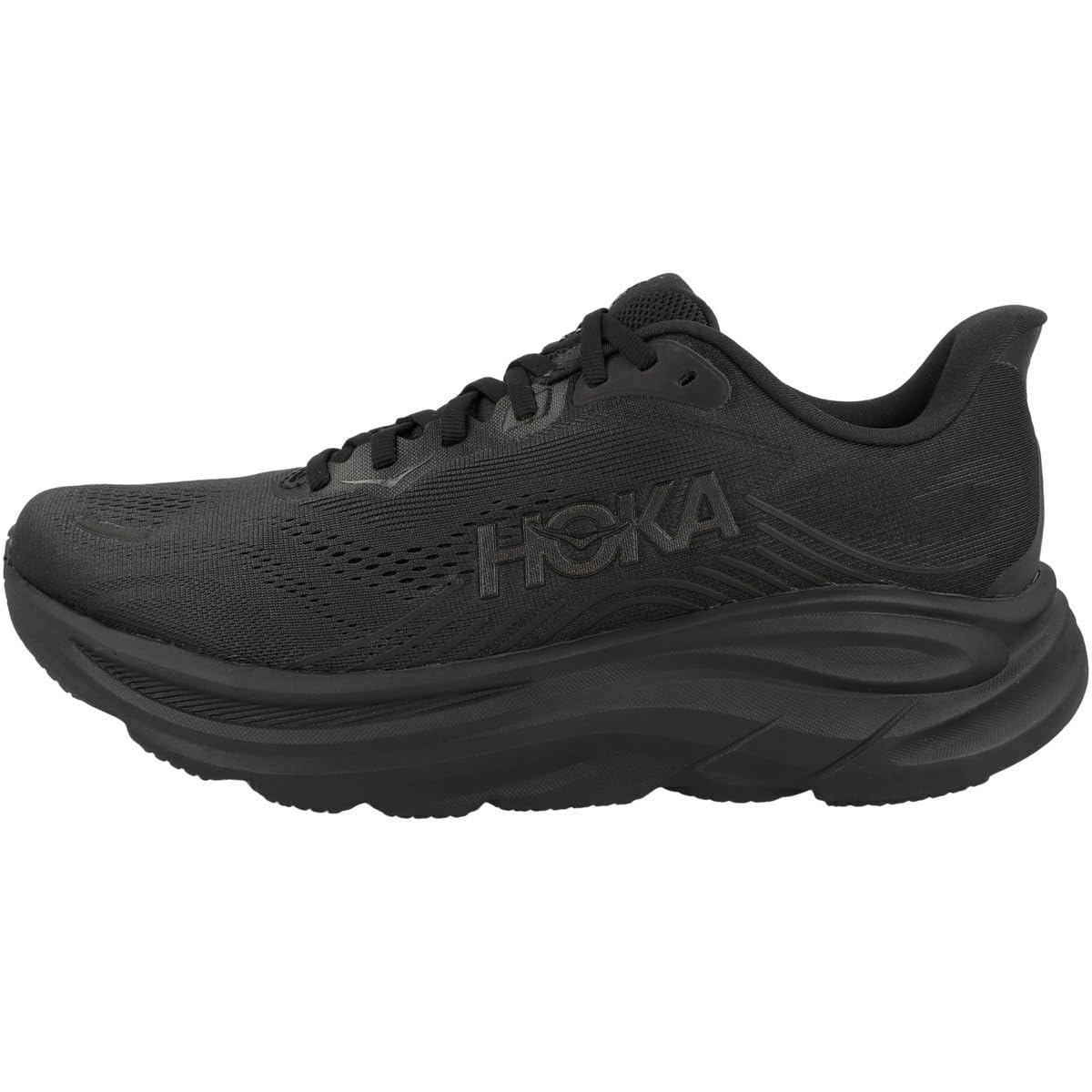
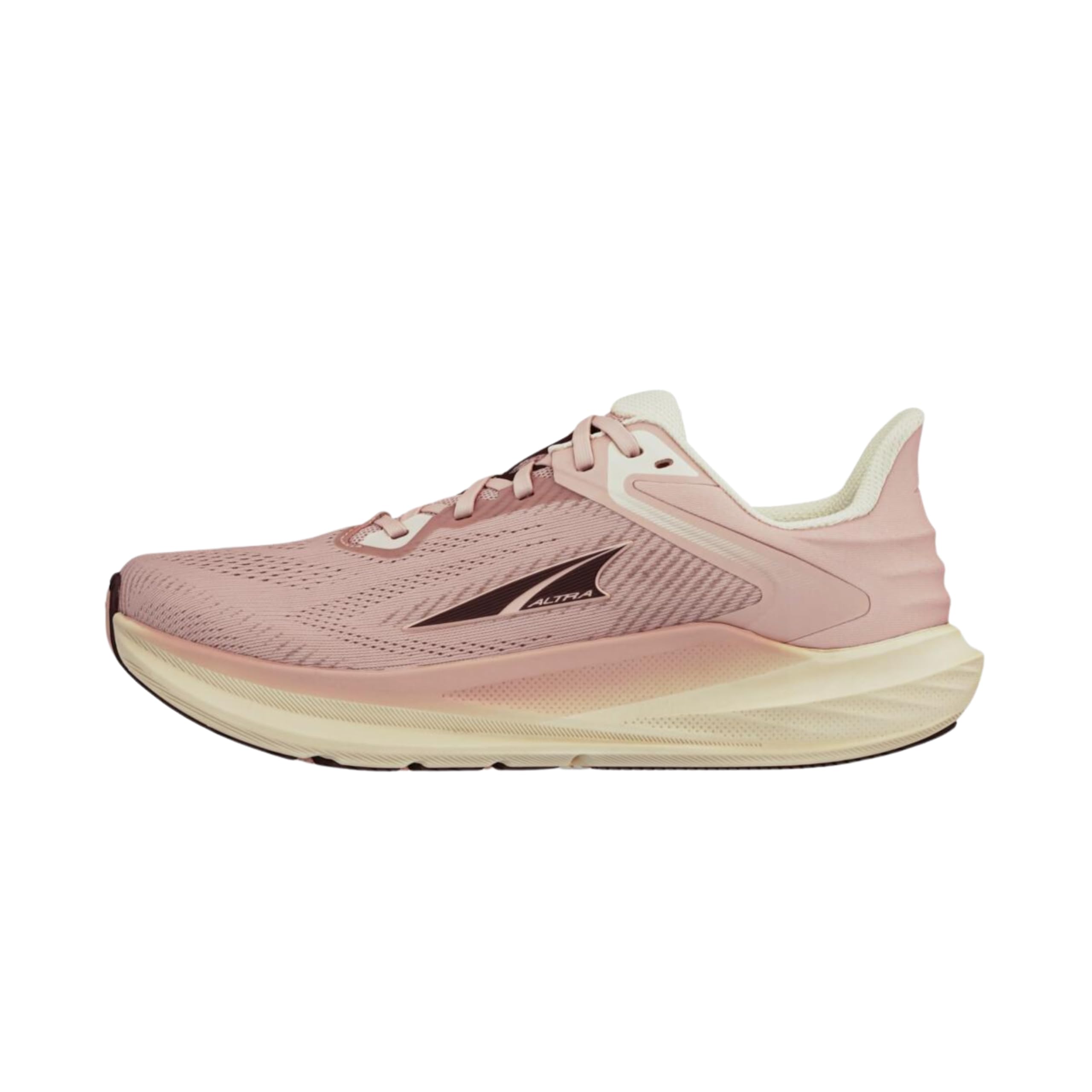
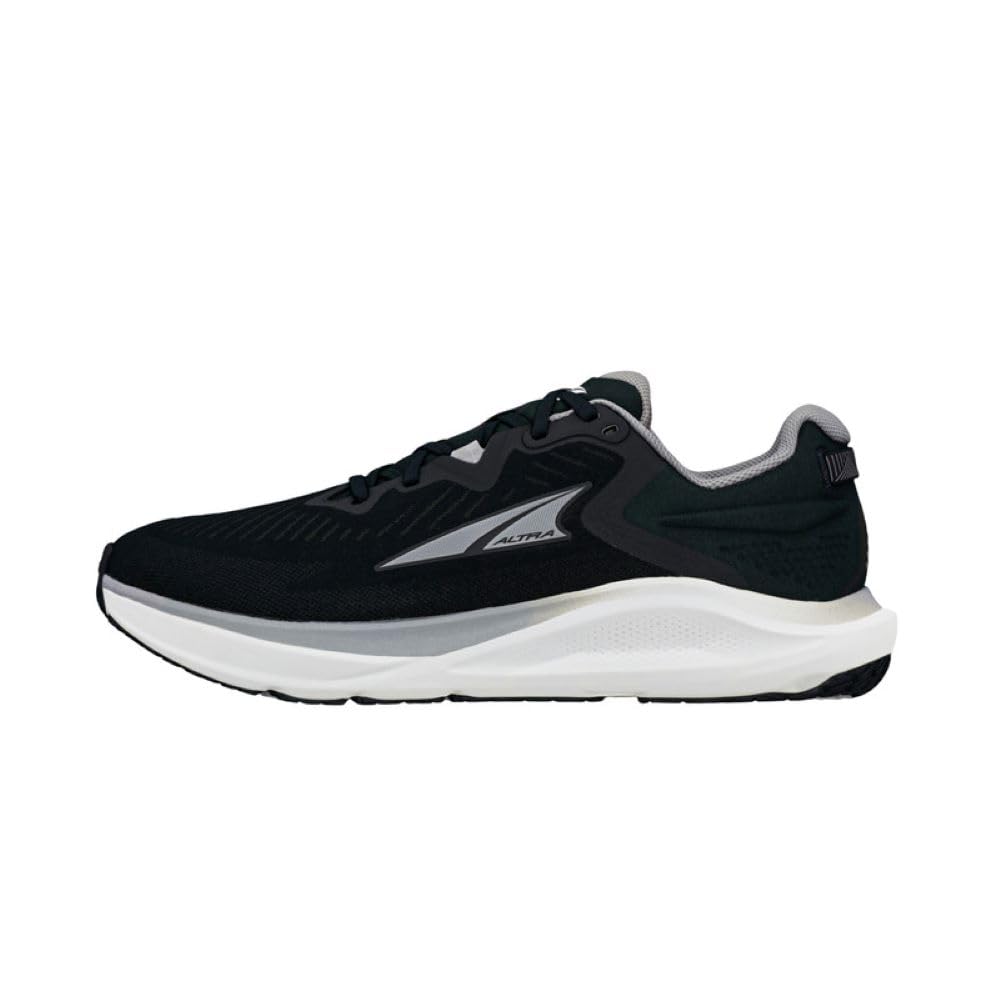

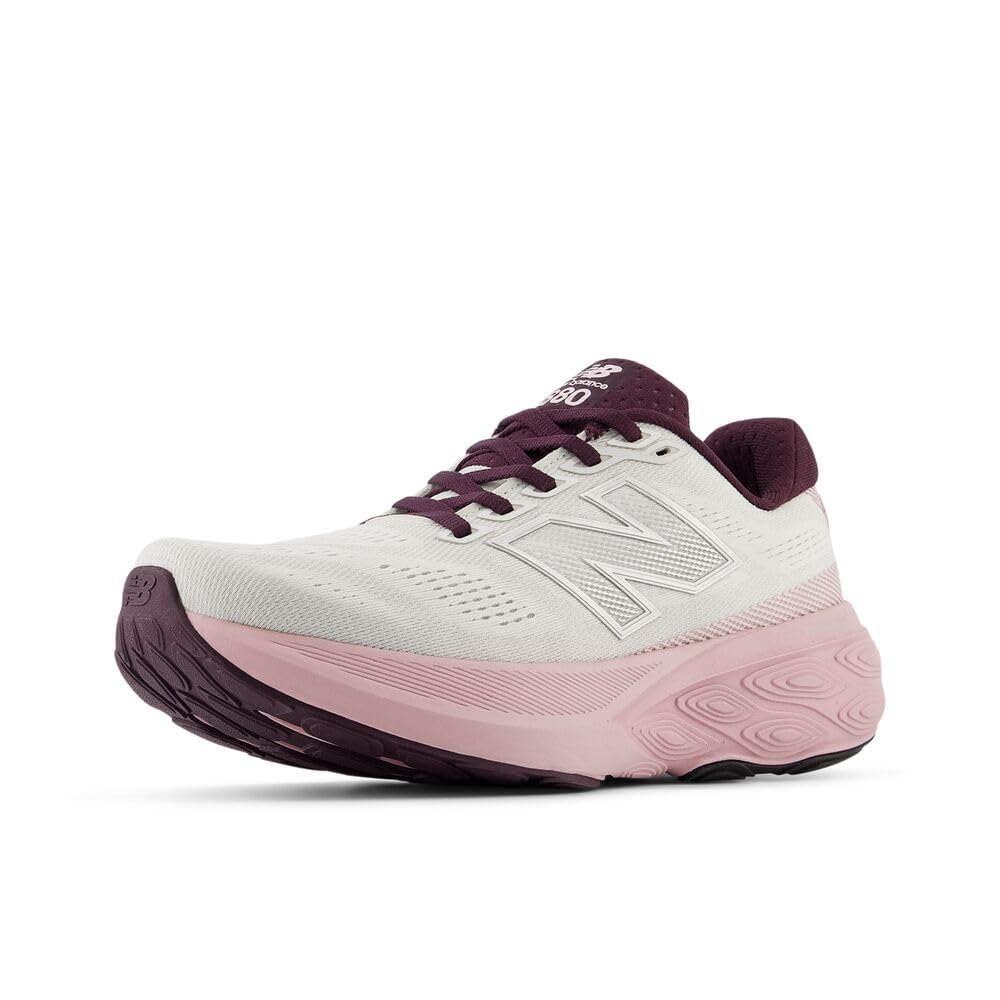
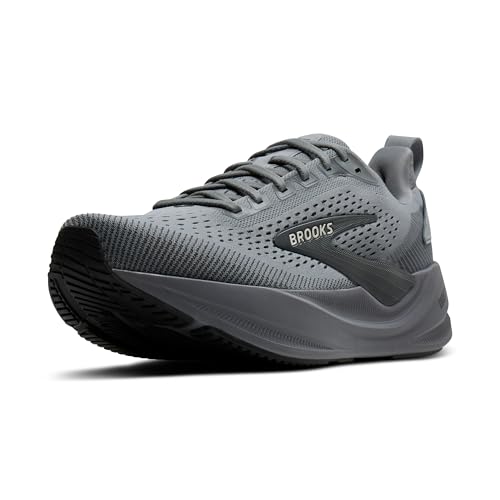
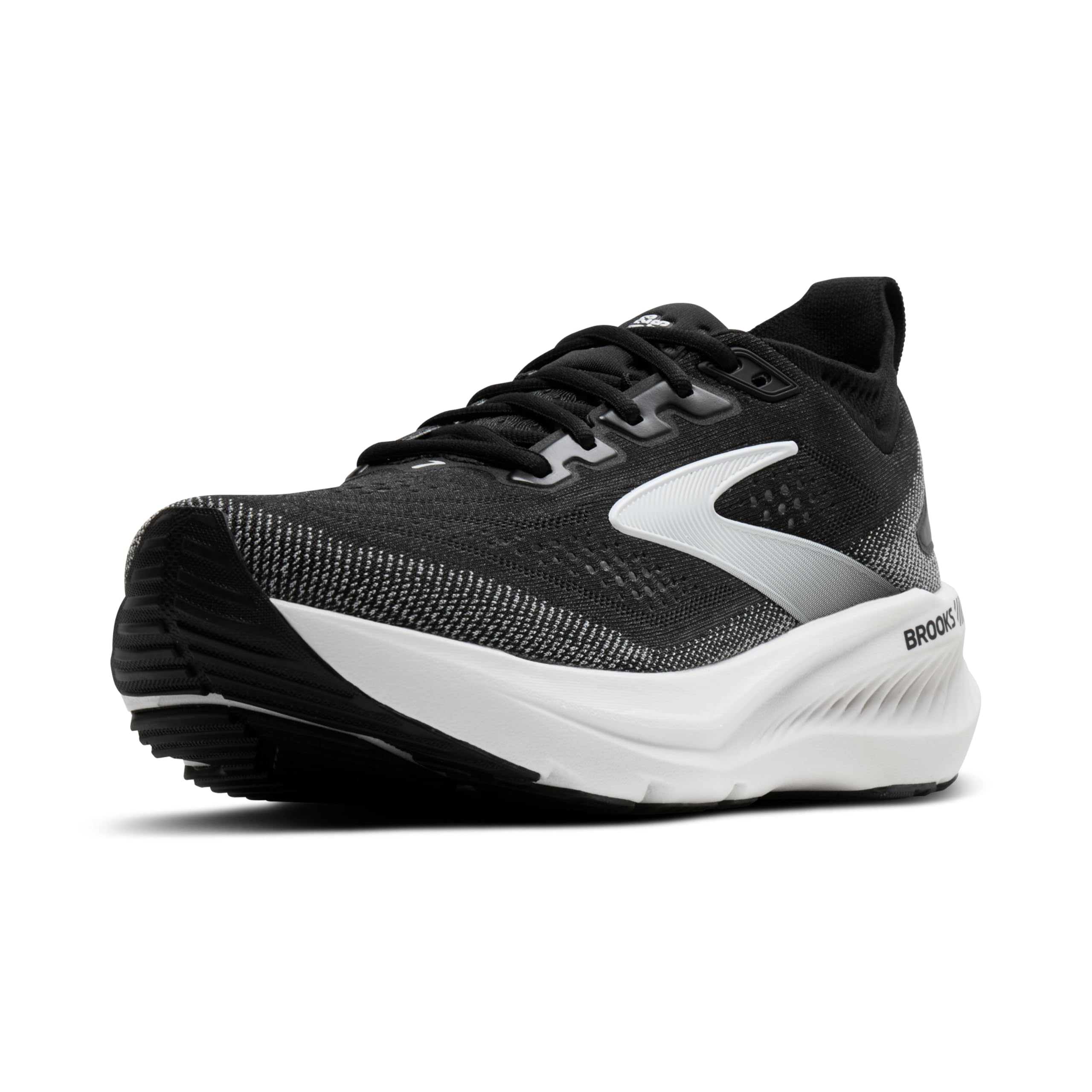
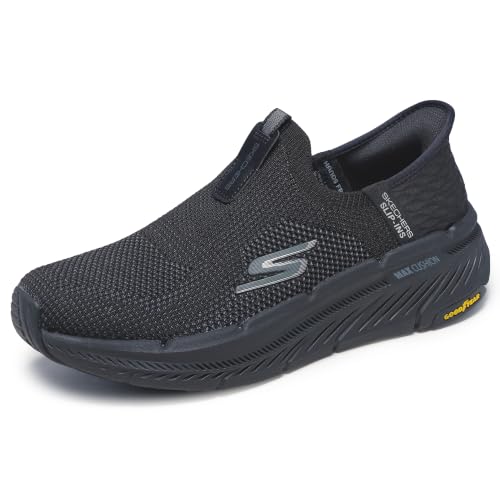
Metatarsalgia is a symptom pattern, not a single diagnosis. Causes can include high impact activity, tight shoes, high arches, foot shape, and conditions that change how weight spreads across the forefoot.
Pay attention to exactly where forefoot pain sits before you shop. Pain under one metatarsal, across the whole ball, or near the toes points to different support needs, and that detail helps you judge cushioning and toe box width.
Features That Ease Forefoot Pressure
Forefoot cushioning is the first priority. Look for soft but supportive padding under the ball of the foot, with a smooth transition that avoids a hard edge under the metatarsals. A metatarsal pad or a shoe designed to offload the forefoot can help, but fit should still feel even, not lumpy.
A roomy toe box matters just as much. Toes that can spread share load more evenly, while a narrow toe box squeezes the forefoot and concentrates pressure. Check width with your usual socks, and walk for several minutes before deciding.
A gentle rocker sole can reduce how hard the forefoot bends during push off. That shape suits many people with forefoot pain, but it should feel natural, not like the shoe is tipping you forward. If it feels unstable, try a milder rocker.
Fit, Support, and Daily Use
Arch support should match your foot type. High arches often need cushioning that fills the midfoot, while flat feet need stability that prevents excessive inward roll. Both patterns change forefoot load, so a shoe that ignores your arch may not help.
For more detail, see our guides to the best shoes for metatarsalgia, the best athletic shoes and the best athletic shoes for overpronation.
Avoid high heels, very thin soles, and hard dress shoes during flare ups. Save those for short occasions, and wear cushioned athletic shoes for daily walking and training while pain settles.
Warning Signs That Need Professional Care
Talk with your clinician if forefoot pain is sharp, persistent, or worsening, if you notice swelling, bruising, or a visible change in toe shape, or if you cannot bear weight comfortably. These signs can point to a stress fracture, joint problem, or nerve issue that needs assessment.
People with diabetes should seek care promptly for any foot pain, redness, blister, or wound, since foot problems can progress quickly. Do not try to tough out new foot pain when you have diabetes or poor circulation.
This guide offers general fit and comfort information only. It does not diagnose metatarsalgia or replace advice from a clinician or foot specialist, who can check foot structure, gait, and footwear needs in person.
Budget, Value, and Mistakes to Avoid
Prices for cushioned athletic shoes commonly range from about $70 to $170. Spending more often buys more durable foam and a better rocker shape, but the best value is the pair that fits your forefoot and feels even on a real walk.
A common mistake is sizing down for a locked in feel, which squeezes the forefoot. Another is choosing a very soft shoe with no structure, which can let the foot collapse and shift load forward. Balance cushioning with stability.
Replace shoes when forefoot cushioning feels thin or the outsole wears unevenly under the ball of the foot. Worn forefoot foam concentrates pressure exactly where you least want it.
A Final Check Before You Order
Stand in finalists and press gently across the forefoot to check pressure distribution. Cushioning should feel even, with no hard ridge under the metatarsals and no sharp edge where the footbed meets the shoe wall.
Check toe box width while standing, since feet spread under weight. A shoe that fits sitting down may pinch standing up. Test shoes with the socks and any metatarsal pads you plan to use, and increase walking distance gradually in new shoes.
Frequently Asked Questions
What is metatarsalgia in simple terms?
Metatarsalgia means pain under the ball of the foot, often described as aching, burning, or feeling like walking on a pebble. It happens when pressure concentrates on the metatarsal heads, and it can flare with high impact activity, tight shoes, or foot shape changes. A clinician can confirm the cause.
Should I choose a wide toe box for metatarsalgia?
Yes, in most cases a roomy toe box helps, because it lets toes spread and shares load across the forefoot. Check width while standing, since feet spread under weight. If the widest part of your foot presses the sides, try a wide width rather than a longer length.
Do rocker soles help forefoot pain?
A gentle rocker can help by reducing how much the forefoot bends at push off, which lowers peak pressure. The rocker should feel smooth and stable, not tippy. If you feel unsteady, choose a milder rocker or a shoe with forefoot cushioning alone.
Can insoles help with metatarsalgia?
Metatarsal pads and cushioned insoles can help by spreading pressure away from sore spots, but they must fit the shoe without crowding toes. Try them during a normal walk first, and ask a foot specialist if pain persists or if you have diabetes or circulation problems.
When should I rest instead of training through pain?
Rest or reduce impact if pain is sharp, swelling appears, or pain changes how you walk. Gentle walking, low impact exercise, and time off high impact training often help flare ups settle. Talk with your clinician if pain returns quickly after rest.
Are soft shoes always better for metatarsalgia?
Not always, since very soft shoes can let the foot collapse and shift load forward. The best balance combines forefoot cushioning with a stable base and a roomy toe box. Test shoes during real walking, and choose the pair that spreads pressure evenly rather than the softest pair available.
Should I avoid barefoot walking with metatarsalgia?
Many people with forefoot pain find barefoot walking on hard floors uncomfortable, since it concentrates pressure without cushioning or support. Soft surfaces and cushioned house shoes usually feel better during flare ups. If barefoot walking feels fine and pain free, short periods on soft ground are reasonable, but stop if pain appears.
Final Thoughts
The best athletic shoes for metatarsalgia should cushion the ball of the foot, give toes room to spread, and support a smooth stride. Those three features matter more than brand or style.
Use the product table above to compare forefoot cushioning and toe box width, then test finalists on a real walk. If pain persists, talk with your clinician about causes and next steps.


