
Best Athletic Shoes for Elliptical 2026 Guide
Disclosure: We may earn a commission when you buy through links on this page, at no extra cost to you. As an Amazon Associate I earn from qualifying purchases. Learn more

Choose athletic shoes for elliptical workouts with the right cushioning, stability, and grip. Learn what matters most for low impact training.
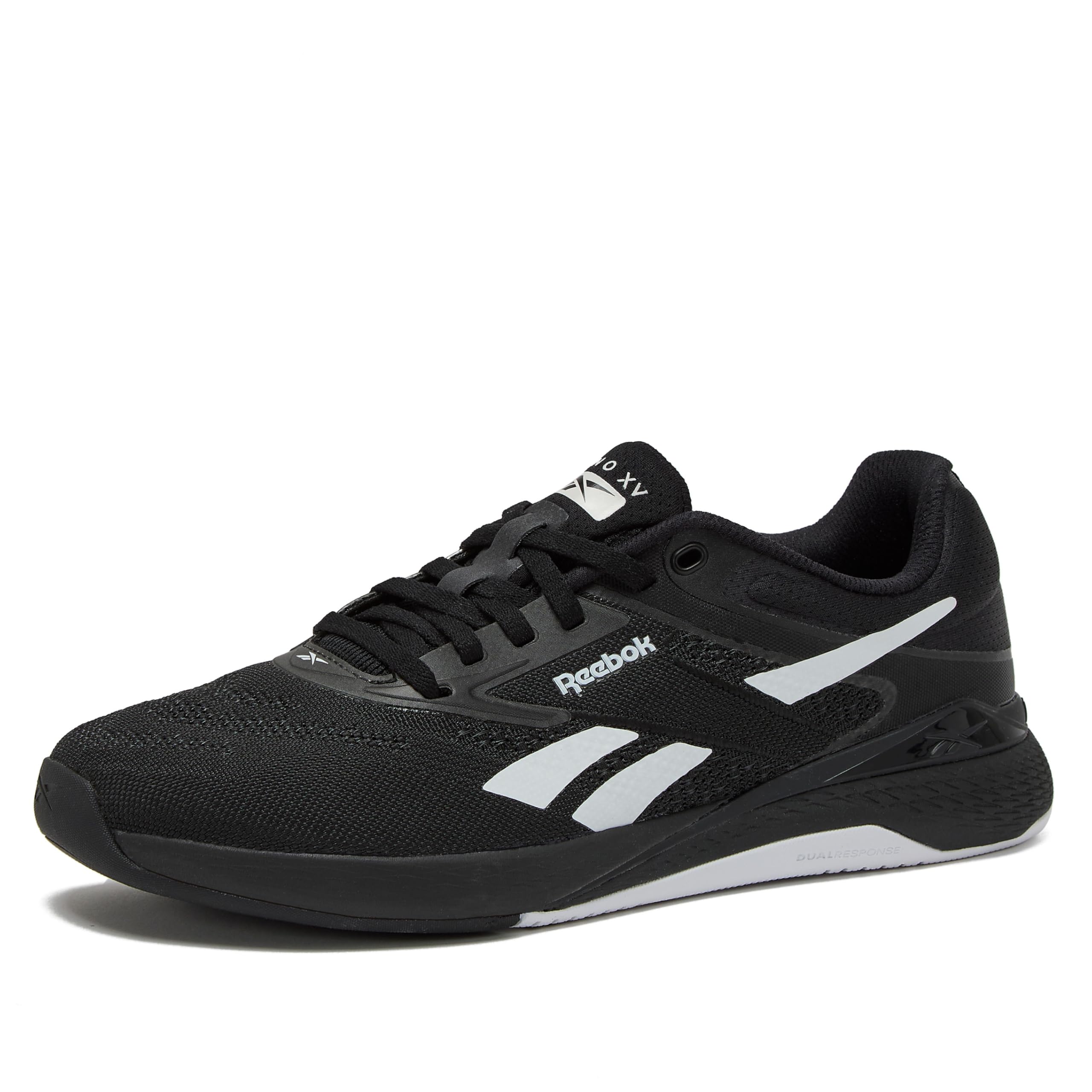
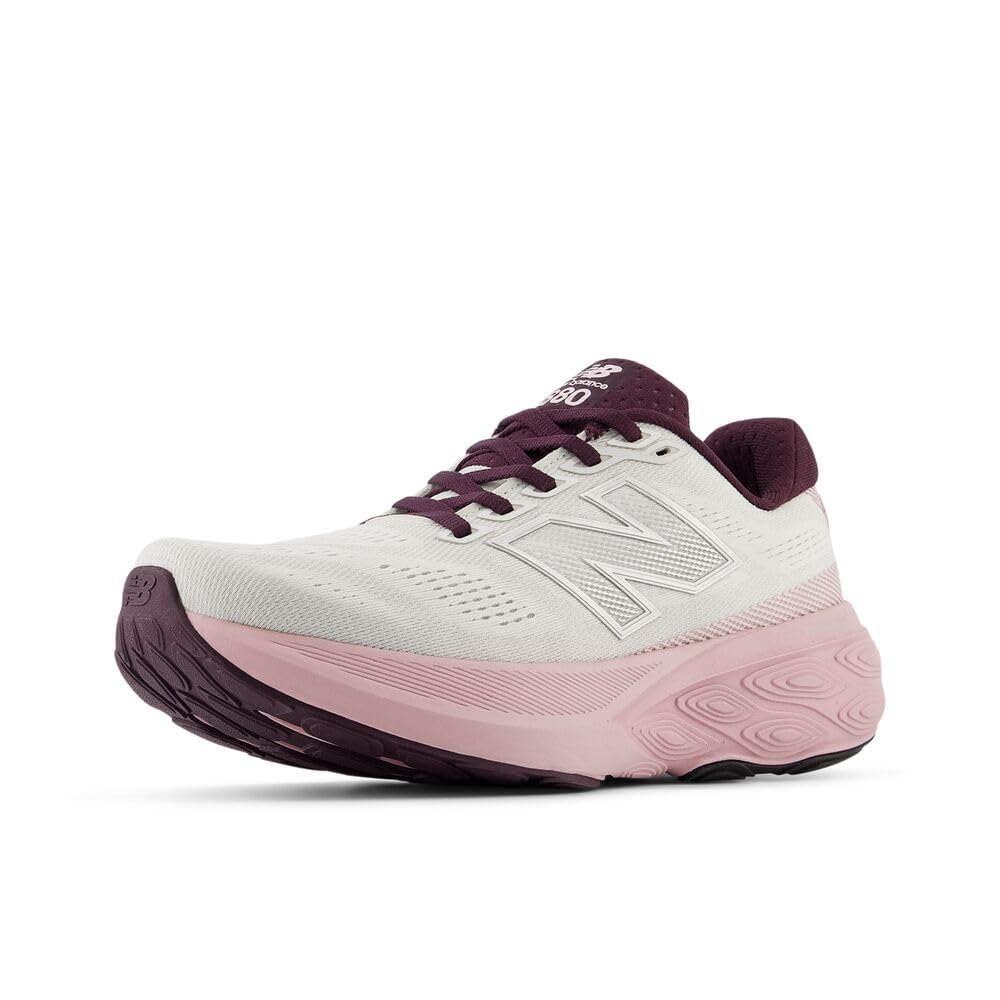
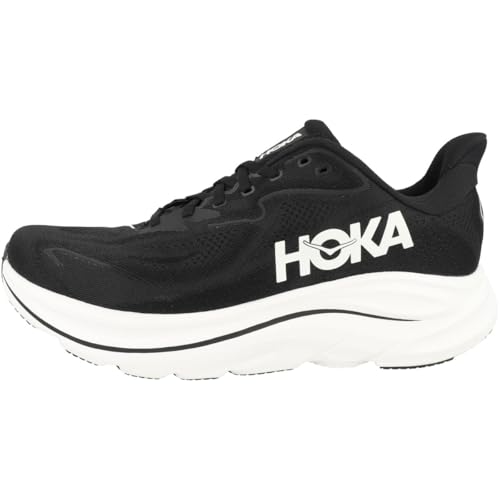
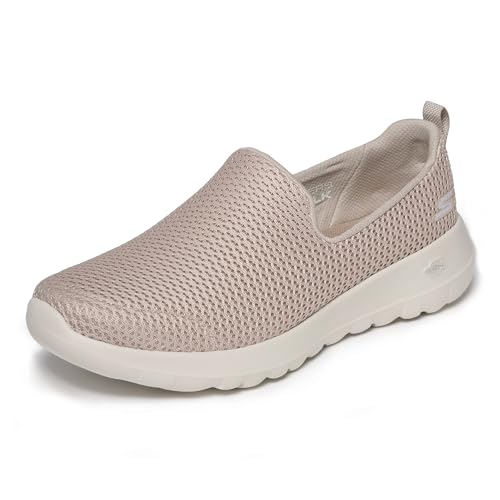
Finding the best athletic shoes for elliptical training starts with how the machine moves your feet. Unlike running, elliptical training keeps your feet on the pedals, so you need stable cushioning and a secure fit rather than aggressive bounce. A shoe that locks the heel in place and supports the arch helps you train longer without foot fatigue.
The product table below lists options, and this guide explains cushioning, stability, and pedal grip in practical terms. Read it before you buy, so your shoes support your workout instead of distracting from it.





Why Elliptical Shoes Differ From Running Shoes
Running shoes are built for impact and forward motion, with thick heel cushioning for foot strikes. Elliptical training has no foot strike, so that same thick heel can feel unstable on a flat pedal. A lower, more stable shoe keeps your foot level and gives better control through each stride.
Elliptical shoes also need lateral stability, since the pedals can encourage slight side to side movement. A firm heel counter and a supportive midsole reduce that sway. You can still use running shoes on an elliptical, but a stable cross trainer often feels more secure, especially during longer sessions.
Cushioning and Arch Support
Cushioning on an elliptical should feel even and supportive rather than soft and sinking. A responsive foam midsole absorbs the steady pressure of pedaling without letting the foot roll inward. If you have flat feet or high arches, a shaped insole or a shoe with built in arch support improves comfort noticeably.
Try shoes on in the afternoon, when feet are slightly larger, and wear your usual workout socks. The arch should feel supported without pressure, and the toes should have room to spread. Discomfort that appears in the first ten minutes usually grows worse over a 45 minute session.
Grip, Pedal Feel, and Fit
The outsole needs enough grip to hold the pedal without sticking. A flat rubber outsole with a moderate tread pattern works well, while deep trail lugs can feel awkward on a smooth pedal. The shoe should also bend naturally at the forefoot, since the elliptical stride flexes the foot gently.
Fit matters most at the heel and midfoot. Laces or a secure strap system should lock the heel down without cutting circulation. A shoe that slips at the heel wastes energy and can cause blisters, so prioritize a snug midfoot over a roomy toe box, while still leaving toe wiggle room.
Breathability and Workout Comfort
Elliptical sessions raise foot temperature, so a breathable mesh upper helps. Ventilation reduces sweat build up, which in turn reduces blister risk and odor. Shoes with moisture wicking linings stay more comfortable during longer workouts and dry faster between sessions.
If you train daily, rotating two pairs extends their life and lets each pair dry fully. That habit also gives you a backup when one pair needs washing. Washable uppers are a bonus, but always air dry shoes rather than using high heat, which can warp the midsole.
Warning Signs and When to Seek Advice
Foot pain that persists after training, numbness, swelling, or pain that changes how you walk deserves attention rather than a new pair of shoes alone. Sharp heel pain, arch pain that worsens, or tingling in the toes can signal an underlying foot issue. Rest, check your fit, and talk with your clinician or a podiatrist if symptoms continue.
Shoes support comfort and alignment, but they do not treat medical conditions. If you have diabetes, poor circulation, or a history of foot problems, seek professional advice before starting a new training routine. A clinician can advise on footwear and training load for your situation.
A Final Check Before You Order
Before ordering, note your foot shape, any arch needs, and how long your typical session lasts. Compare those notes with the product table above, and choose stability and fit over flashy cushioning. A stable shoe that fits securely will make every session feel smoother.
Test new shoes with a short session first, and keep the receipt until you are sure they suit you. Small fit problems grow with time, so do not push through pain hoping the shoe will break in. The right pair should feel supportive from the first workout.
For related footwear, see our guides to best athletic shoes, best shoes for the elliptical, best nike athletic shoes and best athletic shoes for pronation, covering general athletic shoes, elliptical specific fits, and pronation support.
Frequently Asked Questions
Can I use running shoes on an elliptical?
Yes, running shoes work on an elliptical, but a stable cross trainer often feels more secure because it has a lower profile and firmer heel. Thick, soft running shoes can feel wobbly on flat pedals. If you already own running shoes, try them first, and only buy elliptical specific shoes if you notice instability or heel slip.
Do I need special arch support for elliptical training?
Arch support helps on the elliptical because the foot stays planted and bears steady pressure through each stride. A shaped footbed or supportive midsole reduces fatigue, especially for flat feet or high arches. If off the shelf support feels insufficient, a podiatrist can advise on insoles that suit your foot shape.
What sole works best on elliptical pedals?
A flat rubber sole with moderate tread grips pedals well without sticking or feeling lumpy. Deep trail lugs feel awkward on smooth pedals, while a completely smooth sole may slip when sweat builds up. Look for a flexible forefoot so the shoe bends naturally with your stride. A stable cross trainer usually feels more secure than a soft running shoe.
How tight should elliptical shoes fit?
Elliptical shoes should feel snug at the heel and midfoot, with room for toes to spread. A secure heel prevents slipping and blisters, while a cramped toe box causes discomfort over long sessions. Lace them firmly but not so tight that circulation feels restricted, and recheck the fit after warming up.
When should foot pain during elliptical training be checked?
Seek advice if pain persists after training, worsens over days, or changes how you walk. Numbness, swelling, or sharp heel pain also warrant a check. Talk with your clinician or a podiatrist, especially if you have diabetes or circulation problems, since early advice prevents small issues becoming larger ones. A shaped footbed or supportive midsole reduces fatigue on long sessions.
Final Thoughts
The best athletic shoes for elliptical training offer stable cushioning, a locked in heel, and a pedal friendly sole. Use the product table above to compare styles, and let fit guide the final call. If foot pain persists, talk with your clinician rather than training through it.


