
Best Athletic Shoes For Bunions 2026: Buying Guide
Disclosure: We may earn a commission when you buy through links on this page, at no extra cost to you. As an Amazon Associate I earn from qualifying purchases. Learn more

A practical guide to athletic shoes for bunions, covering wide toe boxes, stretch uppers, fit tips and when foot pain needs professional advice.
Living with bunions makes shoe shopping harder, because a narrow toe box can press the joint with every step. The best athletic shoes for bunions give the forefoot room to spread while still supporting the rest of the foot. The product table below lists options, and this guide explains width, upper stretch, and fit in detail.
Bunion pain often worsens in stiff, pointed, or narrow shoes, even if the shoe looks athletic. A wide, soft forefoot and a secure midfoot usually matter more than brand or color. This guide helps you find that combination without sacrificing stability for walking, running, or training.
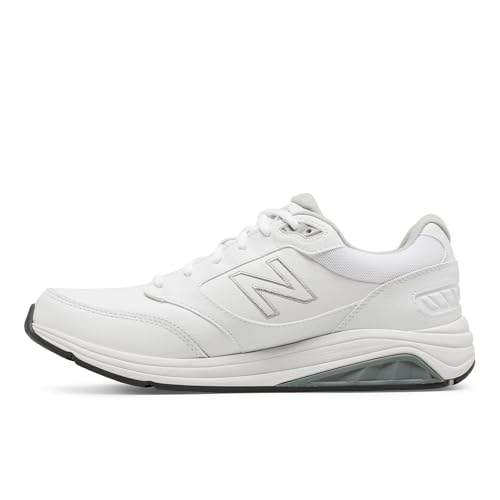
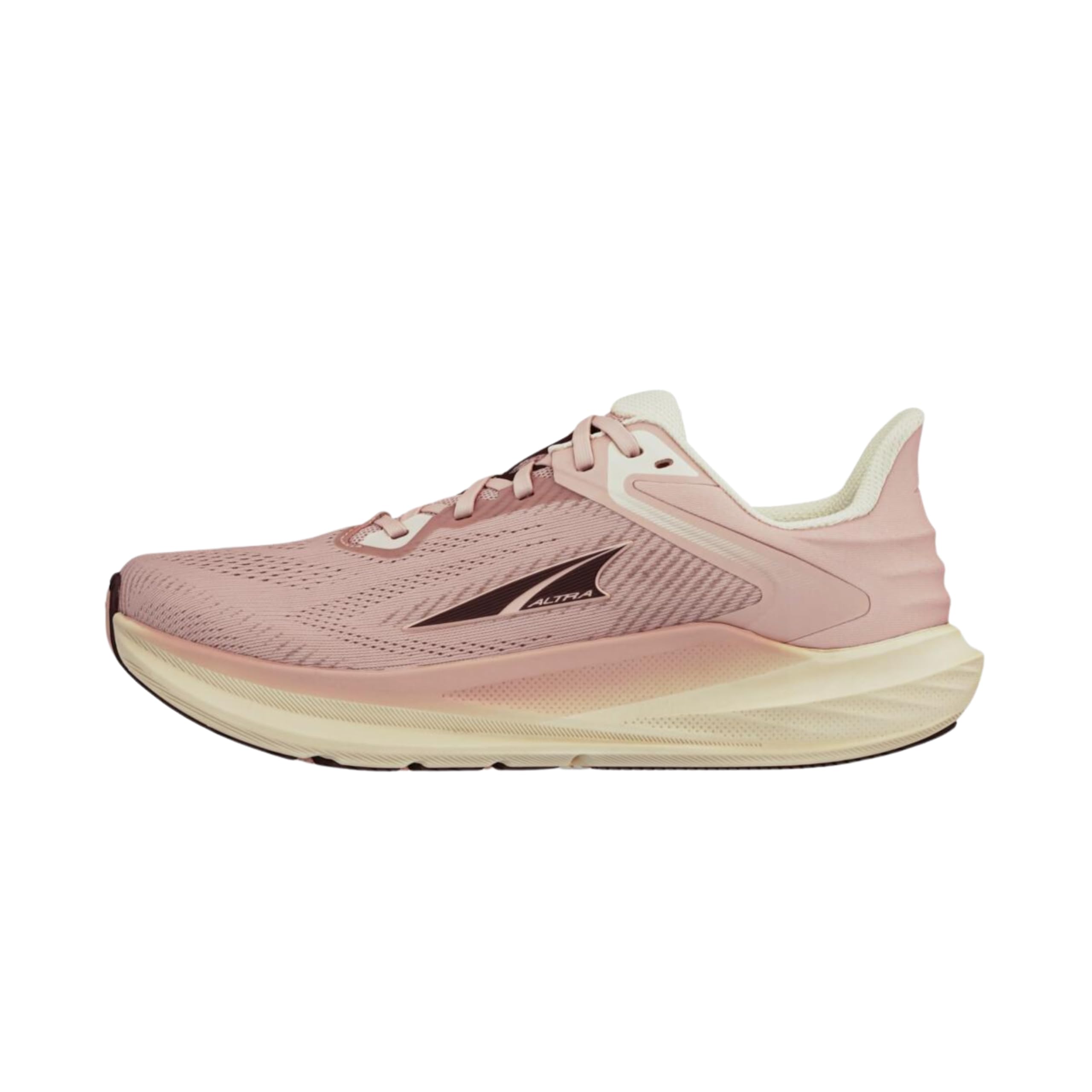
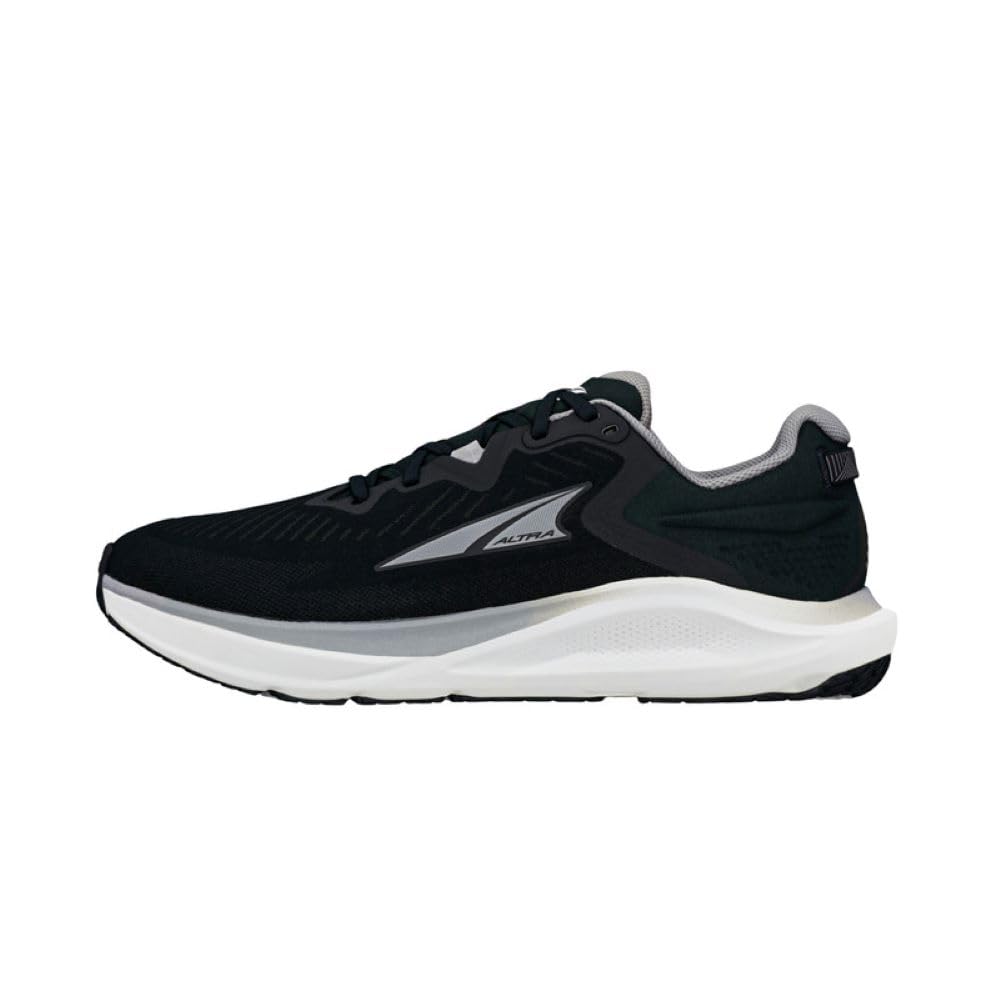

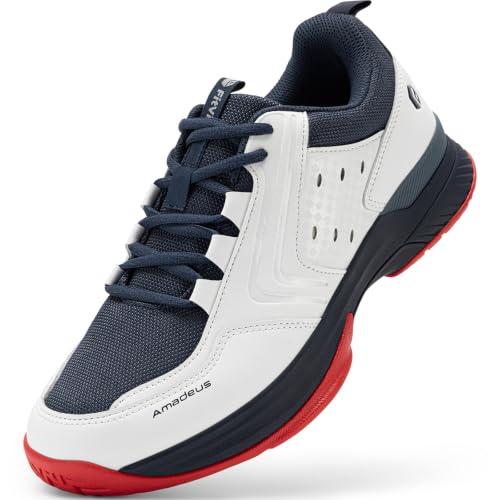
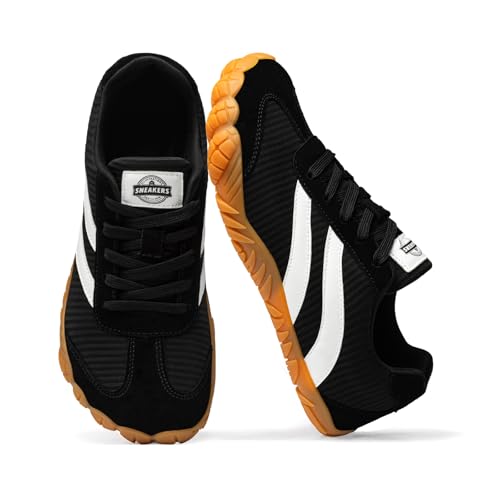

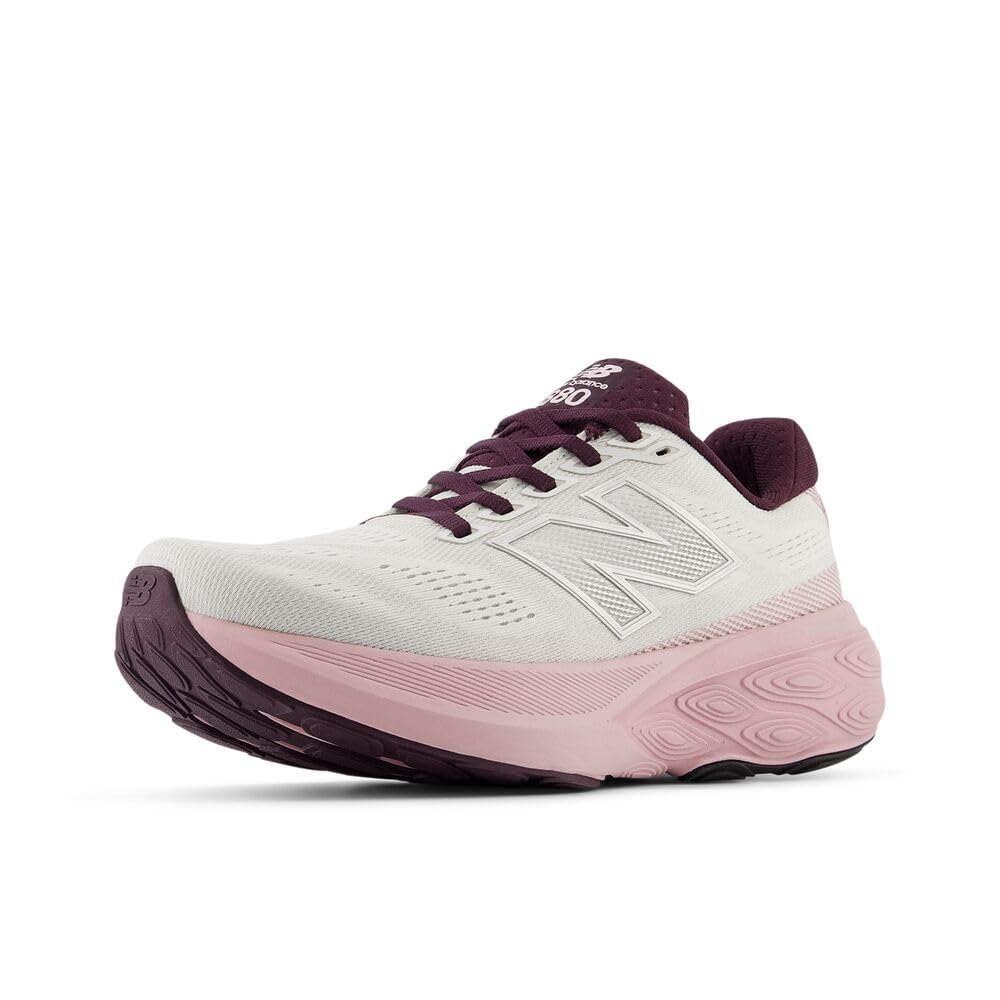


Who Should Buy Best Athletic Shoes For Bunions
These shoes suit people with bunions who want to stay active without forefoot pressure, redness, or blisters. They also suit people with wide feet or a prominent big toe joint who struggle with standard widths. If the joint is severely painful, swollen, or changing shape quickly, seek professional advice alongside better footwear.
Types Compared
A few design choices make the biggest difference for bunion comfort.
Wide Width Athletic Shoes
Wide width models give the forefoot extra room without sizing up in length. They suit most bunion sufferers as a first step, since they ease pressure across the forefoot. Check that the widest part of the shoe lines up with the widest part of your foot, not just the label.
Stretch Upper Shoes
Knit or stretch mesh uppers mold around the bunion area instead of pressing on it. They suit people with a sensitive or prominent joint who need gentle give. Make sure the stretch does not come with a loose heel, since heel slip causes other problems.
Stability Shoes With a Roomy Toe Box
Some stability shoes combine a wide toe box with firmer midfoot support. They suit bunion sufferers who also roll inward or need arch support. The combination helps when bunions come with flat feet or overpronation.
Key Features to Compare
Toe Box Width and Shape
A rounded or square toe box suits bunions far better than a pointed one. Your big toe should sit straight without pressing the side wall, and toes should spread naturally. Try shoes on both feet, since bunions often differ between feet.
Upper Materials and Stretch
Soft, seamless uppers reduce friction over the joint, while stiff leather or hard overlays can rub. Knit and soft mesh adapt to the foot shape over a few wears. Check for seams directly over the bunion, since even a small seam can irritate the area.
Cushioning and Support
Cushioning under the forefoot softens pressure on the joint, while arch support keeps the foot aligned. A balanced shoe avoids both a very flat sole and an overly rigid one. If you use inserts, choose a removable insole model so the insert does not crowd the forefoot.
Fit, Sizing, and Lacing
Measure in the afternoon, buy for the larger foot, and use lacing that eases pressure over the forefoot. Skipping an eyelet over the bunion area or using a wider lacing pattern can help. Walk for several minutes in the shop, since pressure often appears only after the foot warms up.
Warning Signs to Watch
Seek advice for severe or worsening pain, redness and swelling that does not settle, numbness in the big toe, sores or blisters that do not heal, or a joint that changes shape quickly. People with diabetes should seek advice promptly for any foot sore or redness. These signs need professional care, not just wider shoes.
Common Mistakes to Avoid
These common mistakes make bunion pain worse, even in athletic shoes.
- Sizing up in length to gain width, which causes heel slip and new blisters.
- Choosing pointed or tapered toe boxes for the sake of style.
- Ignoring seams or stiff overlays that sit directly over the joint.
- Wearing new shoes for a long run before testing them on short walks.
Everyday Use and Care
Break in new shoes gradually with short walks, and use moleskin or padding if a spot rubs early on. Keep shoes clean and dry, rotate pairs, and check the toe box for wear or stretching over time. Replace shoes when the forefoot support collapses or the upper no longer holds its shape.
The product table above gives a quick side by side view, so use it to shortlist two or three options before you read the details again.
A Final Check Before You Buy
Before you buy, note which foot has the larger bunion and what width has worked before. Try shoes with your usual socks, walk on a hard floor, and check for pressure, redness, or pinching after ten minutes. Keep the receipt until you have done a full length walk, and talk with your clinician if pain persists.
Related Buying Guides
For more detail, see our guides to the best shoes for bunions, the best athletic shoes and the best athletic shoes for overpronation.
Frequently Asked Questions
Should I buy wide or extra wide shoes for bunions?
Start with wide, since extra wide can loosen the heel and midfoot too much. The right width lets toes spread without the foot sliding inside the shoe. If wide still presses the joint, try a stretch upper in wide before moving to extra wide.
Do stretch uppers really help bunions?
Stretch uppers help many people because they mold around the joint instead of pressing a fixed shape against it. They work best when the rest of the shoe still holds the heel and midfoot securely. If the whole shoe stretches too much, support suffers, so balance stretch with structure.
Can athletic shoes fix a bunion?
Athletic shoes cannot straighten a bunion, but the right fit can reduce pain and slow irritation. Shoes manage symptoms, while persistent or severe bunions may need professional assessment. If pain limits daily life despite good footwear, talk to a clinician about options.
What socks help with bunions?
Seamless, cushioned socks reduce friction over the joint and wick moisture during activity. Avoid thick seams across the forefoot, since they add pressure inside the shoe. Try the exact socks you plan to wear when fitting new shoes.
When should I see a clinician about a bunion?
See a clinician for severe pain, swelling that does not settle, numbness, sores that do not heal, or rapid change in joint shape. People with diabetes, poor circulation, or foot numbness should seek advice promptly for any foot problem. Early advice can prevent complications.
Final Thoughts
Give your forefoot room, choose a soft and seamless upper, and keep the heel and midfoot secure. Test shoes on real walks, watch for pressure points, and do not accept a shoe that rubs from the first wear. Chosen carefully, the best athletic shoes for bunions can keep you moving comfortably. Talk with your clinician if pain persists or shows any warning signs above.


