
Best Athletic Golf Shoes 2026: A Practical Buying Guide
Disclosure: We may earn a commission when you buy through links on this page, at no extra cost to you. As an Amazon Associate I earn from qualifying purchases. Learn more

Learn how to choose athletic golf shoes for grip, walking comfort, and wet course conditions, with sizing, traction, and care advice for every round.
Best athletic golf shoes blend sneaker comfort with course ready traction, so you can walk the full round without sore feet or slipping on damp grass. The product table below lists options side by side, which makes it easier to match a shoe to your swing, your gait, and the courses you play most often.
An athletic golf shoe should feel stable at address, flexible through the swing, and cushioned enough for several miles of walking. This guide explains traction patterns, waterproofing, fit, and care, so you can choose with confidence and avoid paying for features you will never use.


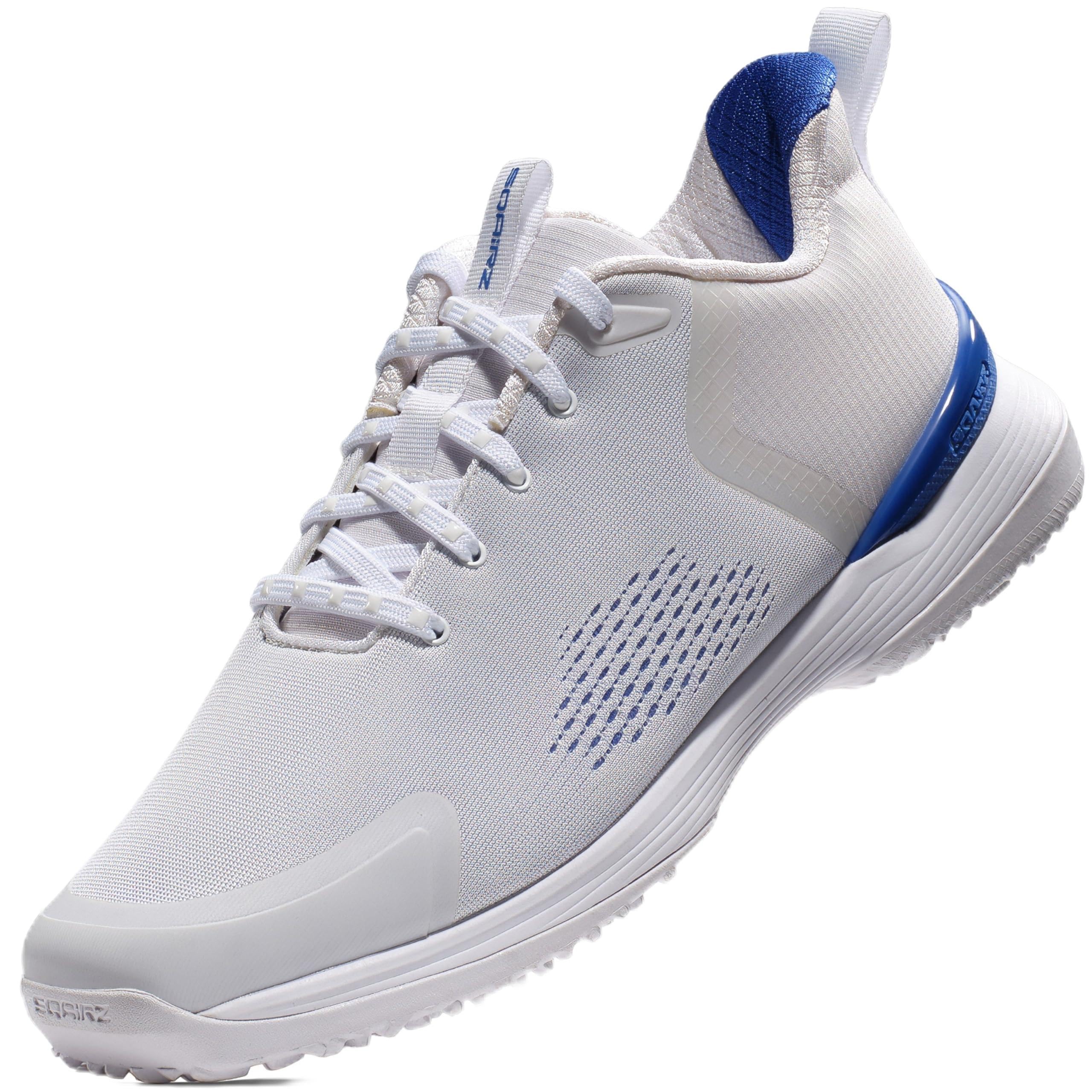


Who Should Buy Athletic Golf Shoes
Walkers benefit most from this style, because the sneaker like build keeps weight down and cushioning generous over a long round. Players who ride in a cart for most holes can still enjoy the comfort, but they may prefer a firmer shoe if they want maximum lateral support during the swing.
Beginners often find athletic golf shoes more forgiving than traditional stiff leather models, since the softer upper breaks in faster and the fit feels familiar from day one. Experienced players who value ground feel should still check stability features, because a very soft shoe can let the foot roll during an aggressive swing.
Traction and Course Grip
Spikeless outsoles use molded lugs and small traction nubs to grip turf, and they work well on firm fairways, practice ranges, and clubhouse floors. Replaceable soft spikes dig deeper on wet or hilly courses, so they suit early morning rounds and regions with frequent rain.
Look at lug depth and spacing rather than lug count alone, because widely spaced lugs shed mud while dense patterns grip short dry grass better. A shoe that grips well in both directions, forward for walking and sideways for the swing, will feel planted without feeling locked to the ground.
Comfort for Walking the Full Round
Cushioning should protect the heel and forefoot without making the shoe feel tall or tippy, especially on sidehill lies where balance matters. A roomy toe box lets toes spread naturally, which reduces hot spots and blisters during the back nine.
Weight matters more than many golfers expect, since an extra few ounces per shoe adds up over thousands of steps. Try shoes late in the day when feet are slightly swollen, and walk on a hard floor for several minutes to judge heel slip and forefoot pressure before deciding.
Comparing Related Options
If you already own comfortable trainers, a guide to best athletic shoes can help you compare cushioning and support across sports, while best looking golf shoes covers style choices for players who want a smarter look off the course. Brand focused shoppers can check best nike athletic shoes for that maker range, and best men's golf shoes rounds out the wider category. Players with inward rolling feet should also read best athletic shoes for pronation before choosing a stability level.
Compare any shortlisted shoe against your current pair on three points: grip on wet grass, comfort after two hours, and support during the swing. A shoe that wins on all three is a better buy than one that only looks good or only feels soft in the store.
Water Protection and Care
Waterproof membranes keep feet dry in morning dew and light rain, but they also reduce airflow, so hot climate players may prefer water resistant uppers with better ventilation. Sealed seams and gusseted tongues matter as much as the membrane, because water often enters through the lace area first.
After a wet round, remove the insoles, stuff the shoes with newspaper, and let them dry at room temperature away from direct heat. Clean mud from lugs with a soft brush so traction stays effective, and reapply a suitable protector spray when water stops beading on the surface.
Fit, Sizing and Break In
Golf shoe sizing varies between makers, so measure both feet and fit the larger one, leaving about a thumb width of space ahead of the longest toe. The heel should feel snug without lifting, and the midfoot should feel held without pressure across the top of the foot.
Break shoes in with short practice sessions before a full round, and wear the socks you plan to golf in. If a pressure point appears in the first hour, it is unlikely to disappear, so exchange the size or try a wider last rather than hoping the shoe will stretch enough.
Swing Stability and Foot Support
Stability during the swing separates a good golf shoe from a mere comfortable trainer, since the feet must resist rotation while the body turns. Look for a firm heel counter, a supportive midfoot shank, and a slightly wider base that keeps the foot planted through impact. Shoes that roll outward during the downswing cost both power and accuracy, so test lateral support by shifting weight side to side in the store.
Arch support should match your foot type rather than following a generic insole shape. Flat feet need structured support to prevent inward collapse, while high arches benefit from cushioning that fills the gap under the midfoot. Removable insoles let you swap in custom orthotics, which many regular golfers already use for daily comfort.
Try the shoes with a practice swing, not just a walk, since swing forces reveal support problems that walking hides. A shoe that feels soft and pleasant on a flat floor may still twist under rotational load. Choose the pair that stays stable when you mimic your full swing tempo.
Playing in Different Conditions
Early morning dew, afternoon heat, and sudden showers each demand different shoe qualities, so think about your typical tee times before buying. Dew players need water protection and deep lugs, while afternoon players in hot climates need ventilation and light weight above all else.
Course terrain also matters: hilly courses reward aggressive traction and ankle stability, while flat parkland courses let lighter shoes shine. If you play several course types, choose a versatile spikeless model with solid lugs rather than a highly specialized shoe that excels on only one surface.
Seasonal rotation helps too, since one pair for summer and one for wet winter golf extends the life of both. Rotating pairs also lets shoes dry fully between rounds, which protects cushioning and prevents odor buildup over a long season.
Getting the Best Value
Price does not always predict golf shoe satisfaction, since fit and traction matter more than premium materials for most players. Mid priced models from established golf brands often match expensive pairs on comfort and grip, differing mainly in leather quality and styling details.
Watch for end of season sales and previous year models, which frequently offer the same construction at a lower price. The technology in golf shoes changes slowly, so last season design rarely means worse performance for a casual or mid handicap player.
Set a budget that includes socks and care products, since good golf socks reduce blisters and protector spray extends water resistance. A complete setup that costs slightly more but lasts two seasons beats a cheap pair replaced every few months.
Frequently Asked Questions
Do athletic golf shoes work on wet courses?
Athletic golf shoes can work well on wet courses if the outsole has deep lugs or replaceable soft spikes and the upper has real water protection. Spikeless models suit light dew and firm ground, while soft spikes grip better on soaked slopes and muddy tee areas. Check that the tongue is gusseted and the seams are sealed, since water often enters through the lace area. Dry shoes fully between rounds so the cushioning and grip last longer.
Are spikeless shoes allowed on every course?
Most courses allow spikeless shoes, and many actually prefer them because they cause less damage to greens and clubhouse floors. A few traditional clubs still ask for soft spikes or specific sole types, so check the dress code before a visit. When in doubt, bring a second pair or call the pro shop ahead of time. This simple check avoids an awkward change of plans on arrival day.
How long should golf shoes last?
A regularly used pair often lasts one to two seasons of weekly play, depending on walking distance, course conditions, and care. Traction wears first on hard paths and cart paths, so rotate shoes if you play several times a week. Replace them when lugs look smooth, cushioning feels flat, or water starts soaking through. Good drying and cleaning habits can add months of useful life.
Should I buy waterproof golf shoes?
Waterproof shoes are worth it if you play morning rounds, live in a wet climate, or often face dew covered fairways. They keep socks dry and reduce blister risk, though they run warmer than ventilated models. Hot climate players may prefer water resistant shoes with mesh panels for airflow. Match the protection level to your local weather rather than buying maximum sealing by default.
Can I wear athletic golf shoes off the course?
Many spikeless athletic golf shoes look and feel like trainers, so they work for the driving range, the clubhouse, and light walking afterward. Models with soft spikes should stay on the course, since spikes wear quickly on pavement and can feel awkward indoors. Check the sole before wearing any golf shoe on delicate floors, and keep a separate pair for daily use if you play often.
Final Thoughts
Choose best athletic golf shoes by balancing grip, walking comfort, and water protection for the courses you actually play. The product table above gives a useful starting point, but fit and traction on your own feet matter more than any single feature. Take time to try sizes, walk in them, and pick the pair you will enjoy wearing for the full round.


