Best At Home Office Chairs of 2026: Complete Buying Guide
Disclosure: We may earn a commission when you buy through links on this page, at no extra cost to you. As an Amazon Associate I earn from qualifying purchases. Learn more

Shopping for the best at home office chairs? Compare seat height, lumbar support, materials, and budgets to find a comfortable fit for your room.
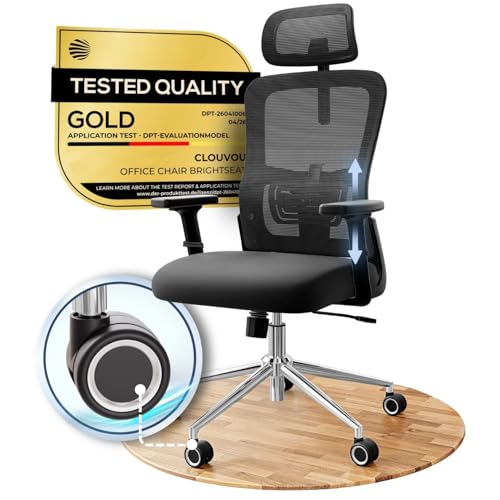
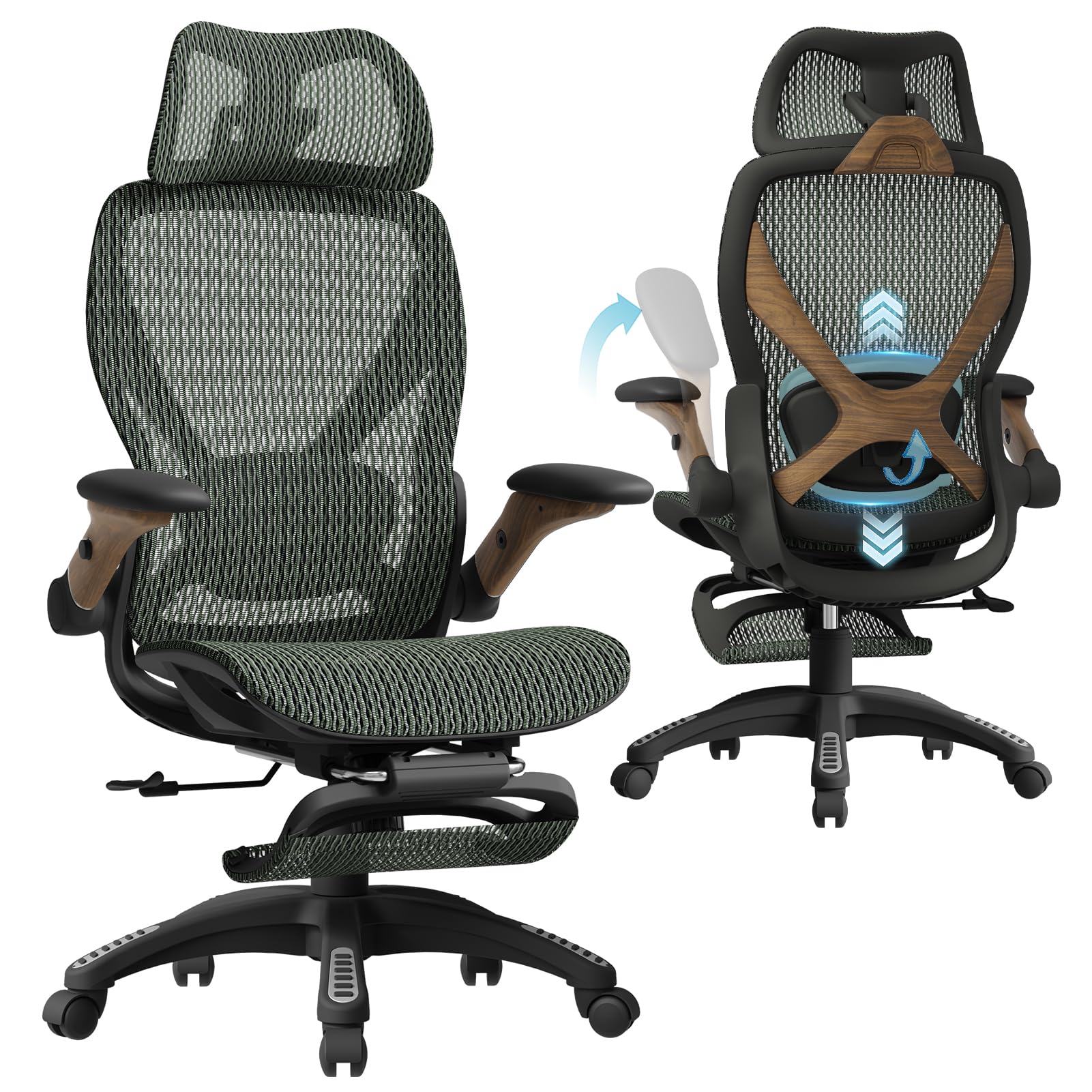
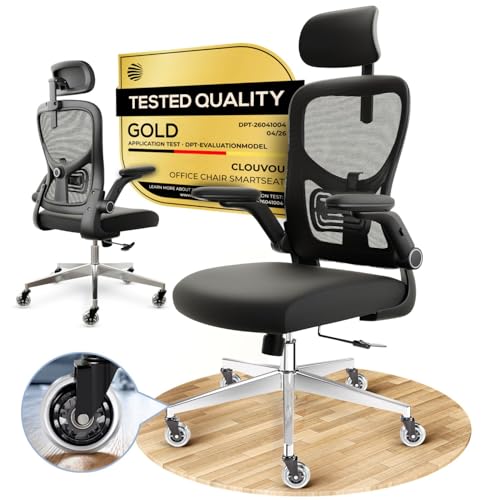
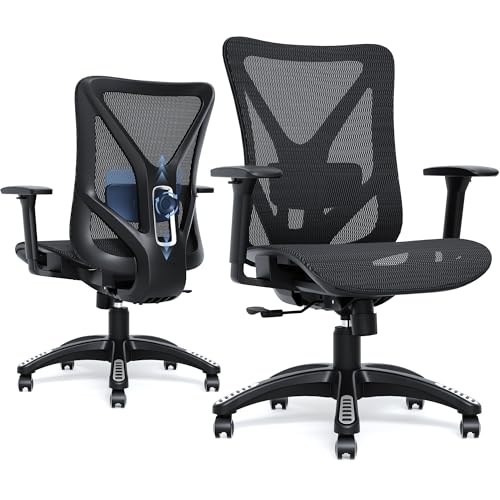
Working from a spare bedroom, a living room corner, or a shared family space is very different from working in a company office, and that is why choosing best at home office chairs takes more thought than picking the first good looking seat. Your chair has to fit your body, your desk, and your room, and it has to stay comfortable through long days without taking over the house. The product table below gives a quick side by side view of options, so you can narrow the field before you read the detail.
This guide covers who benefits from each type, the features that matter most at home, spending guidance by budget, care tips, and answers to common questions about size, lifespan, and value.
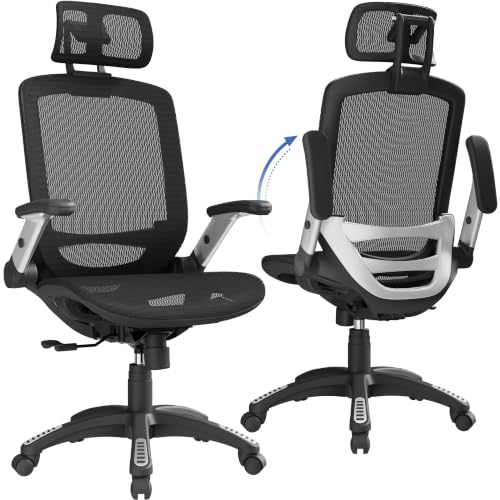

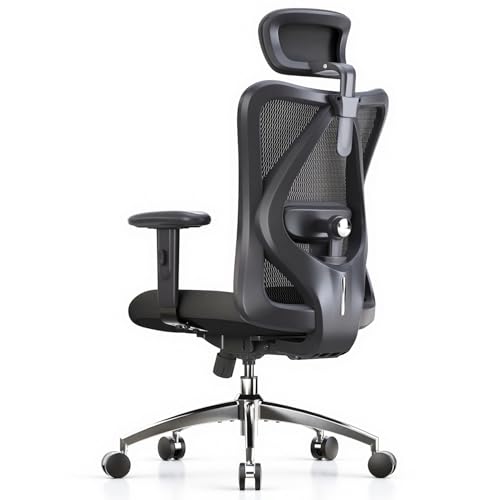
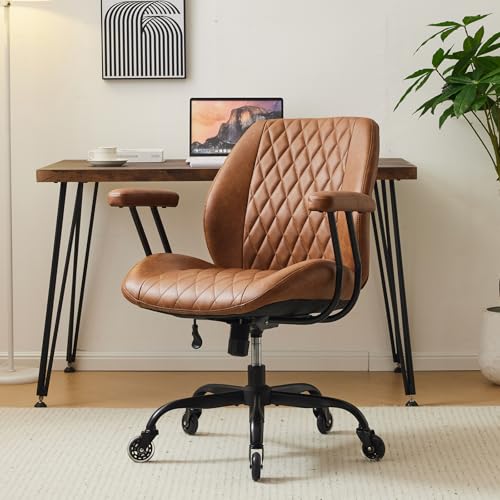

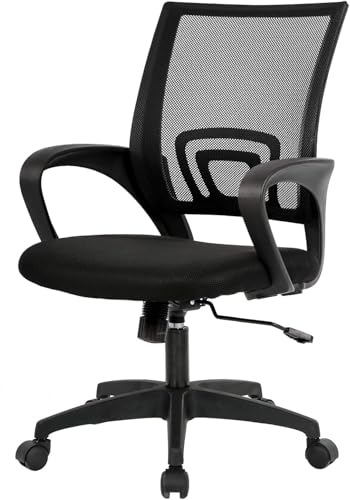
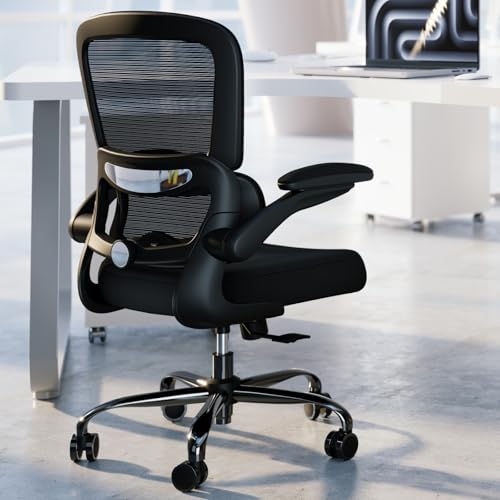
How to Choose the Best At Home Office Chairs for Your Work Style
Home workers are not one group, so start with how and where you actually work. A chair that suits a dedicated home office may feel bulky in a small apartment, while a slim chair that suits a corner desk may feel thin after eight hours at a screen.
Full Time Remote Workers in a Dedicated Room
If you work from home all day in a room set aside for work, comfort and adjustability should come first. Look for a seat height range that lets your feet rest flat, a back that supports the natural curve of your lower back, and armrests you can set so your shoulders stay relaxed. A chair with a sturdy base and a smooth tilt lock will hold up to daily use, and a breathable back can help on warm days. Because the room is yours, you can choose a larger chair with a wider seat and a higher back without worrying about how it looks in a living space.
People Working in Shared or Multipurpose Rooms
If your desk sits in a living room, bedroom, or dining area, the chair also has to live well with the rest of the room. A compact frame, a tidy silhouette, and a color that blends with your furniture matter more here, because the chair stays visible after work ends. Casters that roll smoothly on your floor type help you tuck the chair away, and a lighter chair is easier to move when the room changes use. Comfort still matters, but you may trade a very large seat for a slimmer profile that fits the space.
Part Time and Occasional Home Workers
If you work from home a few hours a week, or you share the desk with other family members, flexibility matters most. A chair with simple height and tilt controls is easier for different people to adjust, and a midrange seat depth suits a wider range of body sizes. You may not need every adjustment, but you should still avoid a chair with no lumbar support or a seat so hard that short sessions feel tiring. A durable frame matters here too, since shared chairs get adjusted more often.
What to Spend at Each Budget Level
Budget chairs, usually about $100 to $250, can work well for shorter days and smaller spaces. Expect basic height adjustment, a simple tilt, and a mesh or fabric seat, and check the weight capacity and base quality closely, since those are the first places low cost chairs cut corners. Midrange chairs, about $250 to $500, usually add better lumbar support, more armrest adjustment, a stronger gas lift, and denser foam that holds its shape longer. Higher priced chairs, about $500 and up, tend to offer finer adjustments, stronger frames, and upholstery that stands up to years of daily use. Spend more when you sit all day, and save when your sessions are short and your space is tight.
Key Features to Compare
Ergonomics and Adjustability
Seat height should let your feet rest flat on the floor with your knees near a right angle, and your elbows should rest near desk height without lifting your shoulders. Lumbar support should meet the curve of your lower back rather than pushing you forward, and a tilt lock lets you set a comfortable recline for reading or calls. Armrests that move up, down, and inward help you keep your wrists neutral, and a headrest helps only if it meets the back of your head without forcing your neck forward. Check the range of each adjustment, not just whether it exists, because a small range may not fit your body.
Size, Dimensions, and Weight Capacity
Measure your desk height, your available floor space, and the width of the spot where the chair will sit before you order. Seat width and depth matter as much as overall height, since a seat that is too deep can press behind your knees, while a seat that is too narrow can feel cramped. Check the stated weight capacity and the base material, and leave room for the chair to roll back and turn without hitting walls or furniture. If you are tall or short, pay close attention to the minimum and maximum seat height, because a chair built for an average height may not adjust far enough for you.
Style and Room Fit
A home chair is part of your living space, so color, shape, and material should suit the room where it will sit. Dark mesh and simple frames blend into most rooms, while leather or bold colors can suit a dedicated office but stand out in a shared space. Consider how the chair looks from behind, since that is the view most people see when they enter the room, and check whether the casters suit hard floors or carpet. A chair that looks right in the room is one you will be happier keeping.
Build Quality and Frame
A steel frame and a class 4 gas lift are good signs of a chair built for daily use, while a five star base spreads weight and rolls more steadily than a four leg base. Check that bolts and joints feel solid and that the tilt mechanism moves smoothly without play or creaking. A well built chair should feel stable when you lean back and when you sit on the edge of the seat, and it should not wobble when you roll. Build quality matters more at home than in an office, because home chairs often get moved, adjusted, and used by more than one person.
Materials and Upholstery
Mesh backs breathe well and suit warm rooms, while fabric seats feel warmer and softer in cool rooms. PU leather wipes clean easily and suits a tidy office look, but it can feel warm in summer and may show wear sooner than fabric in heavy use. Real wood accents suit a traditional room, while MDF panels keep costs down but need protection from moisture. Choose the material for your climate, your cleaning habits, and how many hours you sit, rather than for looks alone, and check that seams and stitching feel even and firm.
Comfort and Cushioning
High density foam holds its shape better than soft foam, which can flatten after months of daily sitting, and a seat with a slight waterfall front edge reduces pressure behind your thighs. A seat that is too soft may feel pleasant for an hour and tiring after four, while a seat that is too firm may feel hard from the start. Comfort also depends on fit, so a chair with the right seat depth and back height will feel better than a thicker cushion on a poorly sized frame. If you sit for long stretches, give extra weight to foam quality and lumbar support, and take breaks to stand and move, since no chair replaces movement.
Types of Home Office Chairs
Premium and Executive Models
Premium and executive chairs offer larger seats, taller backs, and finer adjustments, and they suit dedicated home offices where the chair stays in one place. They use stronger frames and richer upholstery, but they take more floor space and cost more, so they suit full time workers better than occasional users.
Compact and Space Saving Models
Compact chairs suit small rooms, corner desks, and shared spaces, because they tuck under desks and leave more floor clear. They usually have slimmer seats and simpler adjustments, so check seat depth and lumbar support closely, and make sure the smaller frame still supports your weight and height.
Ergonomic Models
Ergonomic chairs focus on adjustability, with seat height, lumbar support, armrests, and tilt that you can tune to your body. They suit people who sit for long hours, but the benefit depends on taking time to set each control, so read the adjustment guide and set the chair to your measurements rather than leaving it at factory settings.
Budget Models
Budget chairs suit short sessions, guest desks, and tight budgets, and many offer a mesh back and basic height adjustment at a low price. They may use thinner foam and simpler bases, so check weight capacity, base quality, and warranty closely, and expect to replace them sooner than a midrange chair under daily use.
Picking the Right Home Office Chair for Different Uses
Best Home Office Chairs for Gaming
Gaming sessions at home call for a chair that supports long, focused sitting with good lumbar support, a seat that does not flatten quickly, and armrests that stay comfortable when you lean forward or recline. Look for a sturdy base, a smooth tilt lock for breaks between games, and upholstery that breathes during long sessions. A chair built for gaming use at home should also fit your desk height and room, since a very large gaming style chair can crowd a small space.
Best Home Office Chairs for Comfort
When comfort is the priority, focus on seat depth, foam density, lumbar support, and a back that follows your posture through the day. A seat with a gentle front edge, armrests that support your forearms without lifting your shoulders, and a tilt that lets you shift position all add up to less fatigue. Comfort also improves when the chair fits your body, so measure seat height and depth before you buy, and see a doctor if you have persistent or worsening back or neck pain, numbness, or weakness, since a chair alone cannot treat those problems.
Care and Maintenance Tips
- Adjust seat height so feet rest flat: set the height each time you move the chair, and recheck it after anyone else uses the desk, since a small change can affect posture.
- Tighten bolts every few months: check armrests, base, and back joints, and tighten any loose fasteners before they wear the threads.
- Vacuum or wipe upholstery regularly: remove dust from mesh and fabric, and wipe spills promptly so stains do not set.
- Keep leather out of direct sunlight: move the chair away from strong sun, since heat and light can dry and crack leather over time.
- Clean casters when rolling feels rough: remove hair and dust from the wheels, since buildup can scratch floors and strain the base.
At Home Office Chairs: Your Questions Answered
How Do I Choose the Right Size At Home Office Chair?
Start with your desk height and your body measurements, then compare them with the chair seat height range, seat width, and seat depth. Your feet should rest flat on the floor, your knees should sit near a right angle, and there should be a small gap between the seat front and the back of your knees. Measure the floor space around the desk too, so the chair can roll and turn freely, and remember that a chair that fits a tall person may not adjust low enough for a shorter person.
How Long Should a Good At Home Office Chair Last?
A well built home office chair often lasts about five to ten years under daily use, while a budget chair may last two to four years before foam, casters, or the gas lift wear out. Lifespan depends on hours of use, weight, how often the chair is adjusted, and how well it is maintained. Tightening bolts, cleaning casters, and keeping upholstery out of harsh sun can extend life, and a chair that creaks, sinks, or wobbles is a sign that key parts are wearing out.
What Features Matter Most for Long Hours?
For long hours, adjustable seat height, lumbar support, and armrest position matter most, followed by foam quality and a back that supports you as you shift position. A tilt lock helps you vary posture through the day, and breathable upholstery helps on warm days. A headrest helps some people and distracts others, so treat it as a bonus rather than a must have, and take regular breaks to stand, stretch, and move.
Is an Expensive At Home Office Chair Worth It?
An expensive chair is worth it when you sit for most of the day, need a wide adjustment range, or want a frame and foam that hold up for many years. For short or occasional use, a midrange chair often gives most of the comfort at a lower price, and the money saved can go toward a better desk or monitor position. Compare the adjustment range, weight capacity, and warranty rather than the price tag alone, and choose the chair that fits your body and your hours.
Can I Use a Home Office Chair on Carpet and Hard Floors?
Most home office chairs work on both surfaces, but casters matter, since hard floor casters roll easily on wood and tile, while carpet casters need a wider wheel to roll smoothly on thick pile. A chair mat can protect hard floors and help a chair roll on carpet, but it should lie flat and stay clear of doorways. Check the caster type before you buy, and clean the wheels regularly, since dust and hair affect rolling on every surface.
Final Thoughts
Seat height range, lumbar support, and room fit are the three choices that shape daily comfort most, followed by build quality and foam that hold up over time. Match the chair to your hours, your body, and your room, and use the product table above to compare options side by side before you decide. The right choice is the one that fits your space, supports your posture, and still feels good at the end of a long day, and that is the real measure of best at home office chairs.
If you work from home, you may also want to compare best home office chairs for a broader view of chair types. For a simpler task seat, see our guide to best office task chairs. If your desk sits in a shared room, best desk chairs for home office covers compact options in more detail, and best ergonomic home office chairs goes deeper on adjustability. Shoppers on a tight budget can also check best affordable home office chairs for lower cost options.