Best Affordable Home Office Chairs: Types Compared and How to Choose 2026
Disclosure: We may earn a commission when you buy through links on this page, at no extra cost to you. As an Amazon Associate I earn from qualifying purchases. Learn more
Compare the best affordable home office chairs by type, price and build, with honest notes on materials, adjustments and what a tight budget can really buy.
Shopping for a home office chair on a budget gets confusing fast, because dozens of styles promise all day comfort at prices that seem too good to question. This guide compares the main types side by side so you can see what each one gives up and what it does well. The best affordable home office chairs tend to share a few traits: honest materials, adjustments that match your body, and a frame that stays tight after a year of daily use. The comparison table below lays out the types before the detail that follows.
One point deserves plain words before any prices appear. A chair supports sitting comfort only. It does not correct your posture, and it does not treat back or neck pain. If pain keeps returning, that is a question for a clinician, not for a chair listing. What a good budget chair can do is fit your frame and hold up to daily use without wobbling or squeaking.
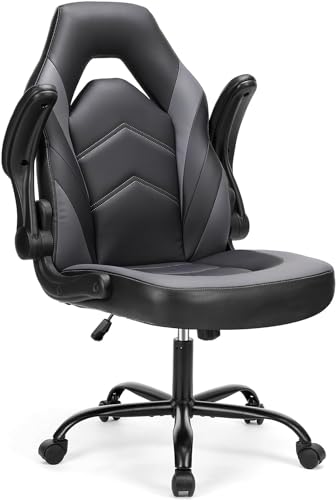

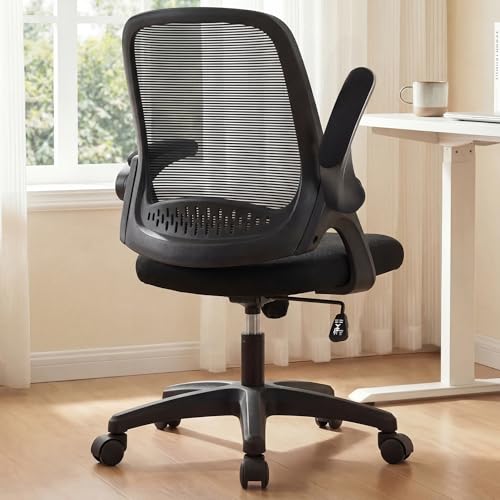
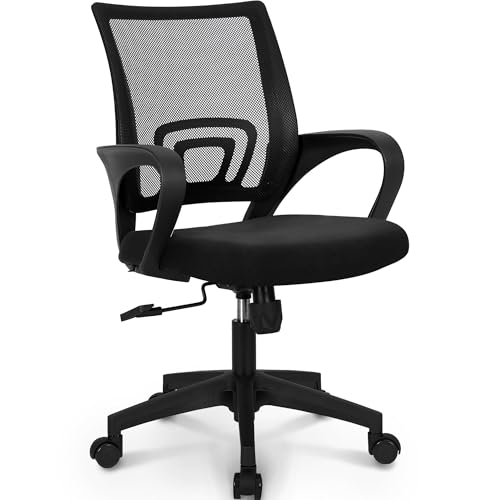

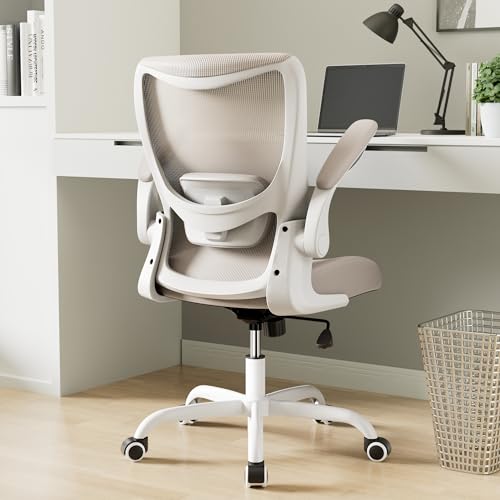
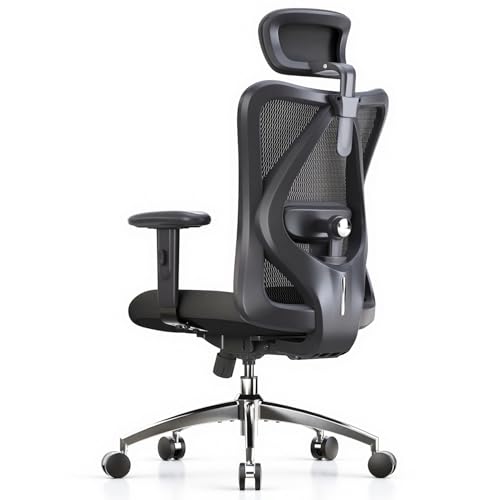
Best Affordable Home Office Chairs Compared by Type
Nearly every listing at this price level falls into one of three groups, and the groups differ more in build than in looks. Readers who want the wider field first can start with our guide to best home office chairs, which covers every price band. The table below sums up the three types, and the sections after it explain where each one earns its money.
| Type | Best For | Pros | Cons | Typical Price |
|---|---|---|---|---|
| Budget models | Light daily use and spare rooms | Lowest cost, simple assembly | Thin padding, fewer adjustments | about $60 to $120 |
| Premium executive models | Long daily hours and larger bodies | Thick foam, strong frames, wide seats | Higher cost, bulky in small rooms | about $180 to $300 |
| Compact space saving models | Small rooms and shared spaces | Slim profile, fits tight desks | Narrow seats, limited recline | about $70 to $150 |
Budget Models
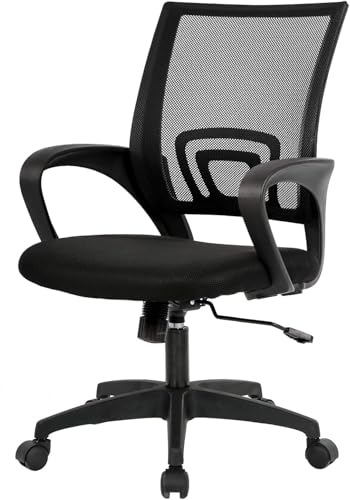
Budget models keep the price down with thinner foam, lighter frames and a short list of adjustments, usually seat height and a simple tilt. Most are task style chairs with a mesh or fabric back and a five-point base on casters. For a few hours of email, homework or calls each day, that formula works well enough, and assembly rarely takes more than half an hour.
The trade shows up over time. Foam compresses sooner, armrests are often fixed in place, and the gas lift is the part most likely to fail first. Shoppers comparing best office task chairs will see the same pattern: the chair is fine for light duty, as long as you know the padding has a shorter working life than the frame around it.
Premium Executive Models
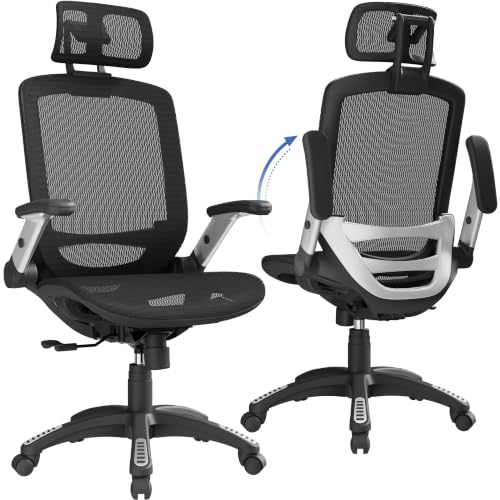
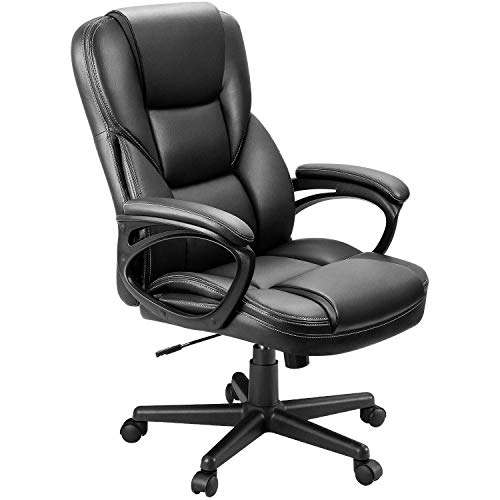
Premium executive models spend the extra money on things you can feel: denser foam, a wider and deeper seat, a steel or reinforced frame, and a higher weight capacity. Bonded leather and padded armrests are common in this group, and the recline usually has a tension control and a tilt lock instead of a single loose lean. For people who sit eight hours or more, the thicker seat alone can justify the step up.
The cost is size as much as money. These chairs are heavy, wide and tall, and a high back model can crowd a small room or refuse to slide under a low desk. Measure the room before you fall for the padding.
Compact and Space Saving Models
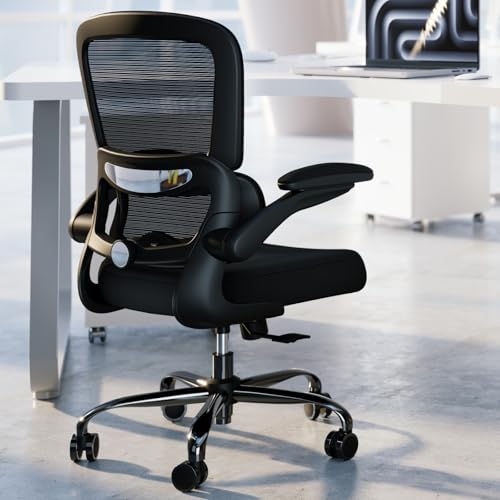
A home office chair is a room purchase before it is a features purchase. The doorway it must pass through, the desk it must slide under and the floor it rolls on decide the fit long before the feature list does. Compact models are built for that reality: slimmer seats, lower backs, arms that fold up or come off, and a smaller footprint on the floor.
The compromise is room to move. Narrow seats suit smaller bodies, and taller or broader sitters often find the edges pressing within an hour. Compare the models in our guide to best desk chairs for home office setups, where the chair has to disappear when the workday ends.
Budget Models vs Premium Executive Models: Which Should You Choose?
Set side by side, the two groups split on four points. Padding comes first: budget foam is thinner and flattens sooner, while premium foam stays supportive longer. Frame and capacity come second, since premium models use more metal and carry higher weight ratings.
Adjustments come third, because the budget group rarely offers more than height and tilt, while premium models add tension control, locking positions and movable arms. Size runs the other way, with budget and compact models winning tight rooms.
Your hours decide the answer. If you sit for short stretches between other tasks, a budget model covers the need and leaves money for a better desk or lamp. If the chair is your full time seat, the premium group earns its price through foam and frame life rather than through looks. Either way, judge the picks in the product table against your room and your hours, not against the longest feature list.
How to Choose the Right Home Office Chair
Warranty and Return Policy
Read the warranty by parts, not by the headline number. Frame and gas lift coverage matter most, because those are the expensive failures, while fabric and foam often carry a much shorter term. Keep the return window in mind as well, since a chair that feels fine for ten minutes in a showroom pose can disappoint after a full week of work.
What You Can Realistically Get on a Budget
Around $100 to $180, expect a mesh or fabric chair with seat height adjustment, a basic tilt with a lock, and fixed or flip up arms. Lumbar support is usually a fixed curve in the backrest rather than a part you can move. What you cannot fairly expect is dense foam, a metal base and four way armrests all at once, so choose which two matter and let the third go.
The place not to save is the seat itself, because thin foam is the complaint that ends most budget purchases. Guides to best affordable ergonomic office chairs make the same point from the ergonomic side: at this price, one honest adjustment done well beats five flimsy ones.
Materials and Upholstery
Mesh backs breathe and suit warm rooms, and they hold their shape well, but they offer little padding. Fabric cushions feel softer and grip clothing, though they stain more easily and need regular vacuuming. Bonded leather looks smart at first and can peel within a couple of years, while simple woven fabric usually outlasts it at this price. Underneath, plywood and reinforced plastic shells are common, and solid construction matters more than the surface you see in photos.
Ergonomics and Adjustability
Start with seat height, so your feet rest flat and your knees sit near a right angle. Check seat depth next: you want a small gap behind your knees when your back touches the backrest. Lumbar support should meet the curve of your lower back without pushing you forward, and armrests should let your shoulders relax instead of shrugging up. Our guide to best ergonomic home office chairs goes deeper on each fitting step.
One habit matters more than any single adjustment. Movement breaks are the larger half of desk comfort, because no chair makes eight still hours comfortable. Stand up, walk and stretch for a few minutes each hour, and let the chair do the smaller half of the job while you sit.
Best Home Office Chairs for Specific Needs
Best Affordable Home Office Chairs for Study: Which Type Works Best
Study sessions differ from office work in three ways. Students sit in shorter, intense blocks, often at smaller desks in shared rooms, and they lean forward over books and laptops more than office workers do. A compact or budget task model with an upright back and a firm seat suits that pattern better than a deep executive chair built for reclining. Look for a seat that is not so soft that you sink, arms that fold away when you pull close to the desk, and casters that roll quietly on hard floors so late study does not disturb the house.
Care and Maintenance Tips
Most budget chair failures are maintenance failures. Retighten the bolts under the seat and arms every few months, because daily rolling loosens them and the wobble that follows wears the joints out. Vacuum fabric and mesh weekly, and wipe bonded leather with a damp cloth.
Clear hair and grit from the casters so they roll instead of dragging. If the gas lift starts to sink, replace the cylinder rather than the whole chair, since it is a standard part. Keep the chair out of direct sunlight, which fades fabric and dries out leather surfaces.
Home Office Chair Questions Answered
Is an expensive home office chair worth it?
It can be, but only when the extra money buys foam density, frame strength and a longer warranty rather than styling. A chair around $250 usually lasts years longer than one around $80, so the cost per year often favors the pricier seat for full time workers. For part time use, the gap shrinks, and a mid priced model with a good return policy is often the smarter buy.
What features matter most for long hours in a home office chair?
Seat foam quality and seat depth matter most, followed by a backrest that meets your lower back without forcing it. Adjustable height is essential, while movable armrests help if your desk height is fixed. One point buyers miss: a chair that fits in the morning can feel wrong by evening if the foam softens with body heat, so favor dense foam over plush first impressions.
How do I choose the right size home office chair?
Measure your desk height and the space the chair must roll in, then compare seat width and depth with your own body. Your feet should rest flat with the seat at its lowest setting if you are shorter, and taller sitters should check that the seat rises high enough for their knees. Also check the doorway and any tight corners, because assembled chairs are wider than the box they came in.
How long should a good home office chair last?
A budget model in daily use typically lasts about two to four years before the foam or gas lift gives out, while a premium model can serve five to eight years. The spread depends on body weight, hours per day and simple upkeep like tightening bolts. When the seat bottoms out against the base or the lift sinks daily, replacement parts or a new chair are due.
Final Thoughts
The right pick starts with your room and your hours, then moves to type, foam and frame. Budget models serve light use honestly, premium executive models repay full time sitting, and compact models solve the space problem that feature lists ignore. Use the product table to check the types against your measurements, and choose from the best affordable home office chairs with realistic expectations about what the price can buy.