Best Armless Desk Chairs for 2026: Budget Guide
Disclosure: We may earn a commission when you buy through links on this page, at no extra cost to you. As an Amazon Associate I earn from qualifying purchases. Learn more

The best armless desk chairs fit tight desks and small rooms. See what each price level buys and which features matter.
Choosing best armless desk chairs starts with a simple question: what does the missing armrest buy you, and what does it cost you in comfort? Without arms, a chair slides easily under a desk, fits narrow rooms, and lets you sit close to your work. The trade off is that your shoulders and forearms get less resting support, so seat shape, back support, and height adjustment matter even more. Use the product table to weigh those trade offs side by side.
Prices for armless chairs vary widely, and the most expensive option is not automatically the best fit for your desk. This guide explains what each price level typically delivers, which features are worth paying for, and which ones you can skip. By the end, you should be able to match a chair to your room, your body, and your daily hours at the desk.





Spending Levels at a Glance
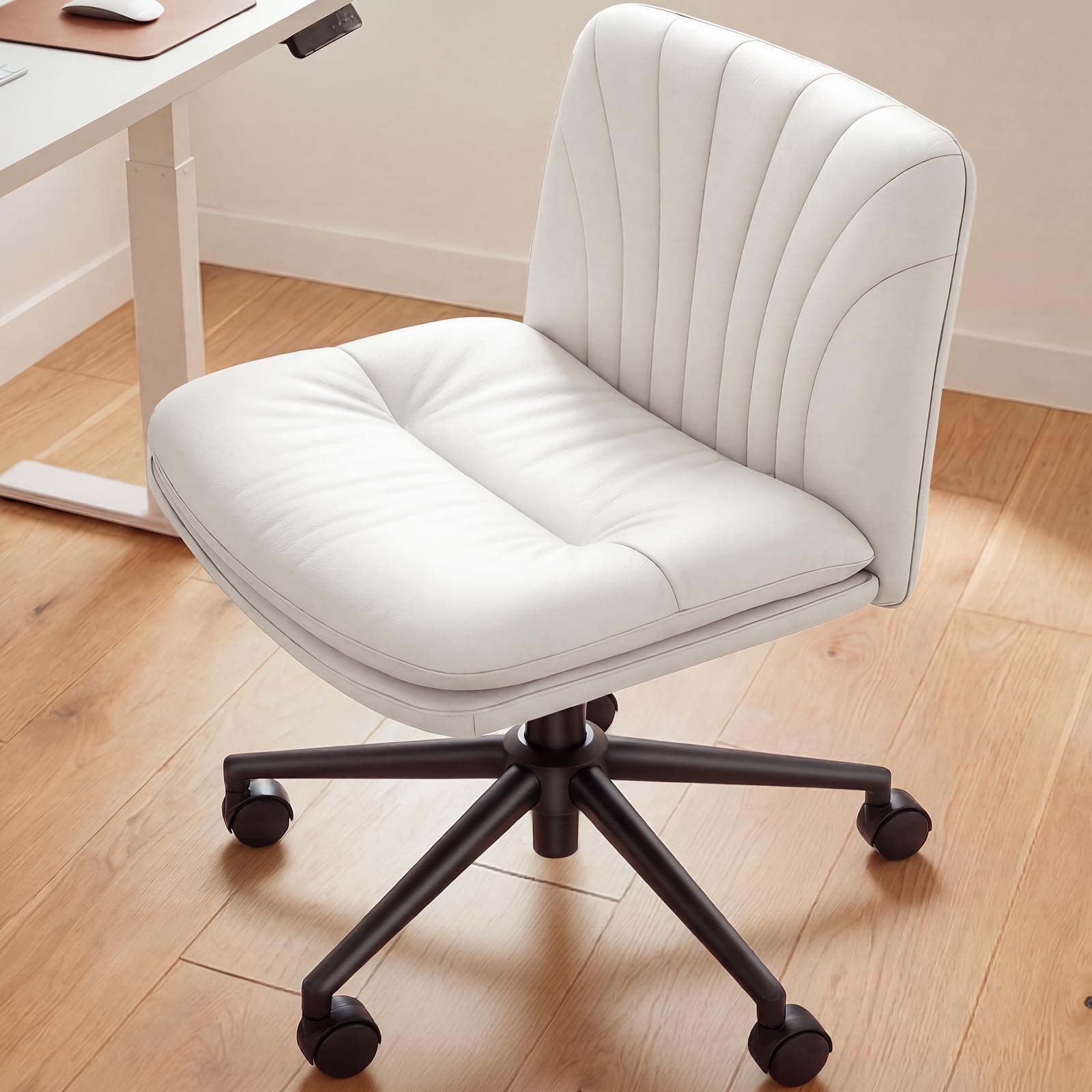
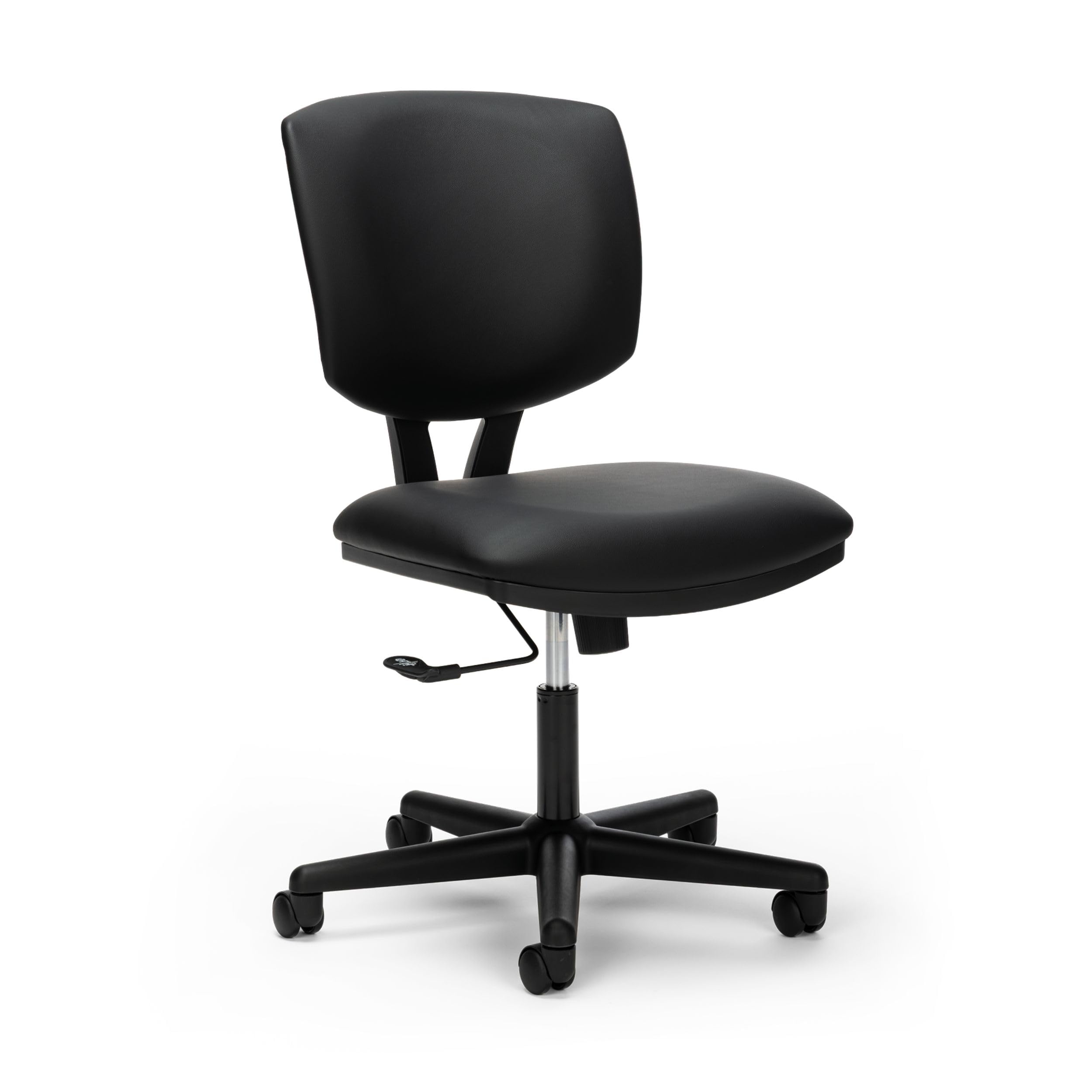
At the budget level, usually about $60 to $120, expect a simple armless chair with basic height adjustment, a foam seat, and a fixed back. These chairs suit short sessions and spare rooms well, but the foam may flatten sooner and the back support is often minimal. The midrange level, often about $120 to $250, usually adds better foam density, a shaped back with lumbar support, and smoother height and tilt controls. Above that range, premium armless chairs tend to offer sturdier frames, higher quality mesh or upholstery, finer adjustment, and longer warranties. For most people who sit four or more hours a day, the midrange level is where comfort improves most for the money.
What Your Money Gets You at Each Price Tier
Budget Level: The Basics Done Well
Budget armless chairs cover the essentials: a stable base, a seat you can raise and lower, and a back that keeps you upright. Look for a seat wide enough for your hips, a back tall enough to reach your shoulder blades, and casters that roll smoothly on your floor type. Skip chairs with very thin foam or wobbly bases, since those flaws show up fast with daily use. A budget chair is a smart pick for a guest desk, a homework station, or a second workspace.
Midrange Level: Comfort That Lasts Longer
Midrange armless chairs improve the parts you touch every day: denser seat foam that holds its shape, a contoured back with real lumbar support, and controls that adjust without a struggle. Many add a tilt lock, so you can set a comfortable recline angle and hold it, plus a breathable mesh back that stays cooler during long sessions. This level suits home offices and shared workspaces, where the chair sees daily use and several people may adjust it. If you sit long hours, this is usually the level where paying more genuinely pays off.
Premium Level: Sturdier Build and Finer Adjustment
Premium armless chairs focus on build quality and fine tuning: stronger frames, higher rated gas lifts, smoother casters, and adjustments measured in small, useful steps rather than rough jumps. Upholstery and mesh tend to resist wear better, and warranties often cover the frame and lift for longer periods. The premium level makes sense when the chair is used all day, every day, or when a heavier user needs a higher weight rating. It is less necessary for a chair used an hour a day in a spare room.
Features Worth Paying For (and Ones to Skip)
Assembly and Delivery
Most armless chairs arrive flat packed and take about 20 to 40 minutes to assemble with basic tools. Clear instructions and labeled parts matter more than assembly speed, since a misassembled base or lift can wobble or wear early. Worth paying for: a chair with a simple, well documented assembly and parts that fit without forcing. Easy to skip: white glove delivery for a simple chair, unless stairs or mobility make carrying a heavy box difficult.
Warranty and Return Policy
A warranty tells you how much faith the maker has in the frame and the gas lift, the two parts most likely to fail. Look for at least a one year warranty on the frame and lift, and check whether the return window allows a real trial period at your desk. Worth paying for: a longer frame warranty and a return policy that covers comfort returns, not just defects. Easy to skip: extended warranties that cost a large share of a budget chair price, since replacing the chair may cost nearly the same.
Ergonomics and Adjustability
Because there are no armrests to lean on, seat height, lumbar support, and tilt control carry the whole comfort load. Seat height should let your feet rest flat with knees near a right angle, and lumbar support should meet the natural curve of your lower back. Tilt lock lets you hold a comfortable recline instead of drifting backward during calls. Worth paying for: smooth height adjustment, a shaped lumbar area, and a reliable tilt lock. Easy to skip: complex recline mechanisms you will rarely adjust after the first week.
Style and Room Fit
Armless chairs shine in small rooms, since they tuck under desks and leave walkways clear. Measure your desk clearance, including the space under the desk and the width of the chair base, before ordering. A chair that looks sleek but cannot slide under your desk loses much of its advantage. Worth paying for: a base size and seat width matched to your room, in a finish that suits the space. Easy to skip: bold colors or premium fabrics chosen for looks alone, when a neutral, durable fabric would serve the same room better.
Build Quality and Frame
Frame quality decides whether a chair stays steady after a year of daily use. Steel frames and high rated gas lifts handle heavier users and frequent adjustment better than thin plastic parts. Check the stated weight capacity and choose a chair rated comfortably above your weight, not exactly at it. Worth paying for: a sturdy base, a strong lift, and casters suited to your floor. Easy to skip: decorative metal trim that adds weight and cost without improving stability.
Best Armless Desk Chairs for Specific Needs
Best Big and Tall Armless Desk Chairs: Where Your Money Goes
Big and tall users need three things above all: a wider seat, a higher weight rating, and a frame that stays steady under extra load. Look for a seat at least 20 inches wide, a weight rating well above your weight, and a base with a wide footprint for stability. Denser foam matters here too, since soft foam flattens faster under heavier use. Spending more at this size usually buys a stronger frame and a longer lasting seat rather than extra decoration, so treat frame rating as a must have, not a luxury.
Long Term Costs to Factor In
The purchase price is only part of the cost of owning a desk chair. Budget chairs may need a replacement cushion or new casters sooner, while midrange and premium chairs often last longer before any part wears out. Factor in a floor mat if you have hard floors, since it protects both the floor and the casters, and keep the original packaging until you are sure the chair fits your desk. Over five years, a midrange chair that lasts the whole period often costs less per year than two budget chairs replaced in turn.
Frequently Asked Questions
How Do I Choose the Right Size Armless Desk Chair?
Choose size by matching the seat to your body and the chair to your desk, not by picking the largest option available. Sit with your feet flat and knees near a right angle, then check that the seat supports your thighs without pressing behind your knees. Measure desk clearance so the chair slides fully underneath, and leave enough room to turn comfortably. If you are tall or broad, prioritize seat width and weight rating over back height alone, since a narrow seat causes discomfort faster than a shorter back.
Is an Expensive Armless Desk Chair Worth It?
An expensive armless desk chair is worth it when you sit long hours daily and the upgrade buys sturdier construction, better foam, or finer adjustment. It is less worth it for a chair used briefly each day, where a well chosen midrange chair feels nearly as good. Compare chairs on frame strength, foam density, and warranty length rather than on price tags alone. If your current chair already causes back discomfort, spending more on lumbar support and adjustability is usually a better investment than spending more on style.
What Features Matter Most for Long Hours in an Armless Desk Chair?
For long hours, seat height adjustment, lumbar support, and tilt lock matter most, because they control posture when no armrests share the load. A contoured seat that spreads weight evenly reduces pressure on your thighs, and breathable mesh keeps you cooler during extended sessions. Smooth casters matter too, since reaching for items without standing strains your back when the chair resists movement. Take short standing breaks every hour, and see a doctor about back pain that persists, worsens, or comes with numbness or weakness.
How Long Should a Good Armless Desk Chair Last?
A good armless desk chair should last about five to seven years with daily home office use, though heavy use shortens that span. Foam softening, caster wear, and gas lift failure are the usual signs of age, and any of them can appear earlier on a budget chair. Regular care helps: tighten bolts every few months, clean the upholstery as the maker directs, and keep the chair out of direct sunlight. Replace the chair when the seat no longer supports you evenly or the lift sinks under your weight.
Are Armless Desk Chairs Good for Small Spaces?
Yes, armless desk chairs are a strong choice for small spaces, because they slide under desks and need less clearance than chairs with arms. Measure both the desk opening and the chair base before buying, since a wide five spoke base can still block a narrow desk. Choose a chair with a compact footprint and smooth casters so it moves easily in tight corners. If you share the room, a chair that tucks away fully also keeps walkways clear when the desk is not in use.
Wrapping Up
The right armless chair balances three things: a seat and back that fit your body, adjustments that hold your posture through long sessions, and a frame sturdy enough for your daily use. Midrange chairs offer the best value for most home offices, while budget chairs suit light use and premium chairs suit all day, heavy use. For a wider comparison, see our guide to the best armless chairs and our guide to the best ergonomic desk chairs. Before you order, measure your desk clearance and check the weight rating, then use the product table above to compare your shortlist. The best armless desk chairs are the ones that disappear into your workday, leaving you free to focus on the work itself.