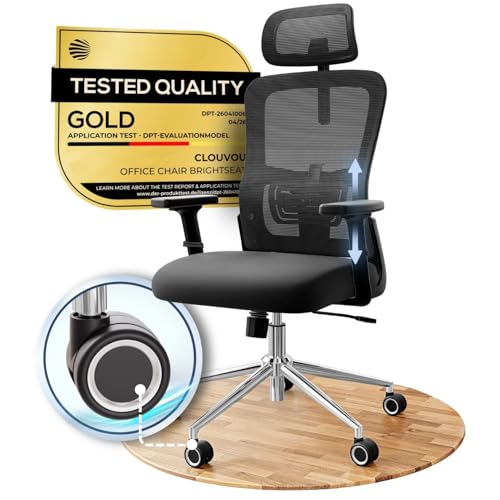
Best Big & Tall Office Chairs in 2026: Everything to Know Before Your First Purchase
Disclosure: We may earn a commission when you buy through links on this page, at no extra cost to you. As an Amazon Associate I earn from qualifying purchases. Learn more
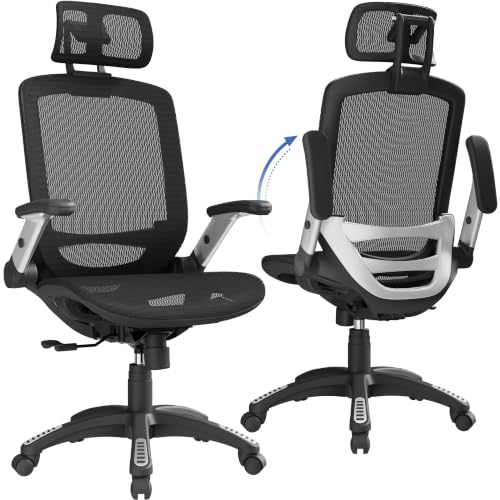
First-time buyer's guide to the best big & tall office chairs: learn the terms, compare seat sizes and capacities, and avoid rookie mistakes.
If you are tall, broad, or both, a standard office chair tells you so within the first hour: the seat pinches your thighs, the backrest ends below your shoulder blades, and the armrests sit too close together. The best big & tall office chairs exist to fix exactly those fit problems. This guide is written for a first purchase, so it explains the terms, the measurements and the trade offs in plain English before you spend anything.
One point of honesty up front: a chair is furniture. A bigger, better fitting chair can make long desk days more comfortable, but no chair corrects your posture, treats back pain or replaces standing up and moving around. Keep that in mind as you read the listings, and use the product table to see how the current options differ in seat size, capacity and price.
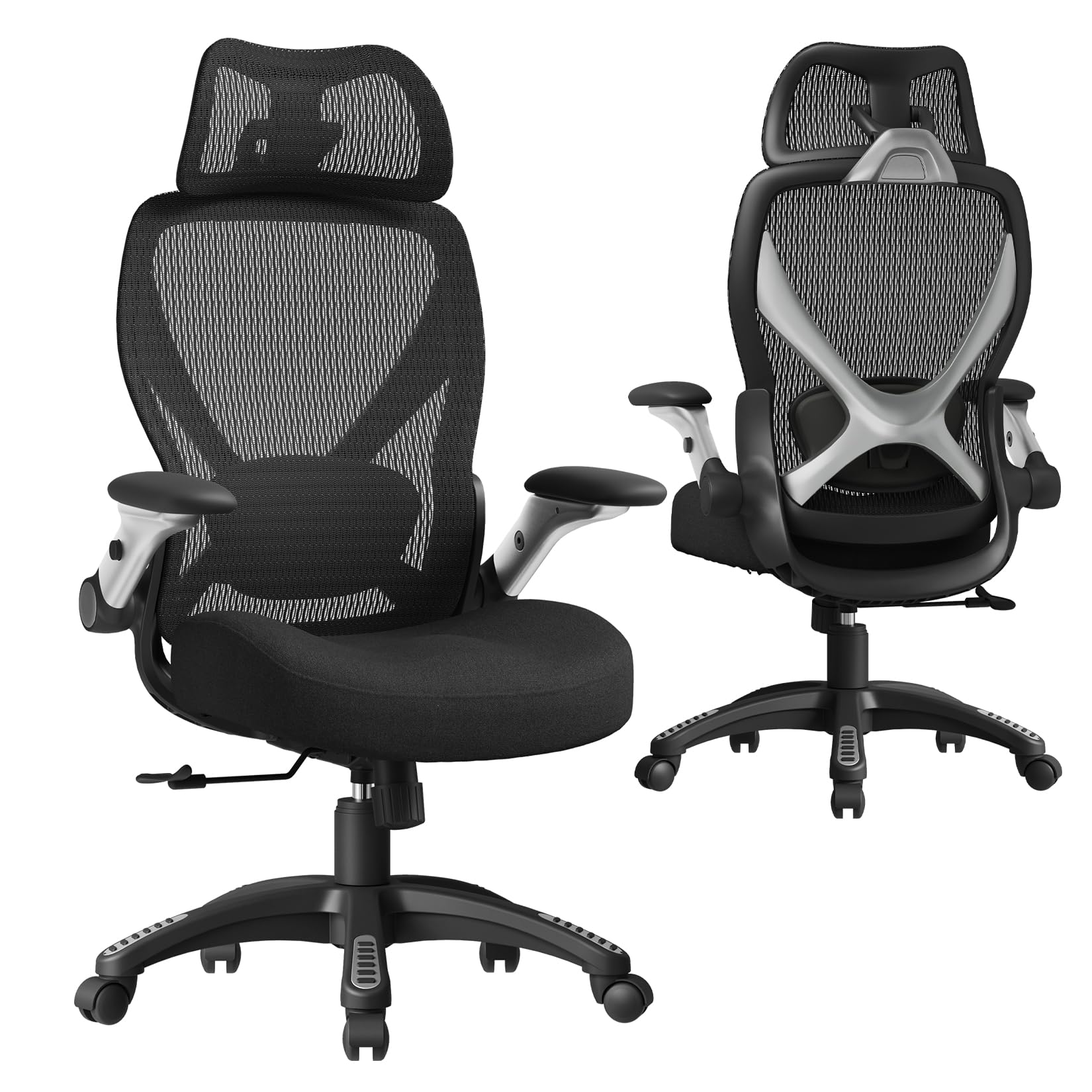


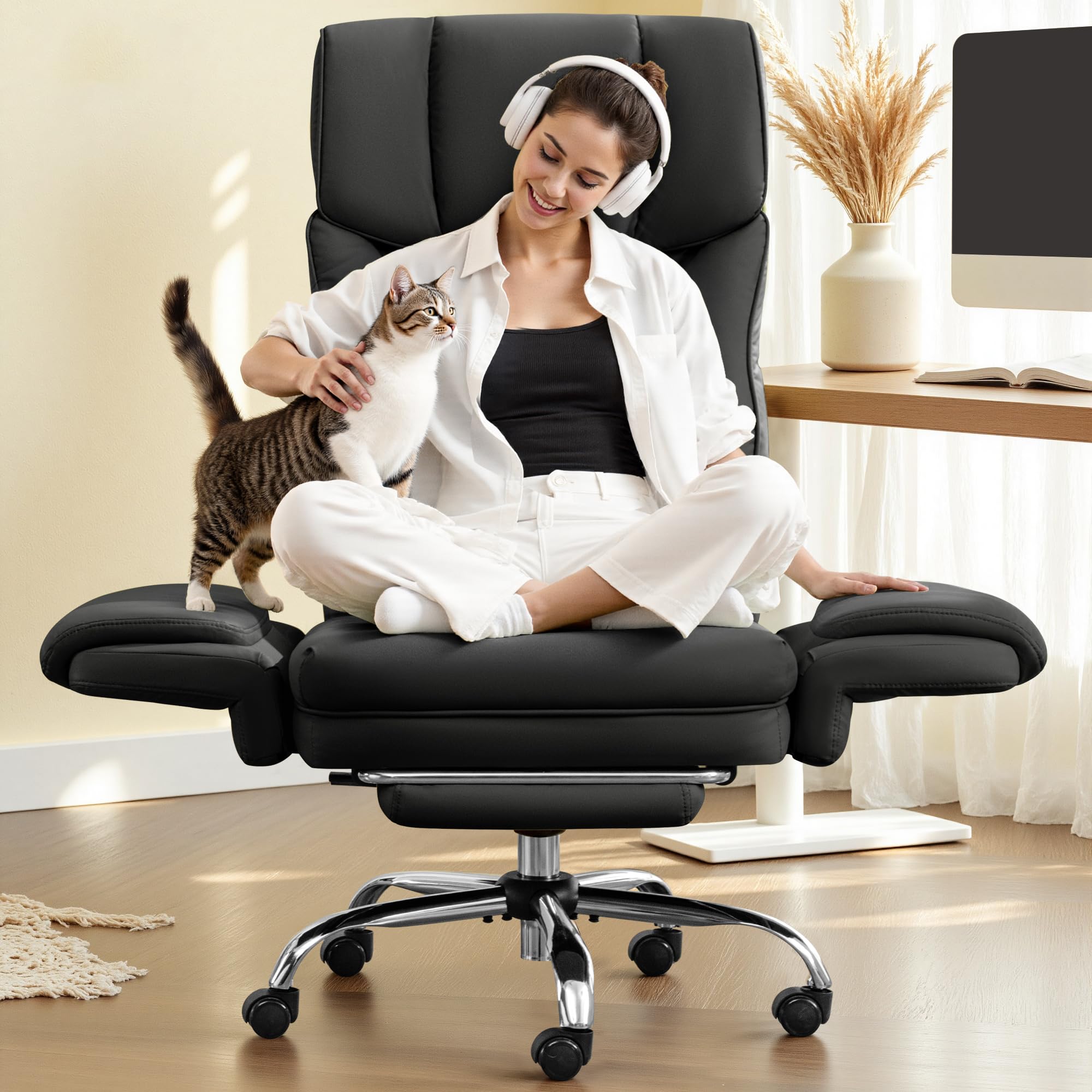
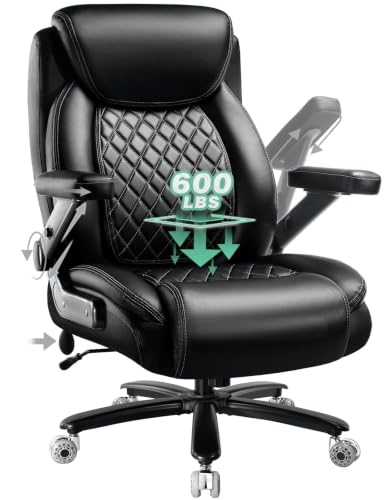
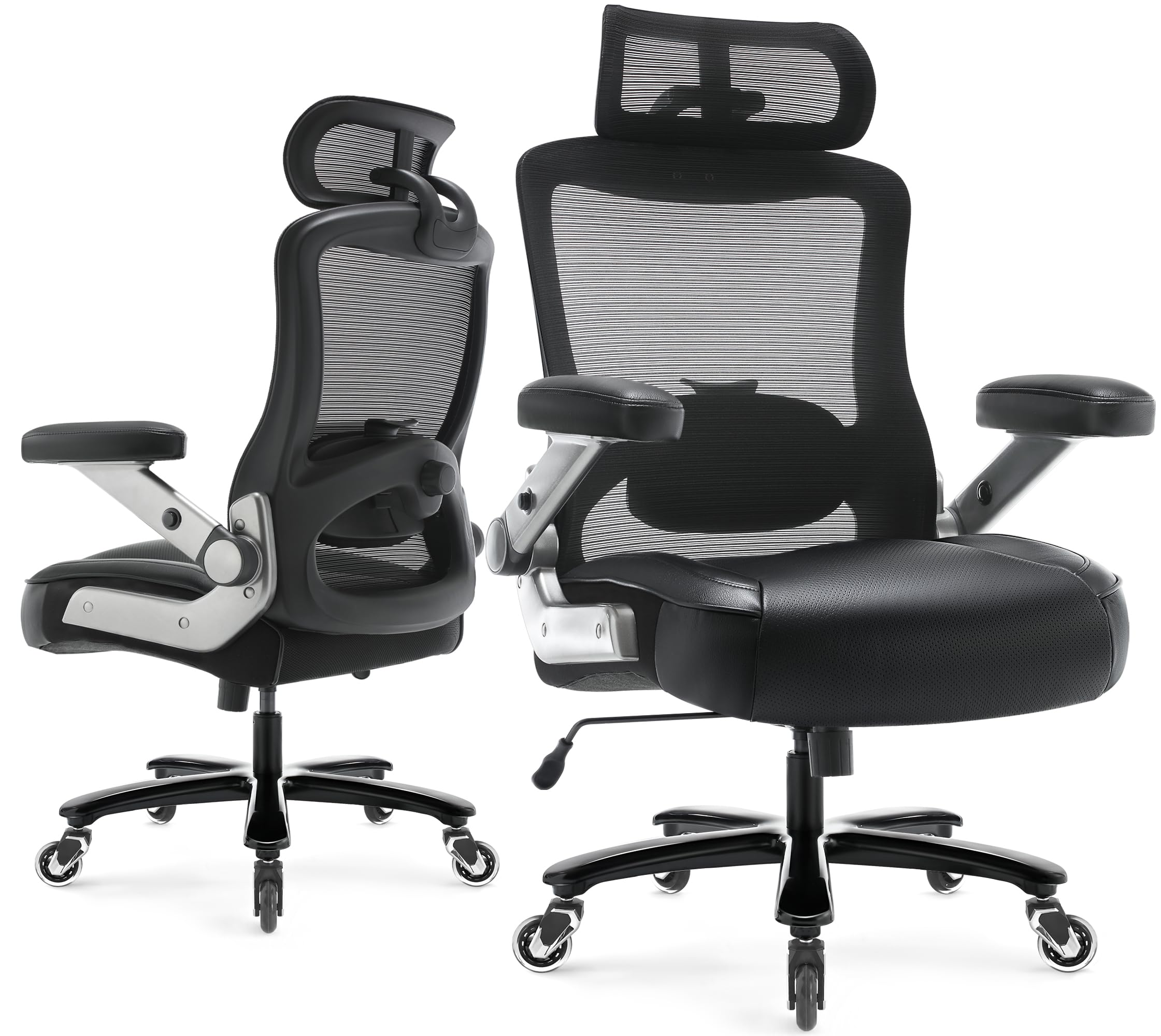

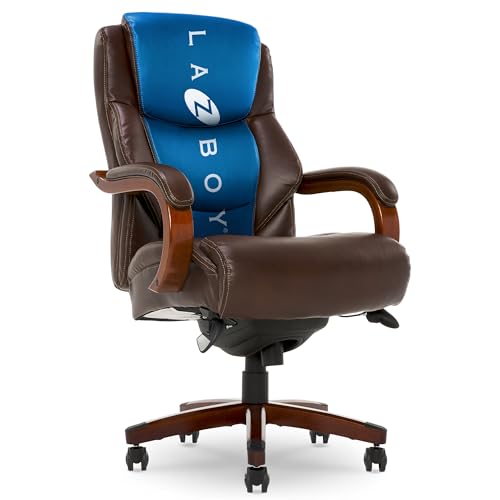
Best Big & Tall Office Chairs 101: The Basics
A big and tall office chair is a desk chair built on a larger frame than a standard model. Three things change.
The seat is wider and deeper, so your hips and thighs are supported instead of squeezed. The backrest is taller, so it reaches the shoulder blades of a tall sitter. And the structure underneath, the base, the lift cylinder and the frame, is built and rated for a higher weight capacity. If a standard chair already fits your body with room to spare, you do not need this class; it exists for sitters whom standard dimensions leave pinched, perched or unsupported.
A few terms appear in every listing. Weight capacity is the maximum user weight the maker rates the chair for. Seat height range tells you how low and how high the seat adjusts, which decides whether your feet rest flat with your knees at a comfortable angle.
A gas lift or cylinder is the part that raises and lowers the seat, and higher class cylinders are built for heavier loads and more cycles. Tilt lock holds the backrest at a set angle, and lumbar support is a pad or curve meant to fill the space behind your lower back. General purpose models such as best office task chairs use the same terms at standard sizes, which is a useful comparison point when you are deciding whether you need this larger class at all.
Key Specs Explained in Plain English
Measure Your Body and Your Room First
Three measurements decide fit. Seat width is the space between the armrests or the side bolsters, and it should be at least two inches wider than your hips so clothing and movement have room. Seat depth runs from the backrest to the front edge; you want about two or three fingers of space behind your knees when your back is against the backrest, because an edge that presses into the back of the knee makes legs go numb on long days. Backrest height should reach at least your shoulder blades.
Then measure the room: the doorway the box must pass through, the desk opening the chair must roll under, and the floor space behind the desk for the wider base. A chair that fits you but not your desk opening is still the wrong chair.
Weight Capacity and the Safety Margin
The capacity figure on a listing is a rating set by the maker, and makers do not all rate chairs the same way, so treat the number as a class figure rather than a promise. The practical rule is to buy above your weight with margin: if you weigh around 240 pounds, look at chairs rated around 300 pounds or more rather than one rated right at your weight. The margin matters because sitting down is a dynamic load, not a still one, and parts wear faster near their limit.
Shoppers at the top of the range should look at the dedicated listings for best big and tall office chairs 400 lbs, where capacities and frame sizes step up again. Remember also that a big and tall chair is a bigger frame class, not a guarantee of strength; the rating and the build quality are what count, not the label.
Base, Cylinder and Frame: Where the Strength Lives
Look underneath before you look at the cushions. A wide five point base, around 27 to 29 inches across on this class of chair, keeps a tall sitter stable when leaning back. Metal bases, usually aluminum or steel, outlast nylon ones at higher loads. The cylinder should be a heavy duty class, often listed as class 4, and the frame under the seat should be steel or reinforced rather than thin plywood.
These parts carry you every day, they are hidden in most listing photos, and they are the first place cheap chairs save money. If a listing does not state the base material or cylinder class, treat that silence as information.
Adjustability That Matters at This Size
Not every adjustment matters equally, and seat height range matters most for tall buyers, because a chair that tops out too low leaves your knees above your hips; look for a range that reaches roughly 20 inches or more at the top end if you are over six feet tall. Armrests that adjust in width as well as height matter on this class, since fixed narrow armrests undo the point of a wide seat; models covered in our guide to best tall office chairs show the height side of this question in detail. A tilt mechanism with a lock and tension control lets you set how hard the chair pushes back when you lean. Lumbar support that adjusts in height suits tall backs better than a fixed pad placed for an average spine.
Armrests and Caster Wheels
Armrests on this class should be padded, firmly mounted and rated for the way people actually use them, which includes pressing down on them while standing up. A wobbling armrest on a new chair is an early sign of light hardware throughout. Caster wheels matter more at higher loads too, because small hard wheels dig into carpet and scratch wood floors under weight. Look for larger twin wheel casters, and if the chair will live on hardwood, plan on soft floor casters or a chair mat from the start rather than after the floor shows marks.
Materials and Upholstery
Mesh backs breathe well and suit warm rooms and long days, and a full mesh chair sheds heat better than any padded design. Fabric seats cushion well and grip clothing so you do not slide forward. Bonded leather looks executive and wipes clean, but it can crack and peel after a few years at flex points, while genuine leather costs far more and lasts far longer. High density foam holds its shape under heavier loads where soft foam flattens within months, so at this body size the firmer seat is usually the better buy even if it feels strict on the first sit.
Choosing for Your Situation
Chairs for a Full Day at the Desk
If the chair will carry you through full workdays, the priorities are seat depth, a tall backrest and a strong tilt mechanism. This is the situation the best big & tall office chairs are built for, and it is also the use case behind most best chairs for big and tall listings across seating types. Spend first on the frame and cylinder, then on foam density, and only then on looks.
Executive Big and Tall Office Chairs
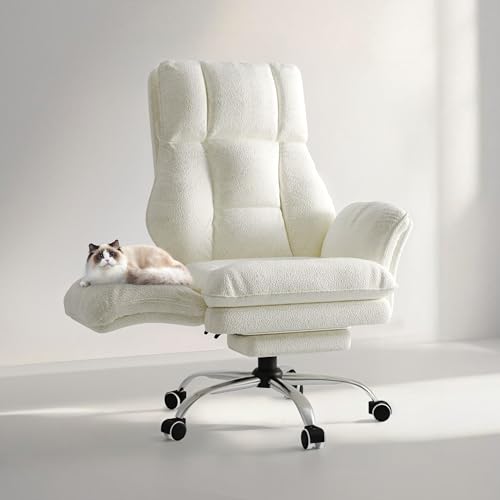
Executive models add a high back, thicker padding and a more formal look for meeting rooms and video calls. The fit checks are the same, but measure the backrest height carefully, because some executive chairs are tall in appearance and average in the seat. Padding should be firm under the upholstery; a plush soft seat compresses to the frame under a heavier sitter and ends up less comfortable than a firm one by midday. Tall backed executive chairs also take more floor space when they recline, so add the reclined footprint to your room measurements before choosing one for a small office.
Big and Tall Office Chairs under 200 Dollars: Tips for First Time Buyers
A budget near 200 dollars can buy a safe, correctly sized chair, but something gives. Usually it is foam density, armrest adjustment and finish quality rather than the frame, and that is the right order of cuts. Check the capacity rating and base material with extra care at this price, keep the box and receipt until you have sat through a full workday, and plan on the chair lasting a few years rather than a decade.
Rookie Mistakes to Avoid
- Buying by capacity alone. A high rating on a chair with a narrow seat still leaves you squeezed; capacity and dimensions are separate checks.
- Forgetting the armrest width. The seat may be wide while the fixed armrests are not, and your hips will find them within minutes.
- Skipping the desk measurement. A taller chair with a thick seat may not roll under a standard desk apron, so measure the opening before ordering.
- Sitting at the rating limit. A chair rated exactly at your weight wears faster and flexes more; the margin rule exists for this reason.
- Judging comfort in five minutes. Soft showroom foam can feel better than firm foam for a moment and far worse by hour three of a workday.
Getting Started: Setup and First Use
Assembly on this class of chair is heavier work than a standard model, so build it where it will live and keep a second person nearby for lifting the backrest into place. Tighten every bolt, sit, then retighten after the first week, because new joints settle. Set the seat height so your feet rest flat on the floor with your thighs roughly level, and set the armrests so your shoulders stay relaxed while typing. Give the chair a full week of real work before judging it, and keep the packaging until the return window is close to closing.
Expect the chair itself to be heavy, often 50 to 70 pounds in the box, and heavier to roll than a standard chair once built. That weight is part of the point, since the frame and base carry the rating, but it also means returns are more work, which is one more reason to measure carefully before ordering. If the chair will move between rooms often, check the caster size and your door widths again.
A Note on Sitting Comfort and Your Health
A well fitting chair supports comfortable sitting, and that is the whole of its job. If you have back, neck or hip pain that persists, keeps worsening, or comes with numbness or weakness, speak with a clinician about the cause rather than shopping for a chair to fix it. Whatever chair you buy, stand up, walk and change position through the day; no seat makes eight still hours healthy.
Big & Tall Office Chairs: Your Questions Answered
Is an expensive big & tall office chair worth it?
For a full time desk worker, usually yes, because the money goes into parts you cannot see: a metal base, a heavy duty cylinder, denser foam and a frame rated with real margin. Those parts decide whether the chair feels the same in year three as in week one. If you only sit for an hour a day, a mid priced chair covers the need and the extra spend buys little. Compare the ratings and dimensions first and the price second, since an expensive chair in the wrong size is still the wrong chair.
How long should a good big & tall office chair last?
A well built model used daily should give about five to eight years of service, with the cylinder and the seat foam usually wearing first. You can stretch that life by keeping the weight on the chair within its rating, tightening bolts a few times a year, and keeping casters free of hair and grit. A sinking seat that will not stay at height means the cylinder is done, and on better chairs that part can be replaced on its own. Budget chairs at this size typically last two to four years.
What features matter most for long hours?
Seat depth and firm foam matter most, because they decide whether your thighs stay supported without pressure behind the knee. Next comes a backrest tall enough to reach your shoulder blades and a tilt lock that lets you shift angle through the day. Width adjustable armrests rank after that, and features like headrests and footrests rank last. Readers comparing notes with other large framed shoppers will find the same order of priorities in our guide to best office chairs for big and tall guys.
How do I choose the right size?
Start with your own measurements: hip width, the length from your back to the back of your knee while seated, and your height. Then match them against the listed seat width, seat depth and backrest height, leaving a small margin on each. Check the seat height range against your desk height so your arms meet the desk without shrugging. If you fall between two sizes, choose the larger one, because extra room can be managed with a cushion while a tight chair cannot be widened.
Can a big and tall chair fit at a standard desk?
Usually yes, but check two numbers before you order: the top of the armrests at your working height, and the height of the desk opening or apron underneath. Many standard desks leave about 25 to 27 inches of clearance, and a thick seat plus raised armrests can exceed it. Armrests that lower or swing away solve most conflicts. If the chair cannot roll under, you will end up sitting too far from the desk and reaching forward all day, which undoes the fit you paid for.
Final Thoughts
Three checks decide this purchase: dimensions that match your body, a capacity rating with real margin above your weight, and a base and cylinder built for the load. The product table above puts those figures side by side for the current range. Get those three right and the best big & tall office chairs become an ordinary, durable piece of office furniture rather than a yearly replacement. Prices and availability can change, so check the product page before ordering.